
Gastroenterology at Medicover Hospitals, Yellammagutta, Nizamabad
Explore Gastroenterology services, treatments, diagnostic care and related doctors at Medicover Hospitals.
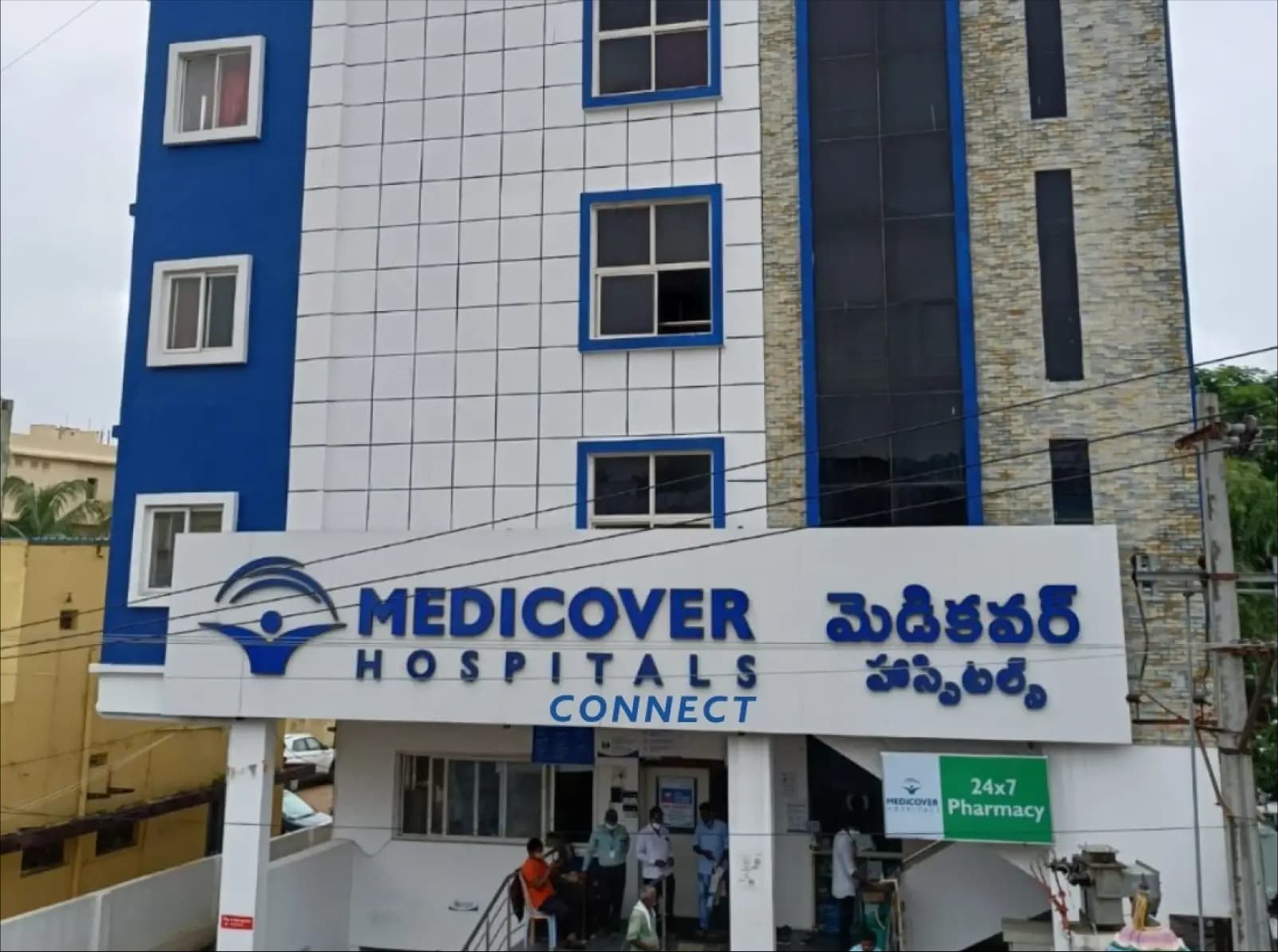
Medicover Hospitals – Best in Yellammagutta, Nizamabad
- Beds
- 200
- Accreditation
- NABH Accredited
- Established
- 2012
Gastroenterology at Medicover Hospitals
Gastroenterology focuses on the diagnosis and management of conditions affecting the digestive system, including the oesophagus, stomach, intestines, liver, gallbladder and pancreas. This dedicated page for Gastroenterology at Medicover Hospitals in Nizamabad helps patients understand the types of digestive concerns that may require specialist evaluation, the diagnostic process, treatment approaches and what to expect during a consultation. Patients searching for gastroenterology in Nizamabad can explore information about common digestive symptoms, gastrointestinal conditions, diagnostic investigations and treatment categories. Located in Yellammagutta, the hospital is a local option for people seeking specialist medical care for ongoing or concerning digestive problems. Treatment decisions depend on the underlying condition, diagnostic findings and individual health needs.
Gastroenterology at Medicover Hospitals, Nizamabad
Gastroenterology is the medical specialty concerned with the digestive system and the organs involved in digestion and nutrient absorption. It covers conditions affecting the oesophagus, stomach, small and large intestines, liver, gallbladder, bile ducts and pancreas.
Patients may search for a gastroenterologist when digestive symptoms continue, recur frequently or begin to interfere with everyday life. Concerns such as persistent abdominal discomfort, acidity, heartburn, changes in bowel habits, unexplained weight loss, jaundice or recurrent digestive problems may require professional assessment.
For people looking for gastroenterology in Nizamabad, this page provides practical information about specialist consultation, common digestive conditions, diagnostic evaluation and treatment options. Medicover Hospitals in Yellammagutta provides the location context for patients comparing gastroenterology care in the city.
A gastroenterology consultation is not limited to treating stomach problems. A specialist may evaluate symptoms involving several parts of the digestive system and consider how different conditions can affect one another. Treatment depends on the diagnosis, severity of the condition, medical history and overall health of the patient.
Gastroenterology Services and Areas of Care
Gastroenterology covers a broad range of digestive health concerns. Depending on the patient's symptoms and clinical findings, specialist care may involve assessment, medical management, follow-up or procedures.
Stomach and Oesophageal Care
Gastroenterologists commonly evaluate problems involving the upper digestive tract. These may include persistent acidity, gastroesophageal reflux disease (GERD), gastritis, indigestion, peptic ulcers and swallowing difficulties.
Recurring heartburn or upper abdominal discomfort should not automatically be assumed to have a single cause. A specialist can assess the symptoms, medical history and other risk factors before deciding whether further investigation is required.
Intestinal and Colorectal Care
The specialty also covers disorders affecting the small intestine, large intestine and colon. Patients may seek evaluation for persistent constipation, chronic diarrhoea, abdominal pain, changes in bowel habits or blood in the stool.
Some intestinal conditions require long-term monitoring and structured treatment. Others may need diagnostic procedures to identify the underlying cause.
Liver and Hepatobiliary Care
Gastroenterology also includes the evaluation of liver and related biliary conditions. These can include fatty liver disease, hepatitis, chronic liver disease and certain disorders affecting the gallbladder or bile ducts.
Abnormal liver test results may also lead to a gastroenterology or hepatology evaluation, depending on the clinical situation.
Pancreatic Care
The pancreas plays an important role in digestion and blood sugar regulation. Conditions such as pancreatitis and other pancreatic disorders may require specialist assessment, laboratory testing and imaging or other investigations.
Conditions Treated Under Gastroenterology
The conditions managed by gastroenterology can range from common digestive complaints to more complex gastrointestinal disorders.
Common Digestive Disorders
Common concerns may include:
- Acidity and heartburn
- Gastroesophageal reflux disease (GERD)
- Indigestion and dyspepsia
- Gastritis
- Peptic ulcers
- Abdominal pain
- Bloating
- Constipation
- Chronic or recurrent diarrhoea
- Nausea and vomiting
The appropriate treatment depends on the cause rather than simply the symptom.
Intestinal and Inflammatory Conditions
Gastroenterologists may evaluate conditions such as irritable bowel syndrome (IBS), inflammatory bowel disease (IBD), Crohn's disease and ulcerative colitis.
Some of these conditions can have recurring symptoms and may require continuing medical supervision. A detailed history and appropriate investigations help distinguish between different causes of similar digestive symptoms.
Liver, Gallbladder and Pancreatic Conditions
Specialist evaluation may also be appropriate for:
- Fatty liver disease
- Hepatitis and other liver disorders
- Chronic liver disease
- Gallbladder-related disorders
- Bile duct disorders
- Pancreatitis
- Other pancreatic conditions
The type and extent of investigation depend on the suspected condition and the patient's clinical history.
Gastrointestinal Bleeding and Other Concerning Symptoms
Blood in the stool, black stools, persistent vomiting, unexplained weight loss or significant changes in bowel habits can require timely medical assessment. These symptoms can have different causes, ranging from relatively common conditions to problems requiring more urgent investigation.
Patients should seek appropriate medical advice rather than attempting to determine the cause themselves.
Gastroenterology Treatments and Procedures
Treatment in gastroenterology varies considerably because digestive disorders have different causes and levels of severity.
Medical Management
Many gastrointestinal conditions can initially be managed through medicines, dietary changes, lifestyle measures and follow-up. Depending on the diagnosis, treatment may address acid production, inflammation, infection, bowel symptoms or other underlying mechanisms.
Medication should be taken according to professional medical advice, particularly when symptoms are persistent or recurring.
Endoscopic Procedures
Endoscopy allows doctors to examine parts of the digestive tract using a specialised instrument. Depending on the clinical indication, procedures may include upper gastrointestinal endoscopy or colonoscopy.
Endoscopic evaluation can help investigate symptoms such as persistent upper abdominal discomfort, swallowing difficulties, gastrointestinal bleeding or changes in bowel habits.
Advanced Gastrointestinal Procedures
Depending on the diagnosis and the facilities available at a particular centre, gastroenterology may also involve procedures such as endoscopic ultrasound (EUS), endoscopic retrograde cholangiopancreatography (ERCP), sigmoidoscopy, capsule endoscopy or other specialised investigations.
Not every procedure is appropriate for every patient. The treating specialist determines whether a procedure is required after considering symptoms, medical history and diagnostic findings.
Surgical Referral When Required
Some gastrointestinal conditions may require surgical management rather than medical treatment alone. In such situations, a gastroenterologist may coordinate with a general surgeon, gastrointestinal surgeon, oncologist or other relevant specialist.
The appropriate pathway depends on the patient's diagnosis and treatment requirements.
Gastroenterology Diagnostic and Evaluation Services
Accurate diagnosis is an important part of digestive healthcare. Symptoms such as abdominal pain, acidity or changes in bowel habits can occur in many different conditions, so evaluation should focus on identifying the underlying cause.
A gastroenterology assessment may include:
- Detailed medical and symptom history
- Physical examination where appropriate
- Blood and laboratory investigations
- Liver function testing where indicated
- Stool investigations when clinically required
- Abdominal ultrasound or other imaging
- CT or MRI when appropriate
- Upper gastrointestinal endoscopy
- Colonoscopy
- Other specialised gastrointestinal investigations
The investigations selected depend on the symptoms, clinical findings and suspected diagnosis. Patients may also be asked to bring previous reports, imaging records and medication details to help the specialist understand their medical history.
When Should You See a Gastroenterology Specialist?
A specialist consultation may be appropriate when digestive symptoms are persistent, recurrent, unexplained or affecting daily activities.
You may consider discussing your symptoms with a qualified healthcare professional if you experience:
- Repeated or persistent abdominal pain
- Frequent heartburn or acid reflux
- Difficulty swallowing
- Persistent indigestion
- Recurrent bloating
- Long-lasting constipation or diarrhoea
- Blood in the stool
- Black or unusually dark stools
- Repeated vomiting
- Unexplained weight loss
- Persistent changes in bowel habits
- Yellowing of the skin or eyes
- Abnormal liver-related test results
- Recurring digestive problems despite previous treatment
These symptoms do not necessarily indicate a serious disease. However, persistent or concerning symptoms deserve appropriate clinical evaluation.
Severe abdominal pain, significant gastrointestinal bleeding, repeated vomiting with inability to keep fluids down, fainting or other acute symptoms may require urgent medical attention.
What to Expect During a Gastroenterology Consultation
Knowing what happens during a consultation can make the process easier for patients.
1. Discussion of Symptoms
The specialist may ask when the symptoms started, how often they occur, what makes them better or worse and whether they are associated with food, bowel movements or other factors.
2. Medical History
Previous illnesses, surgeries, medications, allergies, family history and relevant lifestyle factors may be discussed.
3. Clinical Examination
A physical examination may be performed when appropriate. This helps the clinician combine the examination findings with the patient's symptoms and medical history.
4. Diagnostic Evaluation
If further assessment is required, the specialist may recommend blood tests, imaging, endoscopy or other investigations.
5. Treatment Discussion
Once the available information is reviewed, the doctor can explain the possible diagnosis and discuss appropriate treatment options.
6. Follow-Up Planning
Some digestive conditions require only short-term treatment, while others benefit from continued monitoring. Follow-up recommendations depend on the condition and response to treatment.
Why Choose Gastroenterology Care at Medicover Hospitals?
When choosing a gastroenterology hospital in Nizamabad, patients should consider whether the centre can provide an appropriate pathway from specialist consultation and diagnosis through treatment and follow-up.
Medicover Hospitals in Yellammagutta is the partner location represented on this Siris Healthcare page. Patients can use the hospital's gastroenterology services information, specialist availability and appointment channels to determine the appropriate next step.
When comparing providers, useful factors include:
- Availability of qualified gastroenterology specialists
- Appropriate diagnostic evaluation
- Access to relevant imaging and laboratory investigations
- Availability of endoscopic assessment when clinically indicated
- Coordination with other specialties when necessary
- Clear explanation of treatment options
- Follow-up and monitoring
- Emergency support when relevant
- Convenience of location and appointment access
Patients should confirm the availability of a particular doctor, procedure or facility before booking, as services and specialist schedules can change.
Gastroenterology Doctors and Specialists
A gastroenterologist is a specialist who evaluates and manages diseases affecting the digestive system. Depending on the patient's condition, care may also involve hepatology, gastrointestinal surgery, oncology, radiology, pathology, nutrition or other specialties.
When choosing a gastroenterologist in Nizamabad, patients may consider the doctor's area of expertise, qualifications, experience relevant to their condition, consultation availability and approach to explaining diagnostic and treatment options.
If a procedure is recommended, patients can also ask why it is needed, what preparation is required, whether alternatives are available and what follow-up may be necessary.
Doctor names, consultation timings and appointment availability should be checked through the current hospital information before publishing or scheduling.
Gastroenterology Care in Nizamabad
Patients searching for gastroenterology in Nizamabad may prefer local specialist care when recurring digestive symptoms require assessment, monitoring or treatment.
Medicover Hospitals is located in Yellammagutta, Nizamabad, making the locality an important reference point for patients searching for a gastroenterology hospital near me or specialist digestive care within the city.
Local access can be particularly useful for patients who require follow-up appointments, repeat investigations or continuing management of chronic digestive conditions. Before visiting, patients should confirm the consultation schedule, required documents, insurance arrangements and availability of any specific diagnostic procedure they may need.
Patients travelling from outside Nizamabad should also consider appointment timing, travel arrangements and whether previous medical records can be shared in advance.
How to Choose the Right Gastroenterology Hospital or Specialist
Finding the right gastroenterology provider involves more than choosing a hospital based on search rankings or advertising claims.
Consider Specialist Expertise
Look for a qualified gastroenterologist whose clinical experience is relevant to the condition being evaluated.
Review Diagnostic Options
Digestive conditions can require different investigations. Ask whether the required diagnostic pathway is available or can be coordinated appropriately.
Consider Multidisciplinary Care
Complex conditions may involve more than one specialty. Coordination between gastroenterology, surgery, oncology, radiology, pathology or other departments can be important when clinically appropriate.
Understand Treatment Options
Patients should receive a clear explanation of the available treatment approaches, including why a particular option has been recommended.
Ask About Follow-Up
For chronic or recurring conditions, follow-up can be an important part of care. Ask how future reviews and monitoring will be managed.
Check Accessibility
Location, appointment availability, communication, emergency support where relevant and practical access to investigations can all influence the patient experience.
Most importantly, patients should choose care based on their individual medical needs rather than relying solely on claims such as "best" or "No. 1."
Frequently Asked Questions About Gastroenterology
What does a gastroenterologist treat?
A gastroenterologist evaluates and manages conditions affecting the digestive system, including the oesophagus, stomach, intestines, liver, gallbladder, bile ducts and pancreas.
When should I see a gastroenterologist?
Consider specialist evaluation when digestive symptoms are persistent, recurrent, unexplained or affecting daily life. Symptoms such as ongoing abdominal pain, frequent reflux, difficulty swallowing, blood in stool, persistent bowel changes or unexplained weight loss may warrant medical assessment.
What conditions are commonly treated in gastroenterology?
Common conditions include GERD, gastritis, peptic ulcers, IBS, inflammatory bowel disease, constipation, chronic diarrhoea, liver disorders, gallbladder problems and pancreatic conditions. The exact diagnosis requires clinical evaluation.
How are digestive disorders diagnosed?
Depending on the symptoms, diagnosis may involve medical history, physical examination, blood tests, stool tests, imaging studies, endoscopy, colonoscopy or other specialised investigations.
Is endoscopy required for every stomach problem?
No. Endoscopy is not automatically required for every digestive complaint. A gastroenterologist decides whether it is appropriate based on symptoms, medical history, examination and other findings.
How do I choose a gastroenterology hospital in Nizamabad?
Consider the availability of qualified specialists, appropriate diagnostic facilities, relevant treatment options, follow-up arrangements, multidisciplinary support and convenient access. Confirm the specific services and doctor availability before booking.
What happens during a gastroenterology consultation?
The consultation generally includes discussion of symptoms and medical history, clinical examination where appropriate, review of previous reports and determination of whether further tests or treatment are needed.
What should I bring to my gastroenterology appointment?
Bring previous medical reports, imaging or endoscopy reports, laboratory results, current medication details, allergy information and a list of your main symptoms. A brief record of when symptoms started can also be useful.
Can digestive problems require long-term follow-up?
Yes. Some gastrointestinal, liver, pancreatic and inflammatory conditions can require continuing monitoring. Follow-up depends on the diagnosis, treatment and individual health needs.
How can I book a gastroenterology consultation?
Patients can use the available appointment or consultation channels associated with Medicover Hospitals and confirm the current gastroenterology specialist schedule before visiting.
Best Gastroenterology Doctors at Medicover Hospitals, Yellammagutta
Consult with our highly experienced experts at Medicover Hospitals.
 Gastroenterology
Dr Samir Jaju
Gastroenterology Treatments
Upper Gi Endoscopy (gastroscopy)
Advanced treatment available at Medicover Hospitals.
Colonoscopy
Advanced treatment available at Medicover Hospitals.
Ercp (endoscopic Retrograde Cholangiopancreatography)
Advanced treatment available at Medicover Hospitals.
Endoscopic Ultrasound (eus)
Advanced treatment available at Medicover Hospitals.
Peptic Ulcer Treatment
Advanced treatment available at Medicover Hospitals.
Treatment For Gerd And Acid Reflux
Advanced treatment available at Medicover Hospitals.
Liver Disease & Fatty Liver Management
Advanced treatment available at Medicover Hospitals.
Endoscopic Treatment Of Gi Bleeding And Varices
Advanced treatment available at Medicover Hospitals.
Laparoscopic Gastrointestinal Surgery
Advanced treatment available at Medicover Hospitals.
Advanced Endoscopic Procedures For Gi And Pancreatic Disorders
Advanced treatment available at Medicover Hospitals.
Frequently Asked Questions About Gastroenterology
What types of gastroenterology procedures are performed at Medicover Hospitals?
We perform a wide range of gastroenterology procedures, from routine diagnostics to complex surgeries, using the latest medical technologies.
How can I book an appointment for Gastroenterology at Medicover Hospitals?
You can book an appointment through the Siris Healthcare platform by clicking the "Get Free Estimate" button or contacting our 24/7 helpline.
Other Medical Specialties at Medicover Hospitals Yellammagutta
Get Expert Gastroenterology Care at Medicover Hospitals, Yellammagutta
Schedule a consultation with our top specialists and get a personalized treatment plan with a free cost estimate.
Top Specialities at Medicover Hospitals Yellammagutta
- cardiothoracic Department
- Critical care Department
- Orthopaedics Department
- Joint Replacement Department
- Neurology Department
- Neurosurgery Department
- Nephrology Department
- Urology Department
- Oncology Department
- General Medicine Department
- General Surgery Department
- Laparoscopic surgeries Department
- Gastroenterology Department
- obstetrics Department
- Paediatrics & Neonatology Department
- Pulmonology Department
- ENT Department
- Emergency medicine Department
- Anaesthesiology Department
- Pathology Department
- Physiotherapy Department
- Andrology Department
Best Hospitals in Nizamabad
Medical Services in India
Topics related to Medicover Hospitals
Best Hospital in Nizamabad for Family Healthcare: Specialists, Emergency Care and Advanced Treatment
Best Hospital in Nizamabad for Family Healthcare: Specialists, Emergency Care an...
Neurology Treatment in Nizamabad: When Should You Consult a Neurologist?
Neurology Treatment in Nizamabad: When Should You Consult a Neurologist?Neurolog...
General Surgery in Nizamabad: Common Procedures, Preparation and Recovery
General Surgery in Nizamabad: Common Procedures, Preparation and RecoveryGeneral...
Gastroenterology Treatment in Nizamabad: When Stomach and Digestive Problems Need Specialist Care
Gastroenterology Treatment in Nizamabad: When Stomach and Digestive Problems Nee...
Critical Care and ICU in Nizamabad: When Patients Need Intensive Hospital Monitoring
Critical Care and ICU in Nizamabad: When Patients Need Intensive Hospital Monito...
Diabetes Treatment in Nizamabad: Specialist Care, Tests and Long-Term Management
Diabetes Treatment in Nizamabad: Specialist Care, Tests and Long-Term Management...
Orthopedic Treatment in Nizamabad: Solutions for Joint Pain, Arthritis and Bone Problems
Orthopedic Treatment in Nizamabad: Solutions for Joint Pain, Arthritis and Bone ...
Best Hospital for Cardiac Care in Nizamabad: Heart Tests, Treatments and Specialist Care
Best Hospital for Cardiac Care in Nizamabad: Heart Tests, Treatments and Special...
Emergency Hospital in Nizamabad: Which Symptoms Need Immediate Medical Attention?
Emergency Hospital in Nizamabad: Which Symptoms Need Immediate Medical Attention...
Best Multispecialty Hospital in Nizamabad: Departments, Treatments and Patient Care
Best Multispecialty Hospital in Nizamabad: Departments, Treatments and Patient C...