
Vascular Surgery at Medicover Hospitals, Kharghar, Navi Mumbai
Explore Vascular Surgery services, treatments, diagnostic care and related doctors at Medicover Hospitals.
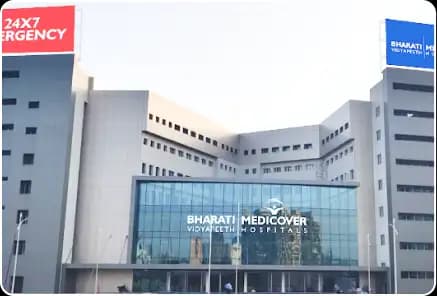
Medicover Hospitals – Best in Kharghar, Navi Mumbai
- Beds
- 320
Vascular Surgery at Medicover Hospitals
Vascular Surgery at Medicover Hospitals in Kharghar, Navi Mumbai focuses on the evaluation and management of conditions affecting arteries, veins and blood circulation. Patients can explore specialist consultation for concerns such as peripheral artery disease, varicose veins, vascular blockages, aneurysms, carotid artery disease and other circulation-related disorders. Depending on the diagnosis and individual health needs, treatment may involve medicines and lifestyle measures, minimally invasive endovascular procedures or open vascular surgery. The Medicover Hospitals Navi Mumbai campus is located in Sector 10, Kharghar, making it a local option for patients seeking vascular care in Navi Mumbai. The hospital's published specialty information includes Vascular Surgery among its available specialties.
Vascular Surgery at Medicover Hospitals, Navi Mumbai
Vascular Surgery deals with diseases and disorders affecting the body's blood vessels, particularly the arteries and veins outside the heart and brain. These blood vessels carry oxygen-rich blood to tissues and return blood to the heart. When a vessel becomes narrowed, blocked, weakened or damaged, circulation can be affected and may require medical or surgical evaluation.
At Medicover Hospitals in Kharghar, Navi Mumbai, patients can seek evaluation for vascular and circulation-related concerns through the hospital's vascular and cardiovascular surgical services. Medicover's Navi Mumbai hospital listing specifically includes Vascular Surgery among its specialties.
Vascular problems can range from relatively common conditions such as varicose veins to more serious disorders such as peripheral artery disease, aneurysms, acute limb ischemia and carotid artery disease. The appropriate treatment depends on the location and severity of the vascular problem, symptoms, other medical conditions and overall health.
A vascular consultation generally begins with a detailed review of symptoms and medical history. The specialist may then recommend a physical examination, vascular testing or imaging before deciding whether conservative management, medication, an endovascular procedure or surgery is appropriate.
Vascular Surgery Services and Areas of Care
Vascular surgery covers a broad range of conditions involving blood vessels. Depending on the clinical situation and available hospital services, vascular care may include:
- Assessment of arterial circulation problems
- Evaluation of venous disorders
- Management of peripheral artery disease
- Assessment of carotid artery narrowing
- Evaluation and treatment planning for aneurysms
- Management of varicose veins and chronic venous disease
- Assessment of blood clots such as deep vein thrombosis
- Treatment planning for limb circulation problems
- Vascular access procedures for selected patients requiring dialysis
- Endovascular treatment planning
- Open vascular surgical procedures when clinically indicated
- Follow-up and monitoring after vascular treatment
Medicover's broader vascular and endovascular surgery information describes care for arterial, venous and lymphatic conditions, including peripheral artery disease, aneurysms, DVT, varicose veins and chronic venous insufficiency.
Not every vascular procedure is appropriate for every patient. The treatment pathway should be determined after an individual clinical assessment.
Conditions Treated Under Vascular Surgery
Peripheral Artery Disease
Peripheral artery disease (PAD) occurs when arteries supplying the limbs, particularly the legs, become narrowed or blocked. Reduced blood flow can cause leg discomfort while walking, changes in skin temperature or colour, numbness and, in advanced cases, non-healing wounds.
Treatment may involve risk-factor management, medicines, exercise-based management and, where appropriate, procedures to improve blood flow. Medicover's published vascular information lists PAD among the conditions managed under vascular and endovascular surgery.
Varicose Veins and Chronic Venous Disease
Varicose veins are enlarged, twisted veins that most commonly appear in the legs. Some people experience aching, heaviness, swelling or skin changes along with visible veins.
Depending on symptoms and the underlying venous problem, management may include lifestyle measures, compression therapy, medication in selected situations, minimally invasive vein procedures or surgery.
Carotid Artery Disease
The carotid arteries supply blood to the brain. Narrowing caused by plaque buildup can increase the risk of stroke in some patients. Evaluation may involve vascular examination and imaging, followed by an assessment of the individual's stroke risk and treatment options.
Medicover's published vascular surgery information lists carotid artery stenosis and carotid endarterectomy among vascular conditions and procedures.
Aneurysms
An aneurysm is an abnormal enlargement or weakening of part of an artery. Aneurysms can occur in different parts of the body, including the aorta.
Some aneurysms may require monitoring, while others may need intervention depending on their size, location, growth and risk of complications. Medicover's vascular service information includes abdominal and thoracic aortic aneurysms and describes both open and endovascular approaches to aneurysm repair.
Deep Vein Thrombosis
Deep vein thrombosis (DVT) occurs when a blood clot forms in a deep vein, commonly in the leg. Symptoms can include swelling, pain or tenderness, although some cases may have few obvious symptoms.
Because a clot can potentially travel to the lungs and cause pulmonary embolism, suspected DVT requires timely medical assessment rather than self-treatment.
Diabetic Foot and Poor Circulation
People with diabetes can develop problems involving nerves and blood vessels in the legs and feet. Poor circulation can make wounds slower to heal and may increase the risk of serious complications.
A vascular evaluation may be considered when a person with diabetes develops persistent foot wounds, changes in skin colour or temperature, reduced pulses or other signs suggesting impaired circulation. Medicover's published vascular information includes diabetic foot ulcers among the conditions managed within vascular care.
Acute Limb Ischemia
Acute limb ischemia refers to a sudden reduction in blood flow to an arm or leg. It can become a medical emergency and may present with sudden pain, pallor, coldness, numbness or weakness.
Urgent medical evaluation is important when these symptoms develop suddenly.
Vascular Surgery Treatments and Procedures
Vascular treatment is selected according to the underlying disease and the patient's individual circumstances. Some patients can be managed without surgery, while others may require an intervention.
Angioplasty
Angioplasty is a minimally invasive procedure used to widen a narrowed or blocked blood vessel. A catheter is generally guided through the vascular system to the affected area, where a balloon may be used to improve the vessel's opening. A stent may be placed in selected cases.
Vascular Stenting
A stent is a small mesh-like structure that can help maintain the opening of a blood vessel after treatment of a narrowing or blockage. Whether stenting is appropriate depends on the affected vessel, disease characteristics and patient factors.
Bypass Surgery
A vascular bypass creates an alternative route for blood to travel around a significantly blocked or diseased artery. It may be considered for selected patients with significant arterial disease when other treatment options are unsuitable or insufficient.
Aneurysm Repair
Aneurysms may be treated through open surgery or endovascular techniques, depending on their location, size, anatomy and risk profile. Endovascular repair uses catheters and graft-based devices to treat selected aneurysms from inside the blood vessel.
Carotid Endarterectomy
Carotid endarterectomy involves surgically removing plaque from a carotid artery in appropriately selected patients. The decision to perform the procedure depends on factors such as the degree of narrowing, symptoms and the patient's overall stroke risk.
Varicose Vein Procedures
Selected patients with symptomatic venous disease may be considered for minimally invasive procedures such as endovenous ablation. These procedures aim to close or treat problematic veins so that blood can be redirected through healthier veins.
Dialysis Vascular Access
Patients who require long-term haemodialysis may need a reliable vascular access route. Depending on the individual's circumstances, vascular specialists may be involved in creating, maintaining or treating access problems.
Medicover's published vascular and endovascular information lists angioplasty, carotid endarterectomy, varicose vein laser surgery, endovascular stent grafting, peripheral artery bypass, dialysis access surgery and aneurysm repair among its vascular procedures.
The availability of a particular procedure at the Navi Mumbai hospital should be confirmed during appointment scheduling.
Vascular Surgery Diagnostic and Evaluation Services
Accurate diagnosis is an important part of vascular care because similar symptoms can have different causes.
A vascular specialist may consider:
Clinical Examination
The consultation may include assessment of pulses, skin colour, temperature, swelling, wounds and other signs of circulation problems. The doctor will also review symptoms, previous treatments and relevant medical conditions.
Doppler or Duplex Ultrasound
Vascular ultrasound can help assess blood flow through arteries and veins. It is commonly used to evaluate suspected blockages, venous disease and other circulation problems.
CT Angiography
CT angiography uses CT imaging and contrast material to create detailed images of blood vessels. It may be considered when more detailed anatomical information is needed.
MR Angiography
In selected situations, MRI-based vascular imaging can provide detailed information about blood vessels without the use of conventional catheter angiography.
Catheter Angiography
Catheter angiography involves introducing a catheter into the vascular system and injecting contrast material to visualise blood vessels. In some cases, diagnostic angiography can be combined with an endovascular treatment.
The appropriate test depends on the symptoms, suspected condition, medical history and clinical findings.
When Should You See a Vascular Surgery Specialist?
A vascular consultation may be appropriate when you experience persistent or unexplained symptoms that could be related to blood circulation.
Common reasons for seeking evaluation include:
- Leg pain or cramping that repeatedly occurs while walking
- Persistent swelling in a leg
- Enlarged or painful varicose veins
- A non-healing wound on the foot or leg
- Unexplained changes in skin colour
- A cold or unusually pale limb
- Numbness or weakness associated with circulation concerns
- A known arterial blockage
- A diagnosed aneurysm requiring specialist assessment
- Suspected or confirmed DVT
- Circulation problems associated with diabetes
- A previously diagnosed carotid artery narrowing
- A vascular problem requiring a second opinion
Sudden severe limb pain, a cold or pale limb, sudden numbness or weakness, or symptoms suggestive of a serious blood clot require urgent medical attention rather than waiting for a routine appointment.
What to Expect During a Vascular Surgery Consultation
A vascular consultation is usually focused on understanding the patient's symptoms and determining whether there is a problem with blood flow.
1. Medical History
The specialist may ask about symptoms, their duration, previous vascular problems, medications, smoking history, diabetes, blood pressure, cholesterol and previous procedures.
2. Physical Examination
Depending on the concern, the doctor may examine the affected limb, check pulses and look for swelling, skin changes or wounds.
3. Diagnostic Evaluation
If further assessment is required, the specialist may recommend vascular ultrasound, CT angiography, MRI-based imaging, blood tests or another appropriate investigation.
4. Treatment Discussion
Once the condition is understood, the doctor can explain possible management approaches. These may range from lifestyle and medical treatment to minimally invasive procedures or surgery.
5. Follow-Up Planning
Vascular conditions may require continued monitoring. The follow-up schedule depends on the diagnosis, treatment and individual risk factors.
Patients should feel comfortable asking about the purpose of each test, expected recovery, alternatives, potential risks and follow-up requirements.
Why Choose Vascular Surgery Care at Medicover Hospitals?
Choosing a vascular care provider involves more than searching for a vascular surgery hospital near you. Patients should consider whether the facility can appropriately evaluate their condition and coordinate the care they may need.
Medicover Hospitals' Navi Mumbai facility is located at Sector 10, Kharghar, Navi Mumbai. The hospital's published information lists Vascular Surgery among its specialties.
Medicover also publishes a vascular and endovascular surgery service covering arterial and venous disorders, with treatment information that includes PAD, aneurysms, DVT, varicose veins and other circulation problems.
For patients considering care, useful factors to discuss with the hospital include:
- Whether the required vascular specialist is available
- Which diagnostic tests are available for the suspected condition
- Whether both medical and procedural treatment options can be discussed
- Whether specialist coordination is required with cardiology, radiology, diabetes care or other departments
- What follow-up is recommended after treatment
- Whether the required procedure is performed at the Navi Mumbai location
Services and individual treatment options can vary according to clinical need and hospital availability, so patients should confirm the relevant service before scheduling a procedure.
Vascular Surgery Doctors and Specialists
Vascular conditions require specialist assessment because treatment decisions can depend on the exact blood vessel involved, severity of disease and the patient's broader health.
Medicover's Navi Mumbai doctor listings identify Dr. Lalit Choudhary as a Consultant Cardiothoracic Surgeon with a specialisation in Cardiothoracic & Vascular Surgery (CTVS). The published profile lists MBBS, MS (General Surgery) and M.Ch (CTVS), and identifies his current work location as Medicover Hospital, Sector 10, Kharghar, Navi Mumbai.
The hospital's Navi Mumbai CTVS listing also identifies him as a consultant and describes vascular surgery among the areas associated with the service.
Doctor availability, consultation timings and the specific procedures handled by an individual specialist should be confirmed when booking an appointment.
Vascular Surgery Care in Navi Mumbai
For patients searching for vascular surgery in Navi Mumbai, location can be an important practical consideration, particularly when a condition requires repeated consultations, investigations or post-treatment follow-up.
Medicover Hospitals is located in Kharghar, Navi Mumbai, at Sector 10.
The location can be relevant for patients searching for vascular specialists in or around Kharghar and for people comparing vascular care options within Navi Mumbai. Medicover's Navi Mumbai hospital information also identifies nearby areas including Kamothe, Upper Kharghar and Kalamboli in its local access information.
Patients should consider travel time, appointment availability, access to required diagnostic services and the ability to attend follow-up appointments when choosing a vascular care provider.
For urgent vascular symptoms, location should not delay emergency medical assessment.
How to Choose the Right Vascular Surgery Hospital or Specialist
When comparing vascular surgery hospitals in Navi Mumbai, consider the following:
Specialist Expertise
Look for a specialist whose training and clinical practice are relevant to the specific vascular problem being evaluated.
Diagnostic Capability
Ask whether the hospital can perform the investigations required to understand arterial or venous disease.
Range of Treatment Options
Depending on the condition, patients may need medical management, endovascular treatment or open surgery. Understanding which options are appropriate can help with informed decision-making.
Multidisciplinary Care
Some vascular conditions overlap with diabetes, cardiology, nephrology, neurology or other areas of medicine. Coordination between specialties can be useful when clinically necessary.
Follow-Up Care
Vascular treatment often involves monitoring after the initial consultation or procedure. Ask how follow-up appointments and repeat investigations are handled.
Emergency Support
Certain vascular conditions can become urgent. Patients with a known high-risk condition should understand how emergency concerns are managed and where they should seek immediate care.
Communication
A good consultation should give patients an opportunity to understand the diagnosis, proposed treatment, alternatives, possible risks and expected follow-up.
The right treatment is individualised. Patients should discuss their diagnosis and available options with a qualified vascular or relevant surgical specialist rather than choosing a procedure based only on online information.
Frequently Asked Questions About Vascular Surgery
1. What does a vascular surgeon treat?
A vascular surgeon evaluates and treats disorders involving blood vessels, particularly arteries and veins outside the heart and brain. Conditions may include peripheral artery disease, aneurysms, carotid artery disease, varicose veins, DVT and other circulation problems.
2. When should I see a vascular surgery specialist in Navi Mumbai?
Consider a specialist consultation for persistent leg pain while walking, unexplained limb swelling, non-healing wounds, significant varicose veins, suspected circulation problems, diagnosed arterial blockage, aneurysm or other vascular conditions.
3. What are common vascular surgery procedures?
Depending on the condition, procedures can include angioplasty, stenting, bypass surgery, carotid endarterectomy, aneurysm repair, selected varicose vein procedures and vascular access surgery.
4. Is every vascular condition treated with surgery?
No. Treatment depends on the diagnosis and severity. Some vascular conditions can be managed with lifestyle changes, risk-factor control and medicines, while others may require an endovascular procedure or surgery.
5. How is peripheral artery disease diagnosed?
Evaluation may include medical history, physical examination, assessment of pulses and circulation, and vascular tests or imaging. The exact diagnostic approach depends on the patient's symptoms and clinical findings.
6. Can varicose veins require specialist treatment?
Yes. Many varicose veins do not require surgery, but persistent symptoms, skin changes, ulcers or other complications may warrant specialist evaluation. Treatment options depend on the underlying venous problem.
7. What happens during a vascular surgery consultation?
The specialist generally reviews your symptoms and medical history, performs an appropriate physical examination and decides whether diagnostic tests are needed. Treatment options and follow-up are then discussed based on the findings.
8. Can I seek a second opinion for vascular surgery?
Yes. A second opinion can be useful when a patient has been advised to undergo a vascular procedure and wants another specialist to review the diagnosis, investigations and proposed treatment.
9. Where is Medicover Hospitals for vascular care in Navi Mumbai?
Medicover Hospitals' Navi Mumbai facility is located at Sector 10, Kharghar, Navi Mumbai, Maharashtra 410210.
10. How can I book a vascular surgery consultation?
Patients can check the hospital's current doctor availability and appointment options through Medicover Hospitals or through the relevant Siris Healthcare appointment pathway. Consultation availability can change, so it is advisable to confirm the specialist, timing and location before visiting.
Vascular Surgery Treatments
Varicose Vein Treatment
Advanced treatment available at Medicover Hospitals.
Peripheral Artery Disease (pad)
Advanced treatment available at Medicover Hospitals.
Deep Vein Thrombosis (dvt) Treatment
Advanced treatment available at Medicover Hospitals.
Diabetic Foot & Limb Salvage Surgery
Advanced treatment available at Medicover Hospitals.
Peripheral Vascular Bypass Surgery
Advanced treatment available at Medicover Hospitals.
Carotid Artery Surgery (carotid Endarterectomy)
Advanced treatment available at Medicover Hospitals.
Angioplasty & Stenting For Peripheral Arteries
Advanced treatment available at Medicover Hospitals.
Aortic Aneurysm Repair
Advanced treatment available at Medicover Hospitals.
Hemodialysis Vascular Access Surgery
Advanced treatment available at Medicover Hospitals.
Chronic Venous Insufficiency Treatment
Advanced treatment available at Medicover Hospitals.
Frequently Asked Questions About Vascular Surgery
What types of vascular surgery procedures are performed at Medicover Hospitals?
We perform a wide range of vascular surgery procedures, from routine diagnostics to complex surgeries, using the latest medical technologies.
How can I book an appointment for Vascular Surgery at Medicover Hospitals?
You can book an appointment through the Siris Healthcare platform by clicking the "Get Free Estimate" button or contacting our 24/7 helpline.
Other Medical Specialties at Medicover Hospitals Kharghar
Get Expert Vascular Surgery Care at Medicover Hospitals, Kharghar
Schedule a consultation with our top specialists and get a personalized treatment plan with a free cost estimate.
Top Specialities at Medicover Hospitals Kharghar
- Cardiology Department
- Critical care Department
- cardiothoracic Department
- Emergency medicine Department
- Oncology Department
- Orthopaedics Department
- Neurology Department
- Nephrology Department
- Neurosurgery Department
- Urology Department
- Gastroenterology Department
- Hepatology Department
- Gynaecology Department
- General Surgery Department
- General Medicine Department
- obstetrics Department
- Pediatrics Department
- Pulmonology Department
- ENT Department
- Endocrinology Department
- Ophthalmology Department
- Dermatology Department
- Diabetology Department
- Anesthesiology Department
- Radiology Department
- Rheumatology Department
- Physiotherapy Department
- Dentistry Department
- Pathology Department
- Radiology Department
- Preventive Medicine Department
- Vascular Surgery Department