
Ophthalmology at Medicover Hospitals, Kharghar, Navi Mumbai
Explore Ophthalmology services, treatments, diagnostic care and related doctors at Medicover Hospitals.
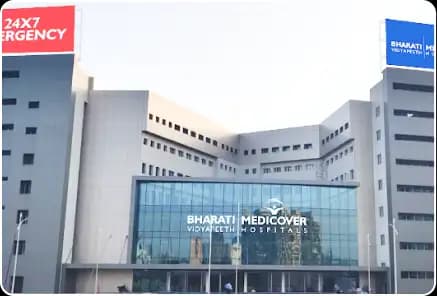
Medicover Hospitals – Best in Kharghar, Navi Mumbai
- Beds
- 320
Ophthalmology at Medicover Hospitals
Ophthalmology at Medicover Hospitals, Kharghar, Navi Mumbai, provides patients with access to evaluation and management of a wide range of eye and vision conditions. The department covers routine eye examinations as well as specialist care for conditions involving the lens, cornea, glaucoma, retina, ocular surface and other parts of the eye. Medicover's Navi Mumbai ophthalmology service lists cataract care, glaucoma management, retinal and diabetic eye care, corneal services, pediatric ophthalmology, refractive procedures and diagnostic evaluation among its areas of care.
Ophthalmology at Medicover Hospitals, Navi Mumbai
Ophthalmology focuses on the prevention, diagnosis and treatment of diseases and disorders affecting the eyes and vision. Patients may seek an ophthalmologist for something as common as blurred vision or a change in spectacle power, or for more complex concerns such as cataracts, glaucoma, retinal disease, corneal disorders or diabetic eye complications.
At Medicover Hospitals in Kharghar, Navi Mumbai, the Ophthalmology department is positioned to serve patients looking for local eye care, specialist evaluation and treatment. Medicover's published Navi Mumbai ophthalmology information describes services covering cataract surgery, glaucoma, retinal conditions, corneal problems, pediatric eye care, refractive procedures and diabetic eye disease.
The exact examination or treatment recommended depends on the patient's symptoms, age, medical history and diagnosis. An ophthalmologist may recommend observation, medicines, corrective lenses, procedures, surgery or regular monitoring depending on the underlying problem.
For patients searching for Ophthalmology in Navi Mumbai, this page can help explain the types of eye conditions commonly managed, diagnostic evaluations that may be considered, treatment categories and what to expect from a specialist consultation.
Ophthalmology Services and Areas of Care
Eye care is not limited to checking whether a person needs spectacles. Different eye conditions affect different structures and can require very different approaches.
Common areas within ophthalmology include:
- Comprehensive eye examinations: Assessment of vision and general eye health.
- Cataract care: Evaluation and surgical management when a cataract begins affecting daily activities.
- Glaucoma care: Assessment of eye pressure, optic nerve health and visual fields, followed by appropriate management.
- Retina and vitreous care: Evaluation of retinal disorders, including conditions associated with diabetes and ageing.
- Corneal and ocular-surface care: Management of corneal disorders, dry eye, allergies and other surface problems.
- Refractive eye care: Evaluation of myopia, hypermetropia and astigmatism, with suitability assessment for appropriate vision-correction procedures.
- Pediatric ophthalmology: Assessment of vision and eye conditions in children.
- Ocular emergencies: Prompt assessment of injuries, foreign bodies, sudden vision changes and other urgent eye complaints when emergency services are appropriate.
Medicover's published Navi Mumbai ophthalmology information also identifies pterygium, macular degeneration, ocular allergies, dry eye, retinal disorders and oculoplastic conditions among the conditions and areas addressed by its ophthalmology service.
Conditions Treated Under Ophthalmology
Cataract
A cataract is a clouding of the eye's natural lens that can gradually make vision blurred or hazy. Patients may notice difficulty reading, glare around lights, reduced night vision or frequent changes in spectacle requirements.
When a cataract significantly affects vision and everyday activities, an ophthalmologist may discuss cataract surgery. Medicover's Navi Mumbai department specifically lists phacoemulsification and small-incision cataract surgery among its cataract procedures.
Glaucoma
Glaucoma refers to a group of eye conditions that can damage the optic nerve and may lead to permanent vision loss. It can progress without obvious symptoms, which is why appropriate screening and ongoing monitoring are important for people at risk.
Evaluation may include intraocular pressure measurement, optic nerve assessment and visual-field testing. Treatment depends on the type and severity of glaucoma and may involve medicines, laser treatment or surgery.
Retinal and Diabetic Eye Disorders
The retina is the light-sensitive tissue at the back of the eye. Conditions affecting it can interfere with central or peripheral vision.
Diabetes and high blood pressure can affect retinal blood vessels. Diabetic retinopathy and hypertensive retinal changes may require periodic ophthalmic assessment, particularly when a person has a long-standing systemic condition.
Medicover's published ophthalmology information lists diabetic and hypertensive retinopathy, age-related macular degeneration and other retinal disorders among its areas of care.
Corneal and Ocular-Surface Conditions
The cornea is the transparent front surface of the eye and plays an important role in focusing light. Corneal disorders, pterygium, dry eye and ocular-surface problems can cause irritation, redness, blurred vision or discomfort.
Management depends on the underlying cause. Some conditions can be managed medically, while selected structural or corneal problems may require a procedure or surgery.
Refractive Errors
Myopia, hypermetropia and astigmatism are common refractive problems that affect how clearly the eye focuses light. They may be corrected using spectacles or contact lenses. Some adults may also be assessed for refractive procedures such as LASIK, PRK or SMILE when clinically appropriate.
Suitability for laser vision correction cannot be determined from a general description alone; an ophthalmologist needs to assess the eyes and relevant clinical factors first. Medicover's listed Navi Mumbai ophthalmologist, Dr Sai Mehta, has cataract, refractive and comprehensive ophthalmology listed among her areas of specialization.
Pediatric Eye Conditions
Children can develop refractive errors, squint, amblyopia and other eye conditions. Early assessment can be important because visual development occurs during childhood.
An ophthalmologist may recommend age-appropriate vision testing and further evaluation when a child has difficulty seeing, abnormal eye alignment, frequent eye rubbing or other concerns.
Ophthalmology Treatments and Procedures
Treatment in ophthalmology varies considerably according to the diagnosis. Depending on clinical findings, treatment may include:
- Prescription spectacles or contact lenses
- Medical treatment for selected eye conditions
- Cataract surgery, including phacoemulsification or other suitable techniques
- Glaucoma medicines, laser procedures or surgery when indicated
- Treatment and monitoring of retinal disorders
- Intravitreal or therapeutic eye injections for selected retinal conditions
- Pterygium procedures
- Corneal procedures for appropriate disorders
- Refractive procedures such as LASIK, PRK or SMILE for suitable candidates
- Management of dry eye and ocular-surface disease
- Pediatric eye care and vision correction
- Emergency management of eye injuries and foreign bodies
Medicover's Navi Mumbai ophthalmology page lists cataract surgery, LASIK and refractive surgery, corneal treatment, therapeutic eye injections, glaucoma treatment and diabetic eye care among its published services.
Not every procedure is appropriate for every patient. The choice depends on factors such as the condition, severity, age, previous treatment, general health and findings from the eye examination.
Ophthalmology Diagnostic and Evaluation Services
Accurate diagnosis is an important part of eye care because similar symptoms can have very different causes.
Depending on the patient's concern, an ophthalmologist may perform or recommend:
- Visual acuity testing
- Refraction testing
- Slit-lamp examination
- Tonometry to assess intraocular pressure
- Dilated eye examination
- Fundus examination or fundus photography
- Optical Coherence Tomography (OCT)
- Visual-field or perimetry testing
- Corneal topography
- Corneal thickness assessment or pachymetry
- A-scan or B-scan ultrasonography
- Dry-eye assessments such as Schirmer's test
These tests are selected according to the patient's symptoms and clinical requirements rather than being necessary for every consultation. Medicover's published ophthalmology information lists these types of examinations and diagnostic evaluations for its ophthalmology services.
When Should You See an Ophthalmology Specialist?
An eye examination can be appropriate when you notice a persistent or significant change in your vision or eye comfort.
Consider seeking professional evaluation for symptoms such as:
- Blurred or reduced vision
- Difficulty seeing at night
- Persistent eye redness or irritation
- Eye pain
- Increased sensitivity to light
- Frequent watering or dryness
- Recurrent headaches associated with visual difficulty
- New or increasing floaters
- Distorted vision
- Difficulty reading or focusing
- Sudden changes in vision
- Eye injury or a foreign body in the eye
Sudden vision loss, severe eye pain, significant eye trauma or other rapidly developing visual symptoms can require urgent medical attention.
People with diabetes, high blood pressure, a family history of glaucoma or other known eye conditions may also need periodic eye examinations even when symptoms are limited. The appropriate screening schedule should be discussed with a qualified healthcare professional.
What to Expect During an Ophthalmology Consultation
A first appointment generally begins with a discussion of your symptoms and medical history. Tell the specialist when the problem began, whether it affects one or both eyes and whether it is changing over time.
The consultation may include:
1. Medical and eye history
The doctor may ask about previous eye problems, surgeries, spectacles, contact lenses, medicines and relevant medical conditions such as diabetes or hypertension.
2. Vision assessment
Visual acuity and refraction may be performed to understand how clearly you see and whether a refractive error contributes to your symptoms.
3. Eye examination
Depending on the concern, the ophthalmologist may examine the front and back of the eye, assess eye pressure and evaluate the optic nerve or retina.
4. Additional diagnostic tests
If required, tests such as OCT, visual-field testing, corneal assessment or retinal imaging may be recommended.
5. Treatment discussion
The specialist can explain the diagnosis, available management options, expected follow-up and potential risks or limitations of different treatments.
6. Follow-up planning
Some conditions require a single assessment, while others—including glaucoma and several retinal disorders—may require periodic monitoring.
Why Choose Ophthalmology Care at Medicover Hospitals?
When selecting an Ophthalmology hospital in Navi Mumbai, patients generally benefit from looking beyond a single procedure or advertisement. Important considerations include the availability of appropriate diagnostic assessment, specialist expertise, treatment options, surgical support where needed and continuity of follow-up care.
Medicover Hospitals' Navi Mumbai ophthalmology information describes a dedicated ophthalmology service in Kharghar covering cataract, glaucoma, retinal, corneal, pediatric and refractive eye care. Its published diagnostic information includes tests such as OCT, fundus assessment, visual-field testing, slit-lamp examination and tonometry.
The hospital's Navi Mumbai location is listed at Sector 10, Kharghar, Navi Mumbai, Maharashtra 410210.
Patients should still confirm the availability of a particular procedure, specialist and appointment slot before planning treatment, as services and clinical schedules can change.
Ophthalmology Doctors and Specialists
An ophthalmologist is a medical doctor trained to diagnose and manage diseases of the eye and visual system. Depending on their training and clinical focus, ophthalmologists may have experience in areas such as cataract surgery, refractive care, glaucoma, cornea, retina, pediatric ophthalmology or comprehensive eye care.
Medicover's current Navi Mumbai ophthalmology doctor listing identifies Dr Sai Mehta, Consultant Ophthalmologist, with cataract, refractive and comprehensive ophthalmology listed as areas of specialization. Her published profile lists the Navi Mumbai practice location as Medicover Hospital, Kharghar.
Patients should select a specialist according to their specific clinical requirement and confirm the doctor's current availability and area of practice before booking.
Ophthalmology Care in Navi Mumbai
For residents searching for Ophthalmology in Navi Mumbai, choosing a hospital close enough for consultation and follow-up can be particularly useful for conditions requiring repeated monitoring.
Medicover Hospitals is located in Kharghar, making the department locally relevant to patients in Navi Mumbai who are looking for an eye specialist, eye examination, cataract assessment, glaucoma evaluation or other ophthalmology services.
Kharghar is also relevant for patients who may need more than one appointment—for example, individuals undergoing pre-operative assessment, post-operative review or regular monitoring for chronic eye conditions.
Patients travelling from other parts of Navi Mumbai should consider travel time, appointment availability and the expected frequency of follow-up visits when selecting an ophthalmology provider.
How to Choose the Right Ophthalmology Hospital or Specialist
When comparing an eye hospital in Navi Mumbai or looking for an ophthalmologist, consider:
- Relevant specialist experience: Look for experience appropriate to your particular eye condition rather than relying only on general years of practice.
- Diagnostic evaluation: Ask whether the hospital can provide the examinations required for your condition.
- Treatment choices: Different eye conditions may have several treatment pathways. Ask the specialist to explain suitable options.
- Surgical requirements: If surgery is being considered, discuss the procedure, preparation, recovery and follow-up.
- Continuity of care: Chronic conditions such as glaucoma or retinal disease can require long-term monitoring.
- Multidisciplinary support: Patients with diabetes, hypertension or other systemic conditions may benefit from coordinated medical care.
- Emergency access: If you have a history of eye trauma or another condition that may require urgent assessment, understand how emergency care is handled.
- Communication: Choose a specialist who explains the diagnosis and treatment options clearly and gives you an opportunity to ask questions.
- Accessibility: Consider location, appointment timings and the practical requirements of follow-up visits.
A hospital should be selected based on the patient's individual clinical needs rather than a generic claim of being the "best" provider.
Frequently Asked Questions About Ophthalmology
1. What does an ophthalmologist treat?
An ophthalmologist can diagnose and manage a broad range of eye conditions, including cataracts, glaucoma, refractive errors, retinal disorders, corneal conditions, dry eye and pediatric eye problems. Treatment may be medical, corrective, procedural or surgical depending on the diagnosis.
2. When should I see an ophthalmologist in Navi Mumbai?
You should consider an eye consultation for persistent blurred vision, eye pain, redness, sensitivity to light, difficulty seeing at night, new floaters, recurring eye discomfort or other changes in vision. Sudden vision loss or significant eye trauma requires prompt medical attention.
3. Does Medicover Hospitals in Kharghar provide cataract care?
Medicover's published Navi Mumbai ophthalmology information lists cataract surgery, including phacoemulsification and SICS, among its ophthalmology services. Whether a particular technique is appropriate depends on the patient's eye examination and clinical assessment.
4. What tests may be performed during an eye check-up?
Depending on the reason for the visit, an eye examination may include visual acuity, refraction, slit-lamp examination, tonometry, fundus evaluation, OCT, visual-field testing or corneal assessment. The specialist decides which tests are clinically appropriate.
5. Can ophthalmologists treat diabetic eye problems?
Yes. Ophthalmologists evaluate and manage eye complications associated with diabetes, including diabetic retinopathy. Regular eye assessment can help identify retinal changes that may not produce noticeable symptoms in the early stages.
6. Is glaucoma treatable?
Glaucoma can often be managed to reduce the risk of further optic-nerve damage, but treatment depends on the type and severity of the disease. Management may involve medicines, laser treatment or surgery. Regular follow-up is important because glaucoma can progress with few symptoms.
7. Are LASIK and other vision-correction procedures suitable for everyone?
No. Refractive procedures such as LASIK, PRK or SMILE require an individual assessment. Factors including corneal health, prescription stability, eye health and other clinical findings influence whether a procedure is appropriate.
8. What should I bring to an ophthalmology appointment?
Bring previous eye reports, prescriptions, scan results and details of medicines you currently use. If you wear spectacles or contact lenses, it can also be useful to bring your current prescription information. Mention relevant medical conditions such as diabetes or hypertension.
9. How do I choose an ophthalmology specialist in Navi Mumbai?
Consider the specialist's relevant area of practice, diagnostic resources, treatment options, follow-up arrangements and accessibility. For a specific procedure, ask whether the doctor regularly manages that particular condition and discuss the available treatment options during consultation.
10. How can I book an ophthalmology consultation at Medicover Hospitals?
Patients can use Medicover Hospitals' appointment system or contact the hospital to confirm current ophthalmology availability. Medicover's Navi Mumbai hospital page lists the Kharghar location and appointment facilities.
Best Ophthalmology Doctors at Medicover Hospitals, Kharghar
Consult with our highly experienced experts at Medicover Hospitals.
 Ophthalmology
Dr Sai Mehta
Ophthalmology Treatments
Cataract Surgery
Advanced treatment available at Medicover Hospitals.
Lasik / Laser Vision Correction
Advanced treatment available at Medicover Hospitals.
Glaucoma Treatment
Advanced treatment available at Medicover Hospitals.
Retinal Detachment Surgery
Advanced treatment available at Medicover Hospitals.
Diabetic Retinopathy Treatment
Advanced treatment available at Medicover Hospitals.
Corneal Transplantation
Advanced treatment available at Medicover Hospitals.
Vitrectomy Surgery
Advanced treatment available at Medicover Hospitals.
Squint (strabismus) Treatment
Advanced treatment available at Medicover Hospitals.
Macular Degeneration Treatment
Advanced treatment available at Medicover Hospitals.
Oculoplastic & Lacrimal Surgery
Advanced treatment available at Medicover Hospitals.
Frequently Asked Questions About Ophthalmology
What types of ophthalmology procedures are performed at Medicover Hospitals?
We perform a wide range of ophthalmology procedures, from routine diagnostics to complex surgeries, using the latest medical technologies.
How can I book an appointment for Ophthalmology at Medicover Hospitals?
You can book an appointment through the Siris Healthcare platform by clicking the "Get Free Estimate" button or contacting our 24/7 helpline.
Other Medical Specialties at Medicover Hospitals Kharghar
Get Expert Ophthalmology Care at Medicover Hospitals, Kharghar
Schedule a consultation with our top specialists and get a personalized treatment plan with a free cost estimate.
Top Specialities at Medicover Hospitals Kharghar
- Cardiology Department
- Critical care Department
- cardiothoracic Department
- Emergency medicine Department
- Oncology Department
- Orthopaedics Department
- Neurology Department
- Nephrology Department
- Neurosurgery Department
- Urology Department
- Gastroenterology Department
- Hepatology Department
- Gynaecology Department
- General Surgery Department
- General Medicine Department
- obstetrics Department
- Pediatrics Department
- Pulmonology Department
- ENT Department
- Endocrinology Department
- Ophthalmology Department
- Dermatology Department
- Diabetology Department
- Anesthesiology Department
- Radiology Department
- Rheumatology Department
- Physiotherapy Department
- Dentistry Department
- Pathology Department
- Radiology Department
- Preventive Medicine Department
- Vascular Surgery Department