
Emergency Medicine at Medicover Hospitals, Kharghar, Navi Mumbai
Explore Emergency Medicine services, treatments, diagnostic care and related doctors at Medicover Hospitals.
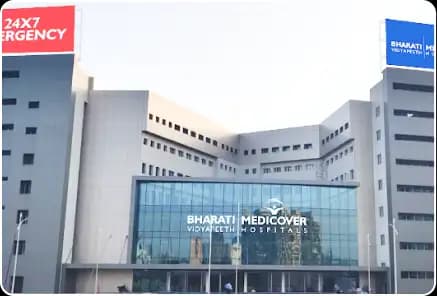
Medicover Hospitals – Best in Kharghar, Navi Mumbai
- Beds
- 320
Emergency Medicine at Medicover Hospitals
Emergency Medicine at Medicover Hospitals in Kharghar, Navi Mumbai focuses on the rapid assessment and management of urgent and potentially life-threatening medical conditions. This page helps patients and families understand the role of emergency specialists, the types of conditions commonly evaluated, diagnostic approaches, treatment pathways and what to expect when seeking urgent hospital care. Emergency Medicine may be required for sudden chest pain, breathing difficulty, severe injuries, uncontrolled bleeding, loss of consciousness, seizures, stroke-like symptoms, serious infections and other rapidly developing conditions. Patients can also learn how emergency physicians coordinate with other specialists when further treatment or monitoring is required. For any suspected medical emergency, immediate professional medical attention should be sought rather than delaying care for online information.
Emergency Medicine at Medicover Hospitals, Navi Mumbai
Emergency Medicine is the hospital-based specialty focused on the immediate assessment, stabilization and treatment of patients with sudden illness or injury. Unlike routine consultations, emergency care begins with identifying the most urgent threats to a patient's health and determining what needs to happen first.
For patients searching for Emergency Medicine in Navi Mumbai, the emergency department at Medicover Hospitals, Kharghar, represents the hospital's dedicated specialty setting for urgent medical evaluation and treatment. The clinical approach may involve emergency physicians, nurses, diagnostic teams and other specialists depending on the patient's condition.
Emergency presentations can range from relatively minor injuries to complex, life-threatening situations. The priority is to assess the patient's condition promptly, identify warning signs, provide appropriate initial treatment and determine whether observation, admission, specialist intervention or further critical care is required.
Treatment is always based on the underlying condition, clinical findings and individual health needs.
Emergency Medicine Services and Areas of Care
Emergency Medicine covers a broad range of urgent medical problems. The emergency team may evaluate patients presenting with:
- Sudden chest pain or pressure
- Difficulty breathing or severe shortness of breath
- Severe abdominal pain
- Serious infections or high fever with concerning symptoms
- Sudden weakness, confusion or speech difficulties
- Seizures or loss of consciousness
- Severe allergic reactions
- Uncontrolled bleeding
- Accidental injuries and trauma
- Head injuries
- Fractures and dislocations
- Burns and other acute injuries
- Poisoning or suspected overdose
- Sudden severe headaches
- Acute complications of existing medical conditions
Emergency care may also involve stabilizing a patient before transferring them to another department or arranging specialist management.
In complex cases, Emergency Medicine specialists may coordinate with departments such as Cardiology, Neurology, General Medicine, Orthopedics, Surgery, Critical Care or other relevant specialties.
Conditions Treated Under Emergency Medicine
Cardiac and Circulatory Emergencies
Chest pain, suspected heart attack, severe blood-pressure-related symptoms, fainting and certain abnormal heart rhythms may require urgent assessment. Emergency evaluation generally focuses on rapidly identifying potentially serious cardiac causes and starting appropriate initial management.
Neurological Emergencies
Sudden facial weakness, difficulty speaking, one-sided weakness, seizures, altered consciousness and severe sudden headaches can require immediate medical attention. Emergency physicians assess neurological symptoms and determine whether urgent imaging, specialist review or further treatment is necessary.
Breathing and Respiratory Emergencies
Severe breathing difficulty can occur because of asthma, respiratory infections, allergic reactions, lung conditions or other acute problems. Emergency assessment helps determine the severity of the condition and the level of respiratory support or specialist care required.
Trauma and Accident-Related Injuries
Emergency Medicine commonly deals with injuries resulting from road accidents, falls, workplace incidents, sports injuries and other trauma. Initial care may include assessment of bleeding, fractures, head injuries, abdominal injuries and other potentially serious problems.
Acute Infections
Some infections can progress rapidly and require hospital-based assessment. Emergency evaluation may be appropriate when infection is associated with severe weakness, breathing difficulty, confusion, persistent vomiting, dehydration, low blood pressure or other concerning symptoms.
Poisoning and Other Acute Exposures
Suspected poisoning, medication overdose or harmful chemical exposure should be treated as potentially serious situations. Emergency teams may assess the substance involved, timing of exposure, symptoms and vital signs before determining appropriate supportive or specialist treatment.
Emergency Medicine Treatments and Procedures
Emergency treatment depends on the patient's presentation and the severity of the condition. The initial objective is often stabilization followed by diagnosis and definitive management.
Depending on the clinical situation, emergency treatment may include:
- Initial stabilization and monitoring
- Management of acute pain
- Treatment of breathing difficulties
- Control of bleeding
- Wound care and injury management
- Immobilization of suspected fractures
- Emergency medication administration
- Intravenous fluids when clinically appropriate
- Management of acute infections
- Initial treatment for allergic reactions
- Resuscitation in life-threatening situations
- Emergency airway management when required
- Coordination with surgical or medical specialists
- Referral or admission for continued monitoring and treatment
Some emergency cases require procedures or interventions from another specialty. For example, a patient with a serious fracture may require Orthopedic evaluation, while a patient with suspected cardiac disease may need urgent Cardiology assessment.
Not every procedure is appropriate for every patient. The treating medical team determines the necessary intervention after clinical evaluation.
Emergency Medicine Diagnostic and Evaluation Services
Accurate emergency care depends on rapid clinical assessment as well as appropriate diagnostic testing.
The evaluation may include:
- Medical history and symptom assessment
- Measurement of vital signs
- Physical examination
- Blood and urine investigations
- Blood glucose testing
- Electrocardiogram (ECG)
- Medical imaging when clinically indicated
- X-rays for suspected injuries
- CT or MRI evaluation when appropriate
- Ultrasound-based assessment in selected situations
- Other laboratory or specialist investigations
The exact tests depend on the symptoms and suspected condition. Emergency physicians generally prioritize investigations that can help identify or exclude serious causes without unnecessarily delaying treatment.
For example, a patient with chest pain may require cardiac assessment, while someone with a significant injury may need imaging to determine the extent of trauma.
When Should You See an Emergency Medicine Specialist?
Emergency Medicine is intended for situations that require urgent assessment rather than routine appointment-based care.
Immediate medical attention may be appropriate for symptoms such as:
- Severe or unexplained chest pain
- Major difficulty breathing
- Sudden loss of consciousness
- New seizure activity
- Signs of stroke such as sudden facial drooping, weakness or difficulty speaking
- Severe bleeding that does not stop
- Major injuries or accidents
- Serious head injury
- Severe allergic reaction
- Sudden severe abdominal pain
- Suspected poisoning or overdose
- Serious burns
- Rapid deterioration in an existing medical condition
These symptoms can have different causes, and online information cannot determine the severity of an individual situation. If a person appears seriously ill or injured, emergency medical services should be contacted or the person should be taken to an appropriate emergency facility without unnecessary delay.
What to Expect During an Emergency Medicine Consultation
Emergency care is different from a scheduled outpatient consultation because patients are generally assessed according to clinical urgency.
A typical emergency journey may include:
1. Initial assessment:
The care team reviews the patient's symptoms, vital signs and immediate concerns.
2. Medical history:
Information about existing diseases, medications, allergies, previous procedures and the current symptoms may be collected.
3. Physical examination:
The emergency physician examines the patient based on the presenting problem.
4. Diagnostic evaluation:
Laboratory tests, ECG, imaging or other investigations may be requested when medically appropriate.
5. Immediate treatment:
Treatment may begin while investigations are underway if the patient's condition requires urgent intervention.
6. Specialist coordination:
If another specialty is required, the emergency team may coordinate further evaluation.
7. Disposition and follow-up:
Depending on the patient's condition, the person may be discharged with appropriate advice, kept under observation, admitted to the hospital or transferred for higher-level care.
Why Choose Emergency Medicine Care at Medicover Hospitals?
When selecting an Emergency Medicine hospital in Navi Mumbai, patients should consider whether the facility can provide appropriate urgent assessment and coordinate care when a condition requires additional specialist involvement.
For this page, Medicover Hospitals in Kharghar is the partner hospital represented for Emergency Medicine care through Siris Healthcare. Patients should confirm current emergency services, specialist availability and any specific facility or service requirements directly with the hospital before visiting when the situation is not immediately life-threatening.
Important factors when evaluating emergency care include:
- Availability of trained emergency medical professionals
- Appropriate monitoring and stabilization facilities
- Access to diagnostic evaluation
- Coordination with relevant medical and surgical specialties
- Critical care support when required
- Clear communication with patients and families
- Appropriate discharge and follow-up planning
- Accessibility for patients in Navi Mumbai
In an actual emergency, the priority should always be obtaining timely medical attention rather than comparing hospitals online.
Emergency Medicine Doctors and Specialists
Emergency Medicine doctors, also called emergency physicians, are trained to evaluate and manage patients with acute illnesses and injuries. Their work involves recognizing potentially dangerous conditions, beginning appropriate treatment and deciding what level of care the patient requires.
An Emergency Medicine specialist may manage a wide variety of presentations rather than focusing on one organ system. This broad clinical approach is particularly important when a patient arrives with unclear symptoms or multiple medical problems.
At Medicover Hospitals in Navi Mumbai, patients looking for an Emergency Medicine specialist in Navi Mumbai can check the current doctor roster and consultation or emergency-care arrangements before visiting.
When choosing a specialist for non-emergency follow-up, patients may consider qualifications, relevant clinical experience, the type of condition being treated, communication style and availability.
Emergency Medicine Care in Navi Mumbai
For people searching for Emergency Medicine in Navi Mumbai, location can be especially important because urgent medical conditions may require prompt access to hospital care.
Medicover Hospitals is located in Kharghar, Navi Mumbai, making the locality relevant for patients looking for emergency medical services in and around the area. Patients should plan their route in advance where possible and keep emergency contact information readily available.
For a suspected life-threatening emergency, patients should not delay care because of travel planning or online research. Contacting appropriate emergency medical services or reaching the nearest suitable emergency facility should take priority.
For non-emergency concerns, patients can contact the hospital or Siris Healthcare to understand current appointment availability, specialist schedules and the appropriate care pathway.
How to Choose the Right Emergency Medicine Hospital or Specialist
Choosing emergency care is different from selecting a routine specialist. In an urgent situation, immediate access and the ability to assess and stabilize the patient are key considerations.
For planned or non-immediate evaluation, patients may consider:
Emergency and critical care support
Ask whether the hospital can manage the type of emergency involved and provide escalation of care when necessary.
Diagnostic capabilities
Appropriate laboratory testing, ECG and imaging can be important for evaluating many emergency presentations.
Specialist coordination
Complex emergencies may require collaboration between Emergency Medicine and specialties such as Cardiology, Neurology, Surgery, Orthopedics or Critical Care.
Doctor qualifications
For non-emergency consultations, review the specialist's qualifications, clinical focus and relevant experience.
Communication and follow-up
Good emergency care should include understandable communication about the patient's condition, treatment and next steps.
Accessibility
For urgent conditions, practical access to the hospital can be an important consideration, particularly for families living or working in Navi Mumbai.
Patients should select healthcare services based on their individual medical requirements and professional clinical advice.
Frequently Asked Questions About Emergency Medicine
1. What does an Emergency Medicine specialist treat?
An Emergency Medicine specialist evaluates and treats acute illnesses and injuries that require urgent medical attention. These may include trauma, chest pain, breathing difficulties, seizures, severe infections, allergic reactions, poisoning and other emergency conditions.
2. When should I go to an Emergency Medicine department?
You should seek emergency medical attention for potentially serious symptoms such as severe chest pain, major breathing difficulty, loss of consciousness, stroke-like symptoms, uncontrolled bleeding, serious injury, seizures or suspected poisoning. When in doubt about a potentially life-threatening condition, seek immediate professional medical help.
3. Is Emergency Medicine the same as General Medicine?
No. General Medicine commonly focuses on the diagnosis and ongoing management of adult medical conditions, while Emergency Medicine focuses on the immediate evaluation and treatment of acute illness and injury.
4. What happens when I arrive at an emergency department?
The healthcare team generally assesses your symptoms and vital signs first, followed by a focused medical history, examination and appropriate diagnostic tests. Treatment may begin immediately if your condition requires urgent intervention.
5. What tests may be performed during emergency care?
Depending on the symptoms, emergency evaluation may include blood tests, urine tests, ECG, X-rays, CT scans, ultrasound or other investigations. The treating team decides which tests are clinically appropriate.
6. Can an Emergency Medicine doctor coordinate with other specialists?
Yes. Emergency cases may require input from other specialties. Depending on the patient's condition, the emergency team may coordinate with Cardiology, Neurology, Surgery, Orthopedics, Critical Care or another relevant department.
7. How do I find an Emergency Medicine hospital in Navi Mumbai?
When comparing emergency facilities in Navi Mumbai, consider location, emergency availability, diagnostic support, specialist coordination and the hospital's ability to manage the type of condition involved. For an active medical emergency, seek immediate care rather than delaying treatment to compare facilities.
8. Can I book an Emergency Medicine consultation at Medicover Hospitals?
For non-emergency concerns, patients can check current Emergency Medicine doctor availability and consultation arrangements at Medicover Hospitals in Kharghar through the hospital or Siris Healthcare. A suspected medical emergency should be evaluated immediately rather than waiting for a routine appointment.
9. What should I bring to the hospital during an emergency?
If it can be done without delaying emergency care, bring identification, current medication details, known allergy information, previous medical records and relevant diagnostic reports. In a serious emergency, obtaining medical attention should always take priority over collecting documents.
Best Emergency Medicine Doctors at Medicover Hospitals, Kharghar
Consult with our highly experienced experts at Medicover Hospitals.
 Emergency medicine
Dr Sajal Rajkumar Mahajan
Emergency Medicine Treatments
Trauma & Accident Emergency Care
Advanced treatment available at Medicover Hospitals.
Heart Attack & Acute Cardiac Emergency Care
Advanced treatment available at Medicover Hospitals.
Stroke & Neurological Emergency Management
Advanced treatment available at Medicover Hospitals.
Respiratory Emergency Treatment
Advanced treatment available at Medicover Hospitals.
Sepsis & Severe Infection Management
Advanced treatment available at Medicover Hospitals.
Poisoning & Drug Overdose Treatment
Advanced treatment available at Medicover Hospitals.
Snakebite & Animal-Bite Management
Advanced treatment available at Medicover Hospitals.
Shock & Severe Bleeding Management
Advanced treatment available at Medicover Hospitals.
Burn & Acute Wound Management
Advanced treatment available at Medicover Hospitals.
Emergency Surgical & Critical Care Procedures
Advanced treatment available at Medicover Hospitals.
Emergency Toothache Relief Package
Advanced treatment available at Medicover Hospitals.
Frequently Asked Questions About Emergency Medicine
What types of emergency medicine procedures are performed at Medicover Hospitals?
We perform a wide range of emergency medicine procedures, from routine diagnostics to complex surgeries, using the latest medical technologies.
How can I book an appointment for Emergency Medicine at Medicover Hospitals?
You can book an appointment through the Siris Healthcare platform by clicking the "Get Free Estimate" button or contacting our 24/7 helpline.
Other Medical Specialties at Medicover Hospitals Kharghar
Get Expert Emergency Medicine Care at Medicover Hospitals, Kharghar
Schedule a consultation with our top specialists and get a personalized treatment plan with a free cost estimate.
Top Specialities at Medicover Hospitals Kharghar
- Cardiology Department
- Critical care Department
- cardiothoracic Department
- Emergency medicine Department
- Oncology Department
- Orthopaedics Department
- Neurology Department
- Nephrology Department
- Neurosurgery Department
- Urology Department
- Gastroenterology Department
- Hepatology Department
- Gynaecology Department
- General Surgery Department
- General Medicine Department
- obstetrics Department
- Pediatrics Department
- Pulmonology Department
- ENT Department
- Endocrinology Department
- Ophthalmology Department
- Dermatology Department
- Diabetology Department
- Anesthesiology Department
- Radiology Department
- Rheumatology Department
- Physiotherapy Department
- Dentistry Department
- Pathology Department
- Radiology Department
- Preventive Medicine Department
- Vascular Surgery Department