
Pathology at Medicover Hospital, Gunjalwadi, Sangamner
Explore Pathology services, treatments, diagnostic care and related doctors at Medicover Hospital.
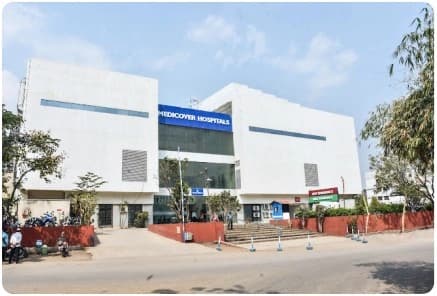
Medicover Hospital – Best in Gunjalwadi, Sangamner
- Beds
- 220
Pathology at Medicover Hospital
Pathology plays an important role in modern healthcare by helping doctors identify, confirm and monitor a wide range of medical conditions through laboratory examination of blood, urine, tissue and other clinical samples. At Medicover Hospital in Sangamner, Maharashtra, the pathology department supports clinical care through diagnostic testing including hematology, clinical pathology, cytology, histopathology and microbiology. The department's published services also include specialised investigations such as FNAC, biopsy evaluation, molecular diagnostics and immunohistochemistry. Patients searching for pathology in Sangamner can use this page to understand available areas of diagnostic care, commonly evaluated conditions, laboratory procedures and what to expect during testing. Specific tests and services depend on the patient's clinical requirements and the hospital's available facilities.
Pathology at Medicover Hospital, Sangamner
Pathology is the medical specialty that examines blood, body fluids, cells and tissue samples to help identify disease and provide information that supports treatment decisions. A pathology report may help a physician confirm a suspected condition, monitor an existing disease, evaluate treatment response or investigate an unexplained health problem.
At Medicover Hospital, Sangamner, the pathology department provides diagnostic support across several areas, including cytology, histopathology, microbiology, routine hematology and routine clinical pathology. The hospital's published pathology information also describes specialised divisions and investigations involving hematology, immunology, cytogenetics and molecular diagnostics.
For patients searching for a pathology hospital in Sangamner, the department can be relevant when a doctor recommends blood testing, urine testing, tissue examination, cytology, biopsy analysis or another laboratory investigation. Pathology is also an important part of preventive health screening and the ongoing monitoring of chronic conditions.
The purpose of pathology testing is not simply to generate a laboratory report. Results need to be interpreted in the context of symptoms, medical history, examination findings and other investigations. Treatment decisions should therefore be discussed with the doctor managing the patient's condition.
Pathology Services and Areas of Care
Pathology covers several diagnostic disciplines. The appropriate test depends on what a doctor is investigating and what information is required.
Hematology
Hematology focuses on blood cells, blood-forming tissues and disorders affecting the blood and clotting system. Common laboratory evaluations include complete blood counts and other investigations used to assess conditions such as anemia, abnormal blood cell counts and clotting abnormalities.
Clinical Pathology
Routine clinical pathology may involve examination of urine, stool and other specimens. These tests can contribute to the evaluation of infections, kidney and urinary problems, metabolic disorders and other health concerns.
Histopathology
Histopathology involves examining tissue under a microscope. Tissue may be obtained through a biopsy or surgical procedure and submitted for laboratory assessment. Histopathology can help determine the nature of abnormal tissue and is particularly important when evaluating suspected tumors and other structural abnormalities.
Cytology
Cytology examines individual cells or groups of cells to identify abnormal changes. Fine Needle Aspiration Cytology (FNAC) and other cytological examinations may be used when a clinician needs information about a lump, swelling or other abnormal area.
Microbiology
Microbiology testing helps identify infectious organisms such as bacteria, viruses, fungi and parasites. Depending on the suspected infection, laboratory testing may involve examination or analysis of appropriate clinical specimens.
Specialised Diagnostic Testing
Depending on the clinical requirement and laboratory availability, pathology may also involve immunological, molecular, cytogenetic and other specialised investigations. These tests can provide additional information when routine testing is not sufficient.
Conditions Evaluated Through Pathology
Pathology does not treat diseases in the same way as a surgical or medical specialty. Instead, laboratory findings can help clinicians detect, confirm, classify and monitor many different conditions.
Infections
Laboratory testing can assist in evaluating infectious diseases such as dengue, malaria, typhoid, hepatitis and other infections. The exact tests required depend on symptoms, exposure history and the doctor's clinical assessment.
Blood Disorders
Pathology investigations are important in the evaluation of anemia, abnormal blood counts, clotting disorders and certain blood cancers. Hematology testing can provide information about blood cells and other laboratory markers that help doctors determine the next step in evaluation.
Diabetes and Metabolic Conditions
Blood glucose, HbA1c and other laboratory investigations may be used to diagnose or monitor diabetes and related metabolic concerns. Liver and kidney function testing can also help doctors assess organ function and monitor patients with established medical conditions.
Thyroid and Hormonal Disorders
Laboratory evaluation of thyroid-related markers and selected hormone levels may form part of the assessment of suspected endocrine disorders. The tests ordered depend on the patient's symptoms and clinical history.
Autoimmune and Inflammatory Conditions
Certain blood-based laboratory investigations can support the evaluation of autoimmune and inflammatory disorders. Results generally need to be interpreted alongside symptoms and other clinical findings rather than in isolation.
Cancer and Tumor-Related Conditions
Pathology is central to the diagnosis and classification of many cancers. Biopsy examination, histopathology, cytology, immunohistochemistry and selected molecular tests may provide information about abnormal or malignant tissue. Medicover's published Sangamner pathology services include biopsy analysis, oncopathology evaluation, immunohistochemistry and molecular diagnostic testing.
Pathology Treatments and Procedures
Pathology is primarily a diagnostic specialty, so the department's procedures generally involve collecting and examining clinical specimens rather than treating the underlying disease.
Depending on the clinical requirement, relevant procedures may include:
- Fine Needle Aspiration Cytology (FNAC)
- Pap smear and cervical cancer screening
- Tissue biopsy examination
- Bone marrow biopsy and examination
- Fluid cytology
- Histopathology
- Cytology
- Immunohistochemistry
- Frozen-section examination during surgery
- Tumor grading and oncopathology evaluation
- Molecular diagnostic testing
Medicover Hospital's published pathology page for Sangamner specifically lists these procedures and diagnostic services. Availability of an individual procedure should be confirmed with the hospital because testing depends on the clinical situation and laboratory services available at the time.
Pathology Diagnostic and Evaluation Services
Laboratory diagnostics may begin with routine tests and progress to specialised investigations when clinically indicated.
Common pathology investigations can include:
- Complete Blood Count (CBC)
- Blood glucose testing
- HbA1c
- Liver Function Tests (LFT)
- Kidney Function Tests (KFT)
- Lipid profile
- Thyroid tests such as T3, T4 and TSH
- Urine microscopy
- Stool routine examination
- Infection-related laboratory testing
- Biopsy and tissue analysis
- Cytology
- Histopathology
- Hematology investigations
- Immunological testing
- Molecular pathology
- Genetic and cytogenetic investigations
Medicover's Sangamner pathology information lists routine blood and urine testing, diabetes and thyroid investigations, infection panels, biopsy review, cancer-related testing, autoimmune and hormonal investigations, molecular pathology and genetics testing among its diagnostic offerings.
The right test is determined by the patient's symptoms, medical history and the doctor's clinical question. A larger number of tests does not necessarily mean better diagnosis; appropriate testing is more important than unnecessary testing.
When Should You See a Pathology Specialist?
Pathologists generally work behind the scenes rather than functioning as the first point of contact for every symptom. In many cases, another doctor identifies the need for laboratory testing and requests the appropriate investigation.
A pathology evaluation may be relevant when:
- A doctor recommends blood, urine or other laboratory tests.
- A biopsy or tissue sample needs microscopic examination.
- A lump or swelling requires cytological evaluation.
- Abnormal blood counts need further investigation.
- An infection requires laboratory confirmation.
- A chronic disease needs laboratory monitoring.
- A screening test indicates an abnormal finding requiring further evaluation.
- A cancer diagnosis or classification requires tissue-based testing.
- An existing pathology report needs specialist review or a second opinion.
Patients should not interpret an abnormal laboratory value on their own. Reference ranges vary between tests and laboratories, and an abnormal result does not automatically establish a diagnosis.
What to Expect During a Pathology Consultation or Test
The process depends on the type of investigation being performed.
1. Review of the Clinical Requirement
The laboratory team or treating doctor may review the requested investigation, symptoms, medical history and relevant previous reports.
2. Sample Collection
Depending on the test, the specimen may be blood, urine, stool, a swab, body fluid, cells or tissue. Some specialised procedures, such as FNAC or biopsy, involve collecting material from a specific area of the body.
3. Laboratory Examination
The sample is processed using the appropriate laboratory method. Depending on the investigation, this may involve microscopy, automated analysis, culture-based testing, chemical analysis, immunohistochemistry or molecular techniques.
4. Report Preparation
The findings are documented in a pathology or laboratory report. Some routine investigations may be processed relatively quickly, while specialised tests can require additional processing time.
5. Clinical Interpretation
The treating doctor reviews the result alongside symptoms, examination findings and other investigations. Further testing may sometimes be recommended if the result requires clarification.
Patients should follow any preparation instructions provided before testing. For example, some blood tests may require fasting, while other procedures may involve different preparation requirements.
Why Choose Pathology Care at Medicover Hospital?
When selecting pathology services, patients should consider laboratory quality processes, the range of diagnostic investigations available, appropriate specialist interpretation, reporting processes and coordination with the treating medical team.
Medicover Hospital's published Sangamner pathology information describes diagnostic services covering blood, tissue, urine and other clinical samples, along with cytology, histopathology, microbiology, hematology and specialised investigations. The hospital also states that its pathology team supports multiple medical specialties and uses automated laboratory systems and digital pathology-related technology.
The hospital's Sangamner page lists the facility at A/P, Gunjalwadi Road, Tal, Sangamner, Maharashtra 422605, and describes round-the-clock diagnostic and radiology services as part of its hospital infrastructure.
Patients should confirm the availability, preparation requirements, reporting timelines and costs of a particular test before proceeding.
Pathology Doctors and Specialists
Pathologists are doctors who specialise in diagnosing disease through laboratory examination of tissues, cells, blood and other clinical specimens. Their reports provide important information to physicians, surgeons and other specialists.
Medicover's published information identifies Dr Vaishali Amar Rasal as a Consultant Pathologist & Haematologist practising at Medicover Hospital, Sangamner. Her listed areas include histopathology, cytology and microbiology, with qualifications of MBBS and DCP (Pathology). The hospital profile states that she has more than 20 years of experience and lists her Sangamner consultation hours as Monday to Saturday, 10 AM to 4 PM.
Doctor availability and consultation timings can change, so patients should verify current schedules before booking.
Pathology Care in Maharashtra and Sangamner
For people searching for pathology in Sangamner, Maharashtra, access to dependable laboratory diagnostics can make the healthcare journey more convenient, particularly when testing is needed for routine screening, chronic disease monitoring or investigation of a specific medical concern.
Medicover Hospital is located on Gunjalwadi Road in Sangamner, Maharashtra. The hospital's published information also identifies Sangamner as a location serving patients requiring multispecialty healthcare and diagnostic support.
Local pathology services may be useful for residents who need regular laboratory monitoring or who have been referred for a specialised diagnostic investigation. Patients travelling to Sangamner for testing should check whether their required investigation is available, whether prior consultation is needed and whether any preparation is required.
How to Choose the Right Pathology Hospital or Specialist
When comparing pathology services in Sangamner, consider:
- Appropriate diagnostic expertise: Check whether the laboratory and pathologist can perform or interpret the investigation you need.
- Relevant testing services: Confirm that the required blood, tissue, cytology, microbiology or specialised test is available.
- Quality processes: Ask about laboratory quality-control and reporting procedures.
- Clear reporting: Reports should provide understandable findings and relevant reference information where applicable.
- Turnaround time: Ask when the report is expected, especially when testing is needed for an upcoming consultation or procedure.
- Coordination with doctors: Pathology findings may need to be interpreted alongside imaging, clinical examination and other investigations.
- Follow-up support: For abnormal findings, ask the treating doctor what additional evaluation may be appropriate.
- Accessibility: Location, sample-collection timings and appointment requirements can matter for patients who need repeated testing.
- Cost and insurance: Confirm test charges and whether the investigation may be covered by the patient's health insurance policy.
The most appropriate pathology service depends on the test required and the patient's individual medical circumstances.
Frequently Asked Questions About Pathology
What does a pathologist do?
A pathologist examines blood, cells, tissues, body fluids and other clinical specimens to identify disease-related changes. Pathology findings help treating doctors make or confirm diagnoses and plan appropriate care.
What tests are commonly performed in pathology?
Common investigations include CBC, blood glucose, HbA1c, liver and kidney function tests, lipid profile, thyroid testing, urine examination, cytology, histopathology and microbiology testing. The appropriate test depends on the clinical requirement.
When should I get a pathology test?
A doctor may recommend pathology testing when investigating symptoms, confirming a suspected condition, monitoring an existing disease, screening for certain conditions or evaluating tissue obtained through a biopsy.
What is the difference between pathology and a regular blood test?
A blood test is one type of laboratory investigation. Pathology is the broader medical specialty that includes examination of blood and other specimens, as well as areas such as histopathology, cytology and specialised diagnostic testing.
What is histopathology?
Histopathology is the microscopic examination of tissue to identify abnormal changes. It is commonly used to evaluate biopsy or surgical specimens and can be important in diagnosing tumors and other diseases.
What is FNAC?
Fine Needle Aspiration Cytology, or FNAC, uses a fine needle to collect cells from a lump or abnormal area for microscopic examination. Whether FNAC is appropriate depends on the location and nature of the abnormality.
How long does a pathology report take?
The reporting time depends on the investigation. Routine laboratory tests may be available sooner than specialised tests such as certain molecular, tissue or immunohistochemistry investigations. The laboratory can provide the expected reporting timeline for a specific test.
Can pathology help detect cancer?
Yes. Pathology is central to the diagnosis of many cancers. Depending on the situation, investigations may include cytology, biopsy examination, histopathology, immunohistochemistry and molecular testing. A suspected cancer diagnosis should be discussed with the appropriate treating specialist.
Can I use an existing pathology report for a second opinion?
A second opinion may be possible depending on the type of report and clinical circumstances. Patients should bring relevant previous reports, slides or tissue blocks when requested and discuss the review with an appropriate medical professional.
How can I book pathology services at Medicover Hospital, Sangamner?
Patients can contact Medicover Hospital or its diagnostic desk to confirm the required test, availability, preparation instructions and appointment process. Medicover's published Sangamner information provides the hospital location at A/P, Gunjalwadi Road, Tal, Sangamner, Maharashtra 422605.
Best Pathology Doctors at Medicover Hospital, Gunjalwadi
Consult with our highly experienced experts at Medicover Hospital.
 Pathology
Dr Vaishali Amar Rasal
Pathology Treatments
Complete Blood Count (cbc)
Advanced treatment available at Medicover Hospital.
Blood Glucose & Hba1c Testing
Advanced treatment available at Medicover Hospital.
Lipid Profile
Advanced treatment available at Medicover Hospital.
Liver Function Tests (lft)
Advanced treatment available at Medicover Hospital.
Kidney/renal Function Tests (kft/rft)
Advanced treatment available at Medicover Hospital.
Frequently Asked Questions About Pathology
What types of pathology procedures are performed at Medicover Hospital?
We perform a wide range of pathology procedures, from routine diagnostics to complex surgeries, using the latest medical technologies.
How can I book an appointment for Pathology at Medicover Hospital?
You can book an appointment through the Siris Healthcare platform by clicking the "Get Free Estimate" button or contacting our 24/7 helpline.
Other Medical Specialties at Medicover Hospital Gunjalwadi
Get Expert Pathology Care at Medicover Hospital, Gunjalwadi
Schedule a consultation with our top specialists and get a personalized treatment plan with a free cost estimate.
Top Specialities at Medicover Hospital Gunjalwadi
- Cardiology Department
- General Surgery Department
- General Medicine Department
- Pediatrics Department
- Nephrology Department
- Neurology Department
- Neurosurgery Department
- Urology Department
- Dentistry Department
- Pathology Department
- Pediatric Surgery Department
- Physiotherapy Department
- Radiology Department
- Robotic Surgery Department
- Paediatrics & Neonatology Department
- Gynecology Department
- Dental Implantology Department
- Physiotherapy & Rehabilitation Department