
Neurosurgery at Medicover Hospital, Gunjalwadi, Sangamner
Explore Neurosurgery services, treatments, diagnostic care and related doctors at Medicover Hospital.
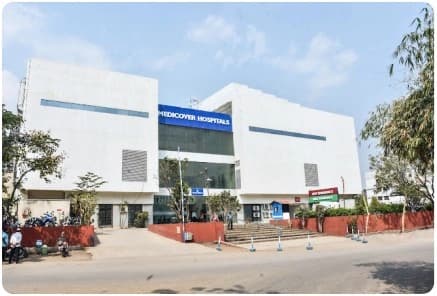
Medicover Hospital – Best in Gunjalwadi, Sangamner
- Beds
- 220
Neurosurgery at Medicover Hospital
Neurosurgery focuses on the surgical evaluation and treatment of conditions affecting the brain, spinal cord, spine and peripheral nerves. This dedicated page for Neurosurgery at Medicover Hospital in Sangamner, Maharashtra helps patients understand the specialty, conditions that may require neurosurgical assessment, diagnostic approaches, treatment options and the consultation process. Medicover Hospital’s Sangamner location lists Neurosurgery among its available specialties, with its facility located on Gunjalwadi Road.
Neurosurgery at Medicover Hospital, Sangamner, Maharashtra
Neurosurgery is a specialized medical field concerned with the surgical management of disorders involving the brain, spinal cord, spine and peripheral nerves. Patients may be referred to a neurosurgeon when a neurological or spinal condition requires specialist assessment and surgery may be an appropriate part of treatment.
For people searching for neurosurgery in Sangamner, Medicover Hospital lists Neurosurgery as one of its available specialties. The hospital is located at A/P, Gunjalwadi Road, Tal, Sangamner, Maharashtra 422605.
Neurosurgical care can range from planned procedures for conditions such as certain brain tumours or degenerative spinal disorders to urgent assessment following head or spine injuries. Importantly, not every neurological condition requires surgery. The appropriate approach depends on the underlying diagnosis, symptoms, imaging findings, overall health and clinical assessment.
This page provides information about the types of conditions, evaluations and procedures associated with neurosurgery, helping patients prepare for a specialist consultation and understand what questions to discuss with their healthcare team.
Neurosurgery Services and Areas of Care
Neurosurgical care generally covers several interconnected areas:
Brain and Cranial Conditions
Neurosurgeons may evaluate conditions affecting the brain, including certain brain tumours, intracranial bleeding, traumatic brain injuries and other structural abnormalities. Depending on the diagnosis, management may involve observation, medication, minimally invasive procedures or open surgery.
Spine and Spinal Cord Care
Spinal neurosurgery addresses selected conditions involving the spine, spinal cord and related nerves. These may include disc prolapse, spinal degeneration, spinal injuries and conditions producing persistent nerve compression.
Neurotrauma
Head and spinal injuries can sometimes require urgent neurosurgical evaluation. The need for surgery depends on factors such as the type and severity of injury, neurological findings and imaging results.
Complex and Emergency Neurosurgery
Some neurological emergencies, including certain forms of intracranial bleeding or severe head injury, require rapid assessment. Emergency treatment is determined by the patient's clinical condition and diagnostic findings.
Medicover's published Sangamner neurosurgery information describes care relating to traumatic brain injury, brain haemorrhage, brain tumours, stroke management and several spinal conditions.
Conditions Treated Under Neurosurgery
Neurosurgeons manage a broad range of disorders, although many neurological conditions are treated medically rather than surgically. Surgical intervention is considered only when clinically appropriate.
Brain Tumours
Brain tumours can vary considerably in their location, size, type and behaviour. Evaluation may involve neurological examination and brain imaging. When surgery is recommended, the objective may include obtaining tissue for diagnosis, removing as much of the tumour as safely possible, or relieving pressure caused by the tumour.
Brain Haemorrhage
Bleeding within or around the brain can be a medical emergency. Depending on its cause, location and severity, treatment may involve close monitoring, medical management, endovascular treatment or surgery.
Traumatic Brain Injury
Falls, road accidents and other injuries can cause trauma to the brain and skull. Some injuries can result in bleeding, swelling or pressure inside the skull and require urgent specialist assessment.
Spine and Disc Disorders
Disc prolapse, degenerative spinal disease and spinal injuries can sometimes cause persistent pain, weakness, numbness or other neurological symptoms. Surgery may be considered when conservative treatment is unsuccessful or when significant nerve or spinal cord compression is present.
Other Neurological Problems
Patients may also be referred to neurosurgery when a neurological condition has a structural component that requires surgical assessment. Conditions such as epilepsy, stroke and movement disorders may involve neurology, neurosurgery or other specialties depending on the individual case.
The Medicover Sangamner neurosurgery service page specifically lists traumatic brain injury, epilepsy, neuropathy, movement disorders, brain and spine infections, disc prolapse, chronic spinal pain and other neurological conditions among its broader neurological care information.
Neurosurgery Treatments and Procedures
The treatment recommended by a neurosurgeon depends on the exact diagnosis and the patient's individual circumstances. Surgery is not automatically required simply because a patient is referred to a neurosurgical department.
Medicover's published Sangamner information includes the following neurosurgical and spine-related procedures or treatment areas:
- Brain surgery
- Brain haemorrhage surgery
- Brain tumour surgery
- Management of selected stroke-related conditions
- Surgery for spine injuries or fractures
- Treatment of degenerative spine disease
- Procedures for selected disc prolapse cases
- Minimally invasive spine surgery (MISS)
- Endoscopic spine surgery
Minimally Invasive Spine Surgery
Minimally invasive approaches use smaller access points than some conventional spinal procedures. Whether this technique is appropriate depends on the spinal condition, anatomy, imaging findings and surgeon's assessment.
Endoscopic Spine Surgery
Endoscopic techniques may be used for selected spinal conditions. They are not appropriate for every patient or every type of spinal disorder, so the suitability of an endoscopic procedure should be discussed with a qualified spine specialist.
Treatment decisions should always be based on clinical evaluation rather than a procedure's name alone.
Neurosurgery Diagnostic and Evaluation Services
Accurate diagnosis is an important part of neurosurgical care. The evaluation may combine medical history, neurological examination and diagnostic testing.
Depending on the symptoms and suspected condition, investigations can include:
- Neurological examination: Assessment of strength, sensation, reflexes, coordination, balance and other neurological functions.
- MRI: Provides detailed images of the brain, spinal cord and spine and may help identify tumours, disc problems, compression and other structural abnormalities.
- CT scan: Often useful in emergency assessment, particularly for head injuries and suspected intracranial bleeding.
- EEG: Records electrical activity in the brain and can support evaluation of seizures and epilepsy.
- Nerve conduction studies: Assess how electrical signals travel through peripheral nerves and may help evaluate certain nerve disorders.
- Angiography: Can provide information about blood vessels when vascular abnormalities are suspected.
- Lumbar puncture: In selected cases, cerebrospinal fluid may be examined to investigate specific neurological conditions.
- Neuropsychological assessment: May be considered when changes in memory, thinking or behaviour need detailed evaluation.
Medicover's Sangamner neurosurgery page lists neurological examination, MRI, CT, EEG, nerve conduction testing, lumbar puncture, neuropsychological testing, angiography and myelography among its described diagnostic services.
The tests ordered for an individual patient will depend on the symptoms, examination findings and suspected diagnosis.
When Should You See a Neurosurgery Specialist?
A neurosurgical consultation may be appropriate when a doctor identifies a condition that could require surgical evaluation or when symptoms suggest a structural problem involving the brain, spine or nerves.
Patients may be referred for specialist evaluation in situations involving:
- Persistent or worsening neurological symptoms
- Significant nerve compression or spinal problems
- Certain brain or spinal tumours
- Head injuries with concerning findings
- Suspected intracranial bleeding
- Persistent back or neck symptoms associated with neurological changes
- Weakness, numbness or loss of sensation associated with a diagnosed spinal condition
- Imaging findings requiring surgical interpretation
- A second opinion regarding a proposed neurosurgical procedure
Sudden facial weakness, difficulty speaking, loss of consciousness, new severe weakness, seizures, sudden severe headache or serious head trauma can require urgent medical assessment. These symptoms should not be managed by waiting for a routine specialist appointment.
What to Expect During a Neurosurgery Consultation
A neurosurgery consultation usually begins with a detailed discussion of the patient's symptoms and medical history.
1. Medical History
The specialist may ask about when symptoms started, how they have changed, previous illnesses, injuries, medications, earlier treatments and relevant medical reports.
2. Neurological Examination
Depending on the problem, the doctor may assess muscle strength, sensation, reflexes, coordination, walking pattern and other neurological functions.
3. Review of Diagnostic Reports
Existing MRI, CT scans, X-rays, laboratory reports or other investigations may be reviewed. Additional tests may be recommended if the available information is insufficient.
4. Discussion of Treatment Options
If surgery is being considered, the neurosurgeon may explain the diagnosis, purpose of the procedure, expected recovery, potential risks and alternatives. In some cases, non-surgical treatment or observation may be more appropriate.
5. Follow-Up Planning
Patients may receive advice regarding medication, rehabilitation, further investigations, follow-up consultations or preparation for a procedure.
Bringing previous medical records, imaging reports, medication details and a list of current symptoms can make the consultation more productive.
Why Choose Neurosurgery Care at Medicover Hospital?
Patients comparing a neurosurgery hospital in Sangamner may want to look beyond a single procedure and consider the complete care pathway.
Medicover Hospital's Sangamner hospital page lists Neurosurgery among its available specialties and describes facilities including operating theatres, ICU capacity, emergency care, diagnostic and radiology services, pharmacy and ambulance services.
The hospital's neurosurgery information also describes brain and spine surgical care, diagnostic evaluation and rehabilitation-related support.
For an individual patient, however, the availability and suitability of a particular procedure or service should be confirmed directly with the hospital. The right choice of treatment depends on the diagnosis, urgency, clinical findings and individual health needs.
Neurosurgery Doctors and Specialists
A neurosurgeon is a specialist trained to evaluate and surgically manage disorders involving the brain, spine, spinal cord and peripheral nervous system.
Medicover's published doctor information identifies Dr. Udaykumar Ramrao Badhe as a Consultant Neurosurgeon practising at Medicover Hospital, Sangamner. His listed area of specialization is Brain & Spine Surgery, and his qualifications are MBBS, MS and DrNB.
The doctor's profile lists experience in areas including traumatic brain injury, brain haemorrhage surgery, brain tumour surgery, stroke management, spine injuries, degenerative spine disease, disc prolapse, chronic spinal pain, minimally invasive spine surgery and endoscopic spine surgery.
Patients should verify current consultation availability, timings and appointment details before visiting, as schedules can change.
Neurosurgery Care in Sangamner
For patients looking for neurosurgery in Sangamner, local access can be important, particularly when specialist assessment, diagnostic testing, surgery or follow-up care requires multiple visits.
Medicover Hospital's Sangamner location is listed at A/P, Gunjalwadi Road, Tal, Sangamner, Maharashtra 422605.
The hospital's location makes it relevant to people specifically searching for brain, spine and neurosurgical services in Sangamner rather than travelling elsewhere for every consultation. Patients coming from surrounding areas should consider travel time, appointment schedules, emergency access and the need for postoperative follow-up when planning care.
For urgent neurological symptoms or serious injuries, patients should seek immediate medical attention rather than delaying care to arrange a routine appointment.
How to Choose the Right Neurosurgery Hospital or Specialist
When comparing neurosurgery hospitals in Sangamner, consider the following practical factors:
Specialist Experience
Look for a qualified neurosurgeon whose clinical practice is relevant to the condition being evaluated.
Diagnostic Support
Appropriate imaging and neurological evaluation are important for determining whether surgery is necessary and which treatment approach may be suitable.
Range of Treatment Options
Ask whether the specialist can discuss both surgical and non-surgical approaches where clinically appropriate.
Hospital Infrastructure
For procedures requiring hospital admission, consider operating facilities, critical-care support, emergency services and postoperative monitoring.
Multidisciplinary Care
Complex neurological conditions may involve neurologists, radiologists, critical-care physicians, physiotherapists, rehabilitation specialists and other healthcare professionals.
Follow-Up and Rehabilitation
Recovery after neurological or spinal surgery can involve medication, physiotherapy, rehabilitation and follow-up assessments. Understanding the expected recovery pathway before treatment can help patients and families plan.
Communication
A good consultation should give patients an opportunity to understand their diagnosis, proposed treatment, potential risks, alternatives and expected follow-up.
Accessibility
For patients from Sangamner and nearby areas, consider appointment availability, travel requirements and access to follow-up care.
Frequently Asked Questions About Neurosurgery
1. What does a neurosurgeon treat?
Neurosurgeons evaluate and surgically treat selected conditions involving the brain, spinal cord, spine and peripheral nerves. Examples include certain brain tumours, intracranial bleeding, traumatic brain injuries, disc-related spinal disorders and other structural neurological conditions.
2. When should I see a neurosurgery specialist?
A neurosurgical consultation may be recommended when investigations identify a condition that could require surgery, or when persistent neurological or spinal symptoms require specialist evaluation. A referral may also be appropriate for a second opinion.
3. Does every brain or spine condition require surgery?
No. Many neurological and spinal conditions can be managed without surgery. The appropriate treatment depends on the diagnosis, severity, symptoms, imaging findings and overall health of the patient.
4. What conditions may require brain surgery?
Some brain tumours, certain types of brain haemorrhage, traumatic brain injuries and other structural conditions may require surgery. The decision depends on the exact diagnosis and clinical findings.
5. What is minimally invasive spine surgery?
Minimally invasive spine surgery uses smaller surgical access points for selected spinal procedures. It may be suitable for certain patients, but the approach depends on the specific spinal condition and surgical assessment.
6. How are neurosurgical conditions diagnosed?
Diagnosis may involve a medical history, neurological examination and tests such as MRI, CT, EEG, nerve conduction studies or vascular imaging, depending on the suspected condition.
7. How do I choose a neurosurgery hospital in Sangamner?
Consider the neurosurgeon's relevant experience, diagnostic support, available treatment options, hospital infrastructure, emergency support, follow-up services and accessibility. Patients should also confirm which specific procedures and services are currently available.
8. What should I bring to a neurosurgery consultation?
Bring previous medical records, MRI or CT reports and images where available, laboratory reports, prescription details, a list of current medicines and information about previous treatments or surgeries.
9. Can I seek a second opinion before neurosurgery?
Yes. A second opinion can help patients understand the diagnosis, proposed procedure, alternatives and potential risks before making a treatment decision.
10. How can I book a neurosurgery consultation at Medicover Hospital, Sangamner?
Patients can check the hospital's current appointment process and consultation availability directly with Medicover Hospital. The published doctor profile for Dr. Udaykumar Ramrao Badhe lists consultation at the Sangamner hospital, with timings shown as Monday to Saturday, 10 AM to 6 PM.
Best Neurosurgery Doctors at Medicover Hospital, Gunjalwadi
Consult with our highly experienced experts at Medicover Hospital.
 Neurosurgery
Dr Udaykumar Ramrao Badhe
Neurosurgery Treatments
Brain Tumor Surgery
Advanced treatment available at Medicover Hospital.
Aneurysm Clipping / Coiling
Advanced treatment available at Medicover Hospital.
Epilepsy Surgery
Advanced treatment available at Medicover Hospital.
Deep Brain Stimulation (dbs)
Advanced treatment available at Medicover Hospital.
Endoscopic Neurosurgery
Advanced treatment available at Medicover Hospital.
Frequently Asked Questions About Neurosurgery
What types of neurosurgery procedures are performed at Medicover Hospital?
We perform a wide range of neurosurgery procedures, from routine diagnostics to complex surgeries, using the latest medical technologies.
How can I book an appointment for Neurosurgery at Medicover Hospital?
You can book an appointment through the Siris Healthcare platform by clicking the "Get Free Estimate" button or contacting our 24/7 helpline.
Other Medical Specialties at Medicover Hospital Gunjalwadi
Get Expert Neurosurgery Care at Medicover Hospital, Gunjalwadi
Schedule a consultation with our top specialists and get a personalized treatment plan with a free cost estimate.
Top Specialities at Medicover Hospital Gunjalwadi
- Cardiology Department
- General Surgery Department
- General Medicine Department
- Pediatrics Department
- Nephrology Department
- Neurology Department
- Neurosurgery Department
- Urology Department
- Dentistry Department
- Pathology Department
- Pediatric Surgery Department
- Physiotherapy Department
- Radiology Department
- Robotic Surgery Department
- Paediatrics & Neonatology Department
- Gynecology Department
- Dental Implantology Department
- Physiotherapy & Rehabilitation Department