
Vascular Surgery at Medicover Hospitals, Alahari Nagar, Nellore
Explore Vascular Surgery services, treatments, diagnostic care and related doctors at Medicover Hospitals.
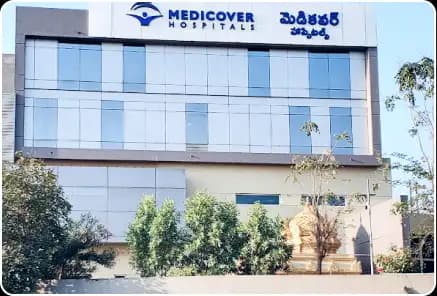
Medicover Hospitals – Best in Alahari Nagar, Nellore
- Beds
- 200
Vascular Surgery at Medicover Hospitals
Vascular Surgery at Medicover Hospitals, Alahari Nagar, Nellore focuses on the evaluation and management of conditions affecting arteries, veins and blood circulation. Patients can explore specialist consultation for concerns such as varicose veins, peripheral artery disease, deep vein thrombosis, carotid artery disease, aneurysms, vascular trauma and selected diabetic vascular complications. Depending on the diagnosis, vascular care may involve lifestyle and medical management, minimally invasive endovascular procedures or conventional surgery. Medicover Hospitals' published Nellore specialty information includes vascular and endovascular care, diagnostic evaluation and treatment for a range of circulatory conditions. The hospital is located on NH-5 at Chinthareddypalem Cross Road, Alahari Nagar, Nellore.
Vascular Surgery at Medicover Hospitals, Nellore
Vascular Surgery is a specialized field concerned with diseases affecting blood vessels, particularly the arteries and veins outside the heart and brain. When blood vessels become narrowed, blocked, enlarged or damaged, circulation to the legs, arms, neck, abdomen or other tissues can be affected. Early assessment can be important because some vascular problems may progress without obvious symptoms until circulation becomes significantly impaired.
At Medicover Hospitals, Alahari Nagar, Nellore, the published Vascular and Endovascular Surgery service covers evaluation and management of a range of arterial and venous conditions. These include peripheral artery disease, carotid artery disease, aortic aneurysms, deep vein thrombosis, varicose veins, vascular trauma, diabetic vascular complications and dialysis-access-related disorders.
Patients searching for Vascular Surgery in Nellore can use this page to understand common vascular conditions, available treatment approaches, diagnostic evaluation, specialist consultations and questions to consider before choosing vascular care.
Treatment is not the same for every patient. The appropriate approach depends on the underlying vascular problem, its severity, symptoms, medical history, overall health and findings from clinical and diagnostic evaluation.
Vascular Surgery Services and Areas of Care
Vascular specialists manage a broad range of problems involving blood circulation. Depending on the condition, care may involve medication, lifestyle measures, monitoring, minimally invasive endovascular treatment or open vascular surgery.
Areas commonly evaluated within vascular surgery include:
- Peripheral arterial disease (PAD): Narrowing of arteries supplying the legs or arms, often associated with reduced blood flow.
- Carotid artery disease: Narrowing or blockage of arteries supplying the brain, which may increase the risk of stroke.
- Varicose veins: Enlarged, twisted superficial veins that can cause aching, heaviness, swelling or skin changes.
- Deep vein thrombosis (DVT): A blood clot occurring in a deep vein, commonly in the leg.
- Aortic aneurysms: Abnormal enlargement or weakening of part of the aorta that requires appropriate assessment and monitoring.
- Chronic venous insufficiency: A condition in which venous blood does not return efficiently toward the heart.
- Limb ischemia: Reduced arterial blood supply to a limb, which can become urgent when severe.
- Diabetic vascular complications: Circulation problems that may contribute to poor wound healing and limb-threatening complications.
- Dialysis vascular access disorders: Problems involving the blood-vessel access required for hemodialysis.
- Vascular trauma: Blood-vessel injuries that may occur following accidents, penetrating injuries or other trauma.
Medicover Hospitals' Nellore vascular service information also describes diagnostic assessment and treatment planning for both routine and complex vascular conditions.
Conditions Treated Under Vascular Surgery
Peripheral Artery Disease
Peripheral artery disease occurs when arteries supplying the limbs become narrowed or blocked, reducing blood flow. Some patients experience leg pain while walking that improves with rest, while advanced disease can cause pain at rest, non-healing wounds or tissue damage.
Assessment may include clinical examination and vascular imaging. Depending on the severity and individual circumstances, treatment may include risk-factor management, medicines, exercise-based measures, endovascular procedures or vascular surgery.
Varicose Veins and Venous Disease
Varicose veins are enlarged veins that may become visible beneath the skin. They can be associated with aching, heaviness, swelling, itching and skin changes. Not every varicose vein requires an operation, so specialist assessment helps determine whether observation, conservative management or an intervention is appropriate.
Medicover's published Nellore vascular surgery information includes varicose vein treatment among its vascular services.
Deep Vein Thrombosis
Deep vein thrombosis involves a clot in a deep vein. Symptoms can include swelling, pain, warmth or tenderness in an affected limb, although some DVTs may have few noticeable symptoms.
A suspected DVT requires prompt medical assessment. Treatment depends on the patient's circumstances and may include anticoagulant medication or other interventions when clinically indicated.
Carotid Artery Disease
Carotid artery narrowing can reduce blood flow to the brain and is associated with stroke risk. Evaluation may involve vascular examination and imaging such as carotid Doppler ultrasound. In selected patients with significant disease, treatment can include medication, risk-factor management or an appropriate vascular procedure.
Aortic Aneurysms
An aortic aneurysm is an enlargement or weakening of the wall of the aorta. Management depends on factors such as aneurysm size, location, growth and the patient's overall health. Some aneurysms are monitored, while others may require intervention.
Diabetic Vascular Complications and Limb Problems
Diabetes can affect blood vessels and may contribute to poor circulation, delayed wound healing and increased risk of foot or limb complications. Patients with diabetes who develop persistent foot wounds, colour changes, unusual coldness, pain or other circulation-related symptoms may need vascular evaluation.
Vascular Surgery Treatments and Procedures
Vascular treatment ranges from conservative medical care to minimally invasive endovascular procedures and open surgery. The choice is based on the diagnosis and individual clinical assessment.
Procedures that may be considered in vascular practice include:
- Angioplasty: A catheter-based technique used to widen a narrowed blood vessel.
- Vascular stenting: Placement of a stent to help maintain blood-vessel openness in selected cases.
- Thrombectomy: Removal of a blood clot in appropriately selected patients.
- Aneurysm repair: Surgical or endovascular management of selected aortic or other aneurysms.
- Peripheral vascular bypass surgery: Creation of an alternative route for blood flow around a blocked artery.
- Carotid procedures: Selected patients with significant carotid disease may require surgical or endovascular treatment.
- Varicose vein procedures: Depending on the venous problem, treatment may include minimally invasive techniques or other interventions.
- Dialysis vascular access surgery: Creation or management of vascular access needed for hemodialysis.
- Vascular trauma surgery: Repair of damaged blood vessels when an injury has compromised circulation.
Medicover Hospitals' published Nellore vascular surgery information specifically lists angioplasty, stenting, aneurysm repair, dialysis access surgery, AV fistula creation, thrombectomy and varicose vein treatments among the procedures associated with its vascular service.
The availability and suitability of any individual procedure should be confirmed during consultation.
Vascular Surgery Diagnostic and Evaluation Services
Accurate diagnosis is an important part of vascular treatment. A specialist may begin with a detailed medical history and physical examination before deciding which investigations are appropriate.
Depending on the suspected condition, vascular evaluation can involve:
- Doppler ultrasound: Uses sound waves to assess blood flow through arteries and veins.
- CT angiography: Provides detailed cross-sectional images of blood vessels using CT imaging and contrast when appropriate.
- MR angiography: Uses MRI-based imaging to evaluate blood vessels in selected clinical situations.
- Ankle-brachial index (ABI): Compares blood pressure at the ankle and arm to help assess peripheral arterial disease.
- Vascular imaging: Additional imaging may be recommended depending on the location and suspected nature of the problem.
- Laboratory investigations: Blood tests may be used to assess relevant health factors and support treatment planning.
Medicover Hospitals' published Nellore vascular service information mentions Doppler studies, CT angiography, MRI angiography and vascular imaging as part of its diagnostic and treatment-planning approach.
Not every patient needs every test. Investigations should be selected according to symptoms, examination findings and clinical requirements.
When Should You See a Vascular Surgery Specialist?
Consider discussing your symptoms with a qualified healthcare professional if you experience persistent or unexplained circulation-related problems such as:
- Leg pain or cramping while walking
- Persistent leg or foot swelling
- Enlarged, painful or symptomatic varicose veins
- A non-healing wound on the foot or leg
- Recurrent skin changes around the ankle or lower leg
- Unusual coldness or colour changes in a limb
- Numbness or weakness associated with suspected circulation problems
- A known arterial blockage or aneurysm
- A history of DVT or other vascular disease
- Vascular complications associated with diabetes
- Problems with dialysis vascular access
Some vascular symptoms can require urgent evaluation. Sudden severe limb pain, a cold or pale limb, sudden loss of circulation, significant bleeding or symptoms suggestive of stroke should be treated as medical emergencies rather than waiting for a routine vascular consultation.
What to Expect During a Vascular Surgery Consultation
A vascular consultation usually begins with a discussion of your symptoms, medical history and relevant risk factors.
1. Medical History
The specialist may ask about pain, swelling, walking limitations, previous clots, vascular procedures, diabetes, smoking history, blood pressure, cholesterol and other relevant health conditions.
2. Physical Examination
The doctor may examine the affected limb or body area and assess circulation, pulses, swelling, skin condition and other clinical signs.
3. Diagnostic Evaluation
If additional information is needed, the specialist may recommend Doppler ultrasound, CT angiography, MR angiography, laboratory tests or other investigations.
4. Discussion of Treatment Options
Once the condition has been evaluated, the specialist can explain appropriate treatment choices. Depending on the diagnosis, this may involve medical management, monitoring, an endovascular procedure or surgery.
5. Follow-Up Planning
Follow-up can be important after vascular treatment to monitor recovery, circulation, wound healing, medication response and long-term vascular health.
Why Choose Vascular Surgery Care at Medicover Hospitals?
Medicover Hospitals' Nellore location is a multispecialty hospital at NH-5, Chinthareddypalem Cross Road, Alahari Nagar. Siris Healthcare's hospital information lists a 200-bed facility, 24/7 emergency and critical care, diagnostic services and multiple medical and surgical specialties.
For patients requiring vascular care, a multispecialty setting can be relevant when vascular disease occurs alongside conditions such as diabetes, kidney disease, heart disease or other medical problems. The hospital's published vascular service information also describes diagnostic evaluation, vascular and endovascular procedures and multidisciplinary support.
Patients should still evaluate a provider based on the specific vascular condition, the specialist's relevant experience, diagnostic requirements, treatment options, follow-up arrangements and the facilities actually available for their individual case.
Vascular Surgery Doctors and Specialists
Vascular and endovascular surgeons evaluate diseases affecting arteries, veins and circulation and determine whether medical, endovascular or surgical treatment is appropriate.
Medicover Hospitals currently lists Dr Sudharsan Reddy Yalamuru as a Consultant Vascular & Endovascular Surgeon in Nellore. His published profile lists MBBS, DNB and MCh qualifications, with vascular and endovascular surgery as his area of specialization. The profile also lists his current practice location as Medicover Hospital, NH-5, Chinthareddypalem Cross Road, Alahari Nagar, Nellore.
Doctor availability, consultation timings and services can change, so patients should check the current doctor profile or appointment information before visiting.
Medicover also lists Dr S Vigna Charan as a Senior Consultant and Chief of Cardiothoracic and Vascular Surgery in Nellore. His profile identifies his specialty as cardiothoracic and vascular surgery, which may be relevant for patients whose vascular concerns overlap with cardiothoracic surgical care.
Vascular Surgery Care in Nellore
For patients searching for Vascular Surgery in Nellore, location can be an important practical consideration, particularly when treatment requires repeated consultations, diagnostic investigations or postoperative follow-up.
Medicover Hospitals is located at NH-5, Chinthareddypalem Cross Road, Alahari Nagar, Chintareddy Palem, Nellore, Andhra Pradesh. The location is listed by Medicover and Siris Healthcare as the Nellore hospital address.
Patients from Nellore and surrounding areas may consider local specialist care when they need ongoing evaluation for circulation problems, vascular disease, varicose veins, arterial blockages or postoperative monitoring.
When searching for a vascular surgery hospital near me, patients should look beyond distance alone. It is useful to confirm whether the hospital has the relevant specialist, diagnostic support, treatment pathway and follow-up arrangements needed for the particular vascular condition.
How to Choose the Right Vascular Surgery Hospital or Specialist
When comparing vascular specialists or hospitals in Nellore, consider:
- Relevant specialist expertise: Check whether the doctor regularly manages the vascular condition you have been diagnosed with or are being evaluated for.
- Diagnostic capability: Ask what vascular imaging and investigations are available or can be arranged.
- Treatment options: Find out whether appropriate medical, endovascular and surgical approaches can be considered where clinically indicated.
- Multispecialty support: Vascular patients may also need input from diabetology, cardiology, nephrology, radiology, emergency medicine or other departments.
- Emergency support: This can be particularly relevant for patients with conditions that may deteriorate suddenly.
- Follow-up care: Ask how postoperative reviews, wound care, medication monitoring and rehabilitation will be handled.
- Communication: A good consultation should give you an understandable explanation of the diagnosis and treatment choices.
- Accessibility: Consider travel distance, appointment availability and the practical requirements of repeated visits.
The right choice depends on the patient's condition and healthcare requirements rather than a single universal measure of hospital quality.
Frequently Asked Questions About Vascular Surgery
1. What does a vascular surgeon treat?
A vascular surgeon evaluates and treats diseases affecting blood vessels, particularly arteries and veins outside the heart and brain. Conditions may include peripheral artery disease, varicose veins, DVT, carotid artery disease, aneurysms, vascular trauma and dialysis-access problems.
2. When should I see a vascular surgeon in Nellore?
You may consider vascular consultation for persistent leg pain while walking, unexplained swelling, symptomatic varicose veins, non-healing wounds, circulation problems, known arterial blockages, aneurysms or other suspected vascular conditions. Sudden severe circulation problems require urgent medical attention.
3. Is every vascular condition treated with surgery?
No. Treatment depends on the underlying condition and its severity. Some patients may be managed with medicines, lifestyle changes and monitoring, while others may need an endovascular procedure or surgery.
4. What tests are used to diagnose vascular disease?
Depending on the suspected problem, evaluation may include physical examination, Doppler ultrasound, ankle-brachial index, CT angiography, MR angiography and laboratory tests. The specialist determines which investigations are appropriate.
5. What is the difference between vascular surgery and endovascular treatment?
Vascular surgery includes conventional surgical procedures involving blood vessels. Endovascular treatment uses catheters and imaging guidance to treat certain vascular problems from inside the blood vessel. The appropriate method depends on the patient's diagnosis and anatomy.
6. Can varicose veins require medical treatment?
Yes. Although some varicose veins are mainly a cosmetic concern, others can cause pain, swelling, skin changes or other complications. A vascular specialist can determine whether observation, conservative care or an intervention is appropriate.
7. Can diabetes affect blood circulation in the legs?
Yes. Diabetes can contribute to vascular disease and may increase the risk of poor circulation and delayed wound healing. People with diabetes who develop persistent foot wounds, colour changes, unusual coldness or other concerning symptoms should seek medical evaluation.
8. How do I book a vascular surgery consultation at Medicover Hospitals, Nellore?
Patients can use the available appointment facility or contact the hospital to request a vascular specialist consultation. Medicover currently lists Dr Sudharsan Reddy Yalamuru as a Consultant Vascular & Endovascular Surgeon in Nellore. Appointment availability and timings should be confirmed before visiting.
9. What should I bring to a vascular consultation?
Bring previous medical records, imaging reports, blood-test results, a list of current medicines and information about previous surgeries or vascular procedures. If you have diabetes, hypertension, kidney disease or other relevant conditions, sharing those records can help the specialist understand your overall health.
10. Can I seek a second opinion for a vascular condition?
Yes. A second opinion can help patients understand their diagnosis and compare medically appropriate treatment options, particularly when a major vascular procedure has been recommended. Patients should provide the specialist with previous reports and imaging whenever available.
Best Vascular Surgery Doctors at Medicover Hospitals, Alahari Nagar
Consult with our highly experienced experts at Medicover Hospitals.
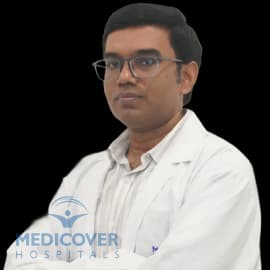 Vascular Surgery
Dr Sudharsan Reddy Yalamuru
Vascular Surgery Treatments
Varicose Vein Treatment
Advanced treatment available at Medicover Hospitals.
Peripheral Artery Disease (pad)
Advanced treatment available at Medicover Hospitals.
Deep Vein Thrombosis (dvt) Treatment
Advanced treatment available at Medicover Hospitals.
Diabetic Foot & Limb Salvage Surgery
Advanced treatment available at Medicover Hospitals.
Peripheral Vascular Bypass Surgery
Advanced treatment available at Medicover Hospitals.
Carotid Artery Surgery (carotid Endarterectomy)
Advanced treatment available at Medicover Hospitals.
Angioplasty & Stenting For Peripheral Arteries
Advanced treatment available at Medicover Hospitals.
Aortic Aneurysm Repair
Advanced treatment available at Medicover Hospitals.
Hemodialysis Vascular Access Surgery
Advanced treatment available at Medicover Hospitals.
Chronic Venous Insufficiency Treatment
Advanced treatment available at Medicover Hospitals.
Frequently Asked Questions About Vascular Surgery
What types of vascular surgery procedures are performed at Medicover Hospitals?
We perform a wide range of vascular surgery procedures, from routine diagnostics to complex surgeries, using the latest medical technologies.
How can I book an appointment for Vascular Surgery at Medicover Hospitals?
You can book an appointment through the Siris Healthcare platform by clicking the "Get Free Estimate" button or contacting our 24/7 helpline.
Other Medical Specialties at Medicover Hospitals Alahari Nagar
Get Expert Vascular Surgery Care at Medicover Hospitals, Alahari Nagar
Schedule a consultation with our top specialists and get a personalized treatment plan with a free cost estimate.
Top Specialities at Medicover Hospitals Alahari Nagar
- Cardiology Department
- Oncology Department
- Neurology Department
- Neurosurgery Department
- Nephrology Department
- Gastroenterology Department
- General Surgery Department
- Gynecology Department
- Pediatrics Department
- Pulmonology Department
- Urology Department
- Emergency medicine Department
- ENT Department
- Diabetology Department
- Radiology Department
- Vascular Surgery Department
- Surgical Oncology Department
- Plastic Surgery Department
- Pathology Department
- Microbiology Department
- Medical Oncology Department
- Anesthesiology Department
- Nuclear Medicine Department
- Paediatrics & Neonatology Department
Best Hospitals in Nellore
Medical Services in India
Topics related to Medicover Hospitals
HRCT Chest: What Can It Detect and When Do Doctors Recommend This Lung Scan?
Persistent cough, unexplained breathlessness or an abnormal chest X-ray can some...
IV Thrombolysis for Stroke: When Can Clot-Busting Treatment Be Used?
A stroke can happen suddenly, and the first few hours can be critical because so...
HDR Brachytherapy for Cancer: When Is This Targeted Radiation Treatment Used?
When cancer treatment involves radiation therapy, patients may hear terms such a...
LINAC Radiation Therapy for Cancer: How Is Treatment Planned and Delivered?
Radiation therapy is an important part of treatment for many types of cancer. De...
Arthroscopy for Sports and Joint Injuries: When Is Minimally Invasive Surgery Considered?
Sports and joint injuries do not always require surgery. Depending on the type a...
Total Hip Replacement: Who May Need Surgery and What Does Recovery Involve?
Kidney Stone Treatment: RIRS, Laser Lithotripsy, PCNL and RecoveryKidney stones ...
Hemodialysis vs Peritoneal Dialysis: How Are the Treatment Options Different?
When kidney function becomes severely reduced, the kidneys may no longer be able...
Kidney Biopsy: Why Is It Recommended and What Should Patients Expect?
A kidney biopsy can sound intimidating when a doctor first recommends it. Unlike...
ERCP for Bile Duct Stones: How Does the Procedure Work and When Is It Recommended?
A gallstone does not always remain inside the gallbladder. Sometimes a stone mov...
Heart Valve Repair vs Replacement: How Do Doctors Decide Which Option Is Appropriate?
A diagnosis of heart valve disease does not automatically mean that you need ope...