
General Surgery at Medicover Hospitals, Alahari Nagar, Nellore
Explore General Surgery services, treatments, diagnostic care and related doctors at Medicover Hospitals.
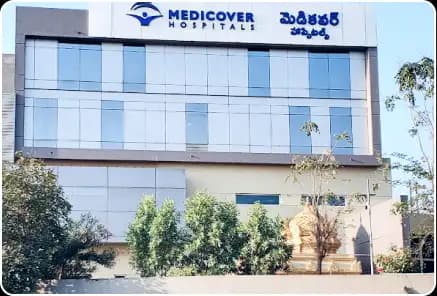
Medicover Hospitals – Best in Alahari Nagar, Nellore
- Beds
- 200
Explore general surgical consultations, evaluation, treatment options and postoperative care at Medicover Hospitals in Nellore.
General Surgery covers the surgical evaluation and management of a wide range of conditions involving the abdomen, gastrointestinal tract, abdominal wall, thyroid, skin and soft tissues, and anorectal region. At Medicover Hospitals in Nellore, patients can explore General Surgery consultations and treatment options for conditions that may require medical or surgical management. The hospital is located on NH-5 at Chinthareddypalem Cross Road, Alahari Nagar, Chintareddy Palem, Nellore. The hospital's published General Surgery information includes laparoscopic and open procedures, hernia repair, gallbladder surgery, appendectomy, thyroid procedures, anorectal surgery and selected gastrointestinal interventions.
General Surgery at Medicover Hospitals, Nellore
General Surgery is a broad surgical specialty concerned with the evaluation and operative management of conditions affecting areas such as the abdomen, gastrointestinal tract, abdominal wall, thyroid and other endocrine tissues, skin and soft tissues, and anorectal region. Some problems can be managed with medicines or observation, while others may require a planned procedure or urgent surgical intervention.
At Medicover Hospitals, Nellore, the General Surgery service is listed among the hospital's specialties. The hospital's published information describes care ranging from routine surgical evaluation to laparoscopic and open procedures. Its Nellore location is on NH-5, Chinthareddypalem Cross Road, Alahari Nagar, Chintareddy Palem.
For someone searching for General Surgery in Nellore, the important question is not simply whether surgery is available, but whether the underlying condition has been properly evaluated and whether the proposed treatment is appropriate. A surgical consultation can help determine whether a procedure is necessary, which approach may be suitable, and what preparation and follow-up may be required.
General Surgery Services and Areas of Care
General Surgery encompasses several areas of surgical care. Depending on the patient's diagnosis, symptoms and overall health, evaluation may involve:
- Abdominal and gastrointestinal surgery
- Hernia assessment and repair
- Gallbladder surgery
- Appendix surgery
- Thyroid and selected endocrine procedures
- Anorectal procedures
- Soft-tissue and skin-related surgical procedures
- Selected bariatric procedures
- Varicose-vein interventions
- Emergency surgical assessment
- Minimally invasive or laparoscopic surgery where appropriate
The Medicover Hospitals Nellore General Surgery page specifically describes laparoscopic and open surgery, hernia repair, gallbladder procedures, appendectomy, thyroid surgery, anorectal procedures, gastrointestinal surgery, bariatric procedures and varicose-vein treatment.
Not every procedure is appropriate for every patient. The choice between observation, medication, minimally invasive surgery and open surgery depends on the diagnosis, severity of disease, previous medical history and clinical assessment.
Minimally Invasive and Laparoscopic Surgery
Laparoscopic surgery uses small incisions and a camera-guided system to allow surgeons to operate inside the abdomen or other areas without the larger incision required for many traditional open procedures.
Potential advantages can include smaller incisions, less postoperative discomfort and a shorter recovery period for appropriately selected procedures. However, laparoscopic surgery is not automatically the right option for every patient. The surgical team determines the safest approach after evaluating the condition and the individual's circumstances.
Medicover's published Nellore General Surgery information includes laparoscopic procedures for conditions such as hernia, gallbladder disease, appendicitis and selected gastrointestinal conditions.
Conditions Treated Under General Surgery
A General Surgery specialist may evaluate a wide range of conditions. Some of the more common surgical problems include the following.
Hernias
A hernia occurs when tissue pushes through a weakened area of the surrounding muscle or connective tissue. Common examples include inguinal, ventral and incisional hernias.
Patients may notice a lump, swelling, discomfort or pain, particularly when coughing, lifting or standing. Some hernias remain relatively uncomplicated, while others can become trapped or strangulated and require urgent assessment.
Treatment depends on the type and characteristics of the hernia. Surgical options may include open or laparoscopic repair.
Gallstones and Gallbladder Disease
Gallstones can sometimes cause recurrent pain, particularly in the upper abdomen, and may lead to inflammation or other complications. When gallbladder removal is recommended, laparoscopic cholecystectomy is a commonly used surgical approach.
Medicover Hospitals, Nellore, lists laparoscopic and open cholecystectomy among its General Surgery procedures.
Appendicitis
Appendicitis occurs when the appendix becomes inflamed. Increasing abdominal pain, particularly when associated with nausea, vomiting or fever, requires timely medical assessment.
When appendicitis requires surgery, appendectomy may be performed using an open or laparoscopic approach depending on the patient's clinical situation.
Thyroid Conditions
Some thyroid nodules, enlarged thyroid glands and thyroid tumors may require surgical assessment. Surgery may involve removing part or all of the thyroid gland depending on the diagnosis.
A thyroid problem should not automatically be considered a surgical condition. Imaging, blood tests and, when appropriate, tissue evaluation help determine whether surgery is necessary.
Anorectal Conditions
General surgeons may also evaluate problems affecting the anus and rectum, including hemorrhoids, anal fissures and fistulas.
Treatment varies considerably. Dietary measures, medication and lifestyle changes may be sufficient in some cases, while persistent or complicated conditions can require a procedure.
Gastrointestinal Conditions
General and gastrointestinal surgeons may be involved in the management of selected conditions affecting the stomach, small intestine, large intestine and related abdominal structures.
Depending on the disease, treatment may involve medication, endoscopic management, minimally invasive surgery or open surgery, often with input from other specialists.
General Surgery Treatments and Procedures
The exact procedure recommended depends on the patient's diagnosis and clinical findings. Published information for Medicover Hospitals, Nellore, includes the following surgical categories:
- Inguinal, ventral and other hernia repairs
- Laparoscopic hernia procedures
- Laparoscopic cholecystectomy
- Open cholecystectomy
- Open and laparoscopic appendectomy
- Thyroidectomy and selected thyroid procedures
- Anorectal procedures for piles, fissures and fistulas
- Selected gastrointestinal surgeries
- Bariatric procedures
- Varicose-vein interventions
The hospital's published General Surgery information also describes advanced laparoscopic techniques for selected hernia procedures.
The availability of a specific procedure, its suitability and the surgical approach should always be confirmed during consultation.
General Surgery Diagnostic and Evaluation Services
Good surgical care begins with an appropriate diagnosis. Depending on the presenting problem, a General Surgery consultation may involve a detailed history, physical examination and targeted investigations.
Medicover Hospitals' published Nellore General Surgery information mentions CT, MRI, PET, ultrasound, laboratory diagnostics and pre-anesthetic evaluation as part of its diagnostic and surgical-support information.
Common investigations in surgical evaluation can include:
- Blood and urine tests
- Ultrasound
- X-ray
- CT scans
- MRI when clinically indicated
- ECG and other preoperative assessments
- Endoscopic or tissue evaluation where appropriate
- Pre-anesthesia assessment before surgery
The tests required depend on the suspected condition. A patient should not assume that every investigation is necessary; the treating clinician selects investigations based on clinical findings.
When Should You See a General Surgery Specialist?
A General Surgery consultation may be appropriate when a doctor has identified a condition that could require surgical evaluation, or when symptoms suggest a potentially surgical problem.
Patients may be advised to seek evaluation for:
- A new or painful abdominal lump
- A suspected or known hernia
- Recurrent gallbladder-related abdominal pain
- Suspected appendicitis
- Persistent or troublesome piles, fissures or fistulas
- A thyroid swelling or nodule requiring surgical assessment
- Persistent abdominal symptoms requiring further evaluation
- A condition that has not improved with conservative treatment
- A second opinion before planned surgery
Some symptoms require urgent medical attention. Severe or rapidly worsening abdominal pain, persistent vomiting, abdominal swelling, fainting, significant bleeding, high fever or symptoms associated with a suspected surgical emergency should be assessed promptly rather than waiting for a routine appointment.
What to Expect During a General Surgery Consultation
A first consultation does not necessarily mean that surgery will be recommended.
1. Medical History
The surgeon will ask about symptoms, when they began, previous illnesses, previous operations, medications, allergies and other relevant health factors.
2. Clinical Examination
Depending on the complaint, the doctor may examine the abdomen, hernia site, thyroid, skin or other relevant areas.
3. Diagnostic Evaluation
Existing reports may be reviewed, or additional tests may be suggested if more information is required.
4. Discussion of Treatment Options
The surgeon may explain whether the condition can be observed or treated without surgery, or whether a procedure should be considered. If surgery is appropriate, different surgical approaches may be discussed.
5. Preoperative Planning
For a planned operation, the patient may undergo investigations and an anesthesia assessment. The surgeon can also explain preparation, expected hospital stay and recovery considerations.
6. Follow-Up
Postoperative follow-up can include wound assessment, medication review, activity guidance and monitoring for complications or recurrence.
Why Choose General Surgery Care at Medicover Hospitals?
Patients comparing a General Surgery hospital in Nellore should look beyond a single procedure and consider the entire care pathway—from diagnosis through recovery.
Medicover Hospitals' Nellore hospital lists General Surgery among its available specialties and describes multidisciplinary medical services at the facility. The hospital also publishes information about surgical, diagnostic and emergency services.
The hospital's published General Surgery information identifies laparoscopic and open surgical approaches and describes diagnostic support, operation-theatre infrastructure and postoperative care. These details can be useful for patients discussing their treatment options with the surgical team.
Because medical needs differ from patient to patient, the most appropriate treatment should be determined after individual evaluation rather than based solely on the procedure list.
General Surgery Doctors and Specialists
A General Surgery specialist assesses surgical conditions and determines whether an operation or another form of management is appropriate.
Medicover's published doctor information currently lists Dr Gundala Venkata Kishore as a General Surgeon practising at its Nellore location, with specialization in laparoscopic surgery, laser proctology and podiatric surgery. His listed qualifications are MBBS and DNB (General Surgery), with 11+ years of experience.
The hospital also lists Dr Nitesh Pagadala, a Senior Consultant Surgical Gastroenterologist and Minimal Access Surgeon in Nellore, with expertise including advanced laparoscopic and bariatric surgery, GI oncology surgery and HPB surgery.
Patients should review the individual doctor's current profile, area of expertise, availability and appointment details when selecting a specialist.
General Surgery Care in Nellore
For patients looking for General Surgery in Nellore, local access can make consultations, investigations and postoperative follow-up more convenient.
Medicover Hospitals, Nellore is located at NH-5, Chinthareddypalem Cross Road, Alahari Nagar, Chintareddy Palem, Nellore, Andhra Pradesh.
The Alahari Nagar location is particularly relevant to patients searching for surgical care in and around this part of Nellore. Before visiting, patients should confirm the relevant doctor's consultation schedule and whether the required procedure or service is available for their particular condition.
For planned surgery, it is also useful to ask about preoperative tests, expected hospital stay, postoperative reviews, insurance or cashless eligibility, and whom to contact if symptoms change after discharge.
How to Choose the Right General Surgery Hospital or Specialist
Choosing a surgical provider is an important healthcare decision. Patients can consider:
Relevant surgical expertise:
Look for a surgeon whose experience and area of practice match the condition being treated.
Appropriate diagnosis:
Surgery should generally follow a clear clinical assessment. Ask what diagnosis has been established and why the recommended procedure is appropriate.
Treatment alternatives:
Ask whether observation, medication, lifestyle measures, minimally invasive surgery or open surgery are reasonable options in your situation.
Hospital facilities:
For procedures requiring hospitalization, consider whether the hospital has appropriate operating, anesthesia, diagnostic and postoperative support.
Emergency support:
For conditions that can become emergencies, understand how urgent surgical care is handled.
Postoperative follow-up:
Ask about wound care, follow-up appointments, activity restrictions, warning signs and recovery expectations.
Communication:
A good consultation should give you an opportunity to ask questions and understand the benefits, risks and alternatives of the proposed treatment.
Convenience and accessibility:
Location can matter when repeated consultations, investigations or follow-up visits are required.
Frequently Asked Questions About General Surgery
1. What does a General Surgery specialist treat?
General surgeons manage a broad range of conditions involving areas such as the abdomen, gastrointestinal tract, abdominal wall, thyroid, skin and soft tissues, and anorectal region. Conditions may include hernias, gallbladder disease, appendicitis and selected gastrointestinal or thyroid problems.
2. When should I see a General Surgery specialist in Nellore?
You may need a surgical consultation if you have a suspected hernia, recurrent gallbladder symptoms, appendicitis, a condition requiring possible surgery, persistent anorectal problems or another condition for which a doctor has recommended surgical evaluation.
3. What types of General Surgery procedures are available at Medicover Hospitals, Nellore?
The hospital's published information includes hernia repair, gallbladder surgery, appendectomy, thyroid procedures, anorectal procedures, selected gastrointestinal surgeries, bariatric procedures and varicose-vein treatment. Availability and suitability should be confirmed with the hospital for your individual case.
4. Is laparoscopic surgery available in Nellore?
Medicover Hospitals' Nellore General Surgery information describes laparoscopic surgery and lists several minimally invasive procedures, including laparoscopic hernia repair, cholecystectomy and appendectomy.
5. How is a surgical condition diagnosed?
Diagnosis can involve medical history, physical examination and targeted tests. Depending on the condition, investigations may include blood tests, ultrasound, CT, MRI or other diagnostic procedures.
6. Does every hernia require surgery?
Not necessarily. Management depends on the type of hernia, symptoms, risk of complications and the patient's overall circumstances. A General Surgery specialist can assess whether observation or surgical repair is appropriate.
7. What happens during a General Surgery consultation?
The surgeon generally reviews your symptoms and medical history, performs an appropriate examination, evaluates existing reports and recommends further investigations if needed. Treatment options and follow-up can then be discussed.
8. Can I get a second opinion before surgery?
Yes. Patients can seek a second surgical opinion, particularly when considering an elective procedure or when they want to understand alternative treatment approaches.
9. What should I bring to my surgical consultation?
Bring previous medical records, imaging reports, laboratory results, medication details, allergy information and details of earlier surgeries if applicable. A list of current symptoms and questions can also make the consultation more productive.
10. How can I book a General Surgery consultation in Nellore?
Patients can check the current General Surgery doctors and appointment options through Medicover Hospitals' doctor and hospital pages. Appointment availability and consultation timings can vary, so confirming the current schedule before visiting is advisable.
Important Medical Note
Treatment decisions in General Surgery depend on the underlying diagnosis, severity of the condition, medical history and individual health needs. Information on this page is intended for general education and should not replace an examination or consultation with a qualified healthcare professional.
Best General Surgery Doctors at Medicover Hospitals, Alahari Nagar
Consult with our highly experienced experts at Medicover Hospitals.
 General Surgery
Dr Gundala Venkata Kishore
General Surgery Treatments
Appendectomy
Advanced treatment available at Medicover Hospitals.
Gallbladder Removal (cholecystectomy)
Advanced treatment available at Medicover Hospitals.
Hernia Repair Surgery
Advanced treatment available at Medicover Hospitals.
Piles / Hemorrhoid Treatment
Advanced treatment available at Medicover Hospitals.
Fistula Surgery
Advanced treatment available at Medicover Hospitals.
Fissure Surgery
Advanced treatment available at Medicover Hospitals.
Bariatric Surgery
Advanced treatment available at Medicover Hospitals.
Bowel / Intestinal Surgery
Advanced treatment available at Medicover Hospitals.
Breast Surgery
Advanced treatment available at Medicover Hospitals.
Thyroid Surgery (thyroidectomy)
Advanced treatment available at Medicover Hospitals.
Frequently Asked Questions About General Surgery
What types of general surgery procedures are performed at Medicover Hospitals?
We perform a wide range of general surgery procedures, from routine diagnostics to complex surgeries, using the latest medical technologies.
How can I book an appointment for General Surgery at Medicover Hospitals?
You can book an appointment through the Siris Healthcare platform by clicking the "Get Free Estimate" button or contacting our 24/7 helpline.
Other Medical Specialties at Medicover Hospitals Alahari Nagar
Get Expert General Surgery Care at Medicover Hospitals, Alahari Nagar
Schedule a consultation with our top specialists and get a personalized treatment plan with a free cost estimate.
Top Specialities at Medicover Hospitals Alahari Nagar
- Cardiology Department
- Oncology Department
- Neurology Department
- Neurosurgery Department
- Nephrology Department
- Gastroenterology Department
- General Surgery Department
- Gynecology Department
- Pediatrics Department
- Pulmonology Department
- Urology Department
- Emergency medicine Department
- ENT Department
- Diabetology Department
- Radiology Department
- Vascular Surgery Department
- Surgical Oncology Department
- Plastic Surgery Department
- Pathology Department
- Microbiology Department
- Medical Oncology Department
- Anesthesiology Department
- Nuclear Medicine Department
- Paediatrics & Neonatology Department
Best Hospitals in Nellore
Medical Services in India
Topics related to Medicover Hospitals
HRCT Chest: What Can It Detect and When Do Doctors Recommend This Lung Scan?
Persistent cough, unexplained breathlessness or an abnormal chest X-ray can some...
IV Thrombolysis for Stroke: When Can Clot-Busting Treatment Be Used?
A stroke can happen suddenly, and the first few hours can be critical because so...
HDR Brachytherapy for Cancer: When Is This Targeted Radiation Treatment Used?
When cancer treatment involves radiation therapy, patients may hear terms such a...
LINAC Radiation Therapy for Cancer: How Is Treatment Planned and Delivered?
Radiation therapy is an important part of treatment for many types of cancer. De...
Arthroscopy for Sports and Joint Injuries: When Is Minimally Invasive Surgery Considered?
Sports and joint injuries do not always require surgery. Depending on the type a...
Total Hip Replacement: Who May Need Surgery and What Does Recovery Involve?
Kidney Stone Treatment: RIRS, Laser Lithotripsy, PCNL and RecoveryKidney stones ...
Hemodialysis vs Peritoneal Dialysis: How Are the Treatment Options Different?
When kidney function becomes severely reduced, the kidneys may no longer be able...
Kidney Biopsy: Why Is It Recommended and What Should Patients Expect?
A kidney biopsy can sound intimidating when a doctor first recommends it. Unlike...
ERCP for Bile Duct Stones: How Does the Procedure Work and When Is It Recommended?
A gallstone does not always remain inside the gallbladder. Sometimes a stone mov...
Heart Valve Repair vs Replacement: How Do Doctors Decide Which Option Is Appropriate?
A diagnosis of heart valve disease does not automatically mean that you need ope...