
Gastroenterology at Medicover Hospitals, Alahari Nagar, Nellore
Explore Gastroenterology services, treatments, diagnostic care and related doctors at Medicover Hospitals.
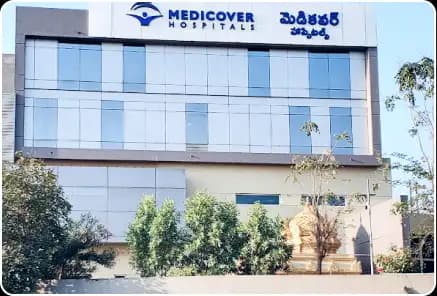
Medicover Hospitals – Best in Alahari Nagar, Nellore
- Beds
- 200
Gastroenterology at Medicover Hospitals
Gastroenterology focuses on the diagnosis and management of conditions affecting the digestive system, including the oesophagus, stomach, intestines, liver, gallbladder, bile ducts and pancreas. At Medicover Hospitals in Nellore, this specialty page helps patients understand the types of gastroenterology care they may seek locally, from evaluation of persistent digestive symptoms to assessment of liver and gastrointestinal disorders. Patients exploring gastroenterology in Nellore can learn about common conditions, diagnostic approaches, treatment options, specialist consultations and factors to consider when choosing a gastroenterology hospital. The appropriate investigation and treatment depend on the patient's symptoms, medical history, diagnosis and overall health.
Gastroenterology at Medicover Hospitals, Nellore
Gastroenterology is the medical specialty concerned with the digestive system and related organs. It covers a broad range of problems involving the food pipe (oesophagus), stomach, small and large intestines, liver, gallbladder, bile ducts and pancreas.
Patients may look for a gastroenterologist in Nellore when they experience persistent abdominal discomfort, acidity, changes in bowel habits, unexplained digestive symptoms, jaundice or abnormal liver-test results. Some conditions are short-term and manageable with appropriate medical care, while others require detailed investigation and long-term monitoring.
This page provides an overview of gastroenterology care associated with Medicover Hospitals in Nellore. It is intended to help patients understand common digestive conditions, diagnostic evaluations, possible treatment approaches and what to expect from a specialist consultation. The actual investigations and treatment recommended for an individual depend on the clinical assessment.
Gastroenterology Services and Areas of Care
Gastroenterology encompasses much more than treatment for stomach pain or acidity. A gastroenterology specialist may evaluate symptoms and conditions involving several interconnected parts of the digestive system.
Common areas of gastroenterology care include:
- Oesophageal disorders: Problems such as gastroesophageal reflux disease (GERD), difficulty swallowing and inflammation of the oesophagus.
- Stomach disorders: Gastritis, peptic ulcers, persistent indigestion and other upper digestive complaints.
- Intestinal disorders: Conditions causing diarrhoea, constipation, abdominal pain, bloating or changes in bowel habits.
- Colon and rectal conditions: Evaluation of persistent bowel symptoms, gastrointestinal bleeding and other colorectal concerns.
- Liver care: Assessment of fatty liver, hepatitis, abnormal liver enzymes, cirrhosis and other liver disorders.
- Gallbladder and bile duct conditions: Problems involving gallstones, inflammation or obstruction of the biliary system.
- Pancreatic disorders: Evaluation of conditions such as pancreatitis and other pancreatic abnormalities.
- Gastrointestinal bleeding: Investigation of symptoms such as vomiting blood, black stools or visible blood in the stool.
- Digestive cancer evaluation: Assessment of suspicious symptoms or findings that may require further investigation.
The purpose of specialist care is not simply to treat symptoms but, where appropriate, to identify the underlying cause and develop a management plan suited to the patient's condition.
Conditions Treated Under Gastroenterology
Acid Reflux and GERD
Gastroesophageal reflux disease occurs when stomach contents repeatedly move back into the oesophagus. Heartburn, sour taste, regurgitation and discomfort after meals are common symptoms. Persistent or troublesome reflux may require medical assessment to determine the appropriate treatment.
Gastritis and Peptic Ulcers
Gastritis refers to inflammation of the stomach lining, while peptic ulcers are open sores that can develop in the stomach or upper part of the small intestine. Symptoms can include upper abdominal pain, nausea, bloating or indigestion. Some ulcers can bleed and require prompt medical attention.
Irritable Bowel Syndrome
Irritable bowel syndrome (IBS) can cause abdominal pain associated with changes in bowel habits, including diarrhoea, constipation or alternating symptoms. Because similar symptoms can occur with other gastrointestinal disorders, appropriate clinical evaluation is important.
Inflammatory Bowel Disease
Inflammatory bowel diseases such as Crohn's disease and ulcerative colitis involve chronic inflammation of the gastrointestinal tract. Management may involve medication, nutritional support, monitoring and specialist follow-up depending on the condition and its severity.
Fatty Liver and Liver Disorders
Fatty liver disease involves excess fat accumulation in the liver. It may be associated with metabolic conditions, excess body weight, alcohol use or other factors. Other liver disorders include viral hepatitis, autoimmune liver disease and cirrhosis. Abnormal liver-function tests may be one reason a patient is referred for further evaluation.
Gallstones and Gallbladder Problems
Gallstones can sometimes cause abdominal pain, particularly after meals. They may also lead to complications involving the gallbladder or bile ducts. The appropriate management depends on symptoms, imaging findings and the presence of complications.
Pancreatitis and Pancreatic Conditions
Pancreatitis is inflammation of the pancreas and can cause significant abdominal pain, nausea and vomiting. It may occur suddenly or become recurrent. Specialist assessment can help determine the cause and appropriate management.
Gastrointestinal Bleeding
Bleeding anywhere in the digestive tract can have different causes, ranging from ulcers and inflammation to other gastrointestinal conditions. Vomiting blood, passing black tarry stools or significant rectal bleeding should not be ignored and may require urgent medical assessment.
Gastroenterology Treatments and Procedures
Gastroenterology treatment varies considerably because digestive symptoms can arise from many different conditions. A specialist may recommend medication, lifestyle measures, monitoring, an endoscopic procedure, referral to another specialist or a combination of approaches.
Depending on the diagnosis, treatment may include:
- Medicines for acid reflux and related disorders
- Treatment for gastritis and peptic ulcer disease
- Management of IBS symptoms
- Medical treatment and monitoring for inflammatory bowel disease
- Management of liver and metabolic conditions
- Treatment of gastrointestinal infections when clinically appropriate
- Management of gallbladder and pancreatic disorders
- Nutritional and lifestyle guidance where relevant
- Endoscopic evaluation or intervention when indicated
- Coordination with surgical or other specialist teams when a condition requires additional care
Common gastroenterology procedures include upper gastrointestinal endoscopy (EGD) and colonoscopy. These procedures allow specialists to examine parts of the digestive tract and, when appropriate, perform interventions such as tissue sampling or removal of certain lesions.
The availability of specific procedures, advanced endoscopic techniques and other services can vary between hospitals and should be confirmed directly with the healthcare provider.
Gastroenterology Diagnostic and Evaluation Services
Accurate diagnosis is an important part of digestive healthcare. The evaluation selected depends on symptoms, age, medical history, examination findings and the suspected condition.
A gastroenterology assessment may involve:
- Detailed medical and medication history
- Abdominal and general physical examination
- Blood tests, including liver-related investigations when indicated
- Stool testing where clinically appropriate
- Abdominal ultrasound or other imaging
- Upper gastrointestinal endoscopy
- Colonoscopy
- Biopsy or tissue examination when required
- Testing for selected gastrointestinal infections
- Further specialist investigations based on the initial findings
Not every patient needs every test. A qualified specialist determines which investigations are appropriate for the clinical situation.
When Should You See a Gastroenterology Specialist?
Occasional indigestion or an isolated episode of stomach discomfort may not necessarily require specialist care. However, persistent, recurrent or unexplained symptoms deserve appropriate medical evaluation.
Consider discussing your symptoms with a healthcare professional if you experience:
- Recurrent or persistent abdominal pain
- Frequent heartburn or acid reflux
- Difficulty or pain while swallowing
- Persistent bloating or indigestion
- Recurrent diarrhoea or constipation
- A sustained change in bowel habits
- Blood in the stool or black stools
- Repeated vomiting
- Unexplained weight loss
- Persistent loss of appetite
- Yellowing of the eyes or skin
- Abnormal liver-test results
- Recurrent symptoms associated with known liver, bowel, gallbladder or pancreatic disease
Some symptoms may require urgent medical attention. Significant gastrointestinal bleeding, severe or worsening abdominal pain, persistent vomiting, fainting or symptoms associated with severe illness should be assessed promptly rather than waiting for a routine appointment.
What to Expect During a Gastroenterology Consultation
A first gastroenterology consultation generally begins with a detailed discussion about your symptoms and medical history.
The specialist may ask:
- When did the symptoms begin?
- How frequently do they occur?
- Are they related to meals or particular foods?
- Have bowel habits changed?
- Are there associated symptoms such as vomiting, fever, bleeding or weight loss?
- What medicines and supplements are you currently taking?
- Have you previously undergone investigations or treatment?
A physical examination may then be performed where appropriate. Based on the findings, the specialist may recommend blood tests, imaging, endoscopy, colonoscopy or other investigations.
Once the available information is reviewed, the doctor can explain the likely causes or diagnostic possibilities and discuss appropriate treatment options. Follow-up may be recommended when symptoms require monitoring or when additional test results are pending.
Bringing previous medical records, investigation reports, a list of current medicines and information about previous treatments can make the consultation more useful.
Why Choose Gastroenterology Care at Medicover Hospitals?
Choosing a gastroenterology hospital involves more than searching for a nearby specialist. Patients should consider whether the healthcare setting can provide an appropriate pathway from initial consultation and diagnosis through treatment and follow-up.
For patients considering Medicover Hospitals in Nellore, useful factors to discuss include:
- Availability of gastroenterology consultation
- Access to appropriate diagnostic evaluation
- Whether required endoscopic procedures are available
- Coordination with other medical or surgical specialties when necessary
- Follow-up arrangements for chronic digestive conditions
- Emergency care pathways for urgent gastrointestinal problems
- Clear communication about investigations, treatment choices and expected follow-up
- Convenience of accessing care in Nellore
Specific doctors, procedures, diagnostic facilities and other hospital services should be confirmed with Medicover Hospitals or through the relevant appointment channel, as available services may vary.
Gastroenterology Doctors and Specialists
Gastroenterologists are physicians who specialise in diagnosing and managing diseases of the digestive system. Their work can include common problems such as reflux and gastritis as well as more complex conditions involving the intestines, liver, gallbladder and pancreas.
Depending on the patient's needs, gastroenterology care may also involve collaboration with general physicians, surgeons, oncologists, radiologists, dietitians or other specialists.
When selecting a gastroenterologist in Nellore, patients can consider the doctor's relevant clinical experience, the types of conditions they manage, the diagnostic and treatment pathway available, communication style and follow-up arrangements.
Doctor names have not been provided for this page, so no individual doctor credentials or expertise are attributed here.
Gastroenterology Care in Nellore
For people searching for gastroenterology in Nellore, local access can make it easier to seek evaluation when digestive symptoms persist or require follow-up. Medicover Hospitals is represented on this page for patients looking for gastroenterology care in the Nellore area, including those searching around Alahari Nagar.
Local specialty care can be particularly useful for conditions that require repeated consultations, medication monitoring, laboratory investigations or long-term management. Patients travelling from other parts of Nellore may also consider appointment availability, travel time, parking or transport arrangements, and whether the required diagnostic or treatment services are available at the chosen facility.
Because individual healthcare requirements differ, patients should confirm the availability of a particular gastroenterology service or procedure before visiting.
How to Choose the Right Gastroenterology Hospital or Specialist
If you are comparing gastroenterology hospitals or specialists in Nellore, consider the following:
Specialist Experience
Look for a qualified gastroenterologist whose clinical practice is relevant to your symptoms or diagnosed condition.
Diagnostic Approach
Ask whether the hospital can provide or coordinate the investigations you may require, such as laboratory testing, imaging or gastrointestinal endoscopy.
Treatment Options
Different digestive disorders require different approaches. A suitable provider should explain available treatment options and why a particular approach may be recommended.
Multidisciplinary Care
Complex liver, pancreatic, gastrointestinal or cancer-related conditions may involve more than one medical specialty. Ask how referrals and coordination are handled when additional expertise is required.
Follow-Up Care
Chronic digestive and liver conditions may require monitoring over time. Clear follow-up arrangements can help patients understand the next steps after consultation or treatment.
Communication
Patients should feel comfortable asking questions about diagnosis, investigations, medicines, procedures, risks and alternatives.
Accessibility
For ongoing treatment, a conveniently located hospital can make repeat appointments and follow-up easier. Patients in Nellore and areas around Alahari Nagar may consider travel convenience alongside clinical requirements.
Frequently Asked Questions About Gastroenterology
What does a gastroenterologist treat?
A gastroenterologist evaluates and manages conditions affecting the digestive system, including the oesophagus, stomach, intestines, liver, gallbladder, bile ducts and pancreas. Common examples include GERD, gastritis, ulcers, IBS, inflammatory bowel disease, liver disorders and gallstones.
When should I see a gastroenterologist in Nellore?
Consider specialist evaluation when digestive symptoms are persistent, recurrent, unexplained or associated with warning signs such as gastrointestinal bleeding, unexplained weight loss, jaundice, persistent vomiting or significant changes in bowel habits.
What happens during a gastroenterology consultation?
The consultation usually includes a discussion of symptoms and medical history, a clinical examination where appropriate, review of previous reports and consideration of further diagnostic tests. The specialist then discusses possible management options based on the findings.
Is an endoscopy always required for stomach problems?
No. Endoscopy is not necessary for every digestive complaint. Whether it is appropriate depends on symptoms, medical history, examination findings and other clinical factors. A gastroenterologist can determine whether an endoscopic examination is warranted.
What is the difference between a gastroenterologist and a general physician?
A general physician manages a broad range of adult medical conditions. A gastroenterologist has specialised training in diseases of the digestive system, including gastrointestinal, liver, gallbladder and pancreatic disorders.
How are liver problems evaluated?
Evaluation can involve medical history, physical examination, blood tests and imaging. Depending on the suspected condition, additional tests or specialist investigations may be recommended.
Can acidity or heartburn require specialist care?
Occasional heartburn can be common, but frequent, persistent or troublesome symptoms may need medical evaluation. A specialist can assess whether reflux or another gastrointestinal condition may be contributing to the symptoms.
How do I choose a gastroenterology hospital in Nellore?
Consider the availability of qualified specialists, appropriate diagnostic services, treatment options, follow-up care, communication and accessibility. For a specific procedure or investigation, confirm that the service is currently available at the hospital.
What should I bring to a gastroenterology appointment?
Bring previous medical records, laboratory or imaging reports, a list of medicines and supplements you take, details of previous treatments and a brief record of your current symptoms. This can help the specialist understand your medical history more efficiently.
How can I book a gastroenterology consultation at Medicover Hospitals?
Patients can use the relevant appointment or consultation channel associated with Medicover Hospitals and confirm gastroenterology availability, doctor schedules and any required preparation before the visit.
Best Gastroenterology Doctors at Medicover Hospitals, Alahari Nagar
Consult with our highly experienced experts at Medicover Hospitals.
 Gastroenterology
Dr G Vara Prasada Rao
 Gastroenterology
Dr Manoj Kumar C
 Gastroenterology
Dr Nitesh Pagadala
Gastroenterology Treatments
Upper Gi Endoscopy (gastroscopy)
Advanced treatment available at Medicover Hospitals.
Colonoscopy
Advanced treatment available at Medicover Hospitals.
Ercp (endoscopic Retrograde Cholangiopancreatography)
Advanced treatment available at Medicover Hospitals.
Endoscopic Ultrasound (eus)
Advanced treatment available at Medicover Hospitals.
Peptic Ulcer Treatment
Advanced treatment available at Medicover Hospitals.
Treatment For Gerd And Acid Reflux
Advanced treatment available at Medicover Hospitals.
Liver Disease & Fatty Liver Management
Advanced treatment available at Medicover Hospitals.
Endoscopic Treatment Of Gi Bleeding And Varices
Advanced treatment available at Medicover Hospitals.
Laparoscopic Gastrointestinal Surgery
Advanced treatment available at Medicover Hospitals.
Advanced Endoscopic Procedures For Gi And Pancreatic Disorders
Advanced treatment available at Medicover Hospitals.
Frequently Asked Questions About Gastroenterology
What types of gastroenterology procedures are performed at Medicover Hospitals?
We perform a wide range of gastroenterology procedures, from routine diagnostics to complex surgeries, using the latest medical technologies.
How can I book an appointment for Gastroenterology at Medicover Hospitals?
You can book an appointment through the Siris Healthcare platform by clicking the "Get Free Estimate" button or contacting our 24/7 helpline.
Other Medical Specialties at Medicover Hospitals Alahari Nagar
Get Expert Gastroenterology Care at Medicover Hospitals, Alahari Nagar
Schedule a consultation with our top specialists and get a personalized treatment plan with a free cost estimate.
Top Specialities at Medicover Hospitals Alahari Nagar
- Cardiology Department
- Oncology Department
- Neurology Department
- Neurosurgery Department
- Nephrology Department
- Gastroenterology Department
- General Surgery Department
- Gynecology Department
- Pediatrics Department
- Pulmonology Department
- Urology Department
- Emergency medicine Department
- ENT Department
- Diabetology Department
- Radiology Department
- Vascular Surgery Department
- Surgical Oncology Department
- Plastic Surgery Department
- Pathology Department
- Microbiology Department
- Medical Oncology Department
- Anesthesiology Department
- Nuclear Medicine Department
- Paediatrics & Neonatology Department
Best Hospitals in Nellore
Medical Services in India
Topics related to Medicover Hospitals
HRCT Chest: What Can It Detect and When Do Doctors Recommend This Lung Scan?
Persistent cough, unexplained breathlessness or an abnormal chest X-ray can some...
IV Thrombolysis for Stroke: When Can Clot-Busting Treatment Be Used?
A stroke can happen suddenly, and the first few hours can be critical because so...
HDR Brachytherapy for Cancer: When Is This Targeted Radiation Treatment Used?
When cancer treatment involves radiation therapy, patients may hear terms such a...
LINAC Radiation Therapy for Cancer: How Is Treatment Planned and Delivered?
Radiation therapy is an important part of treatment for many types of cancer. De...
Arthroscopy for Sports and Joint Injuries: When Is Minimally Invasive Surgery Considered?
Sports and joint injuries do not always require surgery. Depending on the type a...
Total Hip Replacement: Who May Need Surgery and What Does Recovery Involve?
Kidney Stone Treatment: RIRS, Laser Lithotripsy, PCNL and RecoveryKidney stones ...
Hemodialysis vs Peritoneal Dialysis: How Are the Treatment Options Different?
When kidney function becomes severely reduced, the kidneys may no longer be able...
Kidney Biopsy: Why Is It Recommended and What Should Patients Expect?
A kidney biopsy can sound intimidating when a doctor first recommends it. Unlike...
ERCP for Bile Duct Stones: How Does the Procedure Work and When Is It Recommended?
A gallstone does not always remain inside the gallbladder. Sometimes a stone mov...
Heart Valve Repair vs Replacement: How Do Doctors Decide Which Option Is Appropriate?
A diagnosis of heart valve disease does not automatically mean that you need ope...