
Robotic Surgery at Medicover Hospitals, Christian Colony, Karimnagar
Explore Robotic Surgery services, treatments, diagnostic care and related doctors at Medicover Hospitals.
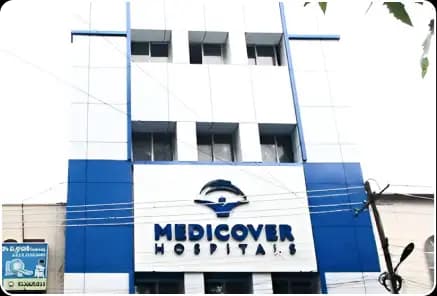
Medicover Hospitals – Best in Christian Colony, Karimnagar
Robotic Surgery at Medicover Hospitals
Robotic Surgery at Medicover Hospitals in Karimnagar is relevant to patients exploring modern surgical approaches that may use robotic-assisted technology as part of minimally invasive procedures. Robotic surgery is not a single treatment; its suitability depends on the condition being treated, the planned operation, the patient's health and the surgeon's clinical assessment. This page helps patients searching for robotic surgery in Karimnagar understand the specialty, commonly considered procedures, evaluation process, consultation journey and factors to consider when selecting surgical care. Patients can also explore information about robotic surgery specialists, treatment options and hospital-based care through Siris Healthcare. The availability of particular robotic procedures, equipment and specialist services should be confirmed directly with the hospital before scheduling treatment.
Robotic Surgery at Medicover Hospitals, Karimnagar
Robotic surgery refers to a form of minimally invasive surgery in which a surgeon controls specialised instruments through a robotic surgical system. The technology can support precise instrument movement and visualisation during selected operations, while the surgeon remains responsible for planning and performing the procedure.
For patients searching for robotic surgery in Karimnagar, understanding whether robotic-assisted surgery is appropriate is more important than simply choosing a procedure based on the technology used. The right surgical approach depends on the diagnosis, anatomy, complexity of the condition, previous treatments, overall health and the surgeon's assessment.
At Medicover Hospitals in Christian Colony, Karimnagar, patients exploring robotic surgery can use a specialist consultation to understand their diagnosis and discuss whether conventional surgery, laparoscopic surgery, robotic-assisted surgery or another treatment approach may be appropriate. Availability of specific robotic procedures and technology should be confirmed with the hospital.
Robotic Surgery Services and Areas of Care
Robotic-assisted surgery can be considered for selected procedures across different surgical specialties. It is particularly relevant when surgeons need enhanced visualisation and controlled instrument movement while working through small incisions.
Depending on the surgical specialty and hospital capabilities, robotic-assisted approaches may be considered in areas such as:
- General and gastrointestinal surgery
- Urological surgery
- Gynaecological surgery
- Colorectal procedures
- Selected hernia operations
- Certain cancer-related surgeries
- Selected procedures involving the abdomen or pelvis
- Other complex minimally invasive operations
Not every patient or condition requires robotic surgery. In some situations, open or conventional surgery may be more appropriate. A surgeon evaluates the individual case before recommending an operative approach.
Minimally Invasive Surgical Care
One of the main reasons patients may ask about robotic surgery is its relationship with minimally invasive surgery. Rather than making a large incision, many minimally invasive operations use smaller access points through which surgical instruments are introduced.
Potential benefits of a minimally invasive approach can include smaller incisions and, in appropriately selected procedures, reduced tissue disruption. However, outcomes vary according to the operation, the patient's health and other clinical factors.
Surgeon-Controlled Robotic Assistance
A robotic surgical platform does not independently decide how an operation is performed. The surgeon controls the system and uses its instruments to carry out the planned surgical steps.
This distinction is important for patients researching robotic surgery hospitals in Karimnagar. The technology is an aid to surgery rather than a replacement for clinical judgement.
Conditions Treated Under Robotic Surgery
Robotic surgery is a surgical approach rather than a disease-specific specialty. It may be used for selected conditions when the treating surgical team determines that a robotic-assisted operation is appropriate.
Hernias
Some types of abdominal wall hernias may be treated surgically, and minimally invasive or robotic approaches may be considered in selected cases. The choice depends on the location and size of the hernia, symptoms, previous surgery and other factors.
Gallbladder and Abdominal Conditions
Certain gallbladder and abdominal procedures can be performed using minimally invasive techniques. Whether robotic assistance is appropriate depends on the individual operation and the surgeon's assessment.
Colorectal Conditions
Selected colorectal diseases may require surgery. In appropriate cases, minimally invasive or robotic-assisted techniques may form part of the surgical plan.
Urological Conditions
Robotic-assisted surgery is used in some urological operations. The specific approach depends on the condition, the required procedure and the treating urological team.
Gynaecological Conditions
Some gynaecological procedures can be performed using minimally invasive techniques, including robotic-assisted approaches in appropriately selected patients.
Cancer Surgery
Surgery can form an important part of treatment for certain cancers. In some cases, minimally invasive or robotic-assisted techniques may be considered. Cancer surgery requires individual planning based on the type and stage of cancer and may involve multiple medical specialties.
Robotic Surgery Treatments and Procedures
The term "robotic surgery" covers different operations rather than one standard procedure. A surgeon may recommend robotic assistance when it is clinically appropriate for a particular operation.
Potential examples, depending on the hospital's available services and the relevant surgical department, include:
- Robotic-assisted hernia repair
- Selected colorectal surgery
- Selected gastrointestinal surgery
- Certain urological procedures
- Selected gynaecological procedures
- Certain cancer-related surgical procedures
- Other appropriately selected minimally invasive operations
The availability of these procedures should not be assumed solely because a hospital has a robotic surgery service. Patients should confirm the exact procedure, surgical team and technology available at the hospital.
Robotic-Assisted Surgery vs Conventional Surgery
Robotic-assisted surgery is one of several surgical approaches. Conventional open surgery may remain the preferred option for certain complex conditions, emergencies or patients with particular anatomical or medical considerations.
Laparoscopic surgery and robotic-assisted surgery are both minimally invasive approaches, but they use different instruments and operating systems. The appropriate technique is determined by the surgeon after evaluating the patient and planned operation.
Does Robotic Surgery Mean Faster Recovery?
Recovery depends on the procedure, the patient's general health, the complexity of the operation and whether complications occur. Some minimally invasive procedures may allow patients to recover sooner than comparable open procedures, but this should not be treated as a guaranteed outcome of robotic surgery.
Your surgeon can explain the expected hospital stay, activity restrictions, wound care and recovery timeline for the specific operation.
Robotic Surgery Diagnostic and Evaluation Services
Before robotic surgery is considered, the underlying medical problem needs to be accurately evaluated. The assessment may begin with a consultation and medical history, followed by an examination and appropriate investigations.
Depending on the condition, evaluation may include:
- Review of previous medical records
- Physical examination
- Blood and urine tests
- Ultrasound
- X-ray
- CT or MRI imaging when clinically indicated
- Endoscopic investigations for selected gastrointestinal conditions
- Cardiac or anaesthesia-related assessment before surgery
- Pathology or biopsy reports where relevant
- Other specialty-specific diagnostic tests
Not every patient needs every test. Investigations are selected according to the suspected condition and planned treatment.
A pre-operative assessment may also consider medications, allergies, previous operations, existing medical conditions, smoking or alcohol use, and previous reactions to anaesthesia.
When Should You See a Robotic Surgery Specialist?
You may consider a surgical consultation when a doctor has diagnosed a condition that could require an operation or when symptoms need assessment by a surgical specialist.
Situations that may lead to a surgical consultation include:
- A diagnosed condition for which surgery has been recommended
- A hernia that is painful, enlarging or affecting daily activities
- Recurrent abdominal problems requiring surgical assessment
- A condition that has not improved with appropriate non-surgical treatment
- A suspected surgical condition identified during diagnostic testing
- A need for a second opinion about a proposed operation
- A cancer diagnosis where surgery may form part of treatment
Robotic surgery should not be selected simply because it is technologically advanced. The important question is whether it is suitable for the particular patient and procedure.
Sudden severe abdominal pain, heavy bleeding, difficulty breathing, loss of consciousness or other potentially serious symptoms require prompt medical assessment rather than waiting for a routine robotic surgery consultation.
What to Expect During a Robotic Surgery Consultation
A consultation helps the surgical team determine whether an operation is necessary and which approach may be appropriate.
1. Medical History
The specialist may ask about your symptoms, previous diagnoses, surgeries, medications, allergies and other relevant health information.
2. Review of Reports
Previous scans, laboratory results, biopsy reports and medical records can help the surgeon understand the condition. Carrying relevant reports to the appointment can avoid unnecessary repetition.
3. Clinical Examination
Where appropriate, the surgeon may perform a physical examination related to the condition being evaluated.
4. Discussion of Surgical Options
If surgery is recommended, the surgeon can explain the proposed procedure and discuss available approaches, which may include open, laparoscopic or robotic-assisted surgery when clinically suitable.
5. Benefits and Risks
Patients should receive clear information about expected benefits, possible complications, anaesthesia, hospitalisation and recovery.
6. Follow-Up Planning
If surgery is planned, the team may explain pre-operative preparation, medications, admission requirements, post-operative care and follow-up appointments.
Why Consider Robotic Surgery Care at Medicover Hospitals?
This page represents Robotic Surgery at Medicover Hospitals, Karimnagar, and is intended for patients looking for local information about robotic-assisted surgical care.
Because specific hospital facilities, robotic platforms, procedures and individual surgeon availability can change, patients should verify these details directly with the hospital before making treatment decisions.
When evaluating robotic surgery care, patients may wish to ask:
- Which robotic procedures are currently performed?
- Which surgical specialist will perform the operation?
- Is robotic surgery appropriate for my particular condition?
- What alternatives are available?
- What investigations are required before surgery?
- What are the potential risks and complications?
- How long might hospitalisation and recovery take?
- What follow-up care will be required?
- What costs and insurance-related requirements apply?
These questions can help patients make an informed decision based on their individual medical needs rather than the technology alone.
Robotic Surgery Doctors and Specialists
Robotic surgery is performed by appropriately trained surgeons using a robotic surgical system. The relevant specialist depends on the condition being treated.
For example, a patient may be referred to a general surgeon, gastrointestinal surgeon, colorectal surgeon, urologist, gynaecological surgeon or another surgical specialist depending on the diagnosis and procedure.
The surgeon's experience should be considered alongside the type of operation being proposed. Patients can ask about the specialist's training, experience with the specific procedure, alternatives to robotic surgery and expected post-operative care.
No individual doctor names are listed here because verified doctor information was not provided for this page.
Robotic Surgery Care in Karimnagar
For people searching for robotic surgery in Karimnagar, local access can make specialist consultation, diagnostic evaluation and follow-up more convenient.
The represented hospital is Medicover Hospitals in Christian Colony, Karimnagar. Patients considering care should confirm the exact hospital location, consultation schedules, specialist availability and procedure availability before travelling.
Local patients may also compare providers based on practical factors such as appointment availability, accessibility from their home or workplace, continuity of care, availability of the relevant surgical specialty and arrangements for post-operative follow-up.
A local consultation can also help patients understand whether they actually need robotic surgery or whether another treatment approach would be more suitable.
How to Choose the Right Robotic Surgery Hospital or Specialist
Choosing a hospital for surgery involves more than searching for a "robotic surgery hospital near me." Consider the complete care pathway.
Relevant Surgical Expertise
Ask whether the surgeon regularly performs the specific procedure you require and whether robotic assistance is appropriate for your condition.
Appropriate Evaluation
A good surgical plan begins with an accurate diagnosis. Ask what investigations are required and how the results will influence treatment.
Treatment Alternatives
Patients should understand whether open surgery, laparoscopy, robotic-assisted surgery or non-surgical treatment are possible options.
Hospital Infrastructure
Depending on the procedure, patients may need anaesthesia services, laboratory testing, imaging, operating-room support and post-operative monitoring. Confirm that the services required for your planned treatment are available.
Multidisciplinary Care
Complex conditions, particularly cancer and some major abdominal or pelvic disorders, may require input from more than one specialty.
Follow-Up Care
Ask who will manage post-operative reviews, wound concerns, medication questions and recovery monitoring.
Communication
Your surgical team should explain the proposed operation, expected benefits, possible risks and alternatives in terms you can understand.
Accessibility
For patients in Karimnagar, choosing a conveniently accessible hospital in or around the city may make consultations and follow-up appointments easier to manage.
Frequently Asked Questions About Robotic Surgery
What does a robotic surgery specialist treat?
A robotic surgery specialist is generally a surgeon who uses robotic-assisted technology for selected operations. The underlying conditions vary according to the surgeon's specialty and may include certain gastrointestinal, colorectal, urological, gynaecological, hernia and cancer-related conditions.
Is robotic surgery suitable for everyone?
No. Robotic surgery is not appropriate for every patient or every operation. The decision depends on the diagnosis, anatomy, complexity of the procedure, previous surgery, overall health and the surgeon's clinical judgement.
Is robotic surgery the same as laparoscopic surgery?
Both can be minimally invasive approaches, but they use different surgical systems and instruments. Robotic surgery involves a robotic platform controlled by the surgeon. The appropriate approach depends on the specific operation and patient.
What procedures can be performed using robotic surgery?
Selected procedures in general surgery, gastrointestinal surgery, colorectal surgery, urology, gynaecology and cancer surgery may use robotic assistance. The exact procedures available at Medicover Hospitals in Karimnagar should be confirmed with the hospital.
How is a patient evaluated before robotic surgery?
Evaluation usually includes a medical history, clinical examination and review of relevant diagnostic reports. Depending on the condition, imaging, laboratory tests, endoscopy, biopsy or pre-anaesthesia assessment may also be required.
Does robotic surgery guarantee a faster recovery?
No. Recovery varies from one patient and procedure to another. Minimally invasive surgery can have recovery advantages in selected operations, but the outcome depends on several clinical factors.
What should I bring to a robotic surgery consultation?
Bring previous medical reports, scan or imaging reports, pathology results where applicable, a list of current medications, allergy information and details of previous surgeries or significant medical conditions.
How do I choose a robotic surgery hospital in Karimnagar?
Look at the surgeon's experience with the specific procedure, the diagnostic and surgical services available, treatment alternatives, peri-operative support, follow-up arrangements and accessibility. Confirm the availability of the particular robotic procedure before booking.
How can I book a robotic surgery consultation?
Patients can contact the hospital or use the relevant appointment channel to check specialist availability and schedule a consultation. Before booking, confirm the department, doctor, consultation timing and whether previous medical records should be brought.
Robotic Surgery Treatments
Robotic Prostatectomy
Advanced treatment available at Medicover Hospitals.
Robotic Knee Replacement
Advanced treatment available at Medicover Hospitals.
Robotic Hysterectomy
Advanced treatment available at Medicover Hospitals.
Robotic Partial Nephrectomy
Advanced treatment available at Medicover Hospitals.
Robotic Hernia Repair
Advanced treatment available at Medicover Hospitals.
Frequently Asked Questions About Robotic Surgery
What types of robotic surgery procedures are performed at Medicover Hospitals?
We perform a wide range of robotic surgery procedures, from routine diagnostics to complex surgeries, using the latest medical technologies.
How can I book an appointment for Robotic Surgery at Medicover Hospitals?
You can book an appointment through the Siris Healthcare platform by clicking the "Get Free Estimate" button or contacting our 24/7 helpline.
Other Medical Specialties at Medicover Hospitals Christian Colony
Get Expert Robotic Surgery Care at Medicover Hospitals, Christian Colony
Schedule a consultation with our top specialists and get a personalized treatment plan with a free cost estimate.
Top Specialities at Medicover Hospitals Christian Colony
- Cardiology Department
- cardiothoracic Department
- Critical care Department
- Emergency medicine Department
- General Surgery Department
- orthopedic Department
- obstetrics Department
- Gynecology Department
- Nephrology Department
- Neurology Department
- Gastroenterology Department
- General Surgery Department
- Urology Department
- Pulmonology Department
- Diabetology Department
- Hepatology Department
- Anesthesiology Department
- Radiology Department
- Pathology Department
- Physiotherapy Department
- Robotic Surgery Department
Best Hospitals in Karimnagar
Medical Services in India
Topics related to Medicover Hospitals
Pregnancy and Maternity Care: Important Reasons to Consult an Obstetrician
Pregnancy is a major physical and emotional change, and every pregnancy can deve...
MRI, CT and Ultrasound: How Doctors Choose the Right Diagnostic Scan
When a doctor recommends a scan, it is natural to wonder why one test is needed ...
Physiotherapy After Injury or Surgery: How Rehabilitation Supports Recovery
Recovering from an injury or surgery does not always end when the procedure is o...
Back and Spine Problems: When Should You Consult a Neurosurgeon?
Robotic surgery has become an important part of modern minimally invasive surger...
Robotic Surgery Explained: How Minimally Invasive Surgery Works and What Recovery Involves
Robotic surgery has become an important part of modern minimally invasive surger...
When Does a Patient Need ICU Care? Understanding Critical Care and Intensive Monitoring
Fatty liver disease is a common liver condition in which excess fat builds up in...
Fatty Liver Disease: Early Symptoms, Stages, Diagnosis and Treatment Options
Fatty liver disease is a common liver condition in which excess fat builds up in...
Heart Angiography and Cath Lab Procedures: When Do Doctors Recommend Them?
Heart-related symptoms can sometimes be caused by problems in the coronary arter...
Enlarged Prostate (BPH): Symptoms, Diagnosis, TURP Treatment and Recovery
An enlarged prostate is a common health concern in men as they get older. The me...
Kidney Stone Treatment: Laser Lithotripsy vs. RIRS vs. PCNL How Doctors Choose
Kidney stones can be small enough to pass without a procedure or large enough to...