
Emergency Medicine at Medicover Hospitals, Christian Colony, Karimnagar
Explore Emergency Medicine services, treatments, diagnostic care and related doctors at Medicover Hospitals.
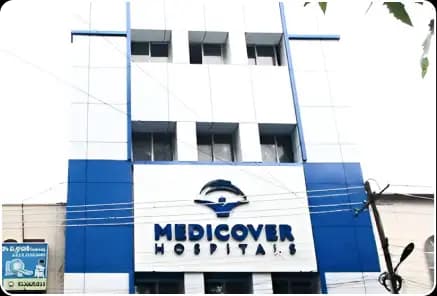
Medicover Hospitals – Best in Christian Colony, Karimnagar
Emergency Medicine at Medicover Hospitals
Emergency Medicine focuses on the rapid assessment and initial management of sudden illnesses, injuries and other conditions that require prompt medical attention. This page represents Emergency Medicine at Medicover Hospitals in Karimnagar and is intended for patients and families looking for emergency care in the city. Patients can explore information about urgent medical evaluation, common emergency conditions, diagnostic assessment, treatment approaches and what to expect when seeking care. Emergency situations can vary widely, from injuries and breathing difficulties to chest discomfort, severe infections, sudden neurological symptoms or other acute problems. The appropriate response depends on the patient's symptoms, clinical condition and medical history. For people searching for Emergency Medicine in Karimnagar, this page provides practical information to help understand emergency care and make informed decisions about seeking appropriate medical attention.
Emergency Medicine at Medicover Hospitals, Karimnagar
Emergency Medicine is dedicated to the assessment and initial treatment of patients with sudden or potentially serious medical problems. Unlike many planned consultations, emergency care often begins when a patient develops unexpected symptoms, suffers an injury or experiences a rapid change in their health.
For patients looking for Emergency Medicine in Karimnagar, the emergency department is an important point of care when immediate clinical assessment may be necessary. Emergency physicians and other healthcare professionals evaluate the urgency of the problem, identify potentially life-threatening conditions and determine the appropriate next steps.
At Medicover Hospitals in Karimnagar, this page provides information about the Emergency Medicine specialty and the types of acute medical situations for which patients may seek emergency care. The exact services, specialists, diagnostic facilities and treatment options available at the hospital should be confirmed directly with the hospital.
Emergency care is not limited to accidents. Sudden chest pain, difficulty breathing, severe abdominal pain, loss of consciousness, uncontrolled bleeding, seizures, serious allergic reactions and signs of stroke can also require urgent medical assessment.
Emergency Medicine Services and Areas of Care
Emergency Medicine covers a broad range of acute medical problems. The immediate priority is generally to assess the patient's condition, identify urgent risks and provide appropriate initial management.
Depending on the clinical situation and available hospital services, emergency care may involve:
- Rapid assessment of sudden or severe symptoms
- Initial stabilization of critically ill or injured patients
- Evaluation of injuries and acute trauma
- Management of sudden breathing difficulties
- Assessment of chest pain and other potentially cardiac symptoms
- Evaluation of sudden neurological symptoms
- Treatment of acute infections and fever-related emergencies
- Assessment of severe abdominal or gastrointestinal symptoms
- Management of allergic reactions and other acute reactions
- Evaluation of poisoning or suspected toxic exposure
- Initial care for burns, wounds and bleeding
- Assessment of sudden changes in consciousness
- Coordination with other medical or surgical specialties when required
The treatment pathway depends on the nature and severity of the problem. Some patients may need only emergency evaluation and short-term treatment, while others may require observation, admission, specialist intervention or transfer to another level of care.
Urgent Medical Assessment
Emergency Medicine prioritizes patients according to clinical urgency rather than simply the order in which they arrive. This process helps identify people who may require immediate attention because their condition could deteriorate quickly.
Stabilization and Initial Treatment
When a serious condition is suspected, emergency care may focus first on stabilizing essential body functions and addressing immediate threats. Further investigations and specialist treatment can follow once the patient's condition has been assessed.
Coordination With Other Specialties
Some emergencies require care from cardiology, neurology, general surgery, orthopaedics, critical care, obstetrics, paediatrics or other specialties. Emergency Medicine can serve as the initial clinical point of assessment before the patient is referred or admitted for further management.
Conditions Treated Under Emergency Medicine
Emergency departments manage a wide spectrum of acute illnesses and injuries. The following are examples of situations that commonly require emergency evaluation.
Chest Pain and Suspected Cardiac Emergencies
New or severe chest pain, pressure or discomfort can have several causes, including potentially serious cardiac conditions. Symptoms may sometimes be accompanied by sweating, breathlessness, nausea, dizziness or discomfort extending to the arm, shoulder, back, neck or jaw.
Because it is not possible to determine the cause from symptoms alone, sudden or severe chest discomfort should receive prompt medical assessment.
Breathing Difficulties
Sudden shortness of breath can occur with respiratory infections, asthma, allergic reactions, heart-related problems and other conditions. Severe breathing difficulty, particularly when associated with bluish lips, confusion, chest pain or inability to speak normally, warrants urgent medical attention.
Stroke-Like Symptoms
Sudden facial weakness, weakness or numbness of an arm or leg, difficulty speaking, confusion, vision changes or loss of balance can be warning signs of a stroke.
Rapid evaluation is important because some stroke treatments are time-sensitive. Patients should seek emergency medical care immediately rather than waiting for symptoms to resolve.
Serious Infections
Certain infections can progress rapidly and may cause high fever, confusion, breathing difficulties, very low blood pressure or significant weakness. Emergency assessment may be required when infection is accompanied by signs of severe illness or deterioration.
Injuries and Trauma
Falls, road traffic injuries, workplace accidents, sports injuries, cuts and other traumatic events may require emergency assessment. The initial evaluation can help determine whether there is significant bleeding, a fracture, internal injury or another complication requiring further treatment.
Severe Abdominal Pain
Sudden or severe abdominal pain can have many possible causes, ranging from gastrointestinal problems to conditions requiring urgent surgery. Assessment may involve examination, laboratory tests and imaging when clinically indicated.
Allergic Reactions
Severe allergic reactions can cause swelling, difficulty breathing, wheezing, dizziness or a sudden drop in blood pressure. These symptoms can represent a medical emergency and require immediate treatment.
Seizures and Loss of Consciousness
A first-time seizure, prolonged seizure, repeated seizures without recovery or unexplained loss of consciousness should be medically evaluated. Emergency assessment helps identify possible underlying causes and determine whether further neurological investigation is necessary.
Emergency Medicine Treatments and Procedures
Emergency treatment is guided by the patient's immediate clinical needs rather than by a predetermined treatment plan. Depending on the condition, emergency management can include supportive care, medication, wound management, monitoring, stabilization or referral for specialist treatment.
Potential emergency interventions may include:
- Management of acute pain
- Treatment of dehydration and fluid imbalance
- Medication for acute allergic or respiratory problems
- Wound cleaning and dressing
- Control of bleeding
- Initial management of fractures and other injuries
- Treatment of acute infections when appropriate
- Stabilization of patients with serious illness
- Emergency management of altered consciousness
- Resuscitation and life-support measures when clinically required
Certain emergency procedures, such as airway management, cardiopulmonary resuscitation, fracture stabilization or other interventions, are performed according to the patient's condition and the capabilities of the treating facility.
Emergency Medicine may also involve preparing a patient for surgery, intensive care or another specialist intervention when the clinical situation requires it.
Treatment depends on the underlying condition, diagnosis and individual health needs. Patients should discuss appropriate treatment options with a qualified healthcare professional.
Emergency Medicine Diagnostic and Evaluation Services
Diagnosis in an emergency setting is often focused on quickly identifying conditions that could threaten a patient's health or require urgent treatment.
The evaluation may begin with:
- A review of symptoms and medical history
- Assessment of vital signs
- Physical examination
- Evaluation of pain and symptom severity
- Medication and allergy history
- Assessment of previous medical conditions and relevant risk factors
Depending on the symptoms, healthcare professionals may recommend laboratory investigations, imaging or other diagnostic tests.
Possible investigations can include blood and urine tests, blood glucose testing, electrocardiography (ECG), X-rays, ultrasound, CT scans or other imaging studies when clinically appropriate and available.
Not every patient requires every test. The choice of investigation depends on the symptoms, physical findings, medical history and suspected condition.
In emergencies, the purpose of diagnostic evaluation is not simply to identify a disease. It is also to determine how urgently the patient needs treatment and whether further observation, admission, specialist consultation or another level of care is necessary.
When Should You Seek Emergency Medicine Care?
Emergency care is appropriate when symptoms are sudden, severe, potentially life-threatening or cannot safely wait for a routine appointment.
Seek immediate medical attention for symptoms such as:
- Severe difficulty breathing
- Sudden or severe chest pain
- Signs of stroke, including sudden weakness or difficulty speaking
- Uncontrolled bleeding
- Loss of consciousness
- Severe allergic reaction
- Seizure, particularly a first or prolonged seizure
- Serious injury or major trauma
- Severe burns
- Sudden confusion or significant change in alertness
- Severe abdominal pain accompanied by concerning symptoms
- Suspected poisoning or dangerous chemical exposure
When symptoms are severe or rapidly worsening, patients should use appropriate emergency services rather than attempting to self-diagnose or delay treatment.
For less urgent concerns, a scheduled consultation with an appropriate specialist or primary-care clinician may be more suitable.
What to Expect During an Emergency Medicine Consultation
Emergency care is different from a routine outpatient appointment because the patient's condition is assessed according to urgency.
1. Initial Assessment
The healthcare team will typically assess the patient's immediate symptoms and vital signs. Patients with signs of serious illness may require immediate attention.
2. Medical History
The clinician may ask about the onset of symptoms, existing medical conditions, medications, allergies, recent injuries, previous procedures and other relevant information.
If the patient is unable to provide a history, information from family members, caregivers or accompanying persons may be useful.
3. Physical Examination
A focused physical examination helps the clinical team understand the severity and possible cause of the problem.
4. Diagnostic Evaluation
Tests may be recommended based on the symptoms and examination findings. These could include blood tests, ECG, imaging or other investigations.
5. Immediate Treatment
Treatment is directed toward the identified problem and the patient's immediate needs. Some patients may improve after emergency treatment, while others may need continued observation or specialist management.
6. Follow-Up or Admission
Depending on the diagnosis and clinical condition, the patient may be discharged with follow-up advice, kept under observation, admitted to the hospital or referred to another specialist or facility.
Why Choose Emergency Medicine Care at Medicover Hospitals?
When selecting an Emergency Medicine hospital in Karimnagar, patients and families should focus on the hospital's ability to provide appropriate assessment and timely medical care for urgent conditions.
For Medicover Hospitals, Karimnagar, patients may use this page to understand the Emergency Medicine specialty and explore the care pathway relevant to acute medical concerns. Specific emergency services, specialist availability, diagnostic facilities, admission arrangements and procedures can vary and should be confirmed with the hospital.
Important factors to consider when choosing emergency care include:
- Availability of emergency medical assessment
- Appropriate clinical expertise
- Access to relevant diagnostic evaluation
- Ability to manage acute illness and injury
- Coordination with other specialties when required
- Availability of observation or inpatient care when clinically indicated
- Clear communication with patients and families
- Appropriate follow-up after emergency treatment
- Convenient location and accessibility
In a genuine emergency, the priority should be reaching appropriate medical care without unnecessary delay.
Emergency Medicine Doctors and Specialists
Emergency Medicine doctors are trained to evaluate undifferentiated acute medical problems. A patient may arrive without knowing whether their symptoms are related to the heart, lungs, nervous system, digestive system or another part of the body.
The emergency physician's role is to assess the situation, identify immediate risks, initiate appropriate treatment and determine the next stage of care.
Depending on the problem, an emergency physician may coordinate with specialists such as:
- Cardiologists for suspected cardiac emergencies
- Neurologists for acute neurological symptoms
- General surgeons for conditions requiring surgical assessment
- Orthopaedic specialists for significant musculoskeletal injuries
- Critical care specialists for patients requiring intensive monitoring
- Paediatric specialists for seriously ill children
- Other specialty teams according to the patient's needs
No individual doctor names have been provided for this page, so specific doctor expertise or availability should not be assumed. Patients looking for Emergency Medicine doctors in Karimnagar should verify the current specialist roster and emergency coverage directly with Medicover Hospitals.
Emergency Medicine Care in Karimnagar
Patients searching for Emergency Medicine in Karimnagar may prefer local access to urgent medical evaluation, particularly when travelling to a distant facility could delay assessment.
This page represents Emergency Medicine at Medicover Hospitals in Christian Colony, Karimnagar. The locality is relevant for patients and families specifically looking for emergency medical care in and around this part of the city.
For urgent conditions, accessibility can be an important practical consideration. Patients should consider travel time, road access, availability of emergency services and whether the hospital can manage the type of emergency involved.
For non-emergency concerns, patients can consider arranging a planned consultation with the relevant specialist instead of using emergency services.
How to Choose the Right Emergency Medicine Hospital or Specialist
When comparing emergency care options in Karimnagar, consider the following:
Appropriate Emergency Expertise
Emergency Medicine requires clinicians who can assess a wide variety of acute symptoms and recognize situations that need immediate intervention.
Diagnostic Support
Patients may need blood tests, ECG, imaging or other investigations. The appropriate diagnostic options depend on the clinical problem and the facility's available services.
Multidisciplinary Coordination
Serious emergencies may involve more than one medical specialty. Ask whether the hospital has an established pathway for specialist consultation when required.
Treatment and Observation
Some patients need immediate treatment and discharge, while others require observation or hospital admission. Understanding the available care pathway can help families make practical decisions.
Communication
Clear explanations about the suspected problem, investigations, treatment and follow-up can make emergency care easier for patients and their families to understand.
Accessibility
For emergencies, location matters. Consider how easily the hospital can be reached and whether the emergency department is appropriate for the type of medical problem involved.
Follow-Up Care
Emergency treatment may address the immediate problem without completing the entire course of care. Patients should understand whether they need a specialist appointment, repeat testing or other follow-up.
Frequently Asked Questions About Emergency Medicine
What does an Emergency Medicine specialist treat?
Emergency Medicine specialists assess and initially manage sudden illnesses, injuries and potentially serious medical conditions. This can include chest pain, breathing problems, trauma, severe infections, allergic reactions, seizures, loss of consciousness and other acute conditions.
When should I go to an Emergency Medicine department?
Emergency care is appropriate when symptoms are severe, sudden, rapidly worsening or potentially life-threatening. Examples include severe breathing difficulty, chest pain, uncontrolled bleeding, loss of consciousness, stroke-like symptoms and serious injuries.
What happens when I arrive at an emergency department?
The healthcare team generally begins by assessing the patient's urgency and vital signs. A medical history and physical examination follow, with diagnostic tests and treatment selected according to the patient's condition.
Are all patients treated in the order they arrive?
Not necessarily. Emergency departments generally prioritize patients according to the severity and urgency of their medical condition. A person who arrives later may require immediate attention if their condition is more serious.
What tests may be performed during emergency care?
Depending on the symptoms, evaluation may include blood tests, urine tests, ECG, X-rays, ultrasound, CT imaging or other investigations. The treating clinician decides which tests are appropriate.
Can an Emergency Medicine doctor refer me to another specialist?
Yes. If the emergency assessment identifies a condition requiring specialty management, the emergency team may coordinate with an appropriate specialist or department.
How do I choose an Emergency Medicine hospital in Karimnagar?
Consider factors such as emergency accessibility, appropriate medical expertise, diagnostic support, specialist coordination, treatment and observation facilities, communication and follow-up arrangements. For urgent situations, reaching appropriate medical care promptly is the priority.
Can I book an Emergency Medicine consultation for a non-emergency problem?
Emergency departments are primarily designed for urgent medical problems. For a non-emergency concern, a scheduled consultation with the relevant specialist may be more appropriate. Patients can check current appointment options with Medicover Hospitals or through Siris Healthcare.
What should I bring when seeking emergency care?
If practical, bring identification, current medication details, allergy information, previous medical records and relevant investigation reports. However, do not delay emergency treatment while collecting documents if the condition is serious.
Is Emergency Medicine the same as routine medical care?
No. Emergency Medicine focuses on sudden or potentially serious problems requiring prompt assessment and initial treatment. Routine or long-term health concerns are generally better managed through planned consultations and follow-up care.
Best Emergency Medicine Doctors at Medicover Hospitals, Christian Colony
Consult with our highly experienced experts at Medicover Hospitals.
 Emergency medicine
Dr P Dileep Kumar
Dr Gangula Ravi Kiran
 Emergency medicine
Dr Vemula Sathyanarayana
Emergency Medicine Treatments
Trauma & Accident Emergency Care
Advanced treatment available at Medicover Hospitals.
Heart Attack & Acute Cardiac Emergency Care
Advanced treatment available at Medicover Hospitals.
Stroke & Neurological Emergency Management
Advanced treatment available at Medicover Hospitals.
Respiratory Emergency Treatment
Advanced treatment available at Medicover Hospitals.
Sepsis & Severe Infection Management
Advanced treatment available at Medicover Hospitals.
Poisoning & Drug Overdose Treatment
Advanced treatment available at Medicover Hospitals.
Snakebite & Animal-Bite Management
Advanced treatment available at Medicover Hospitals.
Shock & Severe Bleeding Management
Advanced treatment available at Medicover Hospitals.
Burn & Acute Wound Management
Advanced treatment available at Medicover Hospitals.
Emergency Surgical & Critical Care Procedures
Advanced treatment available at Medicover Hospitals.
Emergency Toothache Relief Package
Advanced treatment available at Medicover Hospitals.
Frequently Asked Questions About Emergency Medicine
What types of emergency medicine procedures are performed at Medicover Hospitals?
We perform a wide range of emergency medicine procedures, from routine diagnostics to complex surgeries, using the latest medical technologies.
How can I book an appointment for Emergency Medicine at Medicover Hospitals?
You can book an appointment through the Siris Healthcare platform by clicking the "Get Free Estimate" button or contacting our 24/7 helpline.
Other Medical Specialties at Medicover Hospitals Christian Colony
Get Expert Emergency Medicine Care at Medicover Hospitals, Christian Colony
Schedule a consultation with our top specialists and get a personalized treatment plan with a free cost estimate.
Top Specialities at Medicover Hospitals Christian Colony
- Cardiology Department
- cardiothoracic Department
- Critical care Department
- Emergency medicine Department
- General Surgery Department
- orthopedic Department
- obstetrics Department
- Gynecology Department
- Nephrology Department
- Neurology Department
- Gastroenterology Department
- General Surgery Department
- Urology Department
- Pulmonology Department
- Diabetology Department
- Hepatology Department
- Anesthesiology Department
- Radiology Department
- Pathology Department
- Physiotherapy Department
- Robotic Surgery Department
Best Hospitals in Karimnagar
Medical Services in India
Topics related to Medicover Hospitals
Pregnancy and Maternity Care: Important Reasons to Consult an Obstetrician
Pregnancy is a major physical and emotional change, and every pregnancy can deve...
MRI, CT and Ultrasound: How Doctors Choose the Right Diagnostic Scan
When a doctor recommends a scan, it is natural to wonder why one test is needed ...
Physiotherapy After Injury or Surgery: How Rehabilitation Supports Recovery
Recovering from an injury or surgery does not always end when the procedure is o...
Back and Spine Problems: When Should You Consult a Neurosurgeon?
Robotic surgery has become an important part of modern minimally invasive surger...
Robotic Surgery Explained: How Minimally Invasive Surgery Works and What Recovery Involves
Robotic surgery has become an important part of modern minimally invasive surger...
When Does a Patient Need ICU Care? Understanding Critical Care and Intensive Monitoring
Fatty liver disease is a common liver condition in which excess fat builds up in...
Fatty Liver Disease: Early Symptoms, Stages, Diagnosis and Treatment Options
Fatty liver disease is a common liver condition in which excess fat builds up in...
Heart Angiography and Cath Lab Procedures: When Do Doctors Recommend Them?
Heart-related symptoms can sometimes be caused by problems in the coronary arter...
Enlarged Prostate (BPH): Symptoms, Diagnosis, TURP Treatment and Recovery
An enlarged prostate is a common health concern in men as they get older. The me...
Kidney Stone Treatment: Laser Lithotripsy vs. RIRS vs. PCNL How Doctors Choose
Kidney stones can be small enough to pass without a procedure or large enough to...