
Oncology at Medicover Cancer Institute, Hitec City, Hyderabad
Explore Oncology services, treatments, diagnostic care and related doctors at Medicover Cancer Institute.
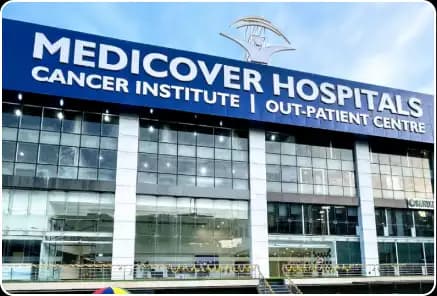
Medicover Cancer Institute – Best in Hitec City, Hyderabad
- Beds
- 200
- Established
- 2018
Oncology at Medicover Cancer Institute
Oncology at Medicover Cancer Institute in Hitec City, Hyderabad, is focused on the evaluation and management of cancer and tumour-related conditions. The centre brings together medical, surgical and radiation oncology services, allowing patients to explore different treatment approaches based on their diagnosis and individual needs. Medicover's official information describes care across areas including medical oncology, surgical oncology, radiation oncology, breast oncology, uro-oncology, thoracic oncology, hemato-oncology and oncoplastic surgery. Patients searching for oncology in Hyderabad can use this page to understand common cancer conditions, diagnostic evaluations, treatment options, specialist consultations and factors to consider when choosing cancer care. The Medicover Cancer Institute is located opposite Cyber Gateway, beside IBIS Hotel, in HUDA Techno Enclave, Hitec City.
Oncology at Medicover Cancer Institute, Hyderabad
Oncology is the medical specialty concerned with the prevention, diagnosis, staging, treatment and ongoing management of cancer. Cancer care is not a single treatment or procedure. Depending on the type, location and stage of cancer, a patient may need one treatment approach or a combination of surgery, medicines, radiation therapy and supportive care.
At Medicover Cancer Institute in Hitec City, Hyderabad, the oncology service encompasses medical, surgical and radiation oncology. The hospital's published information also identifies areas such as breast oncology, thoracic oncology, uro-oncology, hemato-oncology and oncoplastic surgery.
For someone searching for an oncology hospital in Hyderabad, the important consideration is not simply the availability of a cancer specialist. Cancer treatment often involves several stages, from confirming the diagnosis and determining the extent of disease to selecting an appropriate treatment plan and monitoring the response over time. A coordinated approach can help patients understand why different specialists or investigations may be recommended.
Treatment decisions should always be based on the individual's diagnosis, pathology, imaging findings, overall health, treatment goals and the recommendations of qualified oncology professionals.
Oncology Services and Areas of Care
Cancer care can involve several oncology disciplines. The appropriate combination depends on the patient's cancer type and clinical circumstances.
Medical Oncology
Medical oncologists manage cancer using medicines and systemic treatments. Depending on the cancer and its biological characteristics, treatment may include chemotherapy, immunotherapy, targeted therapy or hormone therapy. Medicover's Hyderabad oncology information lists these treatment categories among its cancer services.
Medical oncology may be involved at different stages of care, including treatment before or after surgery, management of advanced disease, or long-term systemic treatment where clinically appropriate.
Surgical Oncology
Surgical oncology focuses on the surgical management of cancer. Surgery may be considered when a tumour can be removed safely and when the expected benefits outweigh the risks.
The Medicover Cancer Institute identifies surgical oncology as part of its cancer-care offering, including cancer surgery across areas such as breast, gastrointestinal, head and neck, gynaecological and uro-oncology. Its official pages also describe robotic and minimally invasive surgical approaches.
Radiation Oncology
Radiation oncology uses carefully planned radiation treatment to manage cancer. Depending on the disease, radiation may be used as the main treatment, after surgery, before surgery, or alongside other therapies.
The hospital's published oncology information describes radiation oncology and precision radiation treatment as part of its cancer-care services.
Hemato-Oncology and Other Cancer Specialties
Some cancers affect blood, bone marrow or the lymphatic system and require specialist hemato-oncology care. Other oncology subspecialties focus on particular organs or cancer types, including breast, thoracic, colorectal and urological cancers.
The Medicover Cancer Institute lists hemato-oncology, breast oncology, thoracic oncology, uro-oncology, colorectal surgery and other cancer-related specialties among its areas of care.
Conditions Treated Under Oncology
Oncology covers a broad range of cancers. The exact treatment pathway depends on the cancer's type, stage, molecular characteristics and the patient's overall health.
Breast Cancer
Breast cancer may present as a breast lump, change in breast shape or size, skin changes, nipple changes or abnormal discharge. Evaluation can involve clinical examination, breast imaging and tissue sampling when indicated.
Treatment may involve surgery, radiation therapy, chemotherapy, hormone therapy, targeted therapy or a combination, depending on the cancer characteristics.
Lung and Thoracic Cancers
Lung cancer and other thoracic malignancies may require assessment of persistent respiratory symptoms, abnormal imaging findings or other concerning clinical signs.
Depending on the diagnosis, evaluation may include imaging, biopsy and additional tests to determine the cancer type and stage. Treatment can include surgery, systemic therapy, radiation therapy or combined approaches.
Gastrointestinal and Colorectal Cancers
Cancers involving the stomach, intestine, colon, rectum and other gastrointestinal organs may cause symptoms such as persistent abdominal discomfort, changes in bowel habits, unexplained weight loss or blood in the stool.
Treatment planning commonly depends on the location and stage of the tumour and may involve surgery, chemotherapy, radiation therapy or systemic medicines.
Head and Neck Cancers
Head and neck cancers can involve areas such as the mouth, throat, larynx and related structures. A persistent mouth ulcer, unexplained lump, difficulty swallowing, voice changes or a neck swelling may require medical evaluation.
Depending on the diagnosis, care may involve surgery, radiation, systemic treatment or a combination.
Urological and Prostate Cancers
Urological oncology covers cancers affecting the urinary system and male reproductive organs, including kidney, bladder and prostate cancers.
Symptoms vary according to the organ involved. Treatment can include surgery, radiation, systemic therapy, hormone treatment or other approaches based on the cancer.
Blood Cancers
Blood cancers include conditions such as leukemia, lymphoma and multiple myeloma. These diseases can require specialised laboratory evaluation, imaging, bone marrow assessment and other investigations.
Hemato-oncology specialists help determine the appropriate diagnostic and treatment pathway.
Gynaecological Cancers
Gynaecological oncology involves cancers affecting organs such as the cervix, uterus, ovaries and other parts of the female reproductive system.
Treatment may include surgery, chemotherapy, radiation therapy, targeted treatment or combinations of these approaches depending on the diagnosis.
Oncology Treatments and Procedures
Cancer treatment is highly individualised. Two people with the same broad cancer type may receive different treatment plans because of differences in tumour stage, pathology, molecular features, age, general health and previous treatment.
Common oncology treatment categories include:
- Chemotherapy: Medicines that destroy or inhibit the growth of cancer cells. It may be administered alone or alongside surgery or radiation.
- Immunotherapy: Treatment that helps the immune system recognise and respond to cancer cells in selected cancers.
- Targeted therapy: Medicines designed to act on specific molecular or biological features associated with certain cancers.
- Hormone therapy: Used for cancers whose growth is influenced by hormones, such as selected breast or prostate cancers.
- Radiation therapy: Uses high-energy radiation to treat cancer cells in a defined treatment area.
- Cancer surgery: Surgical removal of a tumour may be appropriate for selected cancers.
- Robotic or minimally invasive surgery: These approaches may be considered for selected procedures when clinically suitable. Medicover's published information describes robotic and minimally invasive cancer surgery.
- Combined treatment: Some patients may require a sequence or combination of surgery, systemic therapy and radiation.
The hospital's published oncology information specifically lists chemotherapy, radiation therapy, immunotherapy, targeted therapy, hormone therapy and surgical oncology among its treatment approaches.
Not every treatment is appropriate for every cancer. A qualified oncologist should determine whether a particular therapy or procedure is suitable.
Oncology Diagnostic and Evaluation Services
Accurate diagnosis is an essential part of cancer care. Before treatment is selected, doctors generally need to establish what type of cancer is present and determine how extensively it has developed.
Depending on the suspected condition, evaluation may involve:
Clinical Examination
The initial assessment may include a review of symptoms, previous medical history, medications, family history and risk factors, followed by a physical examination where appropriate.
Imaging
Imaging can help identify abnormalities, assess tumour location and support cancer staging. Depending on the clinical situation, doctors may consider ultrasound, CT, MRI, mammography, PET-CT or other imaging examinations.
Medicover's Cancer Institute information references advanced imaging and 4D PET-CT as part of its cancer-care infrastructure.
Biopsy and Pathology
A biopsy involves obtaining a sample of tissue or cells for examination. Pathology helps establish whether cancer is present and, when applicable, identifies the tumour type and characteristics that can influence treatment planning.
Laboratory and Molecular Evaluation
Blood tests and other laboratory investigations may be used to assess overall health, monitor treatment or investigate particular cancers. In selected cases, molecular or biomarker testing can provide information relevant to targeted treatments or immunotherapy.
Cancer Staging
Once cancer is confirmed, doctors may perform additional tests to determine its stage. Staging helps describe the extent of disease and is an important part of treatment planning.
When Should You See an Oncology Specialist?
Not every symptom indicates cancer, but persistent or unexplained changes should not be ignored.
An oncology consultation or appropriate medical evaluation may be considered when a person has findings such as:
- A new or persistent lump or swelling
- Unexplained weight loss
- Unusual or persistent bleeding
- A sore or ulcer that does not heal
- A persistent cough or voice change
- Unexplained, ongoing pain
- Persistent changes in bowel or bladder habits
- Difficulty swallowing
- Significant or unexplained changes in a mole or skin lesion
- Abnormal findings on screening or imaging
- A previously diagnosed cancer requiring treatment or follow-up
These symptoms can have many causes other than cancer. A doctor can determine what evaluation is appropriate rather than relying on symptoms alone.
People with a confirmed cancer diagnosis may also seek an oncology consultation to understand their treatment options or obtain a second medical opinion.
What to Expect During an Oncology Consultation
An oncology consultation can feel overwhelming, particularly when a patient has recently received an abnormal test result or cancer diagnosis. Knowing what generally happens can make the appointment easier to prepare for.
1. Medical History Review
The specialist may ask about current symptoms, previous illnesses, surgeries, medications, allergies and relevant family history.
2. Review of Existing Reports
Patients may be asked to bring pathology reports, biopsy results, imaging reports, scan CDs or digital records, blood-test results and previous treatment summaries.
3. Clinical Assessment
The oncologist may conduct a physical examination when appropriate and assess symptoms in the context of the available medical information.
4. Diagnosis and Stage Discussion
If cancer has already been confirmed, the specialist may explain the cancer type and stage, if established. If the diagnosis is still uncertain, additional testing may be recommended.
5. Treatment Discussion
Depending on the diagnosis, the oncologist may discuss surgery, chemotherapy, radiation, immunotherapy, targeted therapy, hormone therapy, clinical monitoring or combinations of treatments.
6. Follow-Up Planning
Patients should leave the consultation with a clear understanding of the next steps, recommended investigations, treatment schedule where applicable and when they should return.
It is reasonable to ask questions about the purpose of a treatment, possible side effects, alternatives, expected monitoring and practical aspects of care.
Why Choose Oncology Care at Medicover Cancer Institute?
Patients comparing an oncology hospital in Hyderabad should consider whether the centre can provide an appropriate pathway for diagnosis, specialist consultation, treatment and follow-up.
Medicover's official Cancer Institute information describes the Hitec City centre as a dedicated cancer facility offering medical, surgical and radiation oncology, with additional cancer specialties including breast oncology, thoracic oncology, uro-oncology, hemato-oncology and oncoplastic surgery.
The hospital also states that its cancer centre uses a multidisciplinary approach and provides treatment options across chemotherapy, immunotherapy, targeted therapy, radiation and cancer surgery.
For patients, the practical value of a multidisciplinary cancer service is that different specialists can contribute to treatment planning when a case requires more than one type of oncology expertise.
Patients should still discuss their individual diagnosis with the appropriate specialist and confirm which services, treatments and facilities are suitable and available for their specific case.
Oncology Doctors and Specialists
Cancer treatment may involve different specialists depending on the diagnosis.
A medical oncologist focuses primarily on systemic cancer treatments such as chemotherapy, immunotherapy, targeted therapy and hormone therapy.
A surgical oncologist evaluates whether surgery is appropriate and manages cancer-related surgical procedures.
A radiation oncologist plans and delivers radiation treatment when radiation is indicated.
Other specialists may contribute to care depending on the cancer, including pathologists, radiologists, nuclear medicine specialists, nutrition professionals and other medical or surgical teams.
Medicover's published doctor information includes oncologists practising at its Hyderabad Cancer Institute. For example, its official profile lists Dr A Venugopal as a Senior Consultant Medical Oncologist and Hemato-Oncologist, while Dr Ravi Chander Veligeti is listed as a Senior Consultant Surgical Oncologist.
Patients should review current doctor profiles and consultation availability before booking, as specialist availability can change.
Oncology Care in Hitec City, Hyderabad
For patients searching for oncology in Hyderabad, location can be an important practical consideration because cancer treatment may involve repeated consultations, investigations, treatment sessions and follow-up appointments.
Medicover Cancer Institute is located opposite Cyber Gateway, beside IBIS Hotel, in HUDA Techno Enclave, Hitec City, Hyderabad. The hospital's published location information identifies the centre as being close to the Cyber Towers area and Hitec City transport connections.
The centre may therefore be relevant for patients looking for cancer care around Hitec City and nearby parts of Hyderabad. The hospital's own location information lists areas including Madhapur, Kondapur, Gachibowli, Jubilee Hills, Raidurg, Shilpa Layout and Kothaguda among nearby localities.
When planning cancer treatment, patients should consider travel time, frequency of appointments, access to required investigations and the convenience of returning for follow-up.
How to Choose the Right Oncology Hospital or Specialist
Choosing cancer care is an important decision, and the right hospital can differ depending on the patient's diagnosis and treatment requirements.
Consider the following:
Relevant specialist expertise: Look for specialists experienced in managing the particular cancer type rather than choosing solely on general reputation.
Diagnostic capability: Ask whether the required imaging, biopsy, pathology and other investigations can be arranged as part of the diagnostic pathway.
Multidisciplinary care: Complex cancer cases may benefit from input from medical, surgical and radiation oncology teams.
Treatment options: Ask which evidence-based treatment approaches may be appropriate for the specific diagnosis.
Hospital infrastructure: For patients requiring surgery, chemotherapy or intensive monitoring, the available hospital facilities and support services can be important.
Follow-up care: Cancer treatment often continues beyond the initial procedure or treatment cycle. Understand how monitoring and follow-up will be managed.
Communication: A good consultation should allow patients and families to understand the diagnosis, proposed treatment, potential side effects and alternatives.
Accessibility: Consider the hospital's location and how practical it will be to attend repeated appointments or treatment sessions.
Second opinions: For major treatment decisions, seeking a second opinion can sometimes help patients better understand their diagnosis and available options.
Frequently Asked Questions About Oncology
What does an oncology specialist treat?
An oncology specialist evaluates and manages cancer and tumour-related conditions. Depending on their subspecialty, they may focus on medical treatments, cancer surgery, radiation therapy or specific cancer types.
When should I see an oncology specialist?
You may need an oncology consultation if cancer has been confirmed, if a diagnostic report requires specialist interpretation, if your doctor recommends cancer evaluation, or if you need advice about treatment options or a second opinion.
What cancer treatments are available?
Treatment depends on the type and stage of cancer. Options can include surgery, chemotherapy, radiation therapy, immunotherapy, targeted therapy and hormone therapy. Some patients require a combination of treatments.
How is cancer diagnosed?
Cancer diagnosis may involve clinical assessment, imaging, laboratory tests and biopsy. Additional tests may be required to determine the cancer type, stage and biological characteristics.
Is chemotherapy suitable for every cancer patient?
No. Chemotherapy is useful for selected cancers and clinical situations, but it is not appropriate for every patient. The decision depends on the cancer type, stage, overall health and treatment objectives.
What is the difference between medical, surgical and radiation oncology?
Medical oncology focuses on cancer medicines, surgical oncology focuses on cancer-related surgery, and radiation oncology focuses on treating cancer with radiation. Patients may need one or several of these specialties.
Can I get a second opinion for a cancer diagnosis?
Yes, patients can seek a second oncology opinion to review their diagnosis, pathology, imaging and proposed treatment plan. This can be particularly useful when considering major or complex treatment decisions.
What should I bring to an oncology consultation?
Bring previous medical records, biopsy and pathology reports, imaging reports and scans, blood-test results, medication details, previous treatment records and a list of questions you want to discuss.
How do I choose an oncology hospital in Hyderabad?
Consider the hospital's relevant oncology specialties, diagnostic services, treatment options, multidisciplinary support, specialist availability, follow-up arrangements and accessibility. The most appropriate choice depends on your individual diagnosis and care requirements.
How can I book an oncology consultation at Medicover Cancer Institute?
Patients can check the hospital's current oncology doctor profiles and appointment options before scheduling a consultation. Availability, consultation timings and the appropriate specialist can vary, so confirming these details in advance is advisable.
Oncology Treatments
Cancer Surgery / Surgical Oncology
Advanced treatment available at Medicover Cancer Institute.
Chemotherapy
Advanced treatment available at Medicover Cancer Institute.
Radiation Therapy / Radiotherapy
Advanced treatment available at Medicover Cancer Institute.
Immunotherapy
Advanced treatment available at Medicover Cancer Institute.
Targeted Therapy
Advanced treatment available at Medicover Cancer Institute.
Hormone Therapy
Advanced treatment available at Medicover Cancer Institute.
Precision Oncology / Biomarker-Based Treatment
Advanced treatment available at Medicover Cancer Institute.
Brachytherapy
Advanced treatment available at Medicover Cancer Institute.
Palliative & Supportive Cancer Care
Advanced treatment available at Medicover Cancer Institute.
Bone Marrow & Stem Cell Transplant
Advanced treatment available at Medicover Cancer Institute.
Frequently Asked Questions About Oncology
What types of oncology procedures are performed at Medicover Cancer Institute?
We perform a wide range of oncology procedures, from routine diagnostics to complex surgeries, using the latest medical technologies.
How can I book an appointment for Oncology at Medicover Cancer Institute?
You can book an appointment through the Siris Healthcare platform by clicking the "Get Free Estimate" button or contacting our 24/7 helpline.
Other Medical Specialties at Medicover Cancer Institute Hitec City
Get Expert Oncology Care at Medicover Cancer Institute, Hitec City
Schedule a consultation with our top specialists and get a personalized treatment plan with a free cost estimate.
Top Specialities at Medicover Cancer Institute Hitec City
Best Hospitals in Hyderabad
- Aarogyam Dental Care Madhapur
- Aig Hospitals Gachibowli
- Amor Hospitals Kukatpally
- Apollo Hospitals Jubilee Hills
- Aster Hospitals Ameerpet
- Avasa Hospitals Manikonda
- Bhoomi Hospitals Manikonda
- Care Hospitals Banjara Hills
- Citizens Specialty Hospital Nallagandla
- Cloudnine Hospital Hitec City
- Derma 360 Madhapur
- Dr. Arya's Multispecialty Dental Hospital Banjara Hills
- Dr. Gowd's Dental Gachibowli
- Dr. Gowd's Dental Madhapur
- Dr. Gowd's Dental Koti
- Dr. Gowd's Dental Nanakramguda
- Dr. Gupta's Integrated Wellness Centre Bowenpally
- Greenmed Hospital Srinagar Colony
- Health On Us Madhapur
- Kamineni Hospitals Lb Nagar
Medical Services in India
Best Multispeciality Hospitals in Hyderabad
- Aig Hospitals Gachibowli
- Apollo Hospitals Jubilee Hills
- Aster Hospitals Ameerpet
- Avasa Hospitals Manikonda
- Bhoomi Hospitals Manikonda
- Care Hospitals Banjara Hills
- Citizens Specialty Hospital Nallagandla
- Cloudnine Hospital Hitec City
- Kamineni Hospitals Lb Nagar
- Kims - Arete Hitec City
- Kims - Sunshine Hospitals Begumpet
- Kims Asian Transcare Banjara Hills
- Kims Hospitals Secunderabad
- Kims Hospitals Kondapur
- Kims Hospitals Gachibowli
- Kims Hospitals Kompally
- Kims Mippl Paradise Circle
- Kiran Multispeciality Hospital Karmanghat
- Mythri Hospitals Mehdipatnam
- Olive Hospitals Mehdipatnam
Topics related to Medicover Cancer Institute
Advanced Cancer Care in Hitec City Hyderabad: Understanding Oncology Specialists, Treatments and Follow-Up
A cancer diagnosis can bring many questions at once: Which specialist should I c...
Cancer Screening for Adults in Hyderabad: Tests for Breast, Lung, Colon and Other Cancers
Cancer Screening for Adults in Hyderabad: Tests for Breast, Lung, Colon and Othe...
Cancer Treatment Side Effects: Managing Fatigue, Nausea, Pain and Other Common Symptoms
Cancer Treatment Side Effects: Managing Fatigue, Nausea, Pain and Other Common S...
Cancer Surgery in Hyderabad: When Surgery Is Recommended and What Recovery Involves
A cancer diagnosis often brings an overwhelming number of questions: Will I need...
Prostate Cancer Symptoms and Treatment in Hyderabad: Screening, Diagnosis and Care Options
Prostate cancer is one of the cancers that primarily affects men, particularly a...
Immunotherapy for Cancer in Hyderabad: How It Works, Who May Benefit and What to Expect
A cancer diagnosis can bring many questions, especially when your oncologist men...
Breast Cancer Screening in Hyderabad: Mammogram, Warning Signs and When to Get Tested
Breast cancer is one of the most common cancers affecting women, but finding a b...
Oncology Treatment in Hitec City Hyderabad: Diagnosis, Cancer Care and Treatment Options Explained
Finding out that you or someone in your family may have cancer can bring many qu...