
Physiotherapy at Medicover Cancer Institute, Hitec City, Hyderabad
Explore Physiotherapy services, treatments, diagnostic care and related doctors at Medicover Cancer Institute.
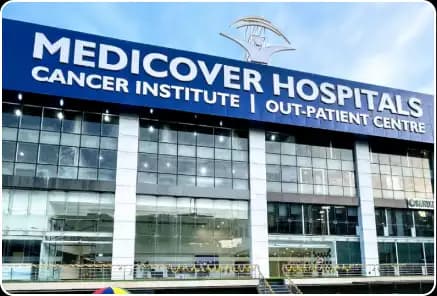
Medicover Cancer Institute – Best in Hitec City, Hyderabad
- Beds
- 200
- Established
- 2018
Physiotherapy at Medicover Cancer Institute
Physiotherapy at Medicover Cancer Institute in HITEC City, Hyderabad, focuses on rehabilitation and functional recovery for patients who may experience weakness, reduced mobility, pain, stiffness, balance difficulties or physical limitations during or after medical and cancer-related treatment. Physiotherapy can form an important part of supportive care by helping patients work toward safer movement, improved strength, better flexibility and greater independence in daily activities. Depending on the individual's condition, rehabilitation may include mobility exercises, strengthening, balance training, functional exercises, posture guidance and other clinically appropriate techniques. This page helps patients exploring physiotherapy in Hyderabad understand the types of rehabilitation needs that may be assessed, what to expect from a consultation, and how to choose appropriate specialist care.
Physiotherapy at Medicover Cancer Institute, Hyderabad
Physiotherapy is an important part of rehabilitation for people whose movement, strength, endurance or physical function has been affected by illness, surgery, prolonged hospitalisation or medical treatment. At Medicover Cancer Institute in HITEC City, Hyderabad, physiotherapy and rehabilitation can be considered as part of supportive care when clinically appropriate.
For patients undergoing cancer treatment, physical changes can occur for many reasons. Surgery may temporarily limit movement. Extended periods of bed rest can contribute to muscle weakness and reduced endurance. Some patients may experience stiffness, fatigue, balance difficulties or difficulty returning to everyday activities after treatment. Rehabilitation is intended to address these functional concerns in a structured and individualised manner.
The purpose of physiotherapy is not simply to reduce pain. Depending on the patient's needs, therapy may focus on maintaining or restoring movement, improving physical strength, supporting safe mobility and helping a person gradually return to appropriate daily activities.
Treatment decisions should always be based on the underlying condition, current medical status, treatment history and overall health. A physiotherapist works within the patient's broader medical care plan and coordinates rehabilitation goals with the treating healthcare team when required.
Physiotherapy Services and Areas of Care
Physiotherapy covers a broad range of rehabilitation needs. The appropriate approach depends on the patient's diagnosis, symptoms, functional limitations and recovery stage.
Mobility and Functional Rehabilitation
Patients who have become less active because of illness, hospitalisation or treatment may experience reduced mobility. Physiotherapy can involve guided movement and functional exercises designed to help patients perform everyday activities more safely and comfortably.
Depending on individual needs, rehabilitation may address:
- Bed mobility and transfers
- Sitting and standing tolerance
- Walking and movement practice
- Muscle strengthening
- Flexibility and joint mobility
- Balance and coordination
- Functional independence
- Safe movement strategies
The pace and intensity of rehabilitation should be adapted to the person's condition rather than following a fixed programme.
Cancer Rehabilitation and Supportive Physiotherapy
Cancer rehabilitation aims to address physical limitations associated with cancer and its treatment. Depending on the type of cancer, treatment received and overall health, rehabilitation may be relevant before treatment, during treatment or during recovery.
Potential rehabilitation goals can include maintaining physical function, managing movement-related limitations, improving strength and helping patients gradually resume appropriate activities.
Not every patient undergoing cancer treatment requires the same form of physiotherapy. The rehabilitation plan should be determined after clinical assessment.
Post-Surgical Rehabilitation
Following surgery, patients may experience temporary weakness, stiffness, restricted movement or difficulty returning to normal activities. Physiotherapy may be recommended as part of recovery where appropriate.
The rehabilitation programme may include gradual exercises, mobility training, strengthening and functional activities. The exact timing of therapy depends on the surgery, healing status and instructions from the treating medical team.
Pain and Movement Management
Some musculoskeletal problems can cause pain that affects movement and daily activities. Physiotherapy assessment can help identify movement limitations and functional problems that may respond to therapeutic exercise or other clinically appropriate rehabilitation techniques.
Pain should not automatically be assumed to be a physiotherapy problem. Persistent, severe, unexplained or worsening symptoms require appropriate medical evaluation.
Conditions Treated Under Physiotherapy
Physiotherapists may work with patients experiencing a wide range of movement and functional problems. At a cancer-focused hospital, rehabilitation may be particularly relevant when physical function is affected by illness, surgery, prolonged hospitalisation or treatment.
Musculoskeletal Problems
Common rehabilitation concerns can include:
- Back and neck pain
- Joint stiffness
- Muscle weakness
- Reduced flexibility
- Postural problems
- Movement limitations
- Recovery after fractures or orthopaedic procedures
The cause of symptoms should be evaluated before a treatment programme is selected.
Neurological Rehabilitation
Some neurological conditions can affect walking, balance, coordination, muscle control or independence. Physiotherapy may form part of rehabilitation for patients with movement-related neurological limitations.
Examples can include rehabilitation following stroke or management of mobility difficulties associated with neurological disorders. The appropriate programme depends on the neurological diagnosis and functional assessment.
Post-Treatment Weakness and Deconditioning
Patients who have spent considerable time in hospital or experienced reduced physical activity may develop general weakness and lower exercise tolerance. A supervised rehabilitation programme may help address these limitations progressively.
Balance and Mobility Difficulties
Balance problems can increase the risk of falls and may affect confidence during walking. Physiotherapy may include balance assessment, gait-related exercises and strategies designed around the patient's functional needs.
Cancer-Related Functional Limitations
Cancer and its treatment can sometimes affect physical function through surgery, fatigue, weakness, pain or reduced activity. Rehabilitation can focus on maintaining or rebuilding appropriate physical capacity while respecting the patient's medical condition and treatment plan.
Physiotherapy Treatments and Procedures
Physiotherapy is generally based on assessment followed by a rehabilitation programme suited to the patient's needs. Depending on the condition, treatment approaches may include:
- Therapeutic exercises
- Strengthening exercises
- Stretching and flexibility exercises
- Mobility training
- Balance exercises
- Gait training
- Functional rehabilitation
- Posture and movement education
- Manual therapy where clinically appropriate
- Electrotherapy modalities where indicated
- Home exercise guidance
The use of any specific technique depends on the patient's diagnosis, medical history, treatment stage and clinical assessment.
For patients recovering from surgery or cancer treatment, rehabilitation should be progressed carefully. Exercise intensity, positioning and movement restrictions may need to be modified according to medical advice.
Physiotherapy is also not necessarily limited to hospital-based sessions. When appropriate, patients may receive guidance on exercises and safe movement strategies that can be continued outside the clinical setting.
Physiotherapy Diagnostic and Evaluation Services
Physiotherapy begins with assessment rather than immediately starting exercises.
A rehabilitation evaluation may consider:
- Presenting symptoms
- Pain and its effect on movement
- Muscle strength
- Joint range of motion
- Balance and coordination
- Walking pattern
- Functional abilities
- Posture and movement
- Previous surgery or medical treatment
- Current activity level
- Relevant medical restrictions
For patients undergoing cancer treatment, the physiotherapist may also need to understand the broader treatment history and current medical status.
Additional investigations or imaging may be required when the symptoms indicate an underlying medical or structural problem. Physiotherapists may review relevant reports where available, while diagnosis of medical conditions remains the responsibility of the appropriate healthcare professional.
When Should You See a Physiotherapy Specialist?
A physiotherapy assessment may be appropriate when pain, weakness, stiffness or reduced mobility begins to interfere with normal activities.
Patients may consider professional evaluation for concerns such as:
- Difficulty walking or moving normally
- Reduced muscle strength
- Persistent stiffness
- Difficulty recovering after surgery
- Balance problems
- Reduced physical endurance
- Difficulty returning to daily activities after illness
- Movement limitations following medical treatment
- Rehabilitation needs after prolonged hospitalisation
For people receiving cancer treatment, rehabilitation needs should be discussed with the treating medical team before starting a new exercise programme.
Urgent symptoms such as sudden severe weakness, sudden loss of movement, chest pain, severe breathing difficulty or other acute changes require immediate medical attention rather than routine physiotherapy.
What to Expect During a Physiotherapy Consultation
A physiotherapy consultation is usually centred on understanding how a health condition is affecting movement and everyday function.
1. Medical and Treatment History
The physiotherapist may ask about symptoms, previous treatment, surgery, medications, physical activity and relevant medical conditions.
For cancer patients, information about current or completed cancer treatment can be particularly important when planning rehabilitation.
2. Functional Assessment
The assessment may look at movement, strength, flexibility, balance, walking and the ability to perform everyday tasks.
3. Rehabilitation Goals
The physiotherapist may discuss practical goals with the patient. These can range from improving walking and strength to becoming more independent with everyday activities.
4. Individualised Treatment Plan
Based on the assessment, the therapist can recommend appropriate exercises or rehabilitation techniques. The plan may be adjusted as the patient's condition changes.
5. Follow-Up and Progress Review
Rehabilitation is often progressive. Follow-up assessments can help determine whether exercises, activity levels or other therapy approaches need to be modified.
Patients should report new, worsening or unusual symptoms rather than attempting to push through them.
Why Choose Physiotherapy Care at Medicover Cancer Institute?
For patients specifically looking for physiotherapy connected with cancer care, the setting in which rehabilitation is delivered can be an important consideration.
Medicover Cancer Institute in HITEC City is a dedicated cancer-care facility, and its official hospital information lists physiotherapy and rehabilitation among its support services. This makes rehabilitation relevant to patients who may need physical recovery support alongside their broader cancer care.
A hospital-based rehabilitation pathway can be particularly useful when a patient's physical limitations are connected with surgery, medical treatment, hospitalisation or another significant health condition. However, the exact physiotherapy services appropriate for an individual patient depend on clinical assessment and the facilities available for that specific need.
When choosing physiotherapy care, patients should consider whether the provider understands their medical history, whether rehabilitation goals are clearly explained, whether the programme is appropriately supervised and whether communication with the wider healthcare team is possible when required.
Physiotherapy Doctors and Specialists
Physiotherapy care is provided by qualified physiotherapists who assess movement and physical function and develop rehabilitation plans within their professional scope.
Depending on the patient's condition, physiotherapy may involve coordination with oncologists, surgeons, physicians, nurses and other rehabilitation professionals. This multidisciplinary approach can be especially relevant for patients recovering from cancer treatment or major surgery.
Medicover Hospitals provides a Hyderabad physiotherapy specialist listing, including physiotherapy professionals. Patients should confirm the current specialist, appointment availability and the specific location of the consultation before booking.
The right physiotherapist depends on the patient's rehabilitation needs. Someone recovering from surgery may require a different rehabilitation approach from a patient managing a neurological condition, chronic musculoskeletal problem or cancer-treatment-related functional limitation.
Physiotherapy Care in Hyderabad
Patients searching for physiotherapy in Hyderabad may choose care close to home, work or their existing medical team. Medicover Cancer Institute is located in HITEC City, making the location relevant for patients seeking rehabilitation services within Hyderabad's major healthcare and technology corridor.
The hospital is located opposite Cyber Gateway, beside IBIS Hotel, in HUDA Techno Enclave, HITEC City, Hyderabad. Its location can be convenient for patients from parts of western Hyderabad, although travel time can vary significantly with traffic and appointment timing.
Patients considering physiotherapy in HITEC City should also think beyond location. The most important factors include the therapist's suitability for the patient's condition, the quality of assessment, communication with the treating medical team when necessary, rehabilitation goals and follow-up arrangements.
For cancer patients, proximity can be particularly practical when rehabilitation needs to be coordinated around ongoing medical appointments. However, treatment should always be selected based on clinical suitability rather than location alone.
How to Choose the Right Physiotherapy Hospital or Specialist
Choosing a physiotherapy provider involves more than searching for a nearby clinic. Consider the following factors before beginning treatment:
Relevant Clinical Experience
Ask whether the physiotherapist regularly manages conditions similar to yours, particularly if rehabilitation follows cancer treatment, major surgery, neurological illness or another complex medical condition.
Appropriate Assessment
A good rehabilitation programme should begin with an assessment rather than applying the same exercises to every patient.
Clear Treatment Goals
Patients should understand what the rehabilitation programme is intended to achieve and how progress will be evaluated.
Coordination With Medical Care
Patients with complex medical conditions may benefit when physiotherapy is coordinated with their treating doctors and other healthcare professionals.
Safe Progression
Exercises should be adjusted according to symptoms, strength, endurance, healing and medical restrictions. More exercise is not automatically better.
Follow-Up
Ask how progress will be reviewed and when the rehabilitation programme may need to be changed.
Accessibility and Convenience
A location that is practical for regular appointments can make it easier to maintain a rehabilitation programme, particularly when multiple sessions are recommended.
Frequently Asked Questions About Physiotherapy
What does a physiotherapist treat?
Physiotherapists help assess and manage movement and functional problems such as pain, stiffness, weakness, balance difficulties, reduced mobility and recovery-related limitations. Treatment depends on the underlying condition.
Can physiotherapy help cancer patients?
Physiotherapy can form part of rehabilitation and supportive care for some cancer patients. It may help address physical limitations associated with treatment, surgery, weakness, reduced activity or mobility problems. The programme should be tailored to the individual's medical condition.
When should I see a physiotherapist in Hyderabad?
Consider a physiotherapy assessment if pain, stiffness, weakness, balance problems or reduced mobility is affecting everyday activities, or if rehabilitation has been recommended after surgery or medical treatment.
What happens during a physiotherapy consultation?
The physiotherapist generally reviews your medical history and symptoms, assesses movement and physical function, discusses rehabilitation goals and recommends an appropriate treatment or exercise plan.
Is physiotherapy useful after surgery?
Physiotherapy may be recommended after certain surgeries to support mobility, strength, flexibility and functional recovery. The timing and exercises depend on the type of surgery and the patient's healing status.
Can physiotherapy help with weakness after hospitalisation?
In appropriate cases, rehabilitation can help address deconditioning, reduced strength, mobility limitations and difficulty returning to normal activities after a prolonged illness or hospital stay.
How many physiotherapy sessions will I need?
There is no standard number of sessions. The required duration depends on the diagnosis, severity of functional limitations, medical status, rehabilitation goals and progress during treatment.
Is physiotherapy painful?
Some exercises or manual techniques may feel challenging or temporarily uncomfortable, but treatment should be appropriately adapted to the patient's condition. Significant or worsening pain should be discussed with the treating professional.
How do I choose a physiotherapy specialist in Hyderabad?
Look for a qualified physiotherapist with experience relevant to your condition, a clear assessment process, appropriate rehabilitation methods, good communication and practical follow-up arrangements.
How can I book a physiotherapy consultation at Medicover Cancer Institute?
Patients can check current physiotherapy availability, specialist details and appointment options through the hospital's official appointment channels. The appropriate location and specialist should be confirmed when booking.
Important Patient Note
Physiotherapy is not a substitute for medical diagnosis or treatment when an underlying medical condition requires physician or specialist care. Treatment depends on the patient's diagnosis, medical history, physical condition and rehabilitation goals. Patients should discuss appropriate treatment and exercise options with a qualified healthcare professional, particularly during or after cancer treatment, surgery or other complex medical care.
Physiotherapy Treatments
Manual Therapy
Advanced treatment available at Medicover Cancer Institute.
Therapeutic Exercise Therapy
Advanced treatment available at Medicover Cancer Institute.
Electrotherapy / Tens / Ift
Advanced treatment available at Medicover Cancer Institute.
Post-Surgical Rehabilitation
Advanced treatment available at Medicover Cancer Institute.
Neurological Physiotherapy
Advanced treatment available at Medicover Cancer Institute.
Frequently Asked Questions About Physiotherapy
What types of physiotherapy procedures are performed at Medicover Cancer Institute?
We perform a wide range of physiotherapy procedures, from routine diagnostics to complex surgeries, using the latest medical technologies.
How can I book an appointment for Physiotherapy at Medicover Cancer Institute?
You can book an appointment through the Siris Healthcare platform by clicking the "Get Free Estimate" button or contacting our 24/7 helpline.
Other Medical Specialties at Medicover Cancer Institute Hitec City
Get Expert Physiotherapy Care at Medicover Cancer Institute, Hitec City
Schedule a consultation with our top specialists and get a personalized treatment plan with a free cost estimate.
Top Specialities at Medicover Cancer Institute Hitec City
Best Hospitals in Hyderabad
- Aarogyam Dental Care Madhapur
- Aig Hospitals Gachibowli
- Amor Hospitals Kukatpally
- Apollo Hospitals Jubilee Hills
- Aster Hospitals Ameerpet
- Avasa Hospitals Manikonda
- Bhoomi Hospitals Manikonda
- Care Hospitals Banjara Hills
- Citizens Specialty Hospital Nallagandla
- Cloudnine Hospital Hitec City
- Derma 360 Madhapur
- Dr. Arya's Multispecialty Dental Hospital Banjara Hills
- Dr. Gowd's Dental Gachibowli
- Dr. Gowd's Dental Madhapur
- Dr. Gowd's Dental Koti
- Dr. Gowd's Dental Nanakramguda
- Dr. Gupta's Integrated Wellness Centre Bowenpally
- Greenmed Hospital Srinagar Colony
- Health On Us Madhapur
- Kamineni Hospitals Lb Nagar
Medical Services in India
Best Multispeciality Hospitals in Hyderabad
- Aig Hospitals Gachibowli
- Apollo Hospitals Jubilee Hills
- Aster Hospitals Ameerpet
- Avasa Hospitals Manikonda
- Bhoomi Hospitals Manikonda
- Care Hospitals Banjara Hills
- Citizens Specialty Hospital Nallagandla
- Cloudnine Hospital Hitec City
- Kamineni Hospitals Lb Nagar
- Kims - Arete Hitec City
- Kims - Sunshine Hospitals Begumpet
- Kims Asian Transcare Banjara Hills
- Kims Hospitals Secunderabad
- Kims Hospitals Kondapur
- Kims Hospitals Gachibowli
- Kims Hospitals Kompally
- Kims Mippl Paradise Circle
- Kiran Multispeciality Hospital Karmanghat
- Mythri Hospitals Mehdipatnam
- Olive Hospitals Mehdipatnam
Topics related to Medicover Cancer Institute
Advanced Cancer Care in Hitec City Hyderabad: Understanding Oncology Specialists, Treatments and Follow-Up
A cancer diagnosis can bring many questions at once: Which specialist should I c...
Cancer Screening for Adults in Hyderabad: Tests for Breast, Lung, Colon and Other Cancers
Cancer Screening for Adults in Hyderabad: Tests for Breast, Lung, Colon and Othe...
Cancer Treatment Side Effects: Managing Fatigue, Nausea, Pain and Other Common Symptoms
Cancer Treatment Side Effects: Managing Fatigue, Nausea, Pain and Other Common S...
Cancer Surgery in Hyderabad: When Surgery Is Recommended and What Recovery Involves
A cancer diagnosis often brings an overwhelming number of questions: Will I need...
Prostate Cancer Symptoms and Treatment in Hyderabad: Screening, Diagnosis and Care Options
Prostate cancer is one of the cancers that primarily affects men, particularly a...
Immunotherapy for Cancer in Hyderabad: How It Works, Who May Benefit and What to Expect
A cancer diagnosis can bring many questions, especially when your oncologist men...
Breast Cancer Screening in Hyderabad: Mammogram, Warning Signs and When to Get Tested
Breast cancer is one of the most common cancers affecting women, but finding a b...
Oncology Treatment in Hitec City Hyderabad: Diagnosis, Cancer Care and Treatment Options Explained
Finding out that you or someone in your family may have cancer can bring many qu...