
Brachytherapy
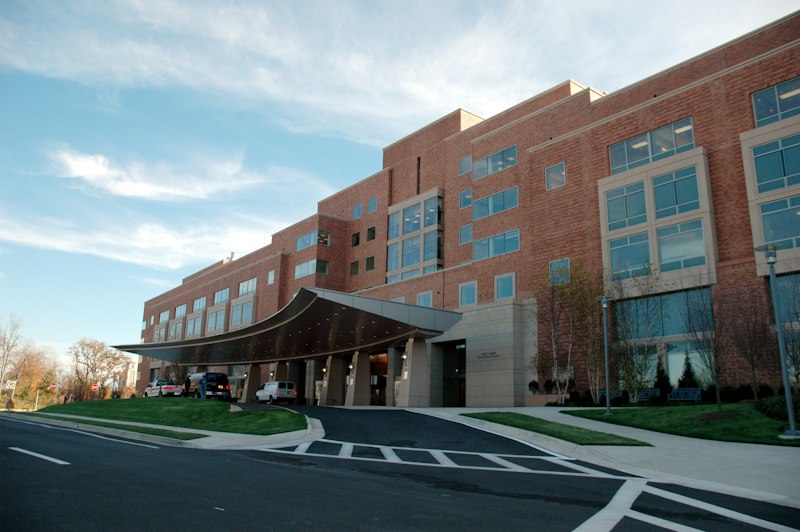
Comprehensive brachytherapy care in India, featuring advanced diagnostic technologies and world-class medical expertise.
Brachytherapy – Targeted Internal Radiation Therapy for Cancer Treatment
What Is Brachytherapy?
Brachytherapy is a specialised form of internal radiation therapy used to treat certain types of cancer by placing a radioactive source inside the body, either directly within a tumour or close to the affected tissue. Unlike external beam radiation therapy, which delivers radiation from a machine outside the body, brachytherapy allows doctors to deliver radiation from a position close to the treatment area.
This targeted approach can deliver a concentrated radiation dose to the intended area while helping limit radiation exposure to surrounding healthy tissues. It is an established treatment option in selected cases of cervical cancer, prostate cancer, breast cancer, and other cancers, depending on the tumour's location, size, stage and individual patient factors.
At SirisHealthcare, patients can explore information about brachytherapy, radiation oncology services, cancer treatment options and relevant specialist care to make more informed decisions about their treatment journey.
How Does Brachytherapy Treatment Work?
Brachytherapy involves placing a small radioactive source inside or near the cancer-affected area using specialised medical devices such as applicators, catheters or needles. The radiation oncology team carefully calculates the radiation dose, placement and treatment duration according to the patient's diagnosis and treatment objectives.
The radioactive source delivers radiation directly to the targeted area. Depending on the treatment technique, it may be removed after a planned period or, in selected cases, remain in the body permanently.
Treatment planning may involve imaging examinations such as MRI, CT scans or ultrasound to help determine the correct position and radiation dose. The procedure is performed under the supervision of a qualified radiation oncology team.
Types of Brachytherapy
The appropriate type of brachytherapy treatment depends on the cancer location, treatment objective and the patient's overall health.
1. High-Dose-Rate (HDR) Brachytherapy
HDR brachytherapy delivers a high radiation dose over a short, carefully controlled period. A radioactive source is temporarily guided into the treatment area through an applicator or catheter and removed after the planned exposure.
This technique is used in selected cervical, prostate, breast and other cancers. Some treatment schedules involve multiple sessions, depending on the prescribed treatment plan.
2. Low-Dose-Rate (LDR) Brachytherapy
LDR brachytherapy delivers radiation continuously at a lower dose rate over a longer period. In some treatments, tiny radioactive seeds are implanted permanently into or near the tumour.
It is used in selected cancer cases, including certain forms of prostate cancer. The suitability of permanent seed implantation depends on individual clinical findings.
3. Intracavitary Brachytherapy
In intracavitary brachytherapy, a radioactive source is delivered through an applicator placed inside a natural body cavity near the tumour.
It is commonly used in the treatment of cervical and selected gynaecological cancers. Imaging and treatment planning help the radiation oncology team position the applicator appropriately.
4. Interstitial Brachytherapy
Interstitial brachytherapy involves placing specialised needles, catheters or applicators directly into the tumour or surrounding tissue.
This approach may be considered for selected prostate, breast, head and neck, and other cancers where the tumour location makes this technique appropriate.
5. Surface or Mould Brachytherapy
Surface brachytherapy uses a specially designed applicator or mould positioned against the skin or treatment surface. It may be considered for selected superficial skin cancers and other suitable conditions.
Which Cancers Can Be Treated With Brachytherapy?
Brachytherapy for cancer is considered for specific tumour types and clinical situations. It is not suitable for every cancer, and the treatment plan is determined after a detailed specialist assessment.
Brachytherapy for Cervical Cancer
Cervical cancer brachytherapy is an important component of treatment for many patients receiving definitive radiation therapy for locally advanced cervical cancer. It is commonly combined with external beam radiation therapy and chemotherapy when indicated.
The treatment helps deliver radiation directly to the cervix and nearby tumour area while limiting unnecessary exposure to surrounding organs.
Brachytherapy for Prostate Cancer
Prostate brachytherapy may be recommended for selected men with localised prostate cancer. Depending on the clinical situation, doctors may consider permanent radioactive seed implantation or temporary HDR treatment.
Factors such as cancer risk category, prostate size, previous treatments and overall health influence whether this approach is appropriate.
Brachytherapy for Breast Cancer
Breast brachytherapy may be considered in selected patients as a form of partial-breast radiation treatment. It delivers radiation to a specific area of the breast rather than treating the entire breast.
Eligibility depends on tumour characteristics, previous surgery, cancer stage and the overall treatment plan.
Other Cancers
Depending on the individual diagnosis and availability of appropriate treatment facilities, brachytherapy may also be used for selected vaginal, uterine, skin, head and neck, eye and other cancers.
Benefits of Brachytherapy
When clinically appropriate, internal radiation therapy offers several potential advantages:
- Delivers radiation close to or directly within the tumour.
- Helps concentrate radiation in the intended treatment area.
- Can reduce radiation exposure to some surrounding healthy tissues.
- May be used alone or alongside external beam radiation therapy, surgery or other cancer treatments.
- Allows treatment planning based on tumour location and individual anatomy.
- Some HDR treatment schedules can be completed over a relatively short period.
- Offers an established radiation treatment option for selected cancers.
The benefits vary according to the cancer type, treatment technique and individual clinical circumstances. Brachytherapy is not necessarily more effective or safer than other radiation treatments in every situation.
Brachytherapy Procedure: What Should Patients Expect?
Understanding the treatment process can help patients and their families prepare for the procedure.
1. Initial Consultation and Assessment
The radiation oncologist reviews the patient's diagnosis, biopsy reports, previous treatments, imaging results and medical history. Additional examinations may be recommended to determine whether brachytherapy is suitable.
2. Treatment Planning
The medical team determines the treatment area, radiation dose, applicator position and number of sessions. CT, MRI or ultrasound imaging may be used for treatment planning and guidance.
3. Applicator or Implant Placement
Depending on the selected technique, an applicator, catheter or needle may be positioned near or within the tumour. Anaesthesia or sedation may be required depending on the procedure.
4. Radiation Delivery
The radioactive source is delivered according to the prescribed treatment plan. During HDR treatment, the source is temporarily placed and subsequently removed. Permanent seed implantation involves a different procedure and requires specific aftercare guidance.
5. Monitoring and Follow-Up
After treatment, the clinical team monitors the patient's recovery and explains follow-up appointments, precautions and any additional treatment that may be required.
Preparation Before Brachytherapy Treatment
Preparation varies depending on the cancer being treated and the selected procedure. Patients may be advised to:
- Share previous medical records, biopsy reports and imaging results.
- Inform the doctor about existing medical conditions and medications.
- Follow fasting instructions if anaesthesia or sedation is planned.
- Complete recommended blood tests or other pre-procedure investigations.
- Discuss allergies, previous radiation treatment and any implanted medical devices.
- Arrange transportation or caregiver support if sedation or anaesthesia is required.
- Follow specific bowel or bladder preparation instructions when advised.
Patients should not stop prescribed medicines unless their treating doctor recommends doing so.
Possible Side Effects and Risks of Brachytherapy
Like other cancer treatments, brachytherapy can cause side effects. The nature and severity depend on the treatment site, radiation dose, technique and individual health.
Possible effects include:
- Temporary discomfort or tenderness around the treatment area.
- Fatigue during or after treatment.
- Local irritation or inflammation.
- Urinary symptoms following prostate treatment.
- Bowel or bladder irritation following pelvic treatment.
- Vaginal dryness, irritation or narrowing after some gynaecological treatments.
- Skin changes in selected surface or breast treatments.
- Bleeding, infection or other procedure-related complications.
Some side effects may appear during treatment, while others can develop later. The radiation oncologist should explain the potential short-term and long-term risks before treatment begins.
Recovery and Aftercare Following Brachytherapy
Recovery depends on the type of brachytherapy, treatment location and whether the procedure involved anaesthesia or an implant.
Patients receiving temporary HDR brachytherapy generally have the radioactive source removed at the end of each treatment session. Once the source is removed, the patient does not remain radioactive from that treatment.
Patients receiving permanent radioactive seed implants may need to follow specific radiation-safety precautions for a period. The treating team will explain any restrictions relating to close contact with pregnant individuals or young children, if applicable.
After treatment, patients should:
- Attend scheduled follow-up consultations.
- Follow medication and wound-care instructions.
- Report unusual pain, fever, heavy bleeding or worsening symptoms promptly.
- Discuss any new urinary, bowel or sexual-health concerns with the treating doctor.
- Follow recommended imaging and monitoring schedules.
Brachytherapy vs External Beam Radiation Therapy
Both brachytherapy and external beam radiation therapy use radiation to damage cancer cells, but they deliver it differently.
Brachytherapy places a radioactive source inside or near the tumour, allowing radiation to be delivered from close to the treatment area.
External beam radiation therapy (EBRT) uses a machine outside the body to direct radiation beams towards the tumour from different angles.
The two approaches may sometimes be combined. The choice depends on cancer type, tumour location, stage, treatment goals, previous therapies and the patient's overall condition.
How to Choose a Brachytherapy Hospital or Radiation Oncologist
Choosing an appropriate cancer treatment centre is an important decision. Patients and families may wish to consider:
- The qualifications and experience of the radiation oncologist.
- Whether the centre provides the specific brachytherapy technique required.
- Availability of appropriate imaging and treatment-planning facilities.
- Access to anaesthesia, nursing and supportive care when required.
- Coordination between medical oncology, surgical oncology and radiation oncology.
- Clear explanations of treatment costs, expected sessions and follow-up arrangements.
Patients should confirm the availability of brachytherapy at their chosen hospital before making an appointment, as services and treatment facilities can vary by location.
Explore Related Cancer Treatments and Specialist Care
Understanding the full range of cancer treatment options can help patients prepare for informed discussions with their medical team.
Explore these related resources on SirisHealthcare:
- Radiation Oncology – Learn about specialist radiation-based cancer treatment.
- Oncology – Explore cancer diagnosis and multidisciplinary oncology care.
- Radiation Therapy and Radiotherapy – Understand external beam radiation treatment and its applications.
- Brachytherapy Treatment – Read about targeted internal radiation therapy.
- Brachytherapy – Internal Radiation Therapy – Explore the treatment approach and planning process.
- Cancer Treatment at Medicover Cancer Institute, Hyderabad – Explore oncology services and specialist care.
- Oncology at Medicover Hospitals, HiTech City – Review hospital-specific oncology information.
- Oncology at Medicover Hospitals, Secunderabad – Explore oncology care information for this location.
- Oncology at Medicover Hospitals, Chandanagar – Learn about the listed oncology specialty.
- Radiation Oncology at Medicover Cancer Institute, Nellore – Explore radiation oncology information at this hospital.
- Dr Anusha Mandava – Radiation Oncologist – View a radiation oncology specialist profile.
Hospital services, doctor availability and specific treatment facilities should always be confirmed directly before booking.
Frequently Asked Questions About Brachytherapy
What is brachytherapy used for?
Brachytherapy is used to treat selected cancers by delivering radiation from inside or close to the tumour. It may be recommended for cervical, prostate, breast and certain other cancers.
Is brachytherapy a type of radiation therapy?
Yes. It is a form of internal radiation therapy in which a radioactive source is placed inside or near the cancer-affected area. External beam radiation therapy, in contrast, delivers radiation from a machine outside the body.
Is brachytherapy painful?
The experience varies depending on the procedure. Some patients receive local or general anaesthesia or sedation during applicator or implant placement. Temporary discomfort may occur after the procedure.
How many sessions of brachytherapy are required?
The number of sessions depends on the cancer type, treatment technique and prescribed radiation dose. Some HDR treatments involve multiple sessions, while certain LDR treatments use permanent implants.
Is brachytherapy safe?
Brachytherapy is an established cancer treatment when appropriately planned and delivered by trained specialists. Like other radiation treatments, it carries potential side effects and risks that should be discussed with the treating radiation oncologist.
Does brachytherapy make a patient radioactive?
During temporary HDR treatment, the radioactive source is removed after the session, so the patient does not remain radioactive. Permanent seed implants may require specific temporary precautions as advised by the medical team.
What is the difference between HDR and LDR brachytherapy?
HDR brachytherapy delivers a high radiation dose over a short period using a temporary radioactive source. LDR brachytherapy delivers radiation more slowly over a longer period and may involve temporary or permanent implants.
Can brachytherapy be combined with chemotherapy?
Yes. In certain cancers, particularly cervical cancer, brachytherapy may be combined with external beam radiation and chemotherapy as part of a coordinated treatment plan. The combination depends on the patient's diagnosis and clinical condition.
How much does brachytherapy treatment cost in India?
The cost varies depending on the cancer type, hospital, treatment technique, number of sessions, anaesthesia requirements, investigations and length of hospital stay. Patients should request an individualised estimate from the treating hospital.
Which doctor should I consult for brachytherapy?
A qualified radiation oncologist evaluates whether brachytherapy is suitable and plans the treatment. Depending on the cancer type, a gynaecologic oncologist, urologist, surgical oncologist or medical oncologist may also be involved.
Make an Informed Decision About Cancer Treatment
A cancer diagnosis can bring many questions about treatment, recovery and the next steps. Understanding brachytherapy, internal radiation therapy and other cancer treatment options can help patients have more productive conversations with their doctors.
Explore relevant hospitals, radiation oncology specialists and cancer treatment information through SirisHealthcare. Always consult a qualified medical professional to determine whether brachytherapy is appropriate for your individual condition.
Medical Disclaimer: This information is intended for general educational purposes and does not replace professional medical advice, diagnosis or treatment. Treatment suitability, outcomes, risks and recovery vary between patients. Always consult your treating oncologist or radiation oncologist before making medical decisions.
Enquire Now
Top Brachytherapy Hospitals
Top Brachytherapy Specialists
Consult Our Brachytherapy Specialists Today
Receive expert consultation, advanced diagnosis, and personalized treatment from our experienced brachytherapy specialists dedicated to delivering exceptional patient care.