
Plastic Surgery at Medicover Hospitals, Parab Nagar, Nashik
Explore Plastic Surgery services, treatments, diagnostic care and related doctors at Medicover Hospitals.
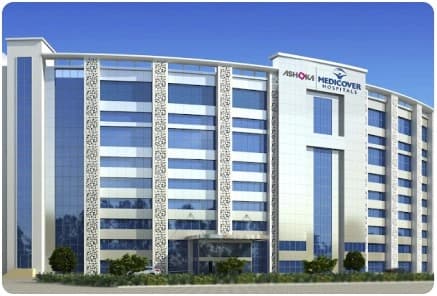
Medicover Hospitals – Best in Parab Nagar, Nashik
- Beds
- 350
Plastic Surgery at Medicover Hospitals
Plastic Surgery at Medicover Hospitals, Nashik, covers both reconstructive and aesthetic aspects of surgical care. The hospital is located on Shree Sant Savata Mali Marg in Parab Nagar and lists Plastic Surgery among its available specialties. Patients can explore specialist consultations for concerns involving burns, scars, wounds, soft-tissue defects, hand conditions and reconstructive needs, as well as selected cosmetic procedures. The department's published services include reconstructive plastic surgery, burn reconstruction, scar revision, skin grafting, hand surgery, facial reconstruction and wound reconstruction.
Plastic Surgery at Medicover Hospitals, Nashik
Plastic Surgery is a surgical specialty that goes well beyond cosmetic procedures. It includes reconstructive surgery, which aims to restore the form and function of body tissues affected by burns, injuries, wounds, congenital conditions or disease, as well as aesthetic surgery, which focuses on changes to appearance after an appropriate clinical assessment.
At Medicover Hospitals in Nashik, Plastic Surgery is listed as one of the hospital's specialties. The Nashik facility is located at Shree Sant Savata Mali Marg, Parab Nagar, Nashik. The hospital's published Plastic Surgery services include reconstructive procedures, burn reconstruction, scar revision, hand surgery, skin grafting, soft-tissue reconstruction, facial reconstruction and wound reconstruction.
The right treatment depends on the reason for seeking care. A patient with a traumatic wound may need reconstruction to restore tissue coverage and function, while someone with a post-burn contracture may require surgery to improve movement. Cosmetic concerns are assessed differently, with the surgeon considering the patient's goals, anatomy, general health and whether a procedure is clinically appropriate.
For people searching for plastic surgery in Nashik, this page provides an overview of the specialty, conditions that may require plastic surgical care, common procedures, evaluation, consultation and factors to consider when choosing a plastic surgeon or hospital.
Plastic Surgery Services and Areas of Care
Plastic surgery combines reconstructive principles, microsurgical techniques and aesthetic procedures. Depending on the patient's condition and the facilities and specialists available, care may involve:
Reconstructive Plastic Surgery
Reconstructive surgery is performed to repair or restore tissues affected by trauma, burns, disease, surgery or congenital differences. The objective may include improving wound coverage, movement, physical function or appearance.
Burn Reconstruction
Severe burns can lead to scarring, contractures and restricted movement. Plastic surgeons may assess healed or healing burn areas and determine whether procedures such as scar revision, skin grafting or contracture release could be appropriate.
Scar Revision
Some scars become raised, tight, painful, discoloured or restrictive. Scar revision aims to improve the appearance or function of a problematic scar. The approach depends on scar type, location, size, maturity and the patient's overall condition.
Hand and Reconstructive Surgery
The hands contain complex structures that are important for movement and sensation. Injuries, tissue loss, congenital abnormalities and other conditions may require specialist assessment. Medicover's Nashik Plastic Surgery service specifically lists hand surgery among its areas of care.
Skin Grafting and Soft-Tissue Reconstruction
Skin grafting can be considered when healthy tissue is needed to cover certain wounds, burns or areas of tissue loss. Soft-tissue reconstruction may also be necessary after trauma, infection or tumour-related surgery.
Facial and Wound Reconstruction
Facial injuries and complex wounds can affect both function and appearance. Reconstructive planning considers the location and extent of tissue damage and the structures involved.
Conditions Treated Under Plastic Surgery
Plastic surgeons manage a wide range of reconstructive and aesthetic concerns. The appropriate treatment depends on a clinical examination and, where necessary, diagnostic evaluation.
Burns and Post-Burn Problems
Major burns can result in tissue loss, abnormal scarring and contractures. Plastic surgery may be involved in reconstruction during the recovery process or later when scar-related functional problems remain.
Complex Wounds and Tissue Loss
Some wounds do not heal normally or leave significant tissue defects. Depending on the wound, a plastic surgeon may assess whether debridement, grafting or another reconstructive approach is appropriate.
Traumatic Injuries
Accidents can damage skin, soft tissues, muscles, tendons, nerves or other structures. Plastic and reconstructive surgeons may contribute to restoring coverage and function, particularly when injuries involve the face, hands or other anatomically complex areas.
Problematic Scars
Scars can sometimes become thick, contracted or functionally restrictive. Plastic surgery assessment can help determine whether observation, non-surgical management or scar revision should be considered.
Hand Injuries and Conditions
Hand problems requiring reconstructive expertise may involve injuries, tissue loss or congenital abnormalities. Because hand function depends on coordinated movement of multiple structures, treatment planning is individualised.
Congenital and Structural Conditions
Some people are born with structural differences that affect appearance or function. Plastic and reconstructive surgery can form part of their long-term management when clinically appropriate.
Post-Surgical or Disease-Related Defects
Reconstruction may sometimes be required after removal of a tumour or other major surgery, particularly when significant tissue has been lost. The timing and technique depend on the underlying condition and the patient's overall health.
Plastic Surgery Treatments and Procedures
Plastic surgery procedures can be broadly divided into reconstructive and cosmetic categories. Not every procedure is appropriate for every patient, and availability should be confirmed directly with the hospital.
Medicover Hospitals' Nashik Plastic Surgery page lists the following reconstructive services:
- Reconstructive plastic surgery: Restoring tissue form and function after injury, disease, burns or congenital conditions.
- Burn reconstruction: Managing functional and structural problems caused by significant burns.
- Scar revision surgery: Improving selected scars when they cause functional or cosmetic concerns.
- Hand surgery: Treating selected injuries and conditions involving the hand and wrist.
- Skin grafting: Using healthy skin to cover appropriate wounds, burns or areas of tissue loss.
- Soft-tissue reconstruction: Reconstructing soft-tissue defects resulting from trauma, infection or tumour removal.
- Facial reconstruction: Restoring facial structures after injury or disease.
- Wound reconstruction: Managing complex wounds that require specialist reconstructive planning.
Cosmetic plastic surgery is another area within the broader specialty. Procedures may include selected facial or body-contouring operations, but suitability depends on the individual's anatomy, health, expectations and surgical assessment. Medicover also identifies cosmetic and aesthetic surgery as part of its wider plastic surgery services.
Patients should discuss the expected benefits, possible complications, alternatives, recovery requirements and costs with a qualified plastic surgeon before proceeding.
Plastic Surgery Diagnostic and Evaluation Services
A careful assessment is an important part of plastic surgery. Before recommending a procedure, the surgeon may need to understand the patient's medical history, previous operations, medications, allergies, smoking or tobacco use, existing medical conditions and specific treatment goals.
Depending on the problem, evaluation may include:
- Detailed medical and surgical history
- Examination of the affected area
- Assessment of wounds, burns or scars
- Evaluation of hand movement and function when relevant
- Assessment of tissue quality and blood supply where clinically necessary
- Laboratory investigations before surgery
- Diagnostic imaging such as ultrasound, CT or MRI when indicated
- Pre-anaesthetic evaluation before an operation
- Photographic documentation for selected reconstructive or aesthetic assessments
The Nashik Plastic Surgery service published by Medicover specifically lists clinical examination, diagnostic imaging, laboratory investigations, pre-anaesthetic assessment, wound assessment and comprehensive preoperative evaluation among its diagnostic and evaluation services.
The exact investigations required vary according to the patient's condition and the planned treatment.
When Should You See a Plastic Surgery Specialist?
A consultation may be appropriate when you have a physical problem involving skin, soft tissue or another body structure that may benefit from reconstructive or plastic surgical assessment.
You may consider seeking specialist advice for:
- Significant scars that restrict movement or cause discomfort
- Problems following serious burns
- Complex or non-healing wounds
- Tissue loss after an accident or injury
- Facial injuries requiring reconstruction
- Certain hand injuries or structural problems
- Congenital conditions affecting appearance or function
- Defects following tumour or other major surgery
- Cosmetic concerns for which you are considering an elective procedure
A specialist consultation does not automatically mean surgery is required. The surgeon may recommend observation, wound care, non-surgical treatment, further investigation or surgery depending on the clinical findings.
For emergencies such as severe burns, major trauma, uncontrolled bleeding or extensive injuries, immediate emergency medical attention is more appropriate than waiting for a routine outpatient appointment.
What to Expect During a Plastic Surgery Consultation
A plastic surgery consultation is usually focused on understanding both the medical problem and what the patient hopes to achieve.
1. Medical History
The specialist may ask about the current concern, previous injuries or operations, medications, allergies, medical conditions and relevant lifestyle factors.
2. Physical Examination
The affected area may be examined to understand tissue condition, movement, scarring, wound characteristics or other relevant findings.
3. Diagnostic Evaluation
Additional tests or imaging may be advised if they are needed to understand the problem or plan surgery.
4. Discussion of Treatment Options
The surgeon can explain possible approaches, including whether surgery is necessary, what procedure may be considered, alternatives and expected recovery.
5. Risk and Recovery Discussion
Patients should have an opportunity to ask about potential complications, anaesthesia, hospital stay, wound care, activity restrictions and follow-up.
6. Follow-Up Planning
If treatment is recommended, follow-up appointments may be required to monitor wound healing, scar maturation, function and overall recovery.
Why Choose Plastic Surgery Care at Medicover Hospitals?
Medicover Hospitals' Nashik facility lists Plastic Surgery among its specialties and provides its location as Shree Sant Savata Mali Marg, Parab Nagar. The hospital also states that it is NABH accredited.
The hospital's published Plastic Surgery information describes care spanning reconstructive and cosmetic concerns, with services including burn reconstruction, scar revision, hand surgery, skin grafting, facial reconstruction and wound reconstruction. It also describes multidisciplinary coordination involving areas such as orthopaedics, oncology, dermatology and rehabilitation when appropriate.
When considering Medicover Hospitals Plastic Surgery services, patients should confirm the specific procedure they require, the availability of the relevant specialist, preoperative requirements, estimated recovery period and insurance or payment arrangements before scheduling treatment.
Plastic Surgery Doctors and Specialists
A plastic surgeon evaluates conditions involving reconstruction, tissue repair, hand surgery and selected aesthetic procedures. Depending on the patient's needs, the specialist may also coordinate with other medical and surgical teams.
Medicover Hospitals currently lists Dr Pranit D Mankare as a Consultant Plastic, Hand & Reconstructive Micro Surgeon practising in Nashik. His listed areas of specialisation include Plastic, Cosmetic, Hand and Reconstructive Microsurgery. His qualifications include MBBS, DrNB in General Surgery, DrNB in Plastic Surgery, MCh in Plastic & Reconstructive Surgery, a fellowship in Aesthetic & Cosmetic Surgery and an advanced fellowship in Hand & Reconstructive Microsurgery.
His listed Nashik practice location is Medicover Hospital on Shree Sant Savata Mali Marg, Parab Nagar. The published doctor profile advises patients to confirm exact consultation availability while booking.
Patients can review the specialist's profile and discuss their specific concern during consultation rather than choosing a procedure based solely on online information.
Plastic Surgery Care in Nashik
For people searching for plastic surgery in Nashik, local access can be important because reconstructive treatment may involve several consultations, surgery and follow-up visits.
Medicover Hospitals Nashik is located at Shree Sant Savata Mali Marg, Parab Nagar, Nashik, Maharashtra 422006 according to the hospital's published location information.
Patients travelling from elsewhere in Nashik or surrounding areas should consider travel time, appointment availability, postoperative review requirements and the need for assistance after surgery. These practical factors can be especially relevant for procedures involving wound care, restricted movement or a longer recovery period.
Before travelling for a consultation, it is sensible to confirm the specialist's schedule, the exact department location, required medical records and whether any investigations should be completed beforehand.
How to Choose the Right Plastic Surgery Hospital or Specialist
Choosing a plastic surgeon is an important medical decision, particularly when surgery is being considered. Useful factors to discuss include:
- Relevant specialist training: Confirm that the surgeon's qualifications and experience match the type of problem being treated.
- Experience with the specific procedure: A surgeon's experience should be relevant to your particular reconstructive or aesthetic concern.
- Diagnostic assessment: Appropriate examination and investigations should be available when clinically necessary.
- Treatment alternatives: Ask whether non-surgical treatment, observation or another procedure could be appropriate.
- Multidisciplinary care: Complex trauma, cancer reconstruction or extensive wounds may involve more than one specialty.
- Surgical and anaesthesia support: Understand what perioperative services are available and what monitoring may be required.
- Follow-up care: Ask how postoperative reviews, dressing changes, wound management and rehabilitation will be handled.
- Recovery expectations: Clarify activity restrictions, time away from work and when normal activities may resume.
- Risks and complications: A responsible consultation should include discussion of potential complications and limitations.
- Cost and insurance: Confirm what is included in the quoted treatment cost and whether your insurance or TPA covers the planned procedure.
A good consultation should leave you with a clear understanding of the diagnosis, treatment options and next steps.
Frequently Asked Questions About Plastic Surgery
1. What does a Plastic Surgery specialist treat?
Plastic surgeons manage reconstructive and aesthetic concerns. Depending on their training and practice, this can include burns, complex wounds, scars, hand injuries, tissue loss, facial injuries, congenital conditions and selected cosmetic concerns.
2. When should I see a Plastic Surgery specialist in Nashik?
Consider a consultation for significant scars, burn-related problems, complex wounds, tissue loss, traumatic injuries, certain hand conditions, reconstructive needs or an elective cosmetic concern. Urgent injuries should be assessed through emergency medical services when necessary.
3. Is Plastic Surgery only for cosmetic procedures?
No. Plastic Surgery includes both reconstructive and cosmetic surgery. Reconstructive procedures can aim to restore function and tissue coverage after burns, trauma, disease or congenital conditions.
4. What is reconstructive plastic surgery?
Reconstructive plastic surgery is performed to restore or improve the structure and function of tissues affected by injury, burns, disease, congenital conditions or previous surgery.
5. What is scar revision surgery?
Scar revision is a procedure intended to improve a problematic scar's appearance or function. Whether it is appropriate depends on factors such as the type, location and maturity of the scar.
6. When is skin grafting used?
Skin grafting may be considered for selected burns, wounds or areas where skin has been lost. The surgeon determines whether grafting is appropriate after assessing the wound and surrounding tissue.
7. What happens during a plastic surgery consultation?
The specialist generally reviews your medical history, examines the affected area, considers investigations when necessary and discusses treatment options, risks, expected recovery and follow-up.
8. How do I choose a plastic surgeon in Nashik?
Look for appropriate specialist qualifications, experience relevant to your condition, clear communication about risks and alternatives, appropriate diagnostic and surgical support, and a defined follow-up plan.
9. Does every plastic surgery problem require an operation?
No. Depending on the diagnosis, a specialist may recommend wound care, observation, non-surgical management, further evaluation or surgery. Treatment depends on the individual clinical situation.
10. How can I book a Plastic Surgery consultation at Medicover Hospitals in Nashik?
Patients can use Medicover Hospitals' appointment system or contact the Nashik hospital to confirm specialist availability and appointment timings. The hospital lists its Nashik location at Shree Sant Savata Mali Marg, Parab Nagar.
Plastic Surgery Treatments
Rhinoplasty (nose Surgery)
Advanced treatment available at Medicover Hospitals.
Liposuction
Advanced treatment available at Medicover Hospitals.
Breast Augmentation & Breast Reduction
Advanced treatment available at Medicover Hospitals.
Hair Transplantation
Advanced treatment available at Medicover Hospitals.
Reconstructive Plastic Surgery
Advanced treatment available at Medicover Hospitals.
Frequently Asked Questions About Plastic Surgery
What types of plastic surgery procedures are performed at Medicover Hospitals?
We perform a wide range of plastic surgery procedures, from routine diagnostics to complex surgeries, using the latest medical technologies.
How can I book an appointment for Plastic Surgery at Medicover Hospitals?
You can book an appointment through the Siris Healthcare platform by clicking the "Get Free Estimate" button or contacting our 24/7 helpline.
Other Medical Specialties at Medicover Hospitals Parab Nagar
Get Expert Plastic Surgery Care at Medicover Hospitals, Parab Nagar
Schedule a consultation with our top specialists and get a personalized treatment plan with a free cost estimate.
Top Specialities at Medicover Hospitals Parab Nagar
- Plastic Surgery Department
- Cardiology Department
- cardiothoracic Department
- Neurology Department
- Nephrology Department
- Neurosurgery Department
- orthopedic Department
- Gastroenterology Department
- General Surgery Department
- General Medicine Department
- Urology Department
- Pulmonology Department
- Paediatrics & Neonatology Department
- Dermatology Department
- ENT Department
- Ophthalmology Department
- Emergency medicine Department
- Critical care Department
- Anaesthesiology Department
- Radiology Department
- Hepatology Department
- Liver Transplantation Department
- Pathology Department
- Plastic Surgery Department