
Emergency Medicine at Medicover Hospitals, Parab Nagar, Nashik
Explore Emergency Medicine services, treatments, diagnostic care and related doctors at Medicover Hospitals.
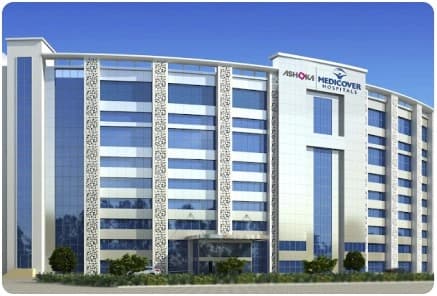
Medicover Hospitals – Best in Parab Nagar, Nashik
- Beds
- 350
Emergency Medicine at Medicover Hospitals
Emergency Medicine focuses on the rapid assessment, stabilisation and treatment of patients with sudden illness, injuries and potentially life-threatening conditions. At Medicover Hospitals in Parab Nagar, Nashik, patients can explore emergency care for medical emergencies, trauma, cardiac symptoms, neurological emergencies, breathing difficulties, burns, severe infections and other urgent conditions. The hospital's published emergency medicine information describes round-the-clock emergency services, emergency diagnostic support and multidisciplinary coordination for complex cases.
Emergency Medicine at Medicover Hospitals, Nashik
Emergency Medicine is the medical specialty dedicated to evaluating and treating patients who require immediate or urgent attention. Unlike a routine outpatient consultation, emergency care often begins without a confirmed diagnosis. The emergency team first assesses the patient's condition, identifies immediate risks, stabilises vital functions when necessary and then determines the next appropriate step.
At Medicover Hospitals, Nashik, the Emergency Medicine department is located at the hospital's Parab Nagar facility. The hospital's published information describes 24/7 emergency services, ambulance support, emergency diagnostic facilities and multidisciplinary assistance for serious medical and trauma cases.
Emergency Medicine can be relevant for patients experiencing sudden chest pain, breathing difficulty, severe injuries, loss of consciousness, stroke symptoms, serious infections, poisoning, burns or other acute medical problems. Some conditions require immediate treatment because delays can increase the risk of complications.
The purpose of emergency care is not simply to treat symptoms. It is to quickly determine how serious the situation is, provide stabilisation when required and connect the patient with the appropriate specialist, procedure, admission or follow-up pathway.
Emergency Medicine Services and Areas of Care
Emergency departments manage a broad range of acute medical and surgical problems. The exact treatment provided depends on the patient's condition, severity, age, medical history and diagnostic findings.
Common areas of emergency care include:
Medical Emergencies
These may include sudden chest pain, severe breathing problems, seizures, altered consciousness, severe allergic reactions, acute infections and other rapidly developing medical conditions.
Cardiac Emergencies
Chest pain, suspected heart attack, serious rhythm abnormalities and other acute cardiovascular symptoms require prompt assessment. Emergency evaluation may involve an ECG, blood tests, monitoring and specialist referral depending on the clinical situation.
Neurological Emergencies
Sudden weakness, facial drooping, difficulty speaking, seizures, severe unexplained headache or loss of consciousness may require urgent neurological assessment. Stroke symptoms in particular should be treated as an emergency.
Trauma and Accident Care
Emergency Medicine plays an important role in the initial management of road-traffic injuries, falls, fractures, head injuries, abdominal trauma, bleeding and multiple injuries.
Respiratory Emergencies
Severe asthma attacks, respiratory distress, low oxygen levels and other acute breathing problems may require immediate assessment, oxygen or ventilation support and treatment of the underlying cause.
Burns and Other Acute Injuries
Emergency teams may provide initial assessment, pain management, wound care and stabilisation for burns and other acute injuries. More extensive injuries may require specialist or surgical care.
Medicover Hospitals' published Nashik Emergency Medicine information specifically lists cardiac emergencies, stroke, accidents and trauma, burns, respiratory distress, poisoning, severe infections and shock among conditions handled by its emergency service.
Conditions Treated Under Emergency Medicine
Emergency Medicine is not limited to one disease category. It covers conditions that require immediate evaluation because of their sudden onset, severity or potential to become life-threatening.
Heart and Circulation Emergencies
Examples include:
- Suspected heart attack
- Acute chest pain
- Serious cardiac rhythm disturbances
- Fainting or sudden collapse
- Shock and dangerously low blood pressure
Brain and Neurological Emergencies
Emergency assessment may be required for:
- Suspected stroke
- Seizures
- Sudden loss of consciousness
- Acute confusion
- Sudden weakness or speech difficulty
- Severe neurological symptoms
Trauma and Injury
Emergency care may be appropriate after:
- Road or workplace accidents
- Falls
- Head injuries
- Fractures or suspected fractures
- Severe bleeding
- Multiple injuries
- Soft-tissue injuries
Respiratory and Infectious Emergencies
These can include severe asthma attacks, acute respiratory distress, serious infections, sepsis-related illness and other conditions affecting breathing or circulation.
Poisoning and Acute Reactions
Emergency assessment may be necessary after suspected poisoning, medication overdose, serious drug reactions or severe allergic reactions.
The appropriate treatment always depends on the individual clinical situation. Patients should not attempt to determine the seriousness of a potentially dangerous condition solely from online information.
Emergency Medicine Treatments and Procedures
Emergency treatment begins with prioritisation and stabilisation. The emergency team may assess airway, breathing, circulation, neurological status, vital signs and other immediate clinical concerns.
Depending on the emergency, treatment may involve:
- Emergency medicines
- Oxygen and respiratory support
- Airway management
- Cardiopulmonary resuscitation (CPR)
- Advanced cardiac life support when clinically indicated
- Cardiac monitoring
- Treatment of shock
- Wound and burn management
- Trauma stabilisation
- Emergency procedures
- Ventilator support for severe respiratory failure
- Referral to surgical or other specialist teams
Medicover Hospitals' published Nashik Emergency Medicine page describes emergency resuscitation, trauma stabilisation, airway and ventilation support, burn and wound management, rapid diagnostic imaging and point-of-care testing. It also lists emergency-initiated procedures such as angioplasty, endoscopy, laparoscopy and appendectomy where clinically required following assessment and stabilisation.
Not every emergency requires a procedure or hospital admission. Some patients may be treated and discharged with appropriate instructions, while others may require observation, admission, intensive care or specialist intervention.
Emergency Medicine Diagnostic and Evaluation Services
Fast and appropriate diagnosis is an important part of emergency care. Because the diagnosis may not be clear when a patient first arrives, emergency clinicians may combine physical examination, medical history, vital-sign assessment and targeted investigations.
The diagnostic approach may include:
- Blood and urine investigations
- Electrocardiogram (ECG)
- X-rays
- CT scans
- Ultrasound
- Point-of-care ultrasound (POCUS)
- Other laboratory testing
- Specialist diagnostic evaluation
- Additional imaging or procedures when clinically indicated
Medicover Hospitals' published Nashik Emergency Medicine information lists laboratory testing, X-ray, CT, ultrasound, ECG, point-of-care ultrasound and other advanced diagnostic investigations among its emergency diagnostic services.
The choice of tests depends on symptoms and clinical findings. Emergency medicine does not mean every patient needs every available test; investigations are generally selected according to the suspected problem and urgency.
When Should You See an Emergency Medicine Specialist?
Emergency care is appropriate when a health problem is sudden, severe or potentially life-threatening.
Seek urgent medical attention for symptoms such as:
- Severe or persistent chest pain
- Difficulty breathing or severe shortness of breath
- Sudden weakness or paralysis
- Difficulty speaking or understanding speech
- Loss of consciousness
- Severe bleeding
- Serious injuries or accidents
- Seizures
- Sudden severe confusion
- Severe allergic reactions
- Serious burns
- Suspected poisoning or overdose
- Very high fever accompanied by severe deterioration
- Sudden severe abdominal pain with concerning symptoms
For suspected stroke, heart attack, major trauma, severe breathing difficulty or another life-threatening emergency, immediate emergency medical assistance should be sought rather than waiting for a routine specialist appointment.
What to Expect During an Emergency Medicine Consultation
Emergency care follows a different process from a scheduled outpatient consultation.
1. Initial Assessment and Triage
On arrival, the emergency team assesses the patient's condition and prioritises care according to urgency. Patients with immediately life-threatening problems may require attention before patients with less urgent complaints.
2. Medical History
The clinical team may ask about symptoms, existing illnesses, medications, allergies, previous procedures and the events leading to the emergency.
3. Physical Examination
Depending on the situation, clinicians assess vital signs and perform a focused physical examination.
4. Diagnostic Evaluation
Blood tests, ECG, imaging or other investigations may be requested to identify the cause and determine the severity of the condition.
5. Stabilisation and Treatment
Treatment is directed toward immediate clinical priorities. This may include medication, oxygen, fluids, airway support, wound care, resuscitation or another emergency intervention.
6. Specialist or Inpatient Care
If the patient requires further treatment, the emergency team may coordinate with specialists such as cardiology, neurology, orthopaedics, surgery or critical care.
7. Discharge or Follow-Up
Patients who are stable may be discharged with treatment instructions and follow-up advice. Patients requiring continued monitoring or treatment may be admitted.
Why Choose Emergency Medicine Care at Medicover Hospitals?
When selecting an emergency medicine hospital, patients and families should consider whether the facility can provide timely assessment, appropriate diagnostics, stabilisation and access to relevant specialist support.
Medicover Hospitals' published Nashik information states that its facility provides 24/7 emergency services, 24/7 ambulance services, emergency and critical-care support, radiology and pathology services, and multidisciplinary specialist care. The hospital also lists facilities including CT, MRI, ultrasound, digital X-ray, ICU beds and emergency infrastructure.
The hospital's Emergency Medicine page also describes dedicated emergency areas, trauma and cardiac care zones, emergency ICU support, rapid imaging and point-of-care diagnostics.
Patients should still confirm the availability of a particular procedure, specialist or facility when arranging non-emergency care, as services and clinical resources can change.
Emergency Medicine Doctors and Specialists
Emergency Medicine specialists are trained to assess undifferentiated acute illness and injury, identify immediate risks and initiate stabilisation and treatment.
At Medicover Hospitals, Nashik, the hospital's published doctor information lists Dr Akhilesh Omprakash Somani as Consultant & Chief of the Department of Emergency Medicine. His listed qualifications are MBBS and DNB in Emergency Medicine, with the Nashik hospital location at Shree Sant Savata Mali Marg, Parab Nagar.
Emergency cases may also require input from specialists in cardiology, neurology, orthopaedics, surgery, critical care or other departments. The hospital's Nashik Emergency Medicine information describes multidisciplinary coordination for complex emergencies.
For a routine consultation, patients can review the specialist's current availability and appointment details before visiting.
Emergency Medicine Care in Nashik
Patients searching for Emergency Medicine in Nashik may need care close to home when a sudden medical problem occurs. Medicover Hospitals is located in Parab Nagar, Nashik, making the locality an important search point for patients looking for emergency hospital services in the area.
The hospital publishes its Nashik address as Shree Sant Savata Mali Marg, Parab Nagar, Nashik, Maharashtra.
For emergencies, accessibility matters because travel time can be clinically important. Families should know the location of their nearest emergency department and understand how to access emergency medical assistance when a serious condition develops.
For non-emergency concerns, patients can use scheduled consultations to discuss symptoms with an appropriate specialist rather than relying on emergency services for routine care.
How to Choose the Right Emergency Medicine Hospital or Specialist
When comparing an emergency medicine hospital in Nashik, consider practical factors such as:
- 24/7 emergency availability: Emergency conditions can occur at any time, so round-the-clock access is important.
- Emergency physicians: Look for appropriately qualified emergency medicine specialists.
- Diagnostic support: Timely access to relevant laboratory testing, ECG and imaging can support rapid clinical decisions.
- Trauma capability: Patients with serious injuries may require coordinated trauma assessment and stabilisation.
- Critical care support: Severe cases may require ICU monitoring, ventilation or other advanced support.
- Multispecialty coordination: Complex emergencies may involve cardiology, neurology, surgery, orthopaedics or other specialties.
- Ambulance access: Emergency transport can be important when a patient cannot safely travel independently.
- Communication: Families should receive clear information about the patient's condition, treatment and next steps.
- Follow-up planning: Emergency treatment should connect appropriately with outpatient, inpatient or specialist care when needed.
- Location and accessibility: A conveniently located emergency department can be valuable during urgent situations.
The right emergency facility depends on the nature and severity of the patient's condition. For serious emergencies, immediate medical attention should take priority over comparing providers online.
Frequently Asked Questions About Emergency Medicine
What does an Emergency Medicine specialist treat?
Emergency Medicine specialists evaluate and manage sudden illnesses, injuries and potentially life-threatening conditions. This can include chest pain, stroke symptoms, trauma, breathing difficulties, severe infections, poisoning, burns and other acute medical problems.
When should I visit an Emergency Medicine department?
Visit an emergency department when symptoms are sudden, severe or potentially life-threatening. Examples include severe chest pain, difficulty breathing, major injuries, unconsciousness, seizures, serious bleeding or sudden neurological symptoms.
What emergency treatments are available at Medicover Hospitals, Nashik?
The hospital's published Emergency Medicine information describes emergency assessment, resuscitation, trauma stabilisation, airway and ventilation support, burn and wound care, cardiac emergency management and rapid diagnostic evaluation. Specific treatment depends on the patient's clinical condition.
Does Medicover Hospitals, Nashik provide 24/7 emergency care?
Medicover Hospitals' Nashik hospital information states that 24/7 emergency services and ambulance services are available.
What tests may be performed in an emergency?
Depending on the symptoms, clinicians may use blood tests, ECG, X-rays, CT, ultrasound, point-of-care ultrasound and other investigations. The appropriate tests are selected according to the patient's condition.
Does Emergency Medicine include accident and trauma care?
Yes. Emergency Medicine commonly includes the initial assessment and stabilisation of patients with accidents, fractures, head injuries, bleeding, burns and multiple injuries. Medicover Hospitals specifically lists accident and trauma care among its Nashik emergency services.
Who is the Emergency Medicine specialist at Medicover Hospitals, Nashik?
Medicover Hospitals' current doctor listing identifies Dr Akhilesh Omprakash Somani as Consultant & Chief of the Department of Emergency Medicine at its Nashik hospital.
Can I book a routine Emergency Medicine consultation?
For non-emergency concerns, patients may be able to schedule a consultation with an Emergency Medicine specialist depending on current appointment availability. For a life-threatening emergency, do not wait for a routine appointment; seek immediate emergency medical assistance.
What should I bring to an emergency visit?
If possible, bring identification, current medication details, known allergies, previous medical records, recent test reports and insurance information. However, do not delay urgent treatment while collecting documents.
Is every emergency patient admitted to the hospital?
No. After assessment and treatment, some patients may be discharged with appropriate instructions and follow-up, while others may need observation, admission, surgery or critical care. The decision depends on the patient's condition and medical requirements.
Best Emergency Medicine Doctors at Medicover Hospitals, Parab Nagar
Consult with our highly experienced experts at Medicover Hospitals.
 Emergency medicine
Dr Bhavik Shah
 Emergency medicine
Dr Akhilesh Omprakash Somani
Emergency Medicine Treatments
Trauma & Accident Emergency Care
Advanced treatment available at Medicover Hospitals.
Heart Attack & Acute Cardiac Emergency Care
Advanced treatment available at Medicover Hospitals.
Stroke & Neurological Emergency Management
Advanced treatment available at Medicover Hospitals.
Respiratory Emergency Treatment
Advanced treatment available at Medicover Hospitals.
Sepsis & Severe Infection Management
Advanced treatment available at Medicover Hospitals.
Poisoning & Drug Overdose Treatment
Advanced treatment available at Medicover Hospitals.
Snakebite & Animal-Bite Management
Advanced treatment available at Medicover Hospitals.
Shock & Severe Bleeding Management
Advanced treatment available at Medicover Hospitals.
Burn & Acute Wound Management
Advanced treatment available at Medicover Hospitals.
Emergency Surgical & Critical Care Procedures
Advanced treatment available at Medicover Hospitals.
Emergency Toothache Relief Package
Advanced treatment available at Medicover Hospitals.
Frequently Asked Questions About Emergency Medicine
What types of emergency medicine procedures are performed at Medicover Hospitals?
We perform a wide range of emergency medicine procedures, from routine diagnostics to complex surgeries, using the latest medical technologies.
How can I book an appointment for Emergency Medicine at Medicover Hospitals?
You can book an appointment through the Siris Healthcare platform by clicking the "Get Free Estimate" button or contacting our 24/7 helpline.
Other Medical Specialties at Medicover Hospitals Parab Nagar
Get Expert Emergency Medicine Care at Medicover Hospitals, Parab Nagar
Schedule a consultation with our top specialists and get a personalized treatment plan with a free cost estimate.
Top Specialities at Medicover Hospitals Parab Nagar
- Plastic Surgery Department
- Cardiology Department
- cardiothoracic Department
- Neurology Department
- Nephrology Department
- Neurosurgery Department
- orthopedic Department
- Gastroenterology Department
- General Surgery Department
- General Medicine Department
- Urology Department
- Pulmonology Department
- Paediatrics & Neonatology Department
- Dermatology Department
- ENT Department
- Ophthalmology Department
- Emergency medicine Department
- Critical care Department
- Anaesthesiology Department
- Radiology Department
- Hepatology Department
- Liver Transplantation Department
- Pathology Department
- Plastic Surgery Department