
Emergency Medicine at Medicover Hospitals, Sampath Nagar, Kurnool
Explore Emergency Medicine services, treatments, diagnostic care and related doctors at Medicover Hospitals.
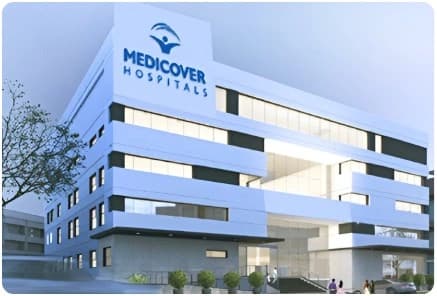
Medicover Hospitals – Best in Sampath Nagar, Kurnool
- Beds
- 450
Emergency Medicine at Medicover Hospitals
Emergency Medicine provides rapid assessment and treatment when an illness, injury or sudden change in health cannot safely wait for a routine appointment. At Medicover Hospitals in Kurnool, patients can explore emergency medical care for acute conditions, accidents, trauma and other urgent health concerns. The department's emergency-care information includes rapid assessment, stabilisation and coordination with relevant medical specialties when required. Medicover Hospitals lists its Kurnool facility near the RTC Bus Stand, Kurnool, Andhra Pradesh.
Emergency Medicine at Medicover Hospitals, Kurnool
Emergency Medicine focuses on the immediate assessment, stabilisation and treatment of patients with sudden or potentially serious medical problems. Unlike routine outpatient consultations, emergency care is designed for situations where symptoms may be severe, rapidly changing or potentially life-threatening.
At Medicover Hospitals in Kurnool, Emergency Medicine is intended to support patients who need prompt medical attention for acute illness, injuries and other urgent conditions. The hospital's published Emergency Medicine information describes care for conditions including cardiac emergencies, stroke, severe infections, respiratory emergencies and trauma, along with emergency procedures used to stabilise critically ill patients.
For people searching for an Emergency Medicine hospital in Kurnool, the key consideration is not simply the name of a department. Emergency care depends on timely clinical assessment, appropriate investigations, stabilisation and coordination with other specialties when a patient's condition requires further treatment.
Emergency Medicine Services and Areas of Care
Emergency Medicine covers a broad range of urgent medical situations. The first priority is generally to identify conditions that could threaten breathing, circulation, consciousness or other essential body functions and begin appropriate treatment without unnecessary delay.
Depending on the patient's presentation, emergency care may involve:
- Initial emergency assessment and triage
- Stabilisation of patients with serious or rapidly worsening symptoms
- Management of acute medical emergencies
- Assessment and initial treatment of trauma and injuries
- Support for cardiac emergencies
- Assessment of suspected stroke
- Management of breathing difficulties and respiratory emergencies
- Treatment and monitoring of severe infections
- Care for seizures, altered consciousness and sudden neurological symptoms
- Emergency evaluation following accidents and falls
- Management of severe bleeding and other acute injuries
- Coordination with other specialties for continuing treatment when required
Medicover's published Kurnool Emergency Medicine page specifically describes emergency support for accidents, cardiac arrest, stroke, severe infections and respiratory emergencies.
The exact investigations, procedures and onward treatment required depend on the patient's clinical condition.
Conditions Treated Under Emergency Medicine
Emergency Medicine does not focus on one particular disease. Instead, emergency specialists evaluate a wide range of acute conditions and determine how urgently the patient needs treatment.
Cardiac and Circulatory Emergencies
Sudden chest pain, severe breathlessness, collapse, fainting or other symptoms that may indicate a serious cardiovascular problem require prompt evaluation.
Emergency assessment can help determine whether symptoms could be related to conditions such as acute coronary syndrome, serious arrhythmias or other cardiovascular emergencies. Patients with suspected heart attack or cardiac arrest require immediate medical attention.
Neurological Emergencies
Sudden weakness, facial drooping, difficulty speaking, seizures, loss of consciousness or significant changes in mental status can indicate a neurological emergency.
Possible stroke symptoms require urgent evaluation because treatment decisions can depend on how quickly the patient reaches medical care. Emergency assessment may involve neurological examination and appropriate imaging or laboratory investigations.
Trauma and Accident-Related Injuries
Road traffic accidents, falls, workplace injuries and other trauma can result in fractures, internal injuries, bleeding or damage to vital organs.
Emergency teams assess the patient's immediate condition, identify potentially life-threatening injuries and provide stabilisation while arranging further specialist or surgical management when necessary.
Respiratory Emergencies
Severe breathing difficulty, low oxygen levels, acute asthma-related symptoms and other serious respiratory problems may require urgent evaluation.
Emergency treatment focuses on supporting breathing and circulation while clinicians investigate the underlying cause.
Severe Infections
Some infections can become serious and may lead to sepsis or other complications. Symptoms such as high fever accompanied by confusion, severe weakness, difficulty breathing, very low blood pressure or significant deterioration require urgent medical assessment.
Seizures and Altered Consciousness
A prolonged seizure, repeated seizures, sudden unconsciousness or unexplained changes in consciousness require emergency evaluation. The medical team may investigate possible neurological, metabolic, infectious, toxicological or other causes.
Emergency Medicine Treatments and Procedures
Treatment in Emergency Medicine is based on the patient's immediate clinical needs. The goal may be to stabilise the patient, relieve dangerous symptoms, identify the underlying problem and arrange appropriate continuing care.
Depending on the case and the facilities available, emergency treatment can include:
- Resuscitation and advanced life-support measures
- Airway and breathing support
- Oxygen therapy
- Management of circulatory instability
- Emergency medication administration
- Wound and bleeding management
- Initial trauma stabilisation
- Fracture or injury immobilisation
- Treatment of acute allergic reactions
- Management of seizures
- Emergency management of cardiac conditions
- Initial treatment of suspected stroke
- Stabilisation before surgery or intensive care when indicated
Medicover's published Kurnool Emergency Medicine information specifically mentions procedures such as rapid sequence intubation, central-line insertion, arterial-line placement, ventilator support, intercostal drainage and trauma stabilisation. Availability and suitability of any individual procedure depend on the patient's condition and the hospital's clinical assessment.
Emergency Medicine may also work closely with specialties such as cardiology, neurology, surgery, critical care and other departments when patients require specialised treatment.
Emergency Medicine Diagnostic and Evaluation Services
Emergency diagnosis often needs to happen quickly because treatment decisions may depend on identifying a serious condition as early as possible.
Depending on the symptoms, emergency evaluation may include:
- Initial vital-sign assessment
- Medical history and symptom review
- Physical examination
- Blood and urine laboratory testing
- Blood glucose and other point-of-care tests
- Electrocardiogram (ECG)
- Imaging studies when clinically indicated
- X-rays for selected injuries
- CT or MRI evaluation when appropriate
- Bedside ultrasound in suitable cases
- Neurological assessment
- Trauma assessment
Medicover's general Emergency Medicine information describes access to laboratory testing, imaging, bedside ultrasound and emergency CT/MRI support, while its Kurnool page also references point-of-care testing and diagnostic support.
Not every patient needs every test. The emergency team determines investigations according to symptoms, examination findings, medical history and clinical urgency.
When Should You See an Emergency Medicine Specialist?
Emergency care is appropriate when a medical problem is severe, sudden or potentially life-threatening and should not wait for a routine appointment.
Seek urgent medical attention for symptoms such as:
- Severe or sudden chest pain
- Difficulty breathing or severe breathlessness
- Sudden weakness or paralysis
- New difficulty speaking or understanding speech
- Loss of consciousness
- Seizures
- Uncontrolled bleeding
- Serious road traffic or other accidents
- Major burns or significant injuries
- Severe allergic reactions
- Sudden confusion or marked change in consciousness
- Severe abdominal pain accompanied by concerning symptoms
- Suspected poisoning or overdose
- Rapid deterioration in an existing medical condition
These symptoms can have many different causes, and the presence of a symptom does not by itself establish a diagnosis.
If someone is unconscious, has severe difficulty breathing, has signs of a stroke, has uncontrolled bleeding or appears critically ill, emergency medical help should be sought immediately rather than waiting for a routine consultation.
What to Expect During an Emergency Medicine Consultation
Emergency care follows a different pathway from a scheduled specialist appointment.
1. Initial Assessment
On arrival, the patient's immediate symptoms and vital signs are assessed. Patients with potentially life-threatening conditions may need prioritised attention.
2. Medical History
The emergency team may ask about current symptoms, when they started, existing medical conditions, allergies, medications and recent events such as an accident or injury.
3. Clinical Examination
A focused physical examination helps clinicians identify immediate risks and determine which investigations may be necessary.
4. Diagnostic Evaluation
Depending on the presentation, doctors may request blood tests, ECG, imaging or other investigations to identify the likely cause of the problem.
5. Immediate Treatment and Stabilisation
If urgent treatment is needed, it may begin while diagnostic evaluation is underway. The priority is to stabilise the patient and address immediate threats to health.
6. Specialist Coordination
Some emergencies require continued treatment by another specialty. The emergency team may coordinate care with cardiology, neurology, surgery, critical care or another appropriate department.
7. Discharge, Admission or Further Care
Depending on the diagnosis and response to treatment, the patient may be discharged with follow-up instructions, admitted for continued care or transferred to another appropriate service.
Why Choose Emergency Medicine Care at Medicover Hospitals?
When selecting emergency care, patients should look for prompt assessment, appropriate diagnostic support, trained emergency personnel and access to further medical care when required.
Medicover Hospitals' published Kurnool Emergency Medicine information states that its emergency service provides 24/7 care and supports conditions including accidents, cardiac arrest, stroke, severe infections and respiratory emergencies. It also describes multidisciplinary coordination with areas such as cardiology, neurology, trauma, surgery, critical care and pediatrics.
The broader Medicover Kurnool hospital page also lists 24/7 emergency services and describes the hospital as providing care across multiple specialties.
Patients should still confirm the availability of a particular procedure, specialist or facility when planning non-emergency care, as services can vary according to clinical requirements and hospital arrangements.
Emergency Medicine Doctors and Specialists
Emergency Medicine specialists are trained to assess undifferentiated patients who arrive with sudden or potentially serious symptoms. Their role includes identifying immediate threats, starting stabilisation and determining whether the patient needs observation, admission, specialist intervention or further emergency treatment.
Medicover's current Emergency Medicine information lists Dr T V Sunil Yadav as a Senior Consultant and Head of Emergency Medicine in Kurnool, with the hospital page stating 15+ years of experience.
Patients searching for Emergency Medicine doctors in Kurnool can also use the hospital's doctor directory to review available specialists and appointment options.
For a medical emergency, however, patients should seek immediate emergency care rather than delaying treatment to arrange a routine doctor appointment.
Emergency Medicine Care in Kurnool
For people searching for Emergency Medicine in Kurnool, local access can be important because urgent medical problems may require assessment without significant travel delays.
Medicover Hospitals lists its Kurnool facility at D.No. 51/1E2, 51/1E3, 51/1E4, near the RTC Bus Stand, Kurnool, Andhra Pradesh 518003. The hospital's published information states that emergency services are available around the clock.
Patients in and around Kurnool, including those searching online for emergency care near Sampath Nagar, can use this information to identify the appropriate hospital location and confirm current access arrangements before travelling when the situation allows.
For a serious or life-threatening emergency, obtaining immediate medical assistance should take priority over comparing hospitals online.
How to Choose the Right Emergency Medicine Hospital or Specialist
Emergency situations are different from routine healthcare decisions. When comparing emergency-care providers for yourself or your family, consider:
Emergency Availability
Check whether emergency medical services operate around the clock and how patients are directed to emergency care.
Emergency Specialist Support
Look for access to appropriately trained Emergency Medicine physicians and a team capable of assessing a wide range of acute conditions.
Diagnostic Support
Emergency care may require rapid blood testing, ECG, imaging or other investigations. Appropriate diagnostic access can help clinicians make time-sensitive decisions.
Multidisciplinary Care
Some emergencies require cardiology, neurology, surgery, orthopedics, critical care or other specialist input. Coordination between departments can be important for complex cases.
Trauma and Critical-Care Support
For major accidents or critically ill patients, ask whether the hospital has appropriate pathways for stabilisation and continuing care.
Communication and Follow-Up
After the immediate emergency is managed, patients and families should receive understandable information about the diagnosis, treatment and recommended follow-up.
For planned or non-emergency concerns, patients can also compare specialist qualifications, relevant experience, hospital services, accessibility, expected costs and follow-up arrangements.
Frequently Asked Questions About Emergency Medicine
What does an Emergency Medicine specialist treat?
Emergency Medicine specialists evaluate and manage sudden illnesses, injuries and potentially life-threatening conditions. These may include trauma, chest pain, breathing emergencies, stroke symptoms, seizures, severe infections and other acute medical problems.
When should I visit an Emergency Medicine department in Kurnool?
Emergency care is appropriate when symptoms are sudden, severe or potentially life-threatening. Examples include severe chest pain, difficulty breathing, major injuries, unconsciousness, seizures, stroke-like symptoms and uncontrolled bleeding.
Is Emergency Medicine available 24/7 at Medicover Hospitals in Kurnool?
Medicover Hospitals' published Kurnool Emergency Medicine information states that emergency care is available 24/7.
What happens when I arrive at an emergency department?
The patient is generally assessed according to clinical urgency. This can include checking vital signs, reviewing symptoms and medical history, performing an examination, ordering appropriate investigations and beginning treatment or stabilisation when required.
What conditions can require emergency treatment?
Conditions such as heart attack symptoms, stroke symptoms, severe breathing difficulty, serious injuries, seizures, severe infections, major bleeding and loss of consciousness may require emergency assessment.
Does Emergency Medicine treat accident and trauma cases?
Emergency Medicine includes the initial assessment and stabilisation of patients with accidents and trauma. Further treatment may involve surgery, orthopedics, critical care or another specialty depending on the injury.
What tests may be performed during emergency care?
Tests depend on the patient's symptoms and clinical condition. They may include blood tests, ECG, imaging, X-rays, CT, MRI, ultrasound or point-of-care testing when medically appropriate.
Can an emergency doctor refer me to another specialist?
Yes. When a patient's condition requires specialised treatment, Emergency Medicine doctors may coordinate with departments such as cardiology, neurology, surgery, critical care or other relevant specialties.
How can I book an Emergency Medicine consultation at Medicover Hospitals?
For a non-emergency consultation, patients can use the hospital's appointment system to request a doctor consultation. Medicover provides an online appointment facility and a 24/7 helpline for appointment assistance.
If the situation is an actual medical emergency, patients should seek immediate emergency medical assistance rather than waiting for a routine appointment.
What should I bring when visiting for emergency care?
If possible, bring identification, current medication information, allergy details, previous medical records and insurance information. However, do not delay emergency treatment to collect documents when urgent medical attention is needed.
Treatment depends on the underlying condition, diagnosis and individual health needs. Patients should discuss appropriate treatment and follow-up options with a qualified healthcare professional.
Best Emergency Medicine Doctors at Medicover Hospitals, Sampath Nagar
Consult with our highly experienced experts at Medicover Hospitals.
 Emergency medicine
Dr T V Sunil Yadav
Emergency Medicine Treatments
Trauma & Accident Emergency Care
Advanced treatment available at Medicover Hospitals.
Heart Attack & Acute Cardiac Emergency Care
Advanced treatment available at Medicover Hospitals.
Stroke & Neurological Emergency Management
Advanced treatment available at Medicover Hospitals.
Respiratory Emergency Treatment
Advanced treatment available at Medicover Hospitals.
Sepsis & Severe Infection Management
Advanced treatment available at Medicover Hospitals.
Poisoning & Drug Overdose Treatment
Advanced treatment available at Medicover Hospitals.
Snakebite & Animal-Bite Management
Advanced treatment available at Medicover Hospitals.
Shock & Severe Bleeding Management
Advanced treatment available at Medicover Hospitals.
Burn & Acute Wound Management
Advanced treatment available at Medicover Hospitals.
Emergency Surgical & Critical Care Procedures
Advanced treatment available at Medicover Hospitals.
Emergency Toothache Relief Package
Advanced treatment available at Medicover Hospitals.
Frequently Asked Questions About Emergency Medicine
What types of emergency medicine procedures are performed at Medicover Hospitals?
We perform a wide range of emergency medicine procedures, from routine diagnostics to complex surgeries, using the latest medical technologies.
How can I book an appointment for Emergency Medicine at Medicover Hospitals?
You can book an appointment through the Siris Healthcare platform by clicking the "Get Free Estimate" button or contacting our 24/7 helpline.
Other Medical Specialties at Medicover Hospitals Sampath Nagar
Get Expert Emergency Medicine Care at Medicover Hospitals, Sampath Nagar
Schedule a consultation with our top specialists and get a personalized treatment plan with a free cost estimate.
Top Specialities at Medicover Hospitals Sampath Nagar
- Cardiology Department
- Critical care Department
- Neurology Department
- Nephrology Department
- Neurosurgery Department
- Gynecology Department
- Gastroenterology Department
- General Medicine Department
- General Surgery Department
- Anesthesiology Department
- Dermatology Department
- ENT Department
- Emergency medicine Department
- Pediatrics Department
- Pulmonology Department
- Radiology Department
- Rheumatology Department
- Urology Department
- Physiotherapy Department
Best Hospitals in Kurnool
Medical Services in India
Topics related to Medicover Hospitals
Hysteroscopy for Women's Health: When Is This Procedure Used for Diagnosis or Treatment?
When a woman has unexplained abnormal uterine bleeding, certain uterine abnormal...
Laparoscopic vs Open Surgery: How Do Doctors Decide Which Approach Is Suitable?
When surgery is recommended, patients often hear two terms: laparoscopic surgery...
MRI vs CT Scan for Brain Problems: How Do Doctors Choose the Right Test?
When a doctor recommends a brain scan, patients often ask the same question: Sho...
Bronchoscopy for Lung Problems: Why Is This Test Recommended and What Can It Detect?
Bronchoscopy for Lung Problems: Why Is This Test Recommended and What Can It Det...
Coronary Angiography and Angioplasty: What Should Patients Know Before the Procedure?
Being told that you may need a coronary angiography or angioplasty can raise man...
Neuro-Navigation in Brain Surgery: How Does It Help Surgeons Plan Complex Procedures?
Brain surgery requires careful planning because the brain contains structures re...
CRRT for Acute Kidney Injury: When Is Continuous Renal Replacement Therapy Needed?
Acute kidney injury (AKI) can develop suddenly, sometimes during a serious illne...
ECMO in Critical Care: When Is Advanced Heart and Lung Support Used?
When the heart or lungs become severely impaired, conventional treatments may so...
PET-CT Scan for Cancer: How It Helps With Staging and Treatment Planning
A cancer diagnosis is rarely followed by a single test or treatment decision. Do...