
Orthodontics at Medicover Hospitals, Hitec City, Hyderabad
Explore Orthodontics services, treatments, diagnostic care and related doctors at Medicover Hospitals.
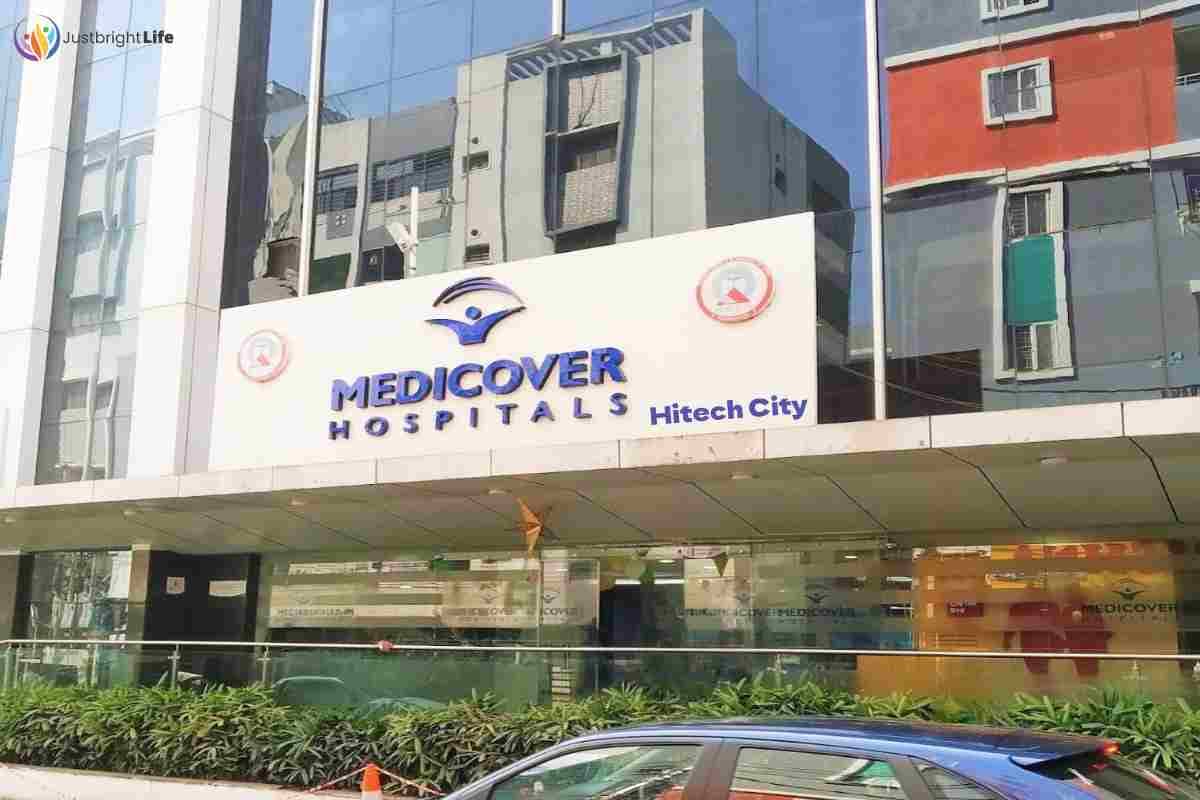
Comprehensive Medical Care at Medicover Hospitals - Hitec City
Orthodontics at Medicover Hospitals, HiTec City
Orthodontics focuses on diagnosing and managing problems involving tooth alignment, jaw relationships and the way the upper and lower teeth meet. At Medicover Hospitals, HiTec City, Hyderabad, patients looking for orthodontic care can explore specialist consultation and appropriate treatment options based on their dental needs. Orthodontic evaluation may be relevant for crowded, crooked or spaced teeth, bite irregularities and other alignment concerns. Depending on the clinical assessment, treatment may involve orthodontic appliances such as braces or clear aligner systems, along with regular monitoring and retention after active treatment. This page provides useful information about Orthodontics in Hyderabad, common conditions, treatment approaches, evaluation, consultations and factors to consider when choosing an orthodontic provider.
Orthodontics at Medicover Hospitals, HiTec City, Hyderabad
Orthodontics is the dental specialty concerned with the alignment of teeth and the relationship between the upper and lower jaws. People commonly seek orthodontic care when teeth are crowded, rotated, spaced too widely, protruding, or when the bite does not come together properly.
For patients searching for Orthodontics in Hyderabad, an orthodontic consultation can help identify the underlying alignment or bite concern and determine whether treatment is appropriate. At Medicover Hospitals, HiTec City, patients can explore orthodontic care based on their individual dental and oral health requirements.
Orthodontic treatment is not only about creating a straighter-looking smile. Correcting certain alignment and bite problems can also support oral hygiene, chewing function and long-term dental care. However, the appropriate approach varies from person to person. Age, tooth position, jaw development, periodontal health, existing dental restorations and the nature of the bite problem can all influence treatment planning.
A qualified orthodontic specialist evaluates these factors before recommending a treatment pathway. Depending on the case, treatment may involve fixed braces, removable appliances, clear aligners or other orthodontic approaches.
Orthodontics Services and Areas of Care
Orthodontic care covers more than traditional metal braces. The treatment plan depends on the patient's age, dental development, alignment problem and clinical findings.
Common areas evaluated in orthodontics include:
- Crowded or overlapping teeth
- Crooked or rotated teeth
- Gaps or spaces between teeth
- Protruding teeth
- Irregular bite relationships
- Overbite and underbite
- Crossbite
- Open bite
- Certain jaw-alignment concerns
- Relapse after previous orthodontic treatment
- Alignment concerns affecting oral hygiene or dental function
Orthodontic assessment may be considered for children, teenagers and adults. In younger patients, monitoring dental and jaw development can sometimes help identify developing orthodontic problems early. Adults can also undergo orthodontic treatment, although the evaluation and treatment approach may differ depending on bone health, existing dental work and other oral conditions.
Orthodontic Care for Children and Teenagers
The timing of orthodontic evaluation varies according to the child's dental development. An orthodontist may assess tooth eruption, jaw growth and the developing bite to determine whether observation or treatment is appropriate.
Early evaluation does not necessarily mean that a child needs immediate braces. In some cases, monitoring growth and dental development is sufficient until treatment becomes more appropriate.
Adult Orthodontics
Adults may seek orthodontic treatment for cosmetic concerns, bite problems, difficulty maintaining oral hygiene around crowded teeth, or relapse following earlier treatment.
Modern orthodontic options may include conventional braces and, where clinically suitable, clear aligner systems. An orthodontist can explain the advantages, limitations and suitability of each option after examining the individual case.
Conditions Treated Under Orthodontics
Orthodontists primarily manage problems involving tooth position, dental arches, bite and jaw relationships.
Crowded Teeth
Dental crowding occurs when there is insufficient space for teeth to align normally within the dental arch. Teeth may overlap, rotate or become difficult to clean effectively.
The severity of crowding and the patient's overall dental condition influence treatment planning. Depending on the case, orthodontic appliances may be considered to improve alignment.
Spacing and Gaps
Spaces between teeth can occur for several reasons, including tooth-size differences, missing teeth, developmental factors or certain oral habits. Orthodontic treatment may be used to close or redistribute spaces when appropriate.
A clinical assessment is important because the cause of spacing needs to be considered before treatment is planned.
Overbite
An overbite describes a vertical overlap of the upper front teeth over the lower front teeth. A pronounced bite discrepancy may affect dental function or contribute to excessive tooth wear in some individuals.
Orthodontic assessment helps determine the nature and severity of the bite problem.
Underbite
An underbite occurs when the lower teeth extend in front of the upper teeth when the mouth is closed. The underlying cause may involve tooth position, jaw development or a combination of factors.
Treatment options depend on the patient's age, skeletal development and severity of the discrepancy.
Crossbite
A crossbite occurs when one or more teeth do not align normally between the upper and lower dental arches. It can involve front or back teeth and may have different causes.
Early assessment can be particularly relevant in growing children because jaw and dental development may influence treatment planning.
Open Bite
An open bite occurs when certain upper and lower teeth do not meet when the mouth is closed. Habits, tooth position, jaw development and other factors may contribute.
An orthodontist can evaluate the underlying factors and discuss suitable management options.
Protruding or Misaligned Teeth
Teeth that appear significantly forward, rotated or irregularly positioned may affect appearance, lip closure or bite function. Orthodontic evaluation can determine whether treatment may improve their alignment.
Orthodontics Treatments and Procedures
The objective of orthodontic treatment is to guide teeth into a more appropriate position and, where possible, improve the relationship between the dental arches.
Treatment selection depends on clinical findings rather than appearance alone.
Conventional Braces
Fixed braces use brackets attached to the teeth and an archwire to apply controlled forces over time. Adjustments are made periodically so that tooth movement can be monitored and managed.
Traditional braces remain an established option for many types of orthodontic problems.
Ceramic or Tooth-Coloured Braces
Ceramic braces work on principles similar to conventional fixed braces but use tooth-coloured or less visually prominent components. Their suitability depends on the patient's orthodontic requirements and the specific system used.
Clear Aligners
Clear aligners are removable orthodontic appliances designed to gradually move teeth according to a planned sequence. They can be an option for selected alignment problems.
Not every orthodontic case is suitable for clear aligners. A specialist assessment is necessary to determine whether aligner treatment can address the patient's particular tooth and bite concerns.
Retainers
Retention is an important part of orthodontic care after active tooth movement. Teeth can naturally shift after treatment, and retainers are commonly used to help maintain the corrected alignment.
The type and duration of retention depend on the individual treatment plan.
Interceptive Orthodontic Treatment
For some children, orthodontic evaluation during growth can identify developing alignment or bite problems. Depending on the findings, an orthodontist may recommend monitoring, early intervention or later comprehensive treatment.
Treatment is individualized and should not be started solely because a child has reached a particular age.
Orthodontics Diagnostic and Evaluation Services
A proper orthodontic treatment plan begins with an assessment rather than immediately selecting an appliance.
During evaluation, the orthodontic team may consider:
- Dental and medical history
- Previous orthodontic treatment
- Oral hygiene and gum health
- Tooth eruption and development
- Tooth position and spacing
- Relationship between upper and lower teeth
- Jaw relationship and facial proportions
- Existing dental restorations or missing teeth
- Functional concerns such as chewing or bite difficulty
Depending on the clinical situation, dental photographs, impressions or digital scans and dental X-rays may be considered. The exact diagnostic requirements depend on the patient's age and treatment needs.
Imaging can help an orthodontist assess structures that cannot be evaluated fully by visual examination alone, including tooth roots, developing teeth and jaw relationships.
The purpose of these assessments is to establish a diagnosis and develop a treatment plan appropriate for the individual patient.
When Should You See an Orthodontic Specialist?
You may consider an orthodontic consultation if you notice persistent concerns such as:
- Crowded or overlapping teeth
- Large or persistent gaps
- Teeth that appear significantly rotated or displaced
- Difficulty bringing the teeth together normally
- A noticeable overbite, underbite or crossbite
- An open bite
- Teeth that protrude significantly
- Problems associated with tooth alignment or bite
- Concerns about orthodontic relapse after previous treatment
- A child's developing teeth or bite appear unusual
An orthodontic consultation can also be useful when a general dentist recommends specialist evaluation.
Not every irregularity requires orthodontic treatment. A specialist can determine whether treatment is necessary, whether monitoring is appropriate, and what options may be suitable.
What to Expect During an Orthodontic Consultation
A first orthodontic consultation in Hyderabad generally begins with a discussion about the patient's concerns and dental history.
1. Discussion of Dental Concerns
The specialist may ask about the reason for seeking treatment, previous dental or orthodontic procedures, oral habits, discomfort and any functional concerns.
2. Clinical Examination
The teeth, gums, bite and overall dental alignment may be examined. In children, dental development and jaw growth may also be considered.
3. Diagnostic Assessment
Where necessary, the orthodontist may recommend photographs, dental imaging, scans or other assessments to understand the alignment and underlying structures.
4. Treatment Discussion
After evaluating the findings, the specialist can explain possible treatment approaches. These may include braces, clear aligners, retainers or observation, depending on the case.
5. Follow-Up Planning
Orthodontic treatment typically involves periodic reviews. Follow-up appointments allow the specialist to assess progress and make adjustments where necessary.
Patients should ask about expected treatment duration, appointment frequency, appliance care, oral hygiene requirements, retention and potential risks before starting treatment.
Why Choose Orthodontic Care at Medicover Hospitals?
When comparing an orthodontic hospital in Hyderabad, patients should look beyond the treatment name and consider whether the care pathway suits their specific needs.
For patients considering Medicover Hospitals, HiTec City, the decision should be based on factors such as the availability of appropriate orthodontic consultation, the qualifications and experience of the treating specialist, diagnostic support, treatment options, follow-up arrangements and overall accessibility.
Because specific facilities and services can vary, patients should confirm directly with the hospital which orthodontic procedures, appliances and diagnostic services are currently available.
For patients with additional dental or medical considerations, coordination between relevant healthcare professionals may also be important. The most appropriate care pathway depends on the patient's clinical circumstances.
Orthodontic Doctors and Specialists
An orthodontist is a dental specialist trained to assess and manage tooth alignment, bite relationships and related jaw-development concerns.
When selecting an orthodontist in Hyderabad, patients may want to consider:
- Specialist qualifications and training
- Experience with the type of orthodontic problem involved
- Diagnostic and treatment-planning approach
- Range of orthodontic options offered
- Approach to children, teenagers or adults, as relevant
- Follow-up and retention planning
- Communication about treatment benefits, limitations and risks
No individual orthodontic treatment is suitable for everyone. A qualified specialist should evaluate the patient's condition before recommending a treatment approach.
Doctor names have not been provided for this page, so no individual practitioner is named here. Patients can verify the currently available orthodontic specialists and appointment options directly through the hospital or Siris Healthcare.
Orthodontic Care in Hyderabad
People searching for Orthodontics in Hyderabad may compare providers based on location, specialist availability, treatment choices and ease of follow-up.
Medicover Hospitals, HiTec City is located in the HiTec City area of Hyderabad, making locality an important consideration for patients who expect multiple orthodontic visits over the course of treatment.
Orthodontics often involves scheduled reviews rather than a single appointment. For this reason, patients may find it useful to consider travel time, appointment availability, parking or public transport access, and the convenience of returning for follow-up visits.
Patients searching online for terms such as “orthodontic hospital near me”, “orthodontist in HiTec City” or “braces treatment in Hyderabad” should compare providers on clinical suitability rather than relying only on rankings or promotional claims.
How to Choose the Right Orthodontic Hospital or Specialist
Choosing orthodontic care is an individual decision. A few practical factors can help patients compare providers.
Specialist Expertise
Check whether the treating professional has appropriate orthodontic training and experience relevant to the patient's condition.
Diagnostic Assessment
A good treatment plan should be based on an appropriate clinical examination and, when required, diagnostic records rather than appearance alone.
Treatment Options
Ask which options may be suitable for the particular case, including conventional braces, aesthetic braces, clear aligners or other appliances.
Explanation of Benefits and Limitations
Patients should understand what treatment is intended to achieve, how long treatment may take, what responsibilities they have during treatment and what limitations may apply.
Follow-Up Care
Orthodontic treatment requires monitoring. Ask how frequently appointments are expected and what happens after active treatment is completed.
Oral Hygiene Support
Braces and other appliances can make cleaning more challenging. The provider should explain appropriate oral hygiene and dental-care practices during treatment.
Accessibility
Since orthodontic treatment may require multiple appointments, a conveniently located provider can make long-term follow-up easier.
Multidisciplinary Care
Some patients may have additional dental or medical needs. When relevant, access to appropriate dental or medical professionals can support coordinated care.
Frequently Asked Questions About Orthodontics
What does an orthodontist treat?
An orthodontist evaluates and manages problems involving tooth alignment, dental arches, bite relationships and certain jaw-development concerns. Common issues include crowding, spacing, overbite, underbite, crossbite and open bite.
When should I see an orthodontist?
You can consider an orthodontic consultation if you have noticeably crooked, crowded or widely spaced teeth, an unusual bite, protruding teeth or concerns about orthodontic relapse. Children may also benefit from evaluation when tooth eruption or jaw development appears unusual.
Are braces the only orthodontic treatment?
No. Depending on the case, orthodontic treatment may involve conventional braces, ceramic braces, clear aligners, removable appliances or other approaches. The appropriate option depends on the diagnosis and individual treatment requirements.
Are clear aligners suitable for everyone?
No. Clear aligners can be useful for selected orthodontic problems, but they are not appropriate for every patient or every type of tooth movement. An orthodontist should assess the case before recommending aligner treatment.
How long does orthodontic treatment take?
Treatment duration varies considerably. It depends on the type and severity of the alignment problem, the treatment method, patient age, tooth movement required and how consistently the patient follows the treatment instructions.
Is orthodontic treatment only for children?
No. Teenagers and adults can also receive orthodontic treatment. The treatment plan is based on dental health, tooth position, bite, bone and gum health, and other individual factors.
How is an orthodontic problem diagnosed?
Diagnosis generally involves a clinical examination and review of the teeth and bite. Depending on the case, photographs, dental scans, impressions and X-rays may also be recommended.
What happens after braces or aligners are removed?
A retention phase is usually important because teeth can move after active orthodontic treatment. The orthodontist may recommend a retainer and explain how frequently it should be worn.
How do I choose an orthodontist in Hyderabad?
Look for an appropriately qualified orthodontic specialist, suitable diagnostic evaluation, treatment options relevant to your condition, clear communication about benefits and limitations, and a practical follow-up plan. Location and appointment convenience are also important because orthodontic treatment usually requires multiple visits.
How can I book an orthodontic consultation at Medicover Hospitals, HiTec City?
Patients interested in Orthodontics at Medicover Hospitals can check the hospital's current orthodontic services, available specialists and appointment options through the appropriate hospital or Siris Healthcare booking channel. Availability can change, so it is advisable to confirm the details before scheduling.
Orthodontics Treatments
Metal Braces
Advanced treatment available at Medicover Hospitals.
Clear Aligners / Invisible Aligners
Advanced treatment available at Medicover Hospitals.
Ceramic Braces
Advanced treatment available at Medicover Hospitals.
Self-Ligating Braces
Advanced treatment available at Medicover Hospitals.
Lingual Braces
Advanced treatment available at Medicover Hospitals.
Frequently Asked Questions About Orthodontics
What types of orthodontics procedures are performed at Medicover Hospitals?
We perform a wide range of orthodontics procedures, from routine diagnostics to complex surgeries, using the latest medical technologies.
How can I book an appointment for Orthodontics at Medicover Hospitals?
You can book an appointment through the Siris Healthcare platform by clicking the "Get Free Estimate" button or contacting our 24/7 helpline.
Other Medical Specialties at Medicover Hospitals Hitec City
Get Expert Orthodontics Care at Medicover Hospitals, Hitec City
Schedule a consultation with our top specialists and get a personalized treatment plan with a free cost estimate.
Top Specialities at Medicover Hospitals Hitec City
- Internal Medicine Department
- Cardiology Department
- cardiothoracic Department
- Biochemistry Department
- Clinical Psychology Department
- Critical care Department
- Cosmetic Surgery Department
- obstetrics Department
- Organ Transplantation Department
- Oncology Department
- orthopedic Department
- Ophthalmology Department
- Colorectal Surgery Department
- Orthodontics Department
- Oncoplastic Surgery Department
- Allergy and Clinical Immunology Department
Best Hospitals in Hyderabad
- Sprint Diagnostics Jubilee Hills
- Tx Hospitals Banjara Hills
- Sravani Hospitals Madhapur
- Greenmed Hospital Srinagar Colony
- Medivision Eye Care Centre Masab Tank
- Dr. Gowd's Dental Gachibowli
- Reliv Healthy Banjara Hills
- Health On Us Madhapur
- Aarogyam Dental Care Madhapur
- Amor Hospitals Kukatpally
- Derma 360 Madhapur
- Dr. Arya's Multispecialty Dental Hospital Banjara Hills
- Dr. Gupta's Integrated Wellness Centre Bowenpally
- Nura Madhapur
- Olive’s Dental World Madhapur
- Orange Health Labs Ameerpet
- Pristine Eye Hospitals Madhapur
- Prithvi Scan Centre Narayanguda
- Prk Hospitals Chanda Nagar
Medical Services in India
Best Multispeciality Hospitals in Hyderabad
- Kims Hospitals Secunderabad
- Kims Hospitals Kondapur
- Kims Hospitals Gachibowli
- Kims - Sunshine Hospitals Begumpet
- Kims Asian Transcare Banjara Hills
- Kims Mippl Paradise Circle
- Kims Hospitals Kompally
- Kims - Arete Hitec City
- Kamineni Hospitals Lb Nagar
- Sindhu Hospitals Hitec City
- Aig Hospitals Gachibowli
- Yashoda Hospitals Somajiguda
- Apollo Hospitals Jubilee Hills
- Care Hospitals Banjara Hills
- Pace Hospitals Hitec City
- Star Hospitals Banjara Hills
- Mythri Hospitals Mehdipatnam
- Aster Hospitals Ameerpet
- Citizens Specialty Hospital Nallagandla
- Bhoomi Hospitals Manikonda