
Colorectal Surgery at Medicover Hospitals, Hitec City, Hyderabad
Explore Colorectal Surgery services, treatments, diagnostic care and related doctors at Medicover Hospitals.
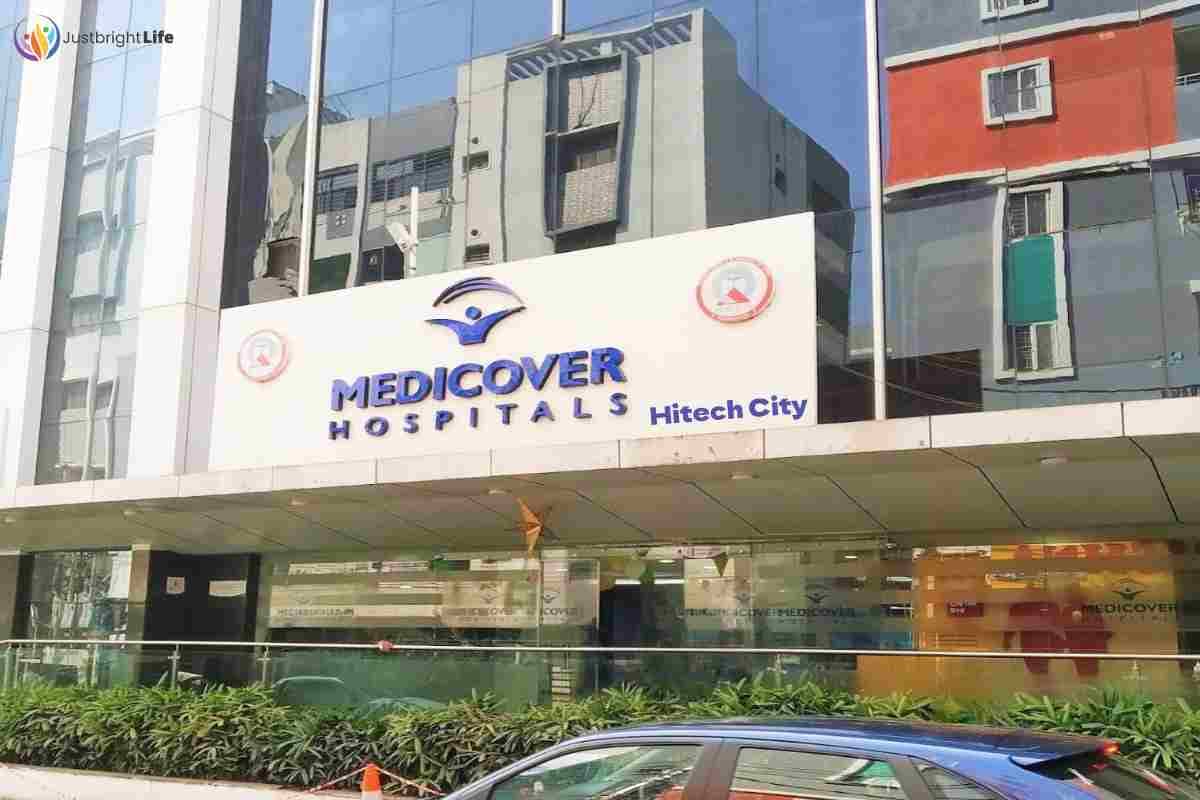
Comprehensive Medical Care at Medicover Hospitals - Hitec City
Colorectal Surgery at Medicover Hospitals
Colorectal Surgery focuses on conditions affecting the colon, rectum and anus, ranging from persistent bowel problems and anorectal disorders to conditions that may require surgical treatment. This page provides information for patients looking for colorectal surgery in Hyderabad and specifically exploring care associated with Medicover Hospitals, HiTec City. Patients can learn about commonly evaluated colorectal conditions, diagnostic approaches, surgical and non-surgical treatment options, preparation for consultation, and factors to consider when choosing a colorectal specialist. Because specialist and procedure availability can change, patients should confirm the availability of the appropriate colorectal or surgical specialist and the specific procedure before scheduling treatment.
Colorectal Surgery at Medicover Hospitals, HiTec City, Hyderabad
Colorectal Surgery is a surgical specialty concerned with disorders of the colon, rectum and anus. Patients may be referred for colorectal surgical evaluation when symptoms persist despite conservative treatment, when investigations identify a condition that may require an operation, or when a structural problem needs specialist assessment.
For people searching for colorectal surgery in Hyderabad, understanding the difference between a consultation, diagnostic evaluation and surgery is important. Not every bowel or anorectal condition requires an operation. Depending on the diagnosis, treatment may involve medication, dietary or lifestyle measures, endoscopic management, minimally invasive procedures, conventional surgery, or ongoing monitoring.
At Medicover Hospitals, HiTec City, patients can explore surgical evaluation for relevant colorectal and anorectal concerns. The appropriate specialist, treatment pathway and procedure depend on the patient's diagnosis, medical history, examination findings and overall health. Availability of a dedicated colorectal specialist or a particular procedure should be confirmed before booking.
Colorectal conditions can sometimes be uncomfortable to discuss, particularly when symptoms involve rectal bleeding, changes in bowel habits, anal pain or difficulty passing stool. A specialist consultation provides an opportunity to discuss these concerns confidentially and determine whether further testing or treatment is appropriate.
Colorectal Surgery Services and Areas of Care
Colorectal surgical care covers a broad range of conditions involving the lower digestive tract. Depending on the clinical situation, evaluation may involve a colorectal surgeon, general surgeon, gastroenterologist, oncologist or other specialists.
Common areas of colorectal care include:
- Colon and rectal disorders
- Anorectal conditions
- Hemorrhoids or piles
- Anal fissures
- Anal fistulas
- Perianal abscesses
- Rectal prolapse
- Diverticular disease
- Colorectal polyps
- Certain bowel obstructions
- Inflammatory bowel disease requiring surgical assessment
- Benign colorectal growths
- Colorectal and rectal cancers
- Complications involving the colon or rectum
- Selected bowel conditions requiring surgical intervention
The treatment approach is not the same for every patient. Some conditions can be managed without surgery, while others may require a planned procedure or urgent surgical intervention.
Colon and Rectal Care
The colon and rectum form the final part of the digestive system and are responsible for absorbing water, storing stool and supporting bowel elimination. Problems in these areas can cause symptoms such as abdominal discomfort, altered bowel habits, bleeding, constipation, diarrhoea or difficulty with bowel movements.
A specialist assessment helps identify whether symptoms are related to a colorectal condition and whether further investigation is needed.
Anorectal Conditions
Conditions involving the anus and surrounding tissues are common but can significantly affect comfort and daily activities. Piles, fissures, fistulas and abscesses can cause pain, bleeding, swelling, discharge or difficulty sitting and passing stool.
Treatment depends on the specific condition and its severity. Some patients may benefit from conservative management, while persistent or complicated conditions may require a procedure.
Conditions Treated Under Colorectal Surgery
Hemorrhoids or Piles
Hemorrhoids are swollen blood vessels in the lower rectum or anus. They may cause bright-red rectal bleeding, itching, discomfort, swelling or a lump around the anus.
Treatment can range from dietary and lifestyle changes to office-based procedures or surgery when clinically appropriate. A specialist evaluation is useful when bleeding is recurrent, significant, painful or associated with other bowel symptoms.
Anal Fissure
An anal fissure is a small tear in the lining of the anus. It commonly causes sharp pain during or after bowel movements and may produce a small amount of bleeding.
Initial management may include measures to soften stools and reduce straining. Persistent or complicated fissures may require additional medical or surgical treatment.
Anal Fistula
An anal fistula is an abnormal passage that can develop between the anal canal and the surrounding skin, sometimes following an abscess. Symptoms may include recurrent swelling, pain or drainage near the anus.
Because fistulas can have different courses and anatomical patterns, treatment should be planned after appropriate clinical assessment. Surgical options vary according to the fistula's location and relationship with the anal sphincter.
Perianal Abscess
A perianal abscess is a collection of pus in tissue around the anus. It may cause severe pain, swelling, redness and sometimes fever.
An abscess can require prompt medical assessment and, when appropriate, drainage. Patients with severe pain, fever or rapidly increasing swelling should seek timely medical attention rather than attempting to treat the condition themselves.
Diverticular Disease
Diverticular disease involves small pouches that develop in the wall of the colon. Some people have no symptoms, while others may experience abdominal discomfort or changes in bowel habits.
When inflammation or complications occur, treatment depends on the severity of the condition. Surgical assessment may be considered in selected complicated or recurrent cases.
Inflammatory Bowel Disease
Crohn's disease and ulcerative colitis are chronic inflammatory bowel diseases. Many patients are managed primarily with medical treatment, but surgery can become necessary in selected situations involving complications, obstruction, severe disease or other specific indications.
Colorectal and gastroenterology specialists may work together when surgical assessment is required.
Colorectal Polyps
Polyps are growths that develop on the inner lining of the colon or rectum. Some are harmless, while certain types can have precancerous potential.
Colonoscopy may identify polyps, and appropriate polyps can often be removed endoscopically. Larger, difficult-to-remove or suspicious lesions may require additional specialist assessment.
Colorectal Cancer
Colorectal cancer can develop in the colon or rectum. Possible warning signs include blood in the stool, unexplained changes in bowel habits, persistent abdominal discomfort, unexplained weight loss or iron-deficiency anaemia.
Evaluation may involve colonoscopy, biopsy and imaging. Treatment depends on the location and stage of the cancer and may involve surgery, chemotherapy, radiation therapy, targeted treatment or combinations of these approaches.
Colorectal Surgery Treatments and Procedures
Not every colorectal condition requires surgery. When an operation is recommended, the procedure is selected according to the underlying diagnosis, anatomical location, disease severity and the patient's general health.
Potential colorectal surgical procedures may include:
- Hemorrhoid procedures or hemorrhoidectomy
- Anal fissure procedures
- Anal fistula surgery
- Drainage of anorectal abscesses
- Rectal prolapse procedures
- Colectomy or partial removal of the colon
- Segmental bowel resection
- Rectal resection
- Colorectal cancer surgery
- Surgery for selected bowel obstruction
- Surgery for complicated diverticular disease
- Stoma creation or reversal in selected cases
Minimally Invasive Colorectal Surgery
For selected patients, bowel surgery may be performed through minimally invasive approaches such as laparoscopy. In appropriate cases, these techniques can use smaller incisions than conventional open surgery.
Whether minimally invasive surgery is suitable depends on the disease, previous operations, anatomy, overall health and surgeon assessment. It should not be assumed to be appropriate for every patient.
Colorectal Cancer Surgery
When surgery is required for colorectal cancer, the goal and extent of surgery depend on the tumour's location, size, stage and relationship with surrounding structures.
Procedures can include removal of a section of the colon or rectum along with nearby lymph nodes. In selected rectal cancer cases, techniques may be considered that aim to preserve the anal sphincter when medically appropriate.
Cancer treatment planning may involve several specialists rather than surgery alone.
Emergency Colorectal and Bowel Surgery
Some colorectal problems can become urgent. Severe abdominal pain, persistent vomiting, abdominal swelling, inability to pass stool or gas, heavy rectal bleeding, high fever or signs of infection may require prompt medical evaluation.
Emergency treatment can be very different from planned colorectal surgery. Patients with potentially serious symptoms should seek immediate medical care rather than delaying assessment for a routine appointment.
Colorectal Surgery Diagnostic and Evaluation Services
Accurate diagnosis is an important part of colorectal care. A specialist may recommend investigations based on symptoms, age, medical history, examination findings and risk factors.
Possible diagnostic approaches include:
Clinical Examination
The consultation may begin with a detailed discussion of symptoms, bowel habits, previous medical conditions, medications and previous procedures. Depending on the symptoms, an abdominal or anorectal examination may be appropriate.
Colonoscopy
A colonoscopy allows a doctor to examine the inside of the colon and rectum using a flexible camera. It may be recommended to investigate symptoms such as rectal bleeding, persistent bowel changes or unexplained anaemia, or for colorectal cancer screening in appropriate individuals.
During colonoscopy, polyps may sometimes be removed and tissue samples may be collected for laboratory examination.
Imaging
Depending on the suspected condition, imaging such as ultrasound, CT or MRI may be considered. Imaging can provide information about the bowel, surrounding tissues, abdominal structures and, in selected cases, the extent of disease.
Laboratory Tests
Blood tests and other laboratory investigations may help evaluate anaemia, inflammation, infection or general health before treatment. Testing is selected according to the patient's clinical situation rather than performed routinely for every colorectal complaint.
Biopsy and Pathology
When an abnormal tissue area is identified, a biopsy may be taken for microscopic examination. Pathology findings can help determine the nature of a lesion and guide further treatment.
When Should You See a Colorectal Surgery Specialist?
You may benefit from specialist evaluation if you have persistent or recurrent symptoms involving the bowel, rectum or anus, particularly when the cause has not been established.
Symptoms that may warrant medical assessment include:
- Blood in the stool or rectal bleeding
- Persistent constipation or diarrhoea
- A lasting change in bowel habits
- Pain during bowel movements
- Recurrent anal swelling or discharge
- A suspected anal fistula or abscess
- A persistent sensation of incomplete bowel emptying
- Unexplained abdominal or rectal discomfort
- Unexplained weight loss
- Recurrent bowel obstruction symptoms
- A colorectal polyp requiring further management
- An abnormal colonoscopy result
- A diagnosis of colorectal cancer requiring surgical assessment
Rectal bleeding should not automatically be assumed to be piles. Several conditions can cause bleeding, and persistent or unexplained bleeding deserves appropriate medical evaluation.
Similarly, changes in bowel habits do not necessarily indicate cancer or another serious disease. A clinician can determine whether investigation is appropriate based on the complete clinical picture.
What to Expect During a Colorectal Surgery Consultation
A colorectal consultation is usually focused on understanding the patient's symptoms and determining whether specialist treatment is needed.
1. Medical History
The specialist may ask about bowel movements, bleeding, pain, constipation, diarrhoea, weight changes, previous abdominal surgery, medications and relevant family history.
2. Symptom Assessment
The timing, duration and severity of symptoms can help guide the evaluation. Patients should feel comfortable describing symptoms accurately, even when they are sensitive or embarrassing.
3. Physical Examination
An abdominal examination or anorectal examination may be recommended depending on the symptoms.
4. Review of Previous Reports
If you have previously undergone colonoscopy, imaging, blood tests, pathology or other investigations, take the reports to your appointment. Reviewing previous findings can help avoid unnecessary repetition and provide a clearer clinical history.
5. Additional Testing
The specialist may recommend tests such as colonoscopy, imaging or laboratory investigations when clinically indicated.
6. Treatment Discussion
If a condition is identified, the specialist can explain available options. These may include observation, medication, dietary measures, endoscopic procedures or surgery, depending on the diagnosis.
7. Follow-Up Planning
If treatment is recommended, the next steps may include preparation, additional investigations, surgery, postoperative care or follow-up appointments.
Why Choose Colorectal Surgery Care at Medicover Hospitals?
When selecting a colorectal surgery hospital in Hyderabad, patients should look beyond the name of the hospital and consider whether the appropriate specialist and treatment pathway are available for their particular condition.
For patients considering Medicover Hospitals, HiTec City, useful factors to confirm before an appointment include:
- Which specialist is currently available for the patient's condition
- Whether the required colorectal procedure is performed at the location
- Whether the consultation is with a colorectal surgeon, general surgeon or another relevant specialist
- What diagnostic investigations may be required
- Whether additional gastroenterology, oncology or other specialist input is needed
- Whether planned or emergency surgical support is appropriate for the condition
- What postoperative and follow-up arrangements are available
- Whether insurance or other payment arrangements apply to the proposed treatment
Patients should confirm current specialist availability and procedure availability directly before travelling or scheduling surgery, as services and doctor schedules can change.
Colorectal Surgery Doctors and Specialists
Colorectal conditions can involve several areas of medicine. Depending on the diagnosis, patients may be assessed by a colorectal surgeon, general surgeon, surgical gastroenterologist, gastroenterologist or surgical oncologist.
A colorectal surgeon in Hyderabad may manage surgical conditions affecting the colon, rectum and anus. A general surgeon may also perform selected colorectal and anorectal procedures, depending on their training and clinical practice.
For cancer-related conditions, surgical oncology may form part of the treatment pathway. Gastroenterologists may be involved in diagnostic procedures such as colonoscopy and in the medical management of inflammatory bowel disease and other digestive disorders.
Because individual doctor availability changes, patients should check the current Medicover specialist listing and confirm that the doctor they are booking is appropriate for the condition being evaluated.
Colorectal Surgery Care in Hyderabad
Hyderabad is a major healthcare destination for patients seeking specialist evaluation and surgical treatment. For people living or working around HiTec City, choosing a nearby hospital can make consultations, diagnostic visits and follow-up appointments more manageable.
Patients searching for colorectal surgery in HiTec City may be looking for help with conditions ranging from piles and fissures to complex bowel disorders or colorectal cancer.
Location is useful, but it should not be the only factor when choosing specialist care. The most appropriate provider depends on the diagnosis, required procedure, specialist expertise and available supporting services.
Before booking treatment, patients from HiTec City and surrounding parts of Hyderabad should confirm:
- Specialist availability
- Consultation timings
- Procedure availability
- Required diagnostic tests
- Hospital admission requirements, if any
- Insurance or cashless eligibility
- Preoperative requirements
- Follow-up arrangements
This can help patients avoid unnecessary delays and ensure that they are consulting the appropriate specialist.
How to Choose the Right Colorectal Surgery Hospital or Specialist
Choosing a colorectal specialist involves more than searching for the phrase "best colorectal surgery hospital in Hyderabad." A suitable provider should match the patient's clinical requirements.
Specialist Expertise
Check whether the doctor regularly manages the specific condition or procedure relevant to your case.
Appropriate Diagnosis
Colorectal symptoms can have multiple causes. The provider should be able to arrange or coordinate appropriate diagnostic evaluation when needed.
Range of Treatment Options
Ask whether the condition can be managed conservatively, through an endoscopic procedure, minimally invasive surgery or open surgery, and why a particular approach is being recommended.
Multidisciplinary Care
Complex colorectal conditions, especially cancer and inflammatory bowel disease, may require input from several specialties. Ask how different specialists will coordinate care when necessary.
Hospital Infrastructure
For procedures requiring admission or surgery, consider the availability of appropriate operating facilities, anaesthesia support, monitoring, laboratory services and postoperative care.
Follow-Up Care
Recovery does not necessarily end when a procedure is completed. Ask about wound care, bowel function, diet, medication, activity restrictions and follow-up appointments.
Communication
A good consultation should give you an opportunity to understand your diagnosis, treatment options, expected recovery and potential risks.
Accessibility
For patients living in Hyderabad, convenient access to consultations and follow-up appointments can be helpful, particularly when a condition requires several visits.
Most importantly, treatment decisions should be based on an individual clinical assessment rather than online rankings alone.
Frequently Asked Questions About Colorectal Surgery
What does a colorectal surgery specialist treat?
A colorectal surgical specialist deals with conditions affecting the colon, rectum and anus. These may include hemorrhoids, anal fissures, fistulas, abscesses, rectal prolapse, diverticular disease, selected bowel disorders, colorectal polyps and colorectal cancers.
When should I see a colorectal surgeon?
Consider specialist evaluation when you have persistent or recurrent rectal bleeding, bowel habit changes, anal pain, recurrent swelling or discharge, abnormal colonoscopy findings, suspected colorectal disease or a condition that may require surgery.
Does every colorectal condition require surgery?
No. Many colorectal conditions can initially be managed with medication, dietary changes, lifestyle measures or other non-surgical treatments. Surgery is considered when clinically appropriate based on the diagnosis and individual circumstances.
How are colorectal conditions diagnosed?
Diagnosis may involve medical history, physical examination, blood tests, colonoscopy, biopsy and imaging such as CT or MRI. The tests selected depend on the symptoms and suspected condition.
Is rectal bleeding always caused by piles?
No. Hemorrhoids are one possible cause, but rectal bleeding can also occur with fissures, polyps, inflammatory bowel disease, diverticular disease and colorectal cancer. Persistent or unexplained bleeding should be medically evaluated.
What is the difference between colon surgery and colorectal surgery?
Colon surgery generally refers to operations involving the colon, while colorectal surgery covers surgical conditions of the colon, rectum and anus. The terms can overlap depending on the procedure and clinical context.
Is minimally invasive colorectal surgery suitable for everyone?
No. Laparoscopic or other minimally invasive approaches may be appropriate for selected patients, but suitability depends on the diagnosis, anatomy, previous surgery, disease severity and overall health.
What should I bring to a colorectal surgery consultation?
Bring previous medical records, colonoscopy reports, imaging reports, pathology results, relevant blood-test results, a list of current medicines and information about previous surgeries or significant medical conditions.
How can I choose a colorectal surgery hospital in Hyderabad?
Consider the relevant specialist's experience with your condition, diagnostic facilities, available treatment options, surgical support, follow-up care, hospital accessibility and whether the required procedure is currently available at that location.
How can I book a colorectal surgery consultation at Medicover Hospitals, HiTec City?
Patients can check current specialist availability and appointment options through Medicover Hospitals or through the relevant healthcare booking channel. Since specialist availability can change, confirm that the appropriate colorectal or surgical specialist is available before scheduling the consultation.
Treatment depends on the underlying condition, diagnosis and individual health needs. Patients should discuss appropriate treatment options, risks and alternatives with a qualified healthcare professional.
Colorectal Surgery Treatments
Hemorrhoidectomy
Advanced treatment available at Medicover Hospitals.
Fistulotomy
Advanced treatment available at Medicover Hospitals.
Lateral Internal Sphincterotomy (lis)
Advanced treatment available at Medicover Hospitals.
Colectomy
Advanced treatment available at Medicover Hospitals.
Low Anterior Resection (lar) Surgery
Advanced treatment available at Medicover Hospitals.
Laparoscopic Colorectal Surgery
Advanced treatment available at Medicover Hospitals.
Robotic Colorectal Surgery
Advanced treatment available at Medicover Hospitals.
Rectopexy
Advanced treatment available at Medicover Hospitals.
Ileostomy / Colostomy
Advanced treatment available at Medicover Hospitals.
Anal Fissure Surgery
Advanced treatment available at Medicover Hospitals.
Frequently Asked Questions About Colorectal Surgery
What types of colorectal surgery procedures are performed at Medicover Hospitals?
We perform a wide range of colorectal surgery procedures, from routine diagnostics to complex surgeries, using the latest medical technologies.
How can I book an appointment for Colorectal Surgery at Medicover Hospitals?
You can book an appointment through the Siris Healthcare platform by clicking the "Get Free Estimate" button or contacting our 24/7 helpline.
Other Medical Specialties at Medicover Hospitals Hitec City
Get Expert Colorectal Surgery Care at Medicover Hospitals, Hitec City
Schedule a consultation with our top specialists and get a personalized treatment plan with a free cost estimate.
Top Specialities at Medicover Hospitals Hitec City
- Internal Medicine Department
- Cardiology Department
- cardiothoracic Department
- Biochemistry Department
- Clinical Psychology Department
- Critical care Department
- Cosmetic Surgery Department
- obstetrics Department
- Organ Transplantation Department
- Oncology Department
- orthopedic Department
- Ophthalmology Department
- Colorectal Surgery Department
- Orthodontics Department
- Oncoplastic Surgery Department
- Allergy and Clinical Immunology Department
Best Hospitals in Hyderabad
- Sprint Diagnostics Jubilee Hills
- Tx Hospitals Banjara Hills
- Sravani Hospitals Madhapur
- Greenmed Hospital Srinagar Colony
- Medivision Eye Care Centre Masab Tank
- Dr. Gowd's Dental Gachibowli
- Reliv Healthy Banjara Hills
- Health On Us Madhapur
- Aarogyam Dental Care Madhapur
- Amor Hospitals Kukatpally
- Derma 360 Madhapur
- Dr. Arya's Multispecialty Dental Hospital Banjara Hills
- Dr. Gupta's Integrated Wellness Centre Bowenpally
- Nura Madhapur
- Olive’s Dental World Madhapur
- Orange Health Labs Ameerpet
- Pristine Eye Hospitals Madhapur
- Prithvi Scan Centre Narayanguda
- Prk Hospitals Chanda Nagar
Medical Services in India
Best Multispeciality Hospitals in Hyderabad
- Kims Hospitals Secunderabad
- Kims Hospitals Kondapur
- Kims Hospitals Gachibowli
- Kims - Sunshine Hospitals Begumpet
- Kims Asian Transcare Banjara Hills
- Kims Mippl Paradise Circle
- Kims Hospitals Kompally
- Kims - Arete Hitec City
- Kamineni Hospitals Lb Nagar
- Sindhu Hospitals Hitec City
- Aig Hospitals Gachibowli
- Yashoda Hospitals Somajiguda
- Apollo Hospitals Jubilee Hills
- Care Hospitals Banjara Hills
- Pace Hospitals Hitec City
- Star Hospitals Banjara Hills
- Mythri Hospitals Mehdipatnam
- Aster Hospitals Ameerpet
- Citizens Specialty Hospital Nallagandla
- Bhoomi Hospitals Manikonda