
Dermatology at Medicover Hospitals, N-6, Cidco, Chhatrapati Sambhajinagar
Explore Dermatology services, treatments, diagnostic care and related doctors at Medicover Hospitals.

Medicover Hospitals – Best in N-6, Cidco, Chhatrapati Sambhajinagar
- Beds
- 400
Dermatology at Medicover Hospital
Dermatology at Medicover Hospital in Chh. Sambhaji Nagar provides patients with access to evaluation and management of a wide range of skin, hair and nail concerns. The department covers common problems such as acne, eczema, psoriasis, fungal infections, pigmentation disorders, skin allergies, hair loss, dandruff, nail conditions and other dermatological concerns. Medicover's Chh. Sambhaji Nagar hospital lists Dermatology among its specialties, while its dermatology information also describes medical, cosmetic, pediatric and hair and scalp care.
Dermatology at Medicover Hospital, Chh. Sambhaji Nagar
Dermatology is the medical specialty concerned with the diagnosis and management of conditions affecting the skin, hair and nails. Skin problems can range from short-term infections and allergic reactions to chronic conditions that require ongoing monitoring. Some concerns are primarily medical, while others may involve cosmetic or aesthetic goals.
Medicover Hospital in Chh. Sambhaji Nagar, Maharashtra, lists Dermatology among its available specialties. Its dermatology service information covers clinical skin care as well as hair, scalp, nail and cosmetic concerns.
For patients, specialist dermatology care is not simply about treating a visible symptom. A dermatologist may assess the appearance and distribution of a skin problem, ask about its duration and triggers, review previous treatments and determine whether further testing is required. The treatment plan is then selected according to the underlying condition and the patient's individual circumstances.
Dermatology Services and Areas of Care
Dermatology care can address a broad range of concerns involving the skin, scalp, hair and nails. At Medicover's Chh. Sambhaji Nagar dermatology service, the conditions and areas described include clinical, cosmetic, pediatric and hair and scalp concerns.
Clinical Dermatology
Clinical dermatology focuses on diagnosing and managing medical skin conditions. Common concerns include acne, eczema, psoriasis, dermatitis, fungal infections, allergic rashes, pigmentation disorders, vitiligo, warts and other skin growths.
Hair and Scalp Care
Persistent hair fall, dandruff, scalp inflammation and other hair or scalp problems may require dermatological assessment. The cause can vary considerably, so treatment should be based on appropriate evaluation rather than self-treatment alone.
Nail Disorders
Dermatologists can evaluate nail infections, changes in nail colour or structure and other nail abnormalities. Nail problems may sometimes be related to infection, inflammation, trauma or an underlying medical condition.
Pediatric Dermatology
Children can develop eczema, infections, rashes, allergies, birthmarks and other skin problems. Dermatological assessment for children should take age and the sensitivity of developing skin into account.
Cosmetic and Aesthetic Dermatology
Some dermatology services focus on appearance-related concerns such as pigmentation, acne scars, unwanted hair, skin texture and signs of ageing. Medicover's published Chh. Sambhaji Nagar dermatology information describes procedures including chemical peels, laser treatments, microneedling, PRP and other cosmetic procedures.
The suitability of any cosmetic procedure depends on skin type, the specific concern, medical history and professional assessment.
Conditions Treated Under Dermatology
A dermatologist may manage many different skin, hair and nail conditions. Medicover's Chh. Sambhaji Nagar dermatology information specifically lists several of the following conditions.
Acne and Acne Scars
Acne can affect teenagers and adults and may range from occasional breakouts to persistent inflammatory acne. Dermatological treatment may help control active acne and reduce the risk of long-term scarring. Existing acne scars may require a separate assessment to determine which treatment approach is appropriate.
Eczema and Dermatitis
Eczema and dermatitis can cause itching, dryness, redness, irritation and recurring rashes. Identifying possible triggers and maintaining the skin barrier are important parts of management.
Psoriasis
Psoriasis is a chronic inflammatory skin condition that can cause thickened, scaly patches. It often requires ongoing management rather than a one-time treatment. The appropriate approach depends on the type and extent of psoriasis and other health factors.
Fungal Skin Infections
Fungal infections can affect areas such as the feet, groin, body, scalp or nails. Persistent or recurrent infections should be professionally evaluated because several skin conditions can look similar but require different treatment.
Pigmentation Disorders and Vitiligo
Changes in skin pigmentation can have many causes, including inflammation, sun exposure, hormonal influences and specific skin disorders. Vitiligo, melasma and other pigmentary conditions require an appropriate diagnosis before treatment is selected.
Skin Allergies and Rashes
Rashes, itching, hives and allergic reactions can result from medications, cosmetics, environmental exposures, infections or other triggers. A dermatologist can assess the pattern and history of the symptoms to help identify an appropriate management strategy.
Hair Loss and Scalp Disorders
Hair loss can result from hereditary factors, nutritional problems, hormonal changes, inflammatory scalp disorders, stress-related shedding and other causes. A dermatologist may evaluate the scalp and hair pattern and recommend investigations or treatment when necessary.
Warts, Moles and Skin Tags
Warts, moles and skin tags can sometimes be treated through dermatological procedures. Any changing, bleeding, painful or unusual skin lesion should be assessed by a qualified healthcare professional rather than removed without evaluation.
Nail Conditions
Nail infections and other nail disorders can cause thickening, discoloration, brittleness or changes in nail shape. Identifying the underlying cause helps determine appropriate treatment.
Dermatology Treatments and Procedures
Dermatological treatment varies according to the diagnosis. Depending on the condition, management may include prescription medicines, topical treatments, oral medicines, lifestyle or skincare advice, procedures or longer-term follow-up.
Medicover's published dermatology information for Chh. Sambhaji Nagar describes treatment categories including chemical peels, laser-based procedures, microneedling, PRP therapy, hair and scalp management, mole and skin-tag procedures, and treatments for skin and nail disorders.
Some commonly used dermatological treatment categories include:
- Topical treatment: Creams, ointments, lotions, gels or other preparations may be used for acne, eczema, infections, inflammation and other conditions.
- Oral medication: Certain infections, inflammatory disorders and other conditions may require medicines taken by mouth.
- Chemical peels: Controlled application of chemical solutions may be considered for selected pigmentation, acne and texture concerns.
- Laser procedures: Depending on the indication, lasers may be used for concerns such as pigmentation, unwanted hair and selected acne scars.
- Microneedling: A procedure involving controlled micro-injuries to the skin that may be considered for selected scar and skin-texture concerns.
- PRP therapy: Platelet-rich plasma procedures may be considered for selected hair or cosmetic indications after professional assessment.
- Minor dermatological procedures: Certain lesions, warts, skin tags or other problems may be managed through procedures such as electrosurgery or removal when clinically appropriate.
Not every treatment is appropriate for every patient. The dermatologist should determine whether a procedure is suitable after examining the condition and considering the patient's medical history.
Dermatology Diagnostic and Evaluation Services
Accurate diagnosis is an important part of dermatology because different conditions can produce similar symptoms. A consultation may begin with a detailed medical history and examination of the affected skin, hair or nails.
Depending on the concern, evaluation may involve:
- Visual examination of the skin and affected areas
- Dermatoscopic assessment of selected lesions
- Scalp and hair evaluation
- Allergy or patch testing where clinically appropriate
- Skin imaging or other specialised assessment
- Laboratory investigations when needed
- Skin biopsy for selected lesions or unclear diagnoses
Medicover's published Chh. Sambhaji Nagar dermatology information mentions dermatoscopy, skin imaging, patch testing, allergy testing, trichoscopy and biopsy among its described diagnostic services.
The need for a particular test depends on the patient's symptoms and the dermatologist's clinical assessment.
When Should You See a Dermatology Specialist?
Not every skin problem requires specialist care, but persistent, recurrent, worsening or unexplained symptoms deserve medical attention.
Consider consulting a dermatologist if you experience:
- Acne that persists despite basic skincare
- Recurrent or spreading skin rashes
- Persistent itching or inflammation
- Repeated fungal infections
- Sudden or continuing hair loss
- Severe dandruff or scalp problems
- New or changing moles or skin lesions
- Persistent pigmentation changes
- Symptoms of vitiligo
- Painful, infected or non-healing skin lesions
- Nail changes that do not resolve
- Skin reactions after medicines or cosmetic products
- A chronic skin condition that is interfering with daily life
A dermatologist can help determine whether the problem is infectious, inflammatory, allergic, hormonal, autoimmune, hereditary or related to another underlying cause.
What to Expect During a Dermatology Consultation
A dermatology consultation is generally focused on understanding the patient's concern and identifying its likely cause.
1. Medical History
The specialist may ask when the problem started, whether it is recurring, what symptoms are present and whether any treatments have already been tried.
2. Skin, Hair or Nail Examination
The affected area may be examined closely to understand its appearance, distribution and severity. Depending on the problem, additional examination of the scalp, nails or other skin areas may be appropriate.
3. Diagnostic Evaluation
If the diagnosis is not clear from examination alone, the dermatologist may recommend further testing. The specific test depends on the suspected condition.
4. Treatment Discussion
Once the condition has been assessed, the specialist can explain appropriate treatment choices, expected timelines, precautions and possible side effects.
5. Follow-Up Planning
Some dermatological conditions improve with short-term treatment, while chronic conditions such as psoriasis or recurring eczema may need ongoing management. Follow-up allows the treatment plan to be adjusted according to the patient's response.
Why Choose Dermatology Care at Medicover Hospital?
When selecting a dermatology hospital in Chh. Sambhaji Nagar, patients should look beyond the appearance of a clinic or a list of procedures. Appropriate diagnosis, qualified specialist care, treatment suitability and follow-up are important considerations.
Medicover's Chh. Sambhaji Nagar hospital lists Dermatology among its specialties and operates as a multispecialty hospital. Its published hospital information identifies the facility near Chistiya Police Chowki, N-6, CIDCO, Chh. Sambhajinagar, Maharashtra.
The hospital's dermatology information also describes care covering skin, hair and nail conditions, alongside cosmetic and pediatric dermatology services.
Because specific treatment requirements differ from patient to patient, prospective patients should discuss the available service, expected evaluation and treatment options directly with the dermatology team before proceeding.
Dermatology Doctors and Specialists
Dermatologists are medical specialists trained to diagnose and manage diseases and disorders affecting the skin, hair and nails. Depending on their qualifications and clinical focus, dermatology specialists may also have experience in areas such as trichology, cosmetology, pediatric dermatology or aesthetic dermatology.
Medicover's current Chh. Sambhaji Nagar dermatologist listing identifies Dr Saily Shejol, Consultant Dermatologist, with 17+ years of experience listed for the location.
Medicover's website also contains separate doctor and appointment information, allowing patients to review available specialists and appointment options. Doctor availability can change, so patients should verify the current schedule before planning a consultation.
Dermatology Care in Chh. Sambhaji Nagar, Maharashtra
Patients searching for dermatology in Chh. Sambhaji Nagar may prefer local specialist care for conditions requiring examination, treatment and follow-up. Medicover Hospital is located near Chistiya Police Chowki, N-6, CIDCO, Chh. Sambhajinagar, Maharashtra 431003.
The location is relevant for patients searching for a dermatologist around CIDCO and surrounding parts of Chh. Sambhaji Nagar. The hospital's published information also references accessibility from areas including Garkheda, Beed Bypass, Kranti Chowk, Jalna Road, Usmanpura, Shahgunj, HUDCO, Waluj and nearby localities.
For patients travelling for recurring dermatology appointments, accessibility, appointment availability, consultation timings and follow-up arrangements can be useful factors to consider.
How to Choose the Right Dermatology Hospital or Specialist
Choosing a dermatologist should be based on the nature of the concern and the type of care required.
Consider the following:
Relevant Specialist Experience
Look for a dermatologist whose clinical experience aligns with your concern, particularly if you need care for a chronic skin disease, hair disorder, paediatric condition or cosmetic concern.
Appropriate Diagnosis
A provider should have an appropriate process for examining the condition and recommending additional tests when necessary.
Treatment Options
Ask whether the proposed treatment is intended to address the underlying condition, manage symptoms, prevent recurrence or improve appearance.
Safety and Medical Suitability
Procedures such as chemical peels, lasers, injectables and other aesthetic treatments should be considered only after appropriate professional assessment.
Follow-Up Care
Some conditions require repeated consultations or treatment adjustments. Understand how follow-up appointments will be handled before starting long-term treatment.
Multispecialty Support
For patients whose skin condition may be connected to another medical issue, access to other medical specialties can be useful.
Communication
A good consultation should give patients an opportunity to understand their diagnosis, treatment choices, precautions and expected follow-up.
Frequently Asked Questions About Dermatology
1. What does a dermatologist treat?
A dermatologist diagnoses and manages conditions affecting the skin, hair and nails. These may include acne, eczema, psoriasis, fungal infections, pigmentation disorders, allergies, hair loss, dandruff, vitiligo, warts and nail disorders.
2. When should I see a dermatologist in Chh. Sambhaji Nagar?
Consider seeing a dermatologist when a skin, hair or nail problem is persistent, recurrent, worsening, painful, spreading or unexplained. Changes in moles or non-healing skin lesions should also be medically assessed.
3. Can a dermatologist treat acne and acne scars?
Yes. Dermatologists can assess the type and severity of acne and recommend suitable treatment. Acne scars require separate evaluation because the appropriate procedure depends on the type and depth of scarring.
4. Can dermatologists treat hair loss?
Dermatologists can evaluate many causes of hair loss and scalp disorders. The treatment depends on the underlying cause, which may require examination and, in some cases, additional investigations.
5. What happens during a dermatology consultation?
The consultation usually includes discussion of your symptoms and medical history, examination of the affected area and, when required, diagnostic testing. The dermatologist then discusses appropriate treatment and follow-up.
6. Are cosmetic dermatology procedures suitable for everyone?
No. Cosmetic procedures such as chemical peels, laser treatments or microneedling may not be appropriate for every skin type or medical condition. A qualified dermatologist should assess the concern before treatment.
7. Can children see a dermatologist?
Yes. Children can develop eczema, rashes, infections, allergies, acne, birthmarks and other dermatological conditions. Treatment should be selected according to the child's age, condition and medical needs.
8. How are fungal skin infections diagnosed?
A dermatologist may diagnose many fungal infections through clinical examination. In uncertain or persistent cases, additional testing may be recommended to confirm the cause before selecting treatment.
9. How do I choose a dermatology hospital in Chh. Sambhaji Nagar?
Consider the dermatologist's relevant experience, diagnostic approach, treatment options, hospital support, follow-up process, accessibility and whether the services match your particular medical concern.
10. How can I book a dermatology consultation at Medicover Hospital?
Patients can use Medicover's online appointment system or contact the hospital to check current dermatologist availability and consultation timings. The hospital's current online doctor listing provides appointment information for its Chh. Sambhaji Nagar dermatology service.
Best Dermatology Doctors at Medicover Hospitals, N-6, Cidco
Consult with our highly experienced experts at Medicover Hospitals.
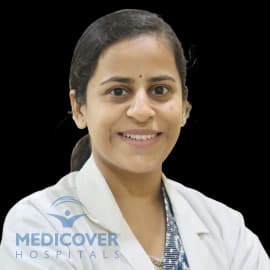 Dermatology
Dr Saily Shejol
Dermatology Treatments
Acne And Acne Scar Treatment
Advanced treatment available at Medicover Hospitals.
Laser Hair Removal
Advanced treatment available at Medicover Hospitals.
Psoriasis Treatment
Advanced treatment available at Medicover Hospitals.
Eczema And Dermatitis Treatment
Advanced treatment available at Medicover Hospitals.
Vitiligo Treatment
Advanced treatment available at Medicover Hospitals.
Chemical Peels
Advanced treatment available at Medicover Hospitals.
Laser Skin Resurfacing
Advanced treatment available at Medicover Hospitals.
Hair Loss Treatment
Advanced treatment available at Medicover Hospitals.
Mole, Wart And Skin Tag Removal
Advanced treatment available at Medicover Hospitals.
Skin Cancer Diagnosis And Treatment
Advanced treatment available at Medicover Hospitals.
Frequently Asked Questions About Dermatology
What types of dermatology procedures are performed at Medicover Hospitals?
We perform a wide range of dermatology procedures, from routine diagnostics to complex surgeries, using the latest medical technologies.
How can I book an appointment for Dermatology at Medicover Hospitals?
You can book an appointment through the Siris Healthcare platform by clicking the "Get Free Estimate" button or contacting our 24/7 helpline.
Other Medical Specialties at Medicover Hospitals N-6, Cidco
Get Expert Dermatology Care at Medicover Hospitals, N-6, Cidco
Schedule a consultation with our top specialists and get a personalized treatment plan with a free cost estimate.
Top Specialities at Medicover Hospitals N-6, Cidco
- Cardiology Department
- cardiothoracic Department
- Neurology Department
- Neurosurgery Department
- Oncology Department
- Thoracic Surgical Oncology Department
- Gastroenterology Department
- Hepatology Department
- Nephrology Department
- General Medicine Department
- General Surgery Department
- obstetrics Department
- Gynaecology Department
- Fetal Medicine Department
- Pediatrics Department
- Pediatric Surgery Department
- Pulmonology Department
- Critical care Department
- Emergency medicine Department
- Anesthesiology Department
- ENT Department
- Dermatology Department
- Diabetology Department
- Endocrinology Department
- Pathology Department
- Radiology Department
- Nuclear Medicine Department
- Physiotherapy Department
- Psychiatric Department
- Preventive Medicine Department
- Vascular Surgery Department
- Plastic Surgery Department
- Rheumatology Department
- Pediatric Cardiology Department