
Radiology at Medicover Hospital Whitefield, Hoodi, Bengaluru
Explore Radiology services, treatments, diagnostic care and related doctors at Medicover Hospital Whitefield.
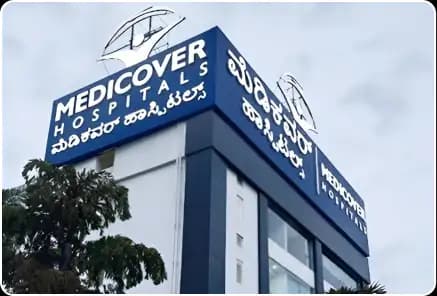
Medicover Hospital Whitefield – Best in Hoodi, Bengaluru
- Beds
- 400
Radiology at Medicover Hospital Whitefield
Radiology plays an important role in diagnosing, monitoring and planning treatment for many health conditions. At Medicover Hospital Whitefield, located on ITPL Main Road in Hoodi, Bengaluru, patients can explore radiology and diagnostic imaging services relevant to their clinical needs. The hospital lists Radiology among its specialties and provides diagnostic facilities including CT, MRI, sonography, X-ray and other imaging services.
Radiology at Medicover Hospital Whitefield, Bengaluru
Radiology is a medical specialty that uses imaging techniques to look inside the body and help clinicians identify, evaluate and monitor health conditions. Imaging may be used when a patient has symptoms that require further investigation, after an injury, during disease monitoring, or as part of treatment planning.
Medicover Hospital Whitefield is located at 351 ITPL Main Road, Whitefield Road, Hoodi Village, Bengaluru. The hospital's Bengaluru specialty listing includes Radiology, along with a broad range of other medical departments. Its listed diagnostic facilities include CT scanning, MRI, sonography, X-ray and other imaging-related services.
For someone searching for a Radiology hospital in Bengaluru, the right imaging investigation depends on the body part being evaluated, the symptoms, the suspected condition, previous medical history and the referring doctor's clinical question. A radiologist interprets medical images and communicates the findings through a diagnostic report that can support further medical decision-making.
Radiology Services and Areas of Care
Radiology encompasses several forms of diagnostic imaging. The appropriate examination is selected according to the patient's clinical situation rather than simply choosing the most advanced scan.
X-Ray Imaging
X-rays are commonly used to examine bones and the chest. They may help evaluate suspected fractures, certain lung conditions and other problems where plain radiography is clinically appropriate.
Ultrasound and Sonography
Ultrasound uses sound waves rather than ionising radiation to create images of internal structures. Depending on the clinical requirement, ultrasound may be used to assess organs, soft tissues, the abdomen, pelvis and other areas.
Medicover Hospital Bengaluru lists sonography among its diagnostic facilities.
CT Scans
Computed tomography, commonly called a CT scan, uses X-rays and computer processing to produce detailed cross-sectional images. CT may be useful when clinicians need rapid or detailed evaluation of areas such as the head, chest, abdomen, pelvis or bones.
The hospital's Bengaluru page lists CT scanning among its diagnostic facilities.
MRI
Magnetic resonance imaging uses a strong magnetic field and radio waves to produce detailed images, particularly of soft tissues. MRI may be used for evaluation of the brain, spine, joints, muscles, ligaments and several internal organs.
Medicover's Bengaluru hospital information lists MRI among its diagnostic facilities.
Doppler and Vascular Imaging
Doppler ultrasound can assess blood flow through blood vessels. Depending on the clinical indication, it may be used to investigate suspected circulation problems or evaluate blood flow in specific parts of the body.
Image-Guided and Interventional Radiology
Interventional radiology uses imaging guidance to perform selected minimally invasive procedures. These procedures can involve vascular, non-vascular or neurological conditions and are different from routine diagnostic imaging.
Medicover lists Interventional Radiology among its Bengaluru specialties. Its Bengaluru-based doctor profile for Dr. Vinaya Manohara Gowda identifies him as a Lead Consultant in Interventional Radiology with expertise in vascular, non-vascular and neuro interventions.
The suitability of an interventional procedure depends on the diagnosis, clinical condition and specialist assessment.
Conditions Evaluated Through Radiology
Radiology does not represent one single disease-treatment pathway. Instead, imaging can support the diagnosis and monitoring of conditions affecting many different organs and systems.
Bone and Joint Problems
Imaging may be requested for suspected fractures, arthritis, sports injuries, ligament or tendon problems, spinal disorders and other musculoskeletal concerns. X-rays, ultrasound, CT or MRI may be considered depending on the clinical question.
Brain and Nervous System Conditions
CT and MRI can provide detailed information about the brain and other neurological structures. Imaging may be requested for symptoms such as persistent neurological changes, suspected stroke, head injury or other conditions requiring specialist evaluation.
Chest and Lung Conditions
Chest X-rays and CT scans may be used to evaluate certain respiratory symptoms and abnormalities involving the lungs or chest. The appropriate test depends on the patient's symptoms and medical history.
Abdominal and Digestive Conditions
Ultrasound, CT and MRI may be used to evaluate abdominal organs and investigate symptoms involving the liver, gallbladder, kidneys, pancreas or other structures.
Women's Health
Ultrasound and other imaging examinations can play an important role in evaluating selected gynaecological and breast-related concerns. The exact examination depends on the patient's age, symptoms, medical history and clinical indication.
Cancer Evaluation and Monitoring
Imaging can contribute to cancer detection, staging, treatment planning and follow-up. However, imaging findings alone do not always establish a cancer diagnosis. Doctors may combine imaging results with examination, laboratory tests, pathology and other clinical information.
Radiology Treatments and Procedures
Most people associate Radiology with diagnostic scans, but the specialty can also include image-guided procedures.
Possible procedure categories include:
- Image-guided biopsies
- Vascular interventions
- Non-vascular interventions
- Selected drainage procedures
- Image-guided injections or other targeted procedures
- Neurointerventional procedures in appropriately selected cases
Not every procedure is appropriate for every patient, and availability may vary by hospital, specialist and clinical indication.
At Medicover Hospital Whitefield, Dr. Vinaya Manohara Gowda is listed as a Lead Consultant Interventional Radiologist, with qualifications including MBBS, MD in Radiology and DM in Interventional Radiology. His listed areas include vascular, non-vascular and neuro interventions.
Patients considering an image-guided procedure should discuss the expected benefits, alternatives, possible risks, preparation requirements and follow-up with the treating specialist.
Radiology Diagnostic and Evaluation Services
Diagnostic imaging is selected according to the medical question that needs to be answered. Common imaging modalities include:
- X-ray
- CT scan
- MRI
- Ultrasound or sonography
- Doppler studies
- Other specialised imaging examinations when clinically indicated
Medicover Hospital Bengaluru lists X-ray, sonography, CT, MRI, Dexa Scan and 3D/4D ultrasound among its diagnostic facilities.
CT vs MRI: What Is the Difference?
CT uses X-rays and is often useful when rapid imaging is required or when detailed assessment of bones and certain internal structures is needed.
MRI uses magnetic fields and radio waves and is particularly useful for detailed soft-tissue imaging.
The choice between CT and MRI is not simply a matter of which scan is "better." The appropriate investigation depends on the suspected condition, body area, urgency, previous imaging, contraindications and the information the doctor needs.
Is an Imaging Test Always Necessary?
Not necessarily. A doctor may recommend imaging when the expected diagnostic information is likely to affect management. Some symptoms can be evaluated without imaging, while others may require a specific scan.
Patients should avoid ordering scans independently without appropriate medical advice, particularly when contrast agents, radiation exposure or specialised preparation may be involved.
When Should You See a Radiology Specialist?
Radiologists are usually involved when imaging is required to investigate or monitor a medical concern. In many cases, a physician, surgeon or another specialist refers the patient for an imaging examination.
Radiology may become relevant when there is:
- A suspected fracture or significant injury
- Persistent or unexplained symptoms requiring imaging
- A neurological concern requiring brain or spine imaging
- Abnormal findings on an earlier examination
- A need to monitor a known condition
- A requirement for imaging before or after a procedure
- A suspected vascular problem
- A need for image-guided intervention
Radiology is not usually the first point of care for every symptom. The appropriate pathway depends on the patient's medical history and clinical assessment.
For urgent symptoms such as sudden weakness, severe breathing difficulty, major trauma, loss of consciousness or other potentially life-threatening signs, patients should seek emergency medical care rather than waiting for a routine radiology appointment.
What to Expect During a Radiology Consultation or Scan
The experience varies according to the type of examination.
1. Review of Medical History
The healthcare team may ask about symptoms, previous diagnoses, surgeries, allergies, medications, pregnancy status where relevant and previous imaging.
2. Review of the Clinical Request
The imaging team considers the reason for the examination and the area that needs to be assessed. A referral or clinical note may help the radiologist interpret the images in the appropriate context.
3. Preparation
Preparation depends on the examination. Some scans may require fasting, while others may require specific instructions regarding clothing, medications or contrast agents.
4. Imaging Procedure
The patient is positioned according to the examination. X-ray, CT, MRI and ultrasound procedures have different techniques and durations.
5. Image Interpretation
A radiologist reviews the images and prepares a report describing relevant findings. The report is then used by the referring clinician along with other clinical information.
6. Follow-Up
The next step depends on the findings. The treating doctor may recommend observation, additional testing, specialist consultation or treatment.
Why Choose Radiology Care at Medicover Hospital Whitefield?
When selecting a Radiology service in Bengaluru, patients should look beyond the availability of a particular scan. Important considerations include the appropriateness of the imaging modality, radiologist interpretation, image quality, patient safety, reporting processes and coordination with the treating medical team.
Medicover Hospital Bengaluru lists Radiology among its specialties and provides a range of diagnostic facilities, including CT, MRI, X-ray, sonography and other imaging services.
The hospital is located in Hoodi on ITPL Main Road, making its location relevant to patients seeking healthcare in and around the Whitefield-Hoodi area.
For specialised interventional radiology, the hospital also lists Dr. Vinaya Manohara Gowda as a Lead Consultant Interventional Radiologist at the Bengaluru location.
Patients should confirm the availability of a particular scan, procedure, specialist and appointment slot before visiting, as services and schedules can change.
Radiology Doctors and Specialists
Radiologists are specialist doctors trained to interpret medical imaging and support the diagnosis and management of disease. Their work covers a broad range of imaging techniques and clinical conditions.
Interventional radiologists have additional expertise in performing selected procedures using imaging guidance. These procedures can provide a less invasive approach for appropriately selected patients.
Medicover's current Bengaluru doctor information lists Dr. Vinaya Manohara Gowda as a Lead Consultant Interventional Radiologist at Medicover Hospital, 351 ITPL Main Road, Hoodi, Bengaluru. His listed qualifications are MBBS, MD (Radiology) and DM (Interventional Radiology), with a stated focus on vascular, non-vascular and neuro interventions.
Patients should check the current appointment schedule and specialist availability before planning a consultation.
Radiology Care in Bengaluru
For people searching for Radiology in Bengaluru, location can be an important practical consideration because diagnostic imaging may involve preparation, follow-up appointments or coordination with another specialist.
Medicover Hospital Whitefield is located at 351 ITPL Main Road, Whitefield Road, Hoodi Village, Bengaluru, Karnataka 560048. The location places the hospital within the Hoodi and Whitefield healthcare corridor.
Patients searching for a Radiology hospital near Hoodi may consider factors such as travel time, appointment availability, the type of scan required, reporting timelines, specialist interpretation and whether additional clinical care may be needed at the same hospital.
The right choice depends on the individual's medical requirements rather than location alone.
How to Choose the Right Radiology Hospital or Specialist
If you are comparing Radiology services in Bengaluru, consider the following:
Appropriate Imaging Facilities
Check whether the provider offers the type of imaging examination recommended by your doctor, such as MRI, CT, ultrasound or X-ray.
Qualified Radiology Specialists
Radiology reports should be interpreted by appropriately qualified radiologists. For specialised procedures, ask about the relevant specialist's training and experience.
Clinical Coordination
Imaging is most useful when the findings are interpreted in the context of the patient's symptoms and medical history. Coordination between radiology and the treating specialist can therefore be important.
Safety and Preparation
Ask about radiation exposure where relevant, contrast agents, MRI safety considerations and preparation instructions before the examination.
Reporting and Follow-Up
Patients should understand when and how they will receive their imaging report and who will explain the findings or recommend the next step.
Accessibility
For repeated scans or follow-up imaging, a convenient hospital location can make the overall care journey easier.
Emergency Support
For patients requiring urgent imaging because of trauma or serious symptoms, access to emergency and clinical support may also be an important consideration.
No single Radiology provider is suitable for every patient. The appropriate service depends on the clinical requirement, urgency, type of examination and advice of the treating healthcare professional.
Frequently Asked Questions About Radiology
What does a Radiology specialist do?
A radiologist is a medical doctor who specialises in interpreting diagnostic images such as X-rays, CT scans, MRI and ultrasound. Some radiologists also perform image-guided procedures.
What scans are commonly performed in Radiology?
Common imaging examinations include X-rays, ultrasound, CT scans and MRI. Other studies may be recommended depending on the patient's condition and the clinical question.
Is Radiology only used for diagnosis?
No. Radiology can support diagnosis, disease monitoring, treatment planning and selected minimally invasive image-guided procedures.
What is the difference between a CT scan and an MRI?
CT uses X-rays to create cross-sectional images and can be particularly useful when rapid imaging is needed. MRI uses magnetic fields and radio waves and is often useful for detailed soft-tissue assessment. The appropriate examination depends on the clinical situation.
Does every patient need a Radiology consultation before a scan?
The process depends on the type of examination and the hospital's protocol. Some imaging studies are performed following a referral or doctor's recommendation, while specialised procedures may require a specialist consultation.
Is Radiology safe?
Radiology examinations are generally performed using established safety protocols. Tests involving ionising radiation, such as X-rays and CT, are selected when the expected clinical benefit justifies the exposure. MRI does not use ionising radiation but has specific safety considerations because of its strong magnetic field.
What should I bring to a Radiology appointment?
Bring your doctor's referral or prescription if applicable, previous scan reports or images, relevant medical records, medication information and details of allergies or previous reactions to contrast agents. Follow any preparation instructions given by the hospital.
Can Radiology detect cancer?
Imaging can identify abnormalities that may require further evaluation and can contribute to cancer detection, staging and monitoring. However, imaging alone does not always confirm cancer. Depending on the situation, additional tests such as laboratory evaluation or biopsy may be necessary.
How do I choose a Radiology hospital in Bengaluru?
Consider whether the facility offers the required imaging modality, has appropriately qualified radiologists, follows relevant safety procedures, provides clear reporting and is convenient for your clinical follow-up. The recommendation of your treating doctor can also help determine the appropriate facility.
How can I book a Radiology appointment at Medicover Hospital Whitefield?
Patients can check the current availability of Radiology services and specialists with Medicover Hospital before scheduling. Appointment availability, specialist schedules and specific investigations may change, so confirmation in advance is recommended.
Best Radiology Doctors at Medicover Hospital Whitefield, Hoodi
Consult with our highly experienced experts at Medicover Hospital Whitefield.
 Radiology
Dr Vinaya Manohara Gowda
Radiology Treatments
Interventional Radiology
Advanced treatment available at Medicover Hospital Whitefield.
Angiography
Advanced treatment available at Medicover Hospital Whitefield.
Ct Scan (computed Tomography)
Advanced treatment available at Medicover Hospital Whitefield.
Mri Scan (magnetic Resonance Imaging)
Advanced treatment available at Medicover Hospital Whitefield.
Ultrasound / Sonography
Advanced treatment available at Medicover Hospital Whitefield.
Frequently Asked Questions About Radiology
What types of radiology procedures are performed at Medicover Hospital Whitefield?
We perform a wide range of radiology procedures, from routine diagnostics to complex surgeries, using the latest medical technologies.
How can I book an appointment for Radiology at Medicover Hospital Whitefield?
You can book an appointment through the Siris Healthcare platform by clicking the "Get Free Estimate" button or contacting our 24/7 helpline.
Other Medical Specialties at Medicover Hospital Whitefield Hoodi
Get Expert Radiology Care at Medicover Hospital Whitefield, Hoodi
Schedule a consultation with our top specialists and get a personalized treatment plan with a free cost estimate.
Top Specialities at Medicover Hospital Whitefield Hoodi
- cardiothoracic Department
- Neurology Department
- Neurosurgery Department
- Cardiology Department
- Oncology Department
- Gastroenterology Department
- General Surgery Department
- Urology Department
- Pulmonology Department
- Nephrology Department
- Endocrinology Department
- Dermatology Department
- ENT Department
- Ophthalmology Department
- Dentistry Department
- General Medicine Department
- Critical care Department
- Emergency medicine Department
- obstetrics Department
- Gynaecology Department
- Physiotherapy Department
- Plastic Surgery Department
- Anesthesiology Department
- Radiology Department