
Fetal Medicine at Medicover Women And Child Hospitals, Jagadamba Junction, Visakhapatnam
Explore Fetal Medicine services, treatments, diagnostic care and related doctors at Medicover Women And Child Hospitals.
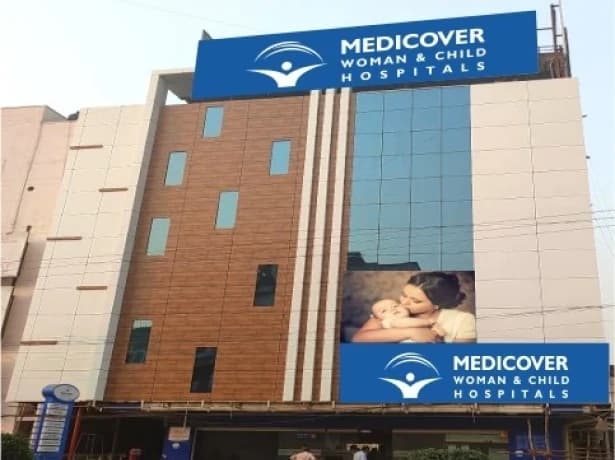
Medicover Women And Child Hospitals – Best in Jagadamba Junction, Visakhapatnam
- Beds
- 150
Fetal Medicine at Medicover Women And Child Hospitals
Fetal Medicine is a specialized area of pregnancy care focused on assessing fetal development, identifying potential concerns before birth and supporting pregnancies that require closer monitoring. At Medicover Women And Child Hospitals in Jagadamba Junction, Visakhapatnam, patients can explore fetal medicine consultations and prenatal evaluation relevant to routine and high-risk pregnancies. Depending on individual clinical needs, fetal assessment may involve detailed ultrasound examinations, screening for chromosomal or structural conditions, fetal growth monitoring, Doppler studies and other prenatal diagnostic evaluations. The purpose of fetal medicine is not simply to perform scans, but to understand maternal and fetal health together and guide appropriate next steps. This page helps patients searching for fetal medicine in Visakhapatnam understand the specialty, commonly evaluated conditions, diagnostic approaches, treatment considerations and what to expect from a specialist consultation.
Fetal Medicine at Medicover Women And Child Hospitals, Visakhapatnam
Fetal Medicine, also known as Maternal-Fetal Medicine in some clinical settings, is a specialized branch of obstetric care concerned with the health and development of the baby before birth as well as pregnancy-related factors that may affect fetal well-being.
A fetal medicine consultation may be recommended when a pregnancy needs more detailed assessment than routine antenatal care provides. This can happen because of an abnormal finding on an ultrasound, a concern identified during prenatal screening, a maternal medical condition, a previous pregnancy affected by a fetal or genetic condition, multiple pregnancy, abnormal fetal growth, or another factor that increases the need for specialist monitoring.
For patients looking for fetal medicine in Visakhapatnam, Medicover Women And Child Hospitals at Jagadamba Junction represents a dedicated setting to explore pregnancy-related fetal assessment and specialist consultation. The hospital's fetal medicine services are intended to support appropriate evaluation, counselling and care planning according to the clinical needs of each pregnancy.
The approach to fetal medicine is individualized. Not every pregnancy requires the same tests, and an ultrasound or screening result does not automatically mean that a baby has a medical problem. A qualified specialist interprets findings in the context of gestational age, maternal health, family history, previous pregnancy history and other relevant information.
Fetal Medicine Services and Areas of Care
Fetal medicine covers several aspects of prenatal assessment and pregnancy monitoring. Depending on the patient's clinical situation and the facilities available at the hospital, care may involve:
Detailed Fetal Ultrasound
Specialized ultrasound examinations can assess fetal anatomy, growth, development, placental position and other pregnancy-related features. The timing and scope of an ultrasound depend on gestational age and the reason for assessment.
First-Trimester Assessment
Early pregnancy evaluation may include assessment of fetal development and screening for selected chromosomal conditions. Some patients may be referred for a specialist review when an early scan or screening result requires further interpretation.
Anomaly or Detailed Anatomy Scan
A second-trimester anomaly scan examines major fetal structures and can help identify certain structural abnormalities. The scan is an important part of prenatal assessment, although no prenatal test can detect every possible condition.
Fetal Growth Monitoring
Serial ultrasound examinations may be recommended when there is concern about fetal growth, maternal health conditions or other pregnancy-related factors. Monitoring helps clinicians assess whether fetal growth is progressing appropriately.
Doppler Assessment
Doppler ultrasound can evaluate blood flow in specific maternal and fetal blood vessels. It may be useful in selected pregnancies where placental function, fetal growth or other clinical concerns require closer monitoring.
Prenatal Screening and Counselling
Prenatal screening can estimate the likelihood of certain chromosomal or genetic conditions. Depending on the clinical situation, screening results may lead to further counselling or diagnostic testing.
Conditions Evaluated Under Fetal Medicine
Fetal medicine specialists commonly evaluate pregnancies where there is a concern about fetal development, maternal health or pregnancy risk.
Fetal Structural Abnormalities
An ultrasound may identify a possible difference in the development of organs or body structures. Examples can include concerns involving the brain, heart, kidneys, spine, limbs or gastrointestinal system.
Finding a suspected abnormality does not always establish a final diagnosis. Additional imaging, repeat assessment or specialist review may be needed to understand the finding more accurately.
Fetal Growth Concerns
Some pregnancies require monitoring because the fetus appears smaller than expected for gestational age or because growth changes over time. Fetal medicine assessment can help determine whether additional monitoring or obstetric management is appropriate.
Chromosomal or Genetic Risk
Certain prenatal screening results, ultrasound findings, family histories or previous pregnancy outcomes can indicate an increased risk of a genetic or chromosomal condition. In such situations, specialist counselling can help parents understand available screening and diagnostic options.
Multiple Pregnancy
Twin and higher-order pregnancies can require closer fetal surveillance because the risks and monitoring requirements may differ from those of a singleton pregnancy.
Maternal Conditions Affecting Pregnancy
Conditions such as diabetes, hypertension and certain autoimmune or other medical disorders may influence pregnancy and fetal well-being. The appropriate monitoring plan depends on the mother's condition and the stage of pregnancy.
Fetal Medicine Treatments and Procedures
Fetal medicine is primarily focused on assessment, diagnosis, counselling and pregnancy management. Treatment depends on the underlying condition and may involve coordination between fetal medicine specialists, obstetricians, neonatologists, pediatric specialists and other clinicians.
Depending on the diagnosis and available facilities, management may include:
- Increased antenatal monitoring
- Serial fetal growth assessments
- Doppler surveillance
- Specialist obstetric planning
- Genetic counselling
- Additional prenatal imaging
- Referral to pediatric or neonatal specialists
- Planning the timing and location of delivery
- Preparation for specialized newborn care when required
- Selected fetal interventions in appropriate cases
In some pregnancies, prenatal diagnostic procedures such as amniocentesis or chorionic villus sampling (CVS) may be discussed when clinically appropriate. These procedures have specific indications, benefits and risks and should only be considered after discussion with a qualified specialist.
Fetal interventions are highly specialized procedures and are not appropriate for every pregnancy. Their availability depends on the diagnosis, gestational age, maternal and fetal condition, specialist expertise and hospital facilities.
Fetal Medicine Diagnostic and Evaluation Services
Diagnosis is a central part of fetal medicine. A specialist may review previous scans, screening reports, maternal health information and family history before recommending further evaluation.
Depending on the clinical indication, assessment may include:
- Obstetric ultrasound
- Detailed fetal anatomy or anomaly scan
- First-trimester screening
- Second-trimester screening
- Fetal growth scans
- Doppler ultrasound
- Assessment of fetal movements and well-being
- Placental assessment
- Maternal health evaluation
- Genetic counselling
- Selected prenatal diagnostic tests
Some patients may be referred to fetal medicine after an abnormal or unclear finding on a routine ultrasound. Others may attend proactively because of a previous pregnancy complication or an identified risk factor.
The important point is that diagnostic testing should be selected according to the pregnancy rather than performed simply because a test is available. Your specialist can explain what each test is intended to assess and what its results may or may not tell you.
When Should You See a Fetal Medicine Specialist?
A referral to fetal medicine may be considered when:
- A routine ultrasound shows a possible fetal abnormality
- A prenatal screening result indicates increased risk
- There is concern about fetal growth
- Doppler or other pregnancy monitoring is abnormal
- The pregnancy involves twins or multiple fetuses
- The mother has a medical condition that may affect pregnancy
- There is a previous history of a pregnancy affected by a fetal or genetic condition
- There is a known or suspected genetic condition in the family
- A previous pregnancy had a significant complication
- The obstetrician recommends specialist fetal assessment
- Parents need further counselling after an uncertain prenatal finding
Patients should not wait for symptoms to develop before discussing a recommended fetal medicine referral. Many fetal conditions do not cause noticeable symptoms in the mother, which is why appropriate antenatal screening and scheduled evaluations are important.
What to Expect During a Fetal Medicine Consultation
A fetal medicine consultation generally begins with a detailed review of the pregnancy and the reason for referral.
1. Medical and Pregnancy History
The specialist may ask about previous pregnancies, miscarriages, deliveries, maternal medical conditions, medications, family history and previous prenatal reports.
2. Review of Existing Reports
Bring your previous ultrasound scans, blood-test reports, screening results and other pregnancy records. Reviewing earlier information can help the specialist understand how the pregnancy has progressed.
3. Clinical Assessment
Depending on the situation, the consultation may include maternal assessment and an ultrasound examination or other appropriate evaluation.
4. Explanation of Findings
The specialist should explain the findings in understandable language, including whether a finding appears reassuring, requires monitoring or needs additional investigation.
5. Discussion of Options
If further testing or monitoring is recommended, the specialist can explain why it is being considered, what information it may provide and what limitations it has.
6. Follow-Up Planning
Some patients may need a repeat scan, additional testing or continued monitoring. Others may be referred back to their obstetrician for routine pregnancy care.
A fetal medicine consultation should be a two-way discussion. Patients and families should feel comfortable asking questions about findings, possible diagnoses, testing options and the recommended follow-up plan.
Why Choose Fetal Medicine Care at Medicover Women And Child Hospitals?
When comparing a fetal medicine hospital in Visakhapatnam, patients should look beyond the availability of an ultrasound and consider the overall clinical pathway.
Medicover Women And Child Hospitals is a women-and-child-focused hospital setting in Jagadamba Junction, Visakhapatnam. The broader care environment includes obstetric and pediatric services, which can be relevant when fetal findings require coordinated maternal, fetal or newborn care.
For patients considering fetal medicine care, useful factors include access to appropriately trained specialists, prenatal diagnostic services, communication of scan findings, coordinated obstetric care and a clear follow-up plan. The exact investigations and services appropriate for an individual patient should always be confirmed with the treating team.
The hospital's published fetal medicine information describes services including fetal ultrasound, anomaly assessment, Doppler evaluation, trimester-based screening and fetal growth monitoring.
Fetal Medicine Doctors and Specialists
Fetal medicine care involves specialists trained to assess fetal development and pregnancy-related risks. Depending on the patient's needs, care may also involve obstetricians, radiologists, neonatologists, genetic counsellors and pediatric specialists.
Medicover's published Vizag doctor information identifies Dr M Madhuri as a Fetal Medicine Consultant at its Vizag Woman and Child facility. The hospital's doctor profile lists qualifications of MBBS and MD (OB & G) and identifies her practice location as the Medicover W&C Hospital at Jagadamba Junction.
Doctor availability, consultation timings and appointment schedules can change, so patients should confirm current details before visiting.
Fetal Medicine Care in Visakhapatnam
For people searching for fetal medicine in Visakhapatnam, choosing a conveniently located specialist service can make repeated prenatal assessments easier, particularly when a pregnancy requires several follow-up scans or consultations.
Medicover Women And Child Hospitals is located at Jagadamba Junction, an established area of Visakhapatnam. The hospital's published address is 18-1-3, KGH Down Road, beside Lepakshi Handicrafts, Jagadamba Junction, Visakhapatnam, Andhra Pradesh 530002.
Patients travelling for fetal medicine should consider appointment timing, travel requirements, availability of required investigations and whether follow-up consultations can be coordinated with their obstetric care.
For patients coming from outside central Visakhapatnam, it can also be useful to confirm whether all recommended tests can be completed during the same visit or whether separate appointments are required.
How to Choose the Right Fetal Medicine Hospital or Specialist
When comparing fetal medicine doctors or hospitals in Visakhapatnam, consider the following:
Relevant specialist experience: Ask whether the clinician regularly evaluates the type of pregnancy concern you have been referred for.
Appropriate diagnostic services: Confirm whether the required ultrasound, screening or prenatal diagnostic service is available and whether additional tests require referral elsewhere.
Multidisciplinary support: Complex fetal findings may require input from obstetrics, neonatology, pediatrics, genetics or other specialties.
Clear communication: A specialist should explain findings, uncertainty, testing choices and follow-up recommendations in language you can understand.
Continuity of care: Ask how fetal medicine findings will be communicated to your obstetrician and how subsequent monitoring will be coordinated.
Hospital support: For pregnancies requiring specialized delivery planning or newborn care, understand what maternity and neonatal support is available.
Accessibility: Consider location, appointment availability and the practical requirements of repeat visits.
Most importantly, the appropriate fetal medicine service depends on the individual pregnancy. A recommendation that is appropriate for one patient may not be necessary or suitable for another.
Frequently Asked Questions About Fetal Medicine
1. What does a fetal medicine specialist treat?
A fetal medicine specialist evaluates pregnancies where there may be increased maternal or fetal risk. This can include fetal growth concerns, suspected structural abnormalities, abnormal screening results, multiple pregnancies and maternal conditions that may affect fetal health.
2. When should I see a fetal medicine specialist?
You may be referred when an ultrasound or prenatal screening test shows a concern, when there is a previous pregnancy affected by a fetal condition, or when maternal or pregnancy-related factors require specialized monitoring. Your obstetrician can advise whether a referral is appropriate.
3. What is a fetal anomaly scan?
A fetal anomaly scan is a detailed ultrasound examination, generally performed during the second trimester, to assess fetal anatomy and look for certain structural abnormalities. It cannot detect every possible fetal or genetic condition.
4. What is a fetal growth scan?
A fetal growth scan uses ultrasound to assess fetal size and growth-related measurements. Depending on the clinical situation, repeated scans may be recommended to monitor growth over time.
5. Why is Doppler ultrasound used during pregnancy?
Doppler ultrasound assesses blood flow in selected blood vessels. It may be recommended in pregnancies where clinicians need additional information about placental function, fetal circulation or fetal well-being.
6. Can fetal medicine diagnose genetic conditions?
Fetal medicine can identify certain ultrasound findings and assess risks identified through prenatal screening. Definitive diagnosis of some genetic or chromosomal conditions may require specific diagnostic tests. Screening and diagnosis are not the same, so patients should discuss results with a qualified specialist.
7. Is fetal medicine only for high-risk pregnancies?
Not necessarily. Many fetal medicine referrals involve high-risk pregnancies or specific concerns, but a specialist consultation may also be recommended to clarify an ultrasound finding, interpret screening results or assess a particular fetal or maternal risk.
8. What should I bring to a fetal medicine consultation?
Bring previous ultrasound reports, blood-test and screening results, prescriptions, relevant medical records and details of previous pregnancies. If you have been referred because of a particular scan finding, bring the original report and images if available.
9. How do I choose a fetal medicine hospital in Visakhapatnam?
Consider the specialist's relevant experience, required diagnostic services, coordination with obstetric and neonatal teams, follow-up arrangements, hospital support and accessibility. Confirm that the specific service you need is available before booking.
10. How can I book a fetal medicine consultation?
Patients can contact Medicover Women And Child Hospitals or use the hospital's appointment process to check current fetal medicine consultation availability. Appointment timings and doctor availability should be confirmed before visiting.
Fetal Medicine Treatments
Organophosphate Pesticide Poisoning
Advanced treatment available at Medicover Women And Child Hospitals.
Paracetamol (acetaminophen) Overdose
Advanced treatment available at Medicover Women And Child Hospitals.
Opioid Overdose
Advanced treatment available at Medicover Women And Child Hospitals.
Methanol Poisoning
Advanced treatment available at Medicover Women And Child Hospitals.
Aluminum Phosphide Poisoning
Advanced treatment available at Medicover Women And Child Hospitals.
Frequently Asked Questions About Fetal Medicine
What types of fetal medicine procedures are performed at Medicover Women And Child Hospitals?
We perform a wide range of fetal medicine procedures, from routine diagnostics to complex surgeries, using the latest medical technologies.
How can I book an appointment for Fetal Medicine at Medicover Women And Child Hospitals?
You can book an appointment through the Siris Healthcare platform by clicking the "Get Free Estimate" button or contacting our 24/7 helpline.
Other Medical Specialties at Medicover Women And Child Hospitals Jagadamba Junction
Get Expert Fetal Medicine Care at Medicover Women And Child Hospitals, Jagadamba Junction
Schedule a consultation with our top specialists and get a personalized treatment plan with a free cost estimate.
Top Specialities at Medicover Women And Child Hospitals Jagadamba Junction
- Gynecology Department
- obstetrics Department
- Pediatrics Department
- Fetal Medicine Department
- Paediatrics & Neonatology Department
- Pediatric Surgery Department
- Pediatric Cardiology Department
- Pediatric Critical Care Department
- Pediatric Critical Care Department
- Infertility Department
- Urogynecology Department
- Internal Medicine Department
- General Surgery Department
- orthopedic Department
- Cardiology Department
- Nephrology Department
- Gastroenterology Department
- Anesthesiology Department