
Vascular Interventions
Comprehensive vascular interventions care in India, featuring advanced diagnostic technologies and world-class medical expertise.
Vascular Interventions: Minimally Invasive Treatment for Blood Vessel Conditions
Vascular interventions are minimally invasive procedures used to diagnose and treat problems affecting blood vessels, particularly narrowed, blocked or abnormal arteries and veins. These treatments are often performed using a thin catheter inserted through a blood vessel and guided with medical imaging, allowing the specialist to reach the affected area without the larger incision required for conventional open surgery.
Vascular intervention may be considered for people with peripheral artery disease (PAD), arterial narrowing or blockage, reduced blood flow to the limbs and selected other vascular conditions. The appropriate treatment depends on the location and severity of the vascular problem, symptoms, imaging findings and the patient's overall health. SIRIS Healthcare
For patients looking for specialist evaluation, Siris Healthcare also provides information about vascular surgery and vascular specialists and related minimally invasive care through interventional radiology.
What Are Vascular Interventions?
A vascular intervention uses image guidance to access a blood vessel and treat a specific circulation problem. Depending on the diagnosis, a vascular specialist or interventional specialist may use a catheter, balloon, stent or other specialised device.
Unlike traditional open vascular surgery, many endovascular procedures are performed through a small access point in the blood vessel. This approach can provide a targeted way to treat selected blockages and circulation problems, although not every vascular condition is suitable for an endovascular procedure.
Treatment decisions should be based on a proper clinical assessment and vascular imaging rather than symptoms alone.
Common Vascular Interventions
Angioplasty
Vascular angioplasty is a catheter-based procedure used to widen a narrowed blood vessel. A small balloon is positioned at the area of narrowing and inflated to improve the passage of blood through the vessel.
Angioplasty may be considered for selected patients with arterial narrowing, including certain cases of peripheral artery disease. The decision depends on the location of the blockage, its severity and the patient's overall condition. SIRIS Healthcare
Vascular Stenting
In some cases, vascular stenting may be performed together with angioplasty. A small mesh tube called a stent can be placed inside the treated blood vessel to help maintain its opening.
Whether a stent is appropriate depends on the anatomy of the blood vessel and the underlying vascular condition. A specialist will assess the potential benefits, risks and alternatives before recommending treatment.
Peripheral Artery Interventions
Peripheral artery disease treatment may involve improving blood flow through arteries supplying the legs or other extremities. People with PAD may experience leg pain while walking, reduced exercise tolerance, changes in skin colour or temperature, or wounds that heal slowly.
Depending on the severity of the disease, treatment may include lifestyle and risk-factor management, medicines, exercise-based care, endovascular intervention or vascular surgery. SIRIS Healthcare
Patients can also explore [vascular foot care]vascular foot care when poor circulation is associated with foot wounds, diabetic foot problems or difficulty with wound healing.
Conditions That May Require Vascular Intervention
Vascular intervention may be considered for selected patients with conditions such as:
- Peripheral artery disease (PAD)
- Narrowed or blocked peripheral arteries
- Reduced blood circulation to the legs or arms
- Certain arterial blockages
- Vascular complications associated with diabetes
- Selected venous and blood-vessel conditions
- Circulation-related non-healing wounds
- Certain vascular abnormalities requiring catheter-based treatment
Vascular disease can sometimes develop gradually, so symptoms should not be ignored. Persistent leg pain during walking, unexplained changes in limb temperature or colour, swelling, non-healing wounds or other circulation-related symptoms may warrant medical evaluation. SIRIS Healthcare
Vascular Diagnosis and Imaging
Before recommending a procedure, specialists generally need to understand where the circulation problem is located and how severely the blood vessel is affected.
Depending on the patient's symptoms and clinical history, assessment may involve physical examination, vascular pressure measurements, Doppler ultrasound or other forms of vascular imaging.
ultrasound imaging can be particularly useful for evaluating blood flow and vascular structures. Doppler ultrasound can provide information about circulation and help identify possible narrowing or obstruction. SIRIS Healthcare
More detailed imaging may also be required in selected cases. Siris Healthcare's radiology services include imaging approaches used for diagnosis and treatment planning, while [interventional radiology uses image guidance for a range of minimally invasive procedures. SIRIS Healthcare
Vascular Interventions for Diabetic Foot and Non-Healing Wounds
Diabetes can affect nerves and blood vessels, increasing the risk of foot injuries, ulcers and delayed wound healing. When reduced arterial blood flow contributes to a non-healing wound, vascular assessment may become an important part of the treatment plan.
diabetic foot care may include assessment of circulation, wound care and management of factors that interfere with healing. In selected patients with significant arterial blockage, an endovascular procedure such as angioplasty or stenting may be considered to improve blood flow. SIRIS Healthcare
For patients with persistent wounds, foot and wound care provides another relevant pathway for professional wound assessment and management. SIRIS Healthcare
Managing the underlying diabetes is also important. Patients can explore diabetes management and diabetology care as part of comprehensive care for diabetes and related complications. SIRIS Healthcare
What Happens Before a Vascular Intervention?
The process normally begins with a consultation and assessment of the patient's symptoms, medical history, medications and previous investigations.
Depending on the suspected condition, the healthcare team may recommend:
- Physical examination of the affected limb
- Assessment of blood circulation
- Doppler ultrasound or other vascular imaging
- Blood tests when clinically required
- Review of existing medical conditions and medications
- Assessment of cardiovascular risk factors
- Discussion of the expected benefits and potential risks of the procedure
The preparation required depends on the type of intervention. Patients should follow the specific instructions provided by their treating medical team, particularly regarding medications, eating, drinking and investigations.
Recovery After Vascular Intervention
Recovery varies according to the procedure, the treated blood vessel and the patient's overall health. Some catheter-based procedures may involve a relatively short recovery period, while more complex interventions or procedures performed alongside other treatments may require additional observation.
After treatment, the medical team may monitor the access site, blood circulation, medications and symptoms. Follow-up appointments can help assess the response to treatment and address any ongoing vascular risk factors.
Long-term vascular health may also involve controlling blood pressure, blood sugar and cholesterol, maintaining an appropriate level of physical activity, avoiding tobacco and following the treatment plan recommended by the healthcare professional.
For patients who need support with rehabilitation after treatment, physical rehabilitation services may be relevant depending on the procedure and clinical recommendation.
Vascular Interventions vs Vascular Surgery
Vascular interventions and vascular surgery are closely related but are not the same approach.
Endovascular treatment generally involves accessing the blood vessel through a catheter and treating the problem from inside the vessel. Traditional vascular surgery may involve an open surgical approach, such as bypass or another reconstructive procedure.
The choice is not simply about choosing the "least invasive" option. A vascular specialist considers the patient's anatomy, disease severity, symptoms, previous treatments, overall health and expected long-term benefit before recommending an approach. Siris Healthcare's vascular surgery care information covers both minimally invasive and surgical approaches to vascular disease. SIRIS Healthcare
When Should You See a Vascular Specialist?
Consider seeking medical evaluation if you have persistent or unexplained:
- Leg pain while walking
- Leg or foot swelling
- Cold hands or feet
- Changes in skin colour
- Numbness or unusual sensations
- Non-healing wounds or ulcers
- Recurrent foot wounds
- Symptoms associated with known peripheral artery disease
- A history of vascular disease or circulation problems
Sudden severe limb pain, sudden loss of circulation or other acute symptoms can represent a medical emergency and require immediate medical attention rather than waiting for a routine consultation.
People with cardiovascular risk factors may also benefit from appropriate preventive assessment. Siris Healthcare provides information about cardiovascular health screening and cardiology care for broader cardiovascular evaluation. SIRIS Healthcare
Why Choose the Right Vascular Care Pathway?
Vascular problems can involve arteries, veins or the circulation supplying different parts of the body. The right treatment therefore begins with identifying the underlying problem rather than treating a symptom in isolation.
Through Siris Healthcare, patients can explore vascular specialists, vascular surgery, interventional radiology, diagnostic imaging, diabetic foot care and related medical services and discuss their individual condition with an appropriately qualified healthcare professional.
The most suitable treatment whether medication, lifestyle management, monitoring, angioplasty and stenting, another endovascular procedure or vascular surgery should always be determined after individual clinical assessment.
Enquire Now
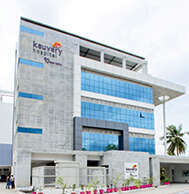
Top Vascular Interventions Hospitals
Top Vascular Interventions Specialists
Consult Our Vascular Interventions Specialists Today
Receive expert consultation, advanced diagnosis, and personalized treatment from our experienced vascular interventions specialists dedicated to delivering exceptional patient care.