
Urological Oncology
Comprehensive urological oncology care in India, featuring advanced diagnostic technologies and world-class medical expertise.
Urological Oncology: Advanced Prostate, Kidney and Bladder Cancer Treatment in India
Understanding Urological Oncology and Specialised Cancer Care
Urological Oncology, also known as Uro-Oncology, is a specialised branch of medicine dedicated to diagnosing and treating cancers that affect the urinary system and male reproductive organs. It focuses on cancers involving the kidneys, urinary bladder, prostate gland, testicles, ureters and other related structures.
A diagnosis of cancer can bring many questions about treatment, recovery and the next steps. Urological cancer care involves more than identifying a tumour. It requires a careful assessment of the cancer type, disease stage, tumour characteristics and the patient's overall health to determine an appropriate treatment strategy.
At Siris Healthcare, patients can explore information about urological cancer treatment in India, specialist consultations and available treatment pathways through our network of healthcare providers. Depending on the diagnosis, care may involve uro-oncologists, urologists, medical oncologists, radiation oncologists, radiologists and pathologists working together.
Whether someone is researching prostate cancer treatment, kidney cancer surgery, bladder cancer treatment or robotic urological surgery, understanding the available medical options is an important first step towards making informed healthcare decisions.
What Conditions Does Urological Oncology Treat?
Urological oncology primarily deals with malignant conditions affecting the urinary tract and male reproductive system. Each cancer has different characteristics, symptoms and treatment requirements.
Prostate Cancer
Prostate cancer develops when abnormal cells grow in the prostate gland, a small organ located below the bladder in men. It is one of the most commonly diagnosed cancers in men, particularly with increasing age.
Early prostate cancer may not produce noticeable symptoms. When symptoms occur, they can include:
- Frequent urination, particularly at night.
- Difficulty starting or maintaining urine flow.
- A weak or interrupted urine stream.
- Blood in urine or semen.
- Difficulty emptying the bladder.
- Persistent pain in the back, hips or pelvis in some advanced cases.
Prostate cancer treatment depends on the cancer's stage, grade, PSA level, biopsy findings and the patient's general health. Options may include active surveillance, radical prostatectomy, radiation therapy, hormone therapy and systemic cancer treatments.
Kidney Cancer
Kidney cancer, particularly renal cell carcinoma, develops when abnormal cells grow within kidney tissue. Some kidney tumours are discovered incidentally during imaging performed for unrelated medical concerns.
Possible symptoms include:
- Blood in the urine (hematuria).
- Persistent pain in the side or lower back.
- A lump or swelling in the abdominal area.
- Unexplained weight loss.
- Persistent fatigue.
- Fever without an obvious cause in some cases.
Kidney cancer treatment may involve partial nephrectomy, radical nephrectomy, ablation, immunotherapy or targeted therapy, depending on tumour size, location, stage and patient suitability.
Whenever possible, doctors may consider kidney-preserving approaches when clinically appropriate.
Bladder Cancer
Bladder cancer develops in the tissues lining the urinary bladder. Urothelial carcinoma is the most common type.
Blood in the urine, sometimes without pain, is an important symptom that requires medical evaluation. Other possible symptoms include frequent urination, burning during urination, urgency and pelvic discomfort.
Treatment depends on whether the cancer is non-muscle-invasive or has grown into the bladder muscle.
Depending on the diagnosis, bladder cancer treatment may involve transurethral resection of bladder tumour (TURBT), intravesical therapy, immunotherapy, chemotherapy, radiation therapy or bladder removal surgery (cystectomy).
Testicular Cancer
Testicular cancer develops in one or both testicles and is more commonly diagnosed in younger and middle-aged men.
Possible warning signs include:
- A painless lump in a testicle.
- Enlargement or swelling of a testicle.
- A feeling of heaviness in the scrotum.
- Dull discomfort in the lower abdomen or groin.
- Persistent testicular pain or discomfort.
Diagnosis may involve physical examination, ultrasound and blood tests for tumour markers. Treatment can include surgery, chemotherapy and, in selected cases, radiation therapy depending on the cancer type and stage.
Ureteral and Other Urological Cancers
Urological oncology also covers less common cancers affecting the ureters, renal pelvis, urethra and other parts of the urinary system.
These conditions may cause blood in the urine, urinary obstruction, pain or changes in normal urinary function. Diagnosis and treatment require specialist evaluation and an approach tailored to the location and extent of the disease.
Common Symptoms That May Require Uro-Oncology Evaluation
Not every urinary symptom indicates cancer. Conditions such as urinary infections, kidney stones and benign prostate enlargement can produce similar symptoms. However, persistent or unexplained changes should not be ignored.
Consider consulting a qualified specialist if you experience:
- Blood in the urine, even if it occurs only once.
- Persistent changes in urination.
- Difficulty passing urine.
- Unexplained pain in the back, side or pelvic region.
- A testicular lump or unusual swelling.
- Unexplained weight loss or persistent fatigue.
- An abnormal PSA test result.
- A suspicious kidney, bladder or prostate finding on an imaging scan.
Early medical assessment can help identify the cause and determine whether further investigation is necessary.
How Are Urological Cancers Diagnosed?
Accurate diagnosis is essential for selecting an appropriate cancer treatment plan. A uro-oncologist considers the patient's medical history, symptoms, physical examination and investigation results before reaching a diagnosis.
PSA Blood Test and Prostate Evaluation
A prostate-specific antigen (PSA) blood test measures the level of PSA in the bloodstream. Elevated PSA levels can occur in prostate cancer, but they may also be associated with benign prostate enlargement, inflammation or infection.
Doctors may recommend additional evaluation based on the patient's age, symptoms, family history and PSA results.
Ultrasound, CT and MRI Scans
Imaging investigations help doctors examine internal organs, identify suspicious abnormalities and assess the possible extent of disease.
Depending on the suspected cancer, investigations may include:
- Ultrasound of the kidneys, bladder or testicles.
- CT scan of the abdomen and pelvis.
- MRI of the prostate or other affected areas.
- PET-CT imaging in selected cancer cases.
- Other specialised imaging when clinically indicated.
Biopsy and Histopathology
A biopsy involves collecting a tissue sample for microscopic examination. Histopathological evaluation helps identify the cancer type and provides information about its characteristics.
For prostate cancer, biopsy findings may include a Gleason score and Grade Group, which help doctors assess tumour aggressiveness.
Cancer Staging and Molecular Testing
Cancer staging determines how far the disease has progressed and whether it has spread to nearby tissues, lymph nodes or distant organs.
Doctors may also recommend molecular or biomarker testing for selected cancers to identify treatment options that may be suitable for an individual patient.
Urological Cancer Treatment Options
There is no single treatment that works for every urological cancer. The appropriate approach depends on the affected organ, cancer stage, tumour characteristics, previous treatments and the patient's overall health.
Robotic and Minimally Invasive Urological Surgery
Robotic urological surgery is a minimally invasive surgical approach that uses specialised instruments controlled by a surgeon.
It may be considered for selected procedures, including radical prostatectomy and partial or radical nephrectomy.
Potential advantages in appropriately selected patients may include smaller surgical incisions, reduced blood loss and shorter hospital stays compared with certain open surgical approaches. Outcomes and recovery vary according to the procedure, surgeon and individual patient.
Robotic surgery is not suitable or necessary for every cancer case. The treating surgeon determines the most appropriate technique.
Radical Prostatectomy
Radical prostatectomy involves removing the prostate gland and, when indicated, nearby structures as part of prostate cancer treatment.
It may be recommended for selected patients with localised or certain locally advanced prostate cancers.
Open, laparoscopic and robotic-assisted techniques may be considered depending on the clinical situation and available expertise.
Patients should discuss possible side effects, including urinary incontinence and changes in sexual function, before undergoing surgery.
Partial and Radical Nephrectomy
A partial nephrectomy removes the kidney tumour while preserving the remaining healthy kidney tissue. It may be suitable for selected localised kidney cancers.
A radical nephrectomy involves removing the affected kidney and may be recommended when tumour characteristics make kidney-preserving surgery unsuitable.
The decision depends on tumour size, location, kidney function and the patient's overall health.
TURBT – Bladder Cancer Surgery
Transurethral resection of bladder tumour (TURBT) is an endoscopic procedure used to remove or sample abnormal tissue from the bladder lining.
It plays an important role in diagnosing and treating many non-muscle-invasive bladder cancers.
Depending on the pathology results and recurrence risk, additional treatment such as intravesical chemotherapy or BCG immunotherapy may be recommended.
Chemotherapy, Immunotherapy and Targeted Therapy
Systemic treatments may be recommended depending on the cancer type and stage.
- Chemotherapy: Uses medicines to destroy or slow the growth of cancer cells.
- Immunotherapy: Helps the immune system recognise and respond to cancer cells.
- Targeted therapy: Uses medicines designed to act on particular molecular targets involved in cancer growth.
- Hormone therapy: Reduces or blocks hormonal activity that supports the growth of certain prostate cancers.
These treatments may be used before or after surgery, alongside other therapies or as the primary treatment in selected cases.
Radiation Therapy
Radiation therapy uses carefully planned radiation doses to damage cancer cells. It may be recommended for selected prostate cancers, certain advanced cancers or patients who require an alternative to surgery.
The treatment schedule, technique and expected side effects depend on the cancer diagnosis and the patient's treatment plan.
What to Expect During Urological Cancer Treatment?
A structured treatment pathway helps patients understand what happens from the first consultation through recovery and follow-up.
Initial Specialist Consultation
The first consultation generally involves discussing symptoms, previous diagnoses, family history, existing medical conditions and available investigation reports.
Patients may be asked to bring previous scans, biopsy reports, PSA results, blood tests and details of current medication.
Individualised Treatment Planning
After reviewing the available information, the specialist discusses the diagnosis, cancer stage and appropriate treatment options.
For complex cases, a multidisciplinary team may review the findings to coordinate surgical, medical and radiation oncology care.
Preparation Before Treatment
Preparation depends on the planned treatment. Patients may need additional blood tests, imaging, anaesthesia assessment or other medical evaluations.
The healthcare team explains medication instructions, dietary restrictions, admission requirements and the expected procedure.
Recovery and Follow-Up
Recovery varies depending on the type of surgery or cancer treatment.
Follow-up appointments may involve physical examinations, blood tests, imaging or other investigations to assess treatment response and monitor for recurrence.
Patients should follow their treating team's instructions and report new or worsening symptoms promptly.
Why a Multidisciplinary Approach Matters in Urological Oncology
Urological cancers can require more than one type of medical expertise. A multidisciplinary approach allows specialists to consider different treatment options and coordinate care.
Depending on the patient's needs, the care team may include:
- Uro-oncologists: Evaluate and surgically manage cancers affecting the urinary and male reproductive systems.
- Medical oncologists: Manage chemotherapy, immunotherapy, targeted therapy and other systemic treatments.
- Radiation oncologists: Plan and deliver radiation-based cancer treatment.
- Radiologists: Interpret diagnostic imaging and assist with treatment planning.
- Pathologists: Examine tissue samples and provide essential diagnostic information.
- Specialist nurses and supportive care teams: Help patients manage treatment-related concerns and recovery.
The goal is to ensure that treatment decisions are based on the complete clinical picture rather than a single test or symptom.
How to Choose a Urological Oncology Specialist?
Choosing a qualified uro-oncologist in India is an important part of the treatment journey. Patients and families may wish to consider the following factors:
- Specialist qualifications and experience in urological cancer care.
- Experience with the specific cancer type and proposed procedure.
- Availability of relevant diagnostic and imaging facilities.
- Access to medical oncology and radiation oncology support.
- Experience with laparoscopic or robotic procedures, where appropriate.
- Clear communication about treatment choices, risks and expected recovery.
- Availability of follow-up care and patient support.
Patients should also feel comfortable asking questions about alternative treatments, potential complications, treatment costs and expected timelines.
Urological Oncology Care in India Through Siris Healthcare
India offers a range of medical facilities providing urology, oncology and specialised cancer treatment services. The availability of specific procedures, technologies and specialists varies between hospitals.
Through Siris Healthcare, patients can explore healthcare providers, compare specialist profiles and enquire about treatment options for different urological cancers.
Patients researching cancer care can also explore our information on Urology, Oncology and Surgical Oncology.
For patients considering medical cancer treatment, our Medical Oncology information provides further details about systemic cancer therapies.
The platform also provides information about Interventional Radiology, which may be relevant for selected image-guided diagnostic and therapeutic procedures.
Patients with kidney-related medical concerns can explore Nephrology, while those researching male reproductive health can learn more through our Andrology specialty information.
To explore available healthcare professionals, visit our Doctors Directory or Online Doctor Consultation service.
Patients researching prostate cancer can also read our detailed guide on Prostate Cancer Symptoms and Treatment.
Frequently Asked Questions About Urological Oncology
What is the difference between urology and urological oncology?
Urology deals with conditions affecting the urinary system and male reproductive organs, including kidney stones, urinary infections and prostate enlargement. Urological oncology is a specialised area focused on cancers affecting these organs.
Which cancers are treated by a uro-oncologist?
A uro-oncologist primarily evaluates and treats prostate cancer, kidney cancer, bladder cancer, testicular cancer, ureteral cancer and other cancers involving the urinary and male reproductive systems.
What are the early warning signs of urological cancer?
Possible warning signs include blood in the urine, persistent urinary changes, a testicular lump, unexplained pelvic or back pain and abnormal prostate-related test results. These symptoms can have non-cancerous causes as well, so medical assessment is important.
Is robotic surgery used for prostate and kidney cancer?
Robotic-assisted surgery may be considered for selected prostate and kidney cancer procedures. Its suitability depends on tumour characteristics, disease stage, patient health and the surgeon's assessment.
Can kidney cancer be treated without removing the entire kidney?
Yes. Partial nephrectomy may be an option for selected patients, allowing the surgeon to remove the tumour while preserving healthy kidney tissue. However, not every tumour is suitable for this procedure.
How is bladder cancer treated?
Bladder cancer treatment depends on whether the disease is confined to the bladder lining or has invaded the muscle. Options may include TURBT, intravesical therapy, immunotherapy, chemotherapy, radiation therapy and cystectomy.
Is prostate cancer always treated with surgery?
No. Selected patients with low-risk prostate cancer may be suitable for active surveillance. Others may benefit from surgery, radiation therapy, hormone therapy or combinations of treatments.
When should someone consult a uro-oncologist?
A specialist consultation may be appropriate following an abnormal scan, biopsy-confirmed urological cancer, unexplained blood in the urine, an abnormal prostate evaluation or a referral from another doctor.
How can I find a urological oncology specialist in India?
Patients can explore specialist profiles and healthcare providers through Siris Healthcare, review relevant qualifications and hospital affiliations, and submit an enquiry to understand available consultation and treatment options.
Explore Urological Oncology Care
A urological cancer diagnosis requires careful evaluation and a treatment plan suited to the individual. Understanding the available diagnostic procedures, surgical techniques and medical treatments can help patients participate more confidently in healthcare decisions.
Siris Healthcare helps patients explore urological oncology specialists, prostate cancer treatment, kidney cancer surgery, bladder cancer care and other urological cancer treatment options in India.
Explore relevant specialists and healthcare providers to discuss your diagnosis, understand available treatment pathways and plan the next step with a qualified medical professional.
Medical Disclaimer: This content is intended for general educational purposes and does not replace professional medical advice, diagnosis or treatment. Cancer symptoms, investigations and treatment decisions should always be assessed by a qualified healthcare professional. Treatment availability and suitability vary by hospital and patient.
Enquire Now
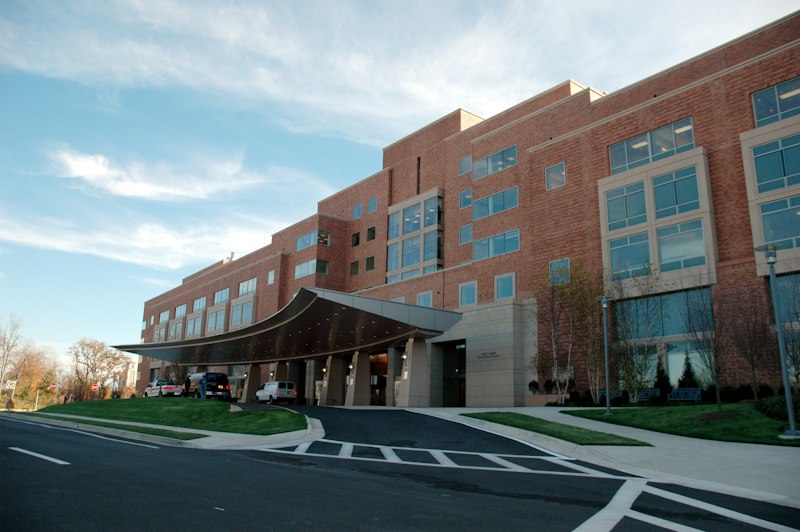
Top Urological Oncology Hospitals
Top Urological Oncology Specialists
Consult Our Urological Oncology Specialists Today
Receive expert consultation, advanced diagnosis, and personalized treatment from our experienced urological oncology specialists dedicated to delivering exceptional patient care.