
Glaucoma
Comprehensive glaucoma care in India, featuring advanced diagnostic technologies and world-class medical expertise.
Glaucoma Treatment and Comprehensive Eye Care
Glaucoma is a group of eye conditions that can damage the optic nerve and gradually affect vision. It is often associated with increased eye pressure, although glaucoma can also occur when eye pressure is within the usual range. One of the biggest challenges is that glaucoma may cause little or no noticeable symptoms in its early stages, allowing vision loss to progress without the person realizing it.
Early detection and regular eye examinations are important because treatment can help slow or prevent further damage to the optic nerve. Depending on the type and severity of glaucoma, treatment may include prescription eye drops, laser procedures or surgery. Treatment cannot restore vision already lost from glaucoma, so timely diagnosis and ongoing monitoring are essential.
What Is Glaucoma?
Glaucoma develops when the optic nerve becomes damaged, which can eventually lead to permanent vision loss. High eye pressure is an important risk factor, but it does not mean that everyone with high eye pressure will develop glaucoma, and some people develop glaucoma despite having normal eye pressure.
Because early glaucoma frequently has no obvious warning signs, comprehensive eye examinations can play an important role in detecting the condition before significant vision loss occurs.
Common Types of Glaucoma
Glaucoma can occur in different forms, and the appropriate treatment depends on the specific type and condition of the eye.
Open-angle glaucoma is a common form in which fluid does not drain from the eye efficiently. Vision changes may develop gradually, often beginning with loss of peripheral or side vision.
Angle-closure glaucoma occurs when the drainage angle becomes blocked, causing eye pressure to rise rapidly in acute cases. Sudden severe eye pain, a red eye, blurred vision, nausea or vomiting can indicate an acute attack and require immediate medical attention.
Other forms include normal-tension glaucoma, congenital glaucoma and secondary glaucoma, which may be associated with other eye conditions, injuries or systemic health problems.
Glaucoma Symptoms
Early glaucoma symptoms may be difficult to notice. As the disease progresses, a person may experience:
- Gradual loss of peripheral or side vision
- Blind spots in the visual field
- Increasing difficulty seeing in certain areas
- Progressive vision loss in advanced disease
Acute angle-closure glaucoma can present differently and may cause sudden intense eye pain, eye redness, blurred vision, nausea, vomiting or halos around lights. These symptoms require urgent medical evaluation.
Glaucoma Diagnosis
A glaucoma diagnosis involves assessing the health of the optic nerve and evaluating how the eye is functioning. An ophthalmologist may perform a comprehensive eye examination along with tests such as:
- Eye pressure measurement
- Dilated eye examination
- Visual field testing
- Optic nerve assessment
- Additional tests based on the patient's condition and risk factors
Regular monitoring is particularly important for people with a family history of glaucoma or other factors that increase their risk.
Glaucoma Treatment Options
The goal of glaucoma treatment is generally to reduce the risk of further optic nerve damage and preserve remaining vision. Treatment is selected according to the type of glaucoma, eye pressure, optic nerve condition, visual field changes and individual patient factors.
Prescription eye drops are commonly used to lower eye pressure. Depending on the medicine, they may reduce fluid production inside the eye or improve fluid drainage. Using prescribed medication consistently and attending follow-up appointments are important parts of glaucoma management.
Laser treatment for glaucoma may be recommended for certain types of glaucoma. Procedures such as trabeculoplasty can improve fluid drainage and help lower eye pressure in appropriate patients. Other laser procedures may be used for angle-closure glaucoma.
Glaucoma Surgery
When medicines or laser treatment do not provide sufficient pressure control, an ophthalmologist may consider glaucoma surgery. Depending on the patient's condition, surgical options can include trabeculectomy, glaucoma drainage implant surgery or minimally invasive glaucoma surgery (MIGS).
The choice of procedure depends on factors such as the type and severity of glaucoma, previous treatments, eye pressure and the overall health of the eye. After surgery, regular follow-up and prescribed eye drops may be necessary while the eye heals.
Living With Glaucoma
Glaucoma is usually a long-term condition that requires ongoing care rather than a one-time treatment. Patients should follow their prescribed treatment plan, use glaucoma medicines as directed and attend scheduled eye examinations. Regular monitoring helps the ophthalmologist assess eye pressure, optic nerve health and changes in vision over time.
If you notice sudden severe eye pain, redness, blurred vision, nausea or halos around lights, seek urgent medical attention because these symptoms can occur with acute angle-closure glaucoma.
When Should You See a Glaucoma Specialist?
Consider an eye examination if you have persistent or unexplained vision changes, a family history of glaucoma, elevated eye pressure or other risk factors identified by an eye-care professional. Since glaucoma can progress without noticeable early symptoms, routine eye examinations can help detect changes before they result in substantial vision loss.
Early diagnosis, appropriate glaucoma treatment and regular follow-up can help protect the vision you still have.
Medical information is provided for general education and should not replace an examination or treatment plan from a qualified ophthalmologist
Glaucoma Treatments

Prostaglandin Analogue Eye Drops
Beta-Blocker Eye Drops
Selective Laser Trabeculoplasty (SLT)
Nd:YAG Laser Peripheral Iridotomy (LPI/PI)
Trabeculectomy
Enquire Now
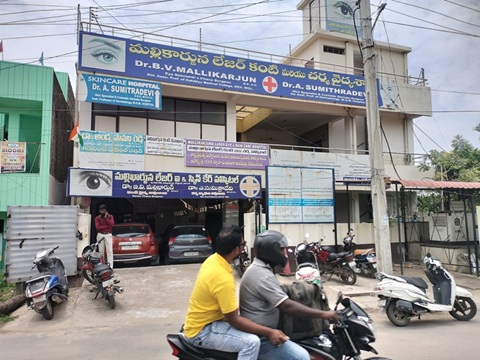
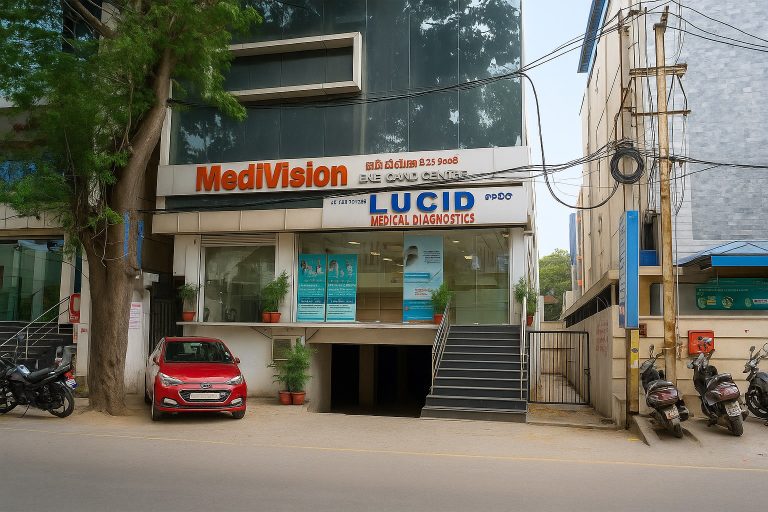
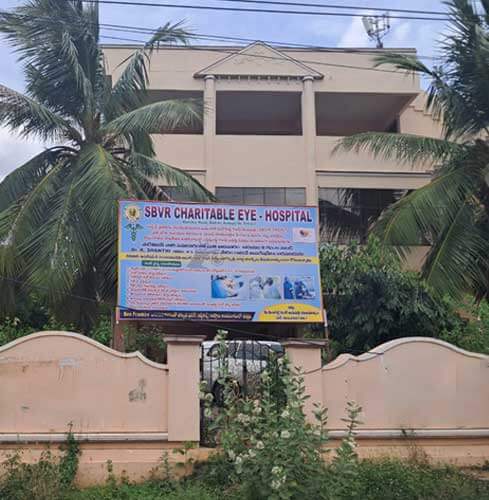
Top Glaucoma Hospitals

Top Glaucoma Specialists
Consult Our Glaucoma Specialists Today
Receive expert consultation, advanced diagnosis, and personalized treatment from our experienced glaucoma specialists dedicated to delivering exceptional patient care.