
Understanding Chronic Kidney Disease: Stages and Treatment Options
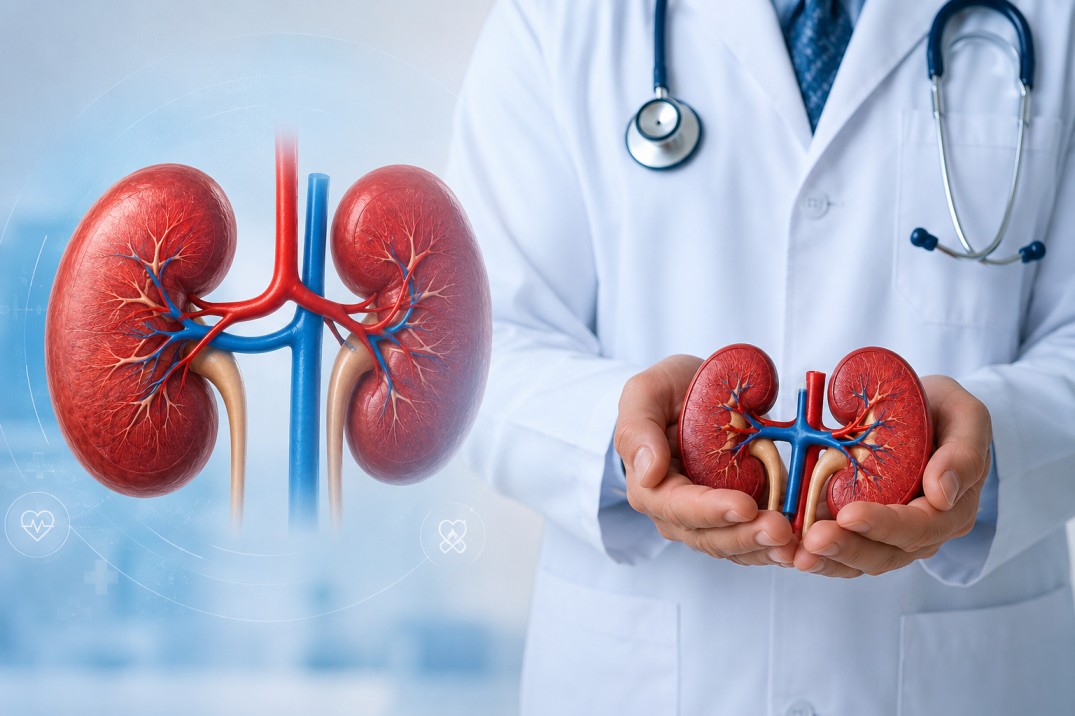
Understanding Chronic Kidney Disease: Stages and Treatment Options
Your kidneys work quietly every day to filter waste and excess fluid from your blood, balance minerals, help regulate blood pressure, and support other important functions in the body. When kidney function becomes impaired over time, it can lead to chronic kidney disease (CKD).
One of the challenges with chronic kidney disease is that it may develop gradually without obvious symptoms. Many people discover they have kidney disease during routine blood or urine tests, sometimes before they feel unwell. Early diagnosis and appropriate treatment can help manage the condition and reduce the risk of further kidney damage.
If you or someone in your family has been diagnosed with CKD, understanding the stages of chronic kidney disease, what the test results mean, and which treatment options may be considered can make the condition easier to manage.
What Is Chronic Kidney Disease?
Chronic kidney disease (CKD) is a long-term condition in which the kidneys are damaged or their function is reduced for at least three months.
Healthy kidneys remove waste and excess fluid from the blood. They also contribute to maintaining healthy blood pressure, supporting red blood cell production, and keeping minerals and bones in balance. When kidney function declines, waste and fluid can gradually build up in the body.
CKD can have several causes. Diabetes and high blood pressure are among the most common causes in adults, although other conditions can also affect kidney health.
Common risk factors for kidney disease
Your risk of developing CKD may be higher if you have:
- Diabetes
- High blood pressure (hypertension)
- Heart disease or heart failure
- A family history of kidney disease or kidney failure
- Certain kidney or urinary tract conditions
- A history of kidney injury or other conditions affecting the kidneys
Having a risk factor does not necessarily mean you will develop CKD, but it may make regular kidney health checks more important.
What Are the Stages of Chronic Kidney Disease?
Doctors commonly assess CKD using two important measurements:
- eGFR (estimated glomerular filtration rate): an estimate of how well the kidneys filter blood.
- uACR (urine albumin-to-creatinine ratio): a urine test that helps detect albumin, a protein that can leak into the urine when the kidneys are damaged.
CKD classification considers both kidney filtration and albuminuria, rather than relying on eGFR alone.
Chronic kidney disease stages by eGFR
| CKD Stage | eGFR | What it generally means |
|---|---|---|
| Stage 1 (G1) | 90 or higher | Normal or high filtration with evidence of kidney damage |
| Stage 2 (G2) | 60–89 | Mildly decreased filtration with evidence of kidney damage |
| Stage 3a (G3a) | 45–59 | Mild to moderate reduction in kidney function |
| Stage 3b (G3b) | 30–44 | Moderate to severe reduction in kidney function |
| Stage 4 (G4) | 15–29 | Severe reduction in kidney function |
| Stage 5 (G5) | Below 15 | Kidney failure |
These categories are based on eGFR and are interpreted alongside evidence of kidney damage, including urine albumin levels. In particular, an eGFR of 90 or above does not by itself mean a person has CKD; there needs to be evidence of kidney damage for CKD to be diagnosed at G1.
Stage 1 kidney disease
At stage 1 CKD, eGFR is 90 or higher, but there is evidence of kidney damage that has persisted over time. This may include albumin in the urine or other abnormalities.
People at this stage usually have few or no symptoms. Identifying the underlying cause and managing risk factors can be important for protecting kidney health.
Stage 2 kidney disease
Stage 2 CKD generally means an eGFR between 60 and 89 along with evidence of kidney damage.
As with stage 1, symptoms may be absent. Regular monitoring, controlling conditions such as high blood pressure or diabetes, and following the treatment plan recommended by your healthcare professional are important.
Stage 3 kidney disease
Stage 3 is divided into:
- Stage 3a: eGFR 45–59
- Stage 3b: eGFR 30–44
At this point, kidney function has declined more noticeably. Some people may still have few symptoms, while others may develop tiredness, swelling, changes in urination, or other problems.
Doctors may monitor kidney function, blood pressure, urine albumin, medications, nutrition, and possible complications more closely.
Stage 4 kidney disease
At stage 4 CKD, eGFR is 15–29, indicating severe reduction in kidney function.
Treatment focuses on managing the underlying cause, protecting remaining kidney function where possible, addressing complications, and preparing for future treatment needs if kidney function continues to decline.
A nephrologist, a doctor who specializes in kidney diseases, may play an important role in care at this stage.
Stage 5 kidney disease
Stage 5 CKD, also called kidney failure, generally means eGFR is below 15 or the person is receiving dialysis.
At this stage, healthcare professionals discuss kidney replacement options such as dialysis or kidney transplantation when appropriate. The choice depends on the individual's overall health, medical circumstances, preferences, and suitability for each treatment.
What Are the Symptoms of Chronic Kidney Disease?
One reason chronic kidney disease can go unnoticed is that early CKD often causes no noticeable symptoms.
As kidney disease becomes more advanced, possible symptoms may include:
- Swelling in the feet, ankles, legs, hands, or face
- Feeling unusually tired
- Changes in how often you urinate
- Foamy urine
- Loss of appetite
- Nausea or vomiting
- Itching or dry skin
- Muscle cramps
- Difficulty concentrating
- Sleep problems
- Shortness of breath
- Chest discomfort
These symptoms can have many possible causes and do not necessarily mean that someone has kidney disease. However, persistent or unexplained symptoms should be evaluated by a healthcare professional.
When should you seek medical attention?
Do not ignore significant changes such as severe shortness of breath, chest pain, marked swelling, confusion, or a major change in urine output.
If symptoms are sudden, severe, or rapidly worsening, seek urgent medical attention rather than waiting for a routine appointment.
How Is Chronic Kidney Disease Diagnosed?
A healthcare professional may use blood tests, urine tests, medical history, physical examination, and sometimes imaging or other investigations to determine whether CKD is present and identify its possible cause.
Two important tests are:
eGFR blood test
The eGFR test uses a blood creatinine measurement along with other factors to estimate how well your kidneys are filtering blood.
A persistently reduced eGFR can indicate reduced kidney function.
Urine albumin test
A urine albumin-to-creatinine ratio (uACR) checks whether albumin is leaking into the urine.
Albuminuria can be an important sign of kidney damage and also provides information about the risk associated with CKD.
Importantly, one abnormal test does not automatically tell the complete story. CKD generally requires evidence that kidney abnormalities are persistent for at least three months, unless there is other clear evidence of chronicity.
What Are the Treatment Options for Chronic Kidney Disease?
There is no single CKD treatment that is appropriate for everyone. Treatment depends on the cause of kidney disease, CKD stage, urine albumin levels, other medical conditions, medications, and overall health.
The main goals are to:
- Treat or control the underlying cause
- Slow further loss of kidney function where possible
- Reduce the risk of complications
- Manage symptoms
- Protect cardiovascular health
- Prepare for kidney replacement therapy when necessary
1. Control high blood pressure
Blood pressure control is an important part of kidney disease treatment.
High blood pressure can contribute to kidney damage, while CKD itself can also contribute to high blood pressure. Your healthcare professional may recommend lifestyle changes and medications based on your individual condition.
2. Manage diabetes
For people with diabetes, keeping blood glucose within the target range recommended by their healthcare team can help protect the kidneys.
Diabetes management may include diet, physical activity, medications, blood glucose monitoring, and regular medical follow-up.
3. Medicines that may protect kidney function
Depending on the individual situation, doctors may prescribe medicines that can help lower blood pressure, reduce albumin in the urine, or slow CKD progression.
These can include medicines such as:
- ACE inhibitors or ARBs
- SGLT2 inhibitors
- Other medications selected according to the person's kidney function, diabetes status, cardiovascular risk, and other factors
Not every medicine is suitable for every patient. Medication choices and doses should be determined by a qualified healthcare professional. Current KDIGO guidance continues to evolve as evidence develops, particularly around newer CKD therapies.
4. Follow a kidney-friendly eating plan
Nutrition can become an important part of CKD management.
Depending on your stage and laboratory results, a healthcare professional or renal dietitian may advise you about:
- Sodium intake
- Protein intake
- Potassium
- Phosphorus
- Fluid intake
- Overall calorie and nutritional needs
There is no single kidney diet that works for everyone. Dietary restrictions should not be started or intensified without professional guidance because nutritional needs vary considerably between patients.
5. Maintain a healthy lifestyle
Lifestyle measures may support overall health and kidney care. These can include:
- Staying physically active as appropriate
- Maintaining a healthy weight
- Avoiding smoking
- Getting adequate sleep
- Taking prescribed medicines correctly
- Attending recommended follow-up appointments
- Keeping diabetes and blood pressure under control
NIDDK specifically recommends blood pressure management, diabetes control where applicable, medication adherence, nutrition support, physical activity, healthy weight management, adequate sleep, and smoking cessation as parts of CKD management.
6. Review medicines and avoid kidney-harming drugs
Some medicines may require dose adjustments when kidney function is reduced. Certain over-the-counter medicines, including some nonsteroidal anti-inflammatory drugs (NSAIDs), may also pose risks for people with kidney disease.
Do not stop prescribed medicines on your own. Instead, tell your doctor or pharmacist about all prescription medicines, over-the-counter medicines, and supplements you take.
7. Dialysis
When the kidneys can no longer adequately perform their functions, dialysis may be required.
Dialysis helps remove waste products and excess fluid from the blood. The two major forms are:
- Hemodialysis
- Peritoneal dialysis
The timing and type of dialysis are individualized and depend on kidney function, symptoms, complications, overall health, and discussions with the kidney care team.
8. Kidney transplant
For selected people with kidney failure, a kidney transplant may be an option.
A transplant involves replacing the failed kidney function with a healthy kidney from a suitable donor. Not everyone is medically suitable for transplantation, and evaluation is required before it can be considered.
Can Chronic Kidney Disease Be Prevented or Slowed?
Not every case of CKD can be prevented, particularly when genetic or structural kidney conditions are involved.
However, identifying CKD early and managing its causes and risk factors can help protect kidney health.
If you have diabetes, high blood pressure, heart disease, or a family history of kidney disease, ask your healthcare professional whether regular kidney testing is appropriate.
If you already have CKD, following your individualized treatment plan and attending regular follow-up appointments can help your healthcare team monitor changes in kidney function.
When Should You See a Kidney Specialist?
You may be referred to a nephrologist (kidney specialist) when kidney function is significantly reduced, kidney disease is progressing, urine albumin is persistently elevated, the cause is unclear, or complications require specialist management.
The appropriate timing of referral depends on individual risk and clinical circumstances.
A nephrologist can help interpret kidney function tests, investigate possible causes, adjust treatment, manage complications, and discuss future treatment options when necessary.
Frequently Asked Questions About Chronic Kidney Disease
1. What is chronic kidney disease?
Chronic kidney disease (CKD) is a long-term condition in which the kidneys are damaged or their function is reduced for at least three months. CKD is assessed using measures such as eGFR and urine albumin levels.
2. What are the five stages of kidney disease?
CKD is generally classified into G1 through G5 based on eGFR, with G1 representing normal or high filtration with evidence of kidney damage and G5 representing kidney failure. Stages G3a and G3b further divide stage 3.
3. Can chronic kidney disease be cured?
There is no single cure for all forms of CKD. Some causes can be treated, and appropriate management may help slow further kidney damage. Advanced, long-standing CKD generally cannot simply be reversed, so early evaluation and management are important.
4. What is a normal eGFR?
An eGFR of 90 or higher is generally considered normal or high, but eGFR must be interpreted in context. An eGFR of 90 or above alone does not establish CKD; evidence of kidney damage is also needed for G1 CKD.
5. What are the early signs of kidney disease?
Early kidney disease often has no symptoms. Kidney disease may therefore be detected through blood and urine testing before noticeable symptoms develop.
6. Can diet help manage chronic kidney disease?
Yes. Nutrition can be an important part of CKD management. However, the appropriate diet depends on kidney function, laboratory results, medications, other health conditions, and nutritional needs. A renal dietitian or healthcare professional can provide individualized advice.
7. When is dialysis needed for kidney disease?
Dialysis may be required when kidney function becomes severely impaired and the kidneys can no longer adequately maintain the body's needs. The decision is based on more than an eGFR number alone and should be made with a kidney care team.
8. Which doctor treats chronic kidney disease?
A nephrologist specializes in kidney diseases and may manage patients with significant or complex CKD. Primary-care doctors and other specialists may also be involved depending on the cause and associated conditions.
Final Takeaway
A diagnosis of chronic kidney disease does not mean that kidney failure is inevitable. CKD has different stages and causes, and the appropriate approach depends on the individual's kidney function, urine findings, underlying condition, and overall health.
Because early CKD often causes no obvious symptoms, appropriate testing can be particularly important for people with risk factors such as diabetes or high blood pressure.
If you have abnormal kidney test results, persistent urinary changes, swelling, unexplained fatigue, or other concerns about your kidney health, speak with a qualified healthcare professional. Early evaluation and individualized treatment can help you understand your kidney health and make informed decisions about the next steps.
Medical Disclaimer
This article is intended for general educational and informational purposes only. It does not replace professional medical advice, diagnosis, or treatment. Chronic kidney disease can vary significantly from person to person. Do not start, stop, or change any medication, diet, or treatment based solely on this article. If you have symptoms or concerns about your kidney health, consult a qualified healthcare professional or nephrologist for an individualized evaluation. In an emergency or if you experience severe symptoms, seek immediate medical attention.