
10 Early Signs of Heart Disease Men Over 40 Should Know
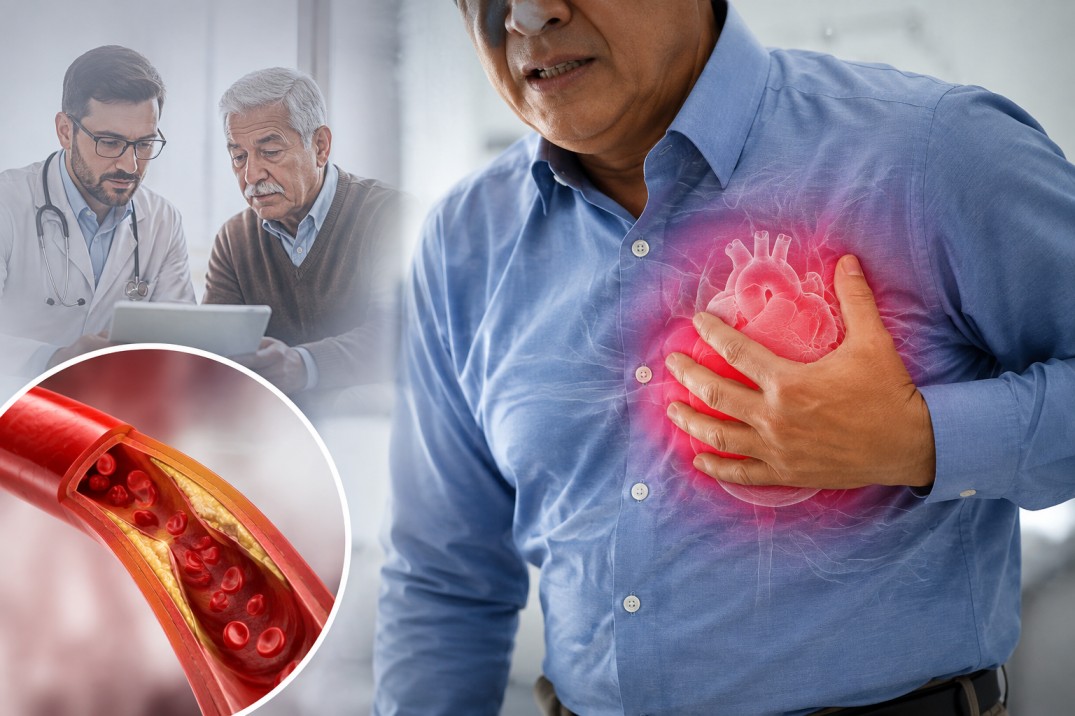
10 Early Signs of Heart Disease Men Over 40 Should Know
Heart disease does not always begin with a dramatic event. In some men, the first clues can be subtle getting unusually tired while climbing stairs, becoming short of breath during activities that once felt easy, experiencing occasional chest discomfort, or noticing an unexplained change in exercise tolerance.
For men over 40, these changes are worth paying attention to. Heart disease symptoms in men can vary depending on the underlying condition, and some heart problems may cause few or no noticeable symptoms until they become more serious.
Age is only one part of the picture. High blood pressure, high cholesterol, diabetes, smoking, excess weight, physical inactivity, an unhealthy diet and family history can all influence cardiovascular risk.
Knowing the early signs of heart disease does not mean assuming every symptom is a heart problem. Many of these symptoms can have other causes. The important point is knowing when a new, persistent or unexplained symptom deserves medical attention.
Here are 10 warning signs men over 40 should know.
1. Chest Pain, Pressure or Discomfort
Chest discomfort is one of the most important heart disease symptoms in men to recognize.
Heart-related chest discomfort may feel like:
- Pressure or tightness
- Squeezing or fullness
- Aching or burning
- A sensation of heaviness in the chest
It may occur during physical activity and improve with rest, although symptoms can vary. Discomfort may also spread to the arm, shoulder, back, neck, jaw or upper abdomen.
Not all chest pain comes from the heart. Acid reflux, muscle strain and other conditions can also cause chest discomfort. However, new or unexplained chest pressure should not simply be dismissed as indigestion.
When chest pain is an emergency
If chest discomfort lasts for several minutes, comes and goes, or occurs together with shortness of breath, sweating, nausea, dizziness or pain in the arm, jaw, neck or back, seek emergency medical help immediately. These can be warning signs of a heart attack.
2. Shortness of Breath During Everyday Activities
Getting out of breath after intense exercise can be normal. Becoming unusually breathless during routine activities is different.
For example, you may notice that you are suddenly struggling to:
- Walk up your usual flight of stairs
- Walk a familiar distance
- Carry groceries
- Perform normal household activities
- Exercise at your usual level
Shortness of breath and heart disease can be associated with several cardiovascular conditions, including coronary artery disease and heart failure.
Breathlessness can also result from lung conditions, anemia, being out of shape and other health problems. A healthcare professional can help determine the cause rather than relying on symptoms alone.
3. Unusual or Persistent Fatigue
Everyone feels tired occasionally. The concern is unexplained fatigue that is new, persistent or noticeably different from your normal energy level.
Some men may find that activities they previously handled easily now leave them unusually exhausted.
Fatigue can have many causes, including poor sleep, stress, anemia, thyroid problems, infections and other medical conditions. However, unusual fatigue can also accompany cardiovascular disease and heart failure.
If persistent tiredness occurs alongside breathlessness, chest discomfort, dizziness or reduced exercise tolerance, it is sensible to discuss it with a healthcare professional.
4. Reduced Exercise Tolerance
One of the more easily overlooked signs of heart problems in men is a gradual decline in physical capacity.
You may notice that:
- You cannot walk as far as you used to.
- You need more breaks while exercising.
- Stairs leave you much more breathless than before.
- Your usual workout feels unusually difficult.
- You become tired after relatively modest physical activity.
This does not automatically mean you have heart disease. Fitness, weight, sleep, medications and other health conditions can all affect exercise tolerance.
However, a new and unexplained reduction in exercise capacity, particularly when accompanied by chest discomfort or breathlessness, deserves evaluation.
5. Pain or Discomfort That Spreads Beyond the Chest
Heart-related discomfort does not always stay in the chest.
During a heart attack or acute coronary syndrome, discomfort can occur in or spread to:
- One or both arms
- Shoulders
- Back
- Neck
- Jaw
- Upper abdomen or stomach
Some people may primarily notice discomfort outside the chest.
This is one reason not to assume that unexplained arm, jaw or upper-body discomfort is simply a muscle problem particularly when it occurs together with breathlessness, sweating, nausea or chest pressure.
6. A Racing, Fluttering or Irregular Heartbeat
Occasional awareness of your heartbeat can happen for many reasons, including stress, caffeine, exercise and lack of sleep.
But repeated or unexplained heart palpitations such as a racing, pounding, fluttering or irregular heartbeat can sometimes be associated with an abnormal heart rhythm, known as an arrhythmia.
Some arrhythmias cause no serious problems, while others require medical assessment.
Seek prompt medical attention if palpitations are accompanied by:
- Chest pain or pressure
- Shortness of breath
- Severe dizziness
- Fainting or near-fainting
- Significant weakness
7. Dizziness, Lightheadedness or Fainting
Feeling lightheaded after standing up quickly is relatively common. But unexplained or recurring dizziness can have many possible causes, including cardiovascular problems.
Certain abnormal heart rhythms can cause dizziness or fainting because the heart may not pump blood effectively enough for the body's needs.
Fainting or near-fainting, particularly during physical activity or when accompanied by chest pain or palpitations, should not be ignored.
A medical evaluation can help determine whether the cause is related to the heart, blood pressure, medications, dehydration or another condition.
8. Swelling in the Feet, Ankles or Legs
Swelling in the lower legs or ankles can happen after standing for long periods, during travel or for a number of non-cardiac reasons.
However, persistent swelling can sometimes be associated with heart failure, particularly when it occurs alongside breathlessness, fatigue or difficulty breathing when lying down.
Heart failure does not mean that the heart has stopped working. It means the heart is not pumping blood as effectively as the body needs.
Unexplained or persistent swelling should be assessed rather than self-diagnosed.
9. Unexplained Sweating, Nausea or a Feeling That Something Is Wrong
A heart attack does not always look like the dramatic chest-clutching event shown in movies.
Some people experience cold sweating, nausea, lightheadedness or unusual weakness, sometimes together with chest discomfort or shortness of breath.
These symptoms can also occur with many other conditions, including gastrointestinal illness, anxiety and dehydration. The combination and suddenness of symptoms matter.
If these symptoms occur suddenly, particularly with chest pressure or breathing difficulty, treat the situation as potentially urgent.
10. Erectile Dysfunction Can Sometimes Be a Cardiovascular Warning Sign
This is a symptom many men may be uncomfortable discussing, but it deserves attention.
Erectile dysfunction (ED) can sometimes be associated with problems affecting blood vessels. The blood vessels involved in erections are relatively small, so changes in blood-vessel health may become noticeable before some cardiovascular symptoms appear.
Erectile dysfunction does not mean that a man definitely has heart disease. It can have many causes, including medications, diabetes, hormonal problems, psychological factors and other medical conditions.
However, unexplained or persistent ED especially when combined with cardiovascular risk factors is a reasonable reason to discuss overall cardiovascular health with a healthcare professional.
Why Men Over 40 Should Pay Attention to Heart Health
Heart disease can develop gradually. One important concern is that some cardiovascular conditions can remain silent, meaning a person may have no obvious symptoms until a heart attack, abnormal rhythm or heart failure develops.
This makes risk-factor management particularly important.
Common heart disease risk factors for men include:
- High blood pressure
- High cholesterol
- Diabetes
- Smoking or tobacco use
- Overweight or obesity
- Physical inactivity
- Unhealthy eating patterns
- Excessive alcohol use
- Family history of heart disease
Being physically active, eating a balanced diet, avoiding tobacco, maintaining a healthy weight and managing conditions such as high blood pressure, cholesterol and diabetes can all contribute to better cardiovascular health.
What Health Checks Should Men Over 40 Consider?
There is no single test that can tell you whether you have every type of heart disease.
Depending on your age, symptoms, family history and risk factors, a healthcare professional may assess things such as:
Blood Pressure
High blood pressure often causes no obvious symptoms. Regular measurement can help identify a problem that might otherwise go unnoticed.
Cholesterol
A blood test can measure cholesterol and other lipid levels. High cholesterol can contribute to plaque buildup in the arteries.
Blood Sugar
Diabetes and elevated blood sugar are important cardiovascular risk factors. Your healthcare professional can advise whether blood glucose or other testing is appropriate.
Weight and Lifestyle Factors
Your healthcare professional may also discuss your weight, physical activity, diet, smoking or tobacco use, alcohol consumption and sleep.
Family History
Tell your doctor if close family members developed heart disease at a relatively young age. Family history can influence cardiovascular risk.
The appropriate screening plan depends on the individual. Avoid ordering extensive heart tests simply because you are over 40 without discussing your actual risk and symptoms with a healthcare professional.
When Should You Seek Emergency Medical Help?
Some symptoms should never be ignored.
Seek emergency medical help immediately if you experience symptoms that may indicate a heart attack, especially:
- Persistent or recurring chest pressure, squeezing or discomfort
- Chest discomfort accompanied by shortness of breath
- Pain or discomfort spreading to the arm, back, neck or jaw
- Sudden sweating with chest discomfort
- Chest symptoms accompanied by nausea or severe lightheadedness
- Sudden severe breathing difficulty
- Fainting or collapse
The American Heart Association recommends calling emergency medical services when heart attack symptoms occur rather than waiting to see whether they disappear.
In India, call 112 or your local emergency medical service for a medical emergency.
Do not drive yourself if you may be having a heart attack.
What If You Have Symptoms but They Are Mild?
Not every heart-related symptom is dramatic.
If you have new, unexplained or recurring symptoms such as reduced exercise tolerance, unusual fatigue, breathlessness, palpitations or swelling, arrange a medical evaluation.
Keep track of:
- When the symptom started
- What you were doing when it happened
- How long it lasted
- Whether exercise triggered it
- Whether it improved with rest
- Whether other symptoms occurred at the same time
This information can help your healthcare professional understand what is happening.
Frequently Asked Questions About Heart Disease in Men Over 40
1. What are the early signs of heart disease in men over 40?
Common warning signs can include chest discomfort, shortness of breath, unusual fatigue, reduced exercise tolerance, palpitations, dizziness, swelling and unexplained discomfort in the upper body. However, some heart conditions can have few or no noticeable symptoms.
2. What does heart-related chest pain feel like?
Heart-related chest discomfort may feel like pressure, squeezing, fullness, tightness or aching. It may also spread to the arms, back, neck, jaw or upper abdomen.
3. Can shortness of breath be a sign of heart disease?
Yes. Shortness of breath can occur with several heart conditions, including coronary artery disease and heart failure. However, lung disease, anemia, poor fitness and other conditions can cause similar symptoms.
4. Can erectile dysfunction be an early sign of heart disease?
Sometimes. Erectile dysfunction and cardiovascular disease share several blood-vessel-related risk factors. Persistent unexplained ED can be a reason to discuss cardiovascular risk with a healthcare professional, but ED does not automatically mean you have heart disease.
5. Can heart disease have no symptoms?
Yes. Some cardiovascular conditions can remain silent until a person experiences a heart attack, abnormal heart rhythm or symptoms of heart failure. This is why managing cardiovascular risk factors is important even when you feel well.
6. Is fatigue normal after 40, or could it indicate heart disease?
Occasional tiredness is common and does not necessarily indicate heart disease. However, persistent or unexplained fatigue especially when combined with breathlessness, chest discomfort or reduced exercise capacity should be discussed with a healthcare professional.
7. How can men over 40 reduce their risk of heart disease?
Important steps include managing blood pressure, cholesterol and blood sugar when necessary, avoiding tobacco, staying physically active, maintaining a healthy weight and following a heart-healthy eating pattern. Your healthcare professional can help create a plan based on your individual risk factors.
8. When should I see a cardiologist?
Consider speaking with a healthcare professional if you have persistent or recurring symptoms, multiple cardiovascular risk factors, a strong family history of heart disease, or an abnormal result from a routine health check. Chest pain, severe breathing difficulty, fainting or other possible heart-attack symptoms require emergency medical attention rather than waiting for a routine appointment.
Final Takeaway
Your heart does not always announce a problem with severe chest pain. Sometimes the first clues are quieter: unusual fatigue, breathlessness, reduced exercise tolerance, palpitations, swelling or unexplained discomfort.
For men over 40, paying attention to changes in your body is not about becoming anxious about every symptom. It is about recognizing meaningful changes early and getting the right medical advice.
If you have a new or unexplained symptom, particularly if it keeps returning or occurs with other warning signs, speak with a qualified healthcare professional. And if you experience symptoms that could indicate a heart attack, seek emergency medical help immediately.
Taking your symptoms seriously is not overreacting it is a sensible part of protecting your long-term heart health.
Medical Disclaimer
This article is intended for general educational purposes only and does not replace professional medical advice, diagnosis or treatment. Symptoms of heart disease can vary from person to person, and similar symptoms may be caused by other medical conditions. If you have concerns about your heart health or develop new or worsening symptoms, consult a qualified healthcare professional. In a suspected heart attack or other medical emergency, seek emergency medical care immediately.