
Routine Health Investigations
Comprehensive routine health investigations care in India, featuring advanced diagnostic technologies and world-class medical expertise.
Routine Health Investigations for Preventive Healthcare
Taking care of your health starts with understanding it. Routine health investigations help assess important aspects of your overall well-being, identify potential health concerns and give healthcare professionals useful information for making informed decisions. Whether you are planning a regular health checkup, monitoring an existing condition or following your doctor's advice, the right diagnostic tests can help you take a more informed approach to your health.
At Siris Healthcare, patients can explore information about routine blood tests, urine tests, laboratory investigations and preventive health checkups to better understand their diagnostic needs. The tests recommended for each person may vary depending on age, medical history, symptoms, family history and individual risk factors.
What Are Routine Health Investigations?
Routine health investigations are medical tests used to assess selected health indicators, investigate symptoms, screen for certain conditions when appropriate and monitor ongoing health concerns. These investigations may involve blood samples, urine samples or other diagnostic procedures recommended by a healthcare professional.
A routine health assessment does not necessarily require every available test. Instead, the aim is to choose relevant investigations based on the individual's health profile and clinical requirements.
Explore our diagnostic services to learn more about how medical testing supports healthcare decisions. You can also read about clinical laboratory testing and clinical pathology for more information on laboratory-based investigations.
Common Types of Routine Health Investigations
Complete Blood Count (CBC)
A Complete Blood Count (CBC) measures different components of the blood, including red blood cells, white blood cells, haemoglobin and platelets. Doctors may recommend this test to investigate fatigue, weakness, suspected infections, anaemia or other health concerns.
Blood Sugar and HbA1c Tests
A blood sugar test measures glucose levels at a particular point in time, while an HbA1c test provides information about average blood glucose levels over approximately the previous two to three months. These investigations are commonly used for diabetes screening, assessment and monitoring when clinically appropriate.
Patients can explore laboratory medicine for further information about diagnostic laboratory tests.
Lipid Profile and Cholesterol Test
A lipid profile test measures cholesterol and other fats in the blood, including LDL cholesterol, HDL cholesterol and triglycerides. The results can help healthcare professionals assess cardiovascular risk alongside other factors such as blood pressure, smoking history, age and family history.
Liver Function Tests
Liver function tests (LFTs) measure substances such as liver enzymes, bilirubin and certain proteins. Depending on the tests included, the results can help evaluate liver health and identify abnormalities that may require further investigation.
Kidney Function Tests
Kidney function tests (KFTs), sometimes called renal function tests, may assess creatinine, estimated glomerular filtration rate (eGFR), urea and other relevant parameters. These tests help healthcare professionals evaluate kidney function and monitor certain medical conditions.
Thyroid Function Tests
Thyroid function tests commonly measure thyroid-stimulating hormone (TSH) and, when indicated, thyroid hormones such as T3 and T4. They may be recommended when investigating symptoms associated with thyroid disorders or monitoring an existing thyroid condition.
Urine Tests
A urine test or urinalysis examines the physical and chemical characteristics of urine and may include microscopic examination. Depending on the findings and clinical situation, it can help investigate urinary tract symptoms, detect certain abnormalities and support the assessment of kidney or metabolic conditions.
Vitamin and Nutritional Tests
Tests for vitamin D, vitamin B12, iron status and other nutritional markers may be appropriate when symptoms, dietary factors, medical history or a clinical assessment indicate a possible deficiency. These tests are not automatically necessary for everyone undergoing a routine health checkup.
Why Are Routine Health Checkups Important?
Regular health assessments can help people keep track of selected health indicators and discuss potential risks with a qualified healthcare professional. Some conditions may develop without obvious symptoms, which makes appropriate screening particularly important for people with relevant risk factors.
Depending on individual needs, preventive health checkups may help to:
- Assess selected indicators of general health.
- Screen for certain conditions when recommended.
- Monitor diabetes, cholesterol levels or other ongoing health concerns.
- Investigate persistent or unexplained symptoms.
- Review changes in health over time.
- Identify whether additional clinical evaluation may be needed.
A test result alone does not establish a diagnosis. Healthcare professionals interpret findings alongside symptoms, medical history, physical examination and other relevant information.
Full Body Health Checkup: Which Tests May Be Included?
A full body health checkup generally refers to a selected group of investigations designed to assess different aspects of health. Depending on the package and the individual's needs, these may include a complete blood count, blood glucose, lipid profile, liver function, kidney function, thyroid testing and urine analysis.
Additional investigations may be recommended according to age, sex, symptoms, family history and specific risk factors. The term “full body checkup” does not mean that every organ, disease or health condition is covered.
For a more detailed overview, read our guide to full body health checkups, tests included and who may need one.
How to Prepare for Routine Blood Tests and Other Investigations
Preparation depends on the specific test being performed. Before your appointment, consider the following:
- Confirm fasting requirements: Some investigations require fasting, while many do not. Follow the instructions provided for your particular test.
- Share relevant medical information: Inform your healthcare professional about existing conditions, medicines and supplements.
- Follow medication advice: Do not stop or change prescribed medication unless your healthcare professional instructs you to do so.
- Bring previous reports: Earlier results may help your doctor compare changes over time.
- Confirm sample collection details: Ask whether your investigation requires a blood sample, urine sample or another specimen.
- Check appointment requirements: Confirm the availability of your selected test, preparation instructions and expected reporting time before visiting.
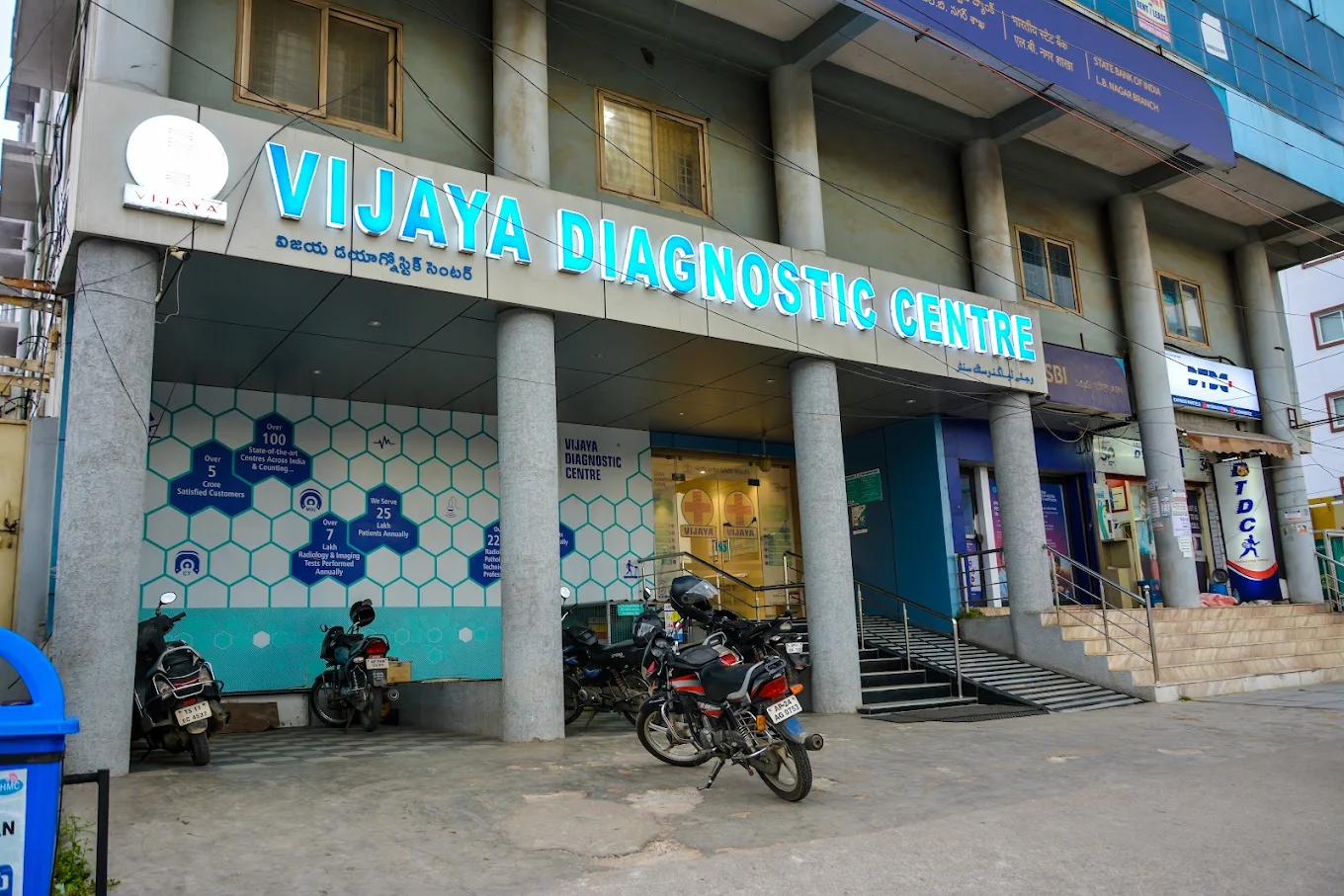
Patients looking for diagnostic services can explore Vijaya Diagnostic Centre, Panjagutta, Vijaya Diagnostic Centre, Madhapur, Vijaya Diagnostic Centre, LB Nagar, Vijaya Diagnostic Centre, S.D. Road, Secunderabad and Vijaya Diagnostic Centre, Vanasthalipuram to review available diagnostic services at these locations.
Other options listed on Siris Healthcare include Orange Health Labs, Hyderabad and Vaarahi Diagnostics, Beeramguda. Test availability, sample collection, appointments and preparation requirements should be confirmed with the relevant centre.
Understanding Your Test Results
Laboratory reports may include measured values, reference ranges and flags indicating results outside the laboratory's stated range. An abnormal result does not always mean that a serious medical condition is present, and a result within the reference range does not necessarily rule out every health concern.
Factors such as age, medications, recent illness, hydration and the type of test can influence results. Discuss unexpected findings with a qualified healthcare professional rather than relying on a single value or attempting to diagnose a condition independently.
For further reading, explore diagnostic services, clinical laboratory testing, clinical pathology and laboratory medicine.
Frequently Asked Questions About Routine Health Investigations
Which routine blood tests are commonly recommended?
Commonly considered tests include a complete blood count, blood glucose, HbA1c, lipid profile, liver function tests, kidney function tests and thyroid investigations. The appropriate selection depends on your age, health history, symptoms and individual risk factors.
Do routine blood tests require fasting?
Not all blood tests require fasting. Certain glucose and lipid investigations may have specific preparation requirements depending on the test ordered. Confirm the instructions with your healthcare professional or laboratory before sample collection.
How often should I get a routine health checkup?
There is no single schedule that suits everyone. The appropriate frequency depends on age, medical history, existing conditions, family history, risk factors and previous results. Your healthcare professional can recommend a suitable screening plan.
Is a full body health checkup necessary for everyone?
Not necessarily. A checkup can be useful when its investigations match a person's health needs, but more tests do not automatically mean better care. A healthcare professional can help identify which investigations are appropriate and avoid unnecessary testing.
What should I do if a test result is abnormal?
Discuss the report with a qualified healthcare professional. Depending on the finding, you may need a repeat test, additional investigation or clinical assessment. Do not start treatment or change prescribed medication based on a laboratory result alone.
Explore Routine Health Investigations with Siris Healthcare
Understanding your health begins with the right information and appropriate medical guidance. Siris Healthcare helps patients explore diagnostic services, laboratory investigations and health checkup resources so they can make more informed decisions about their healthcare journey.
Whether you are considering routine blood tests, a preventive health checkup or investigations recommended by your doctor, choose tests based on your individual needs and confirm availability and preparation requirements before booking.
Medical disclaimer: This content is intended for general informational purposes only and does not replace professional medical advice, diagnosis or treatment. The need for specific investigations should be determined by a qualified healthcare professional.
Enquire Now
Top Routine Health Investigations Hospitals


Top Routine Health Investigations Specialists
Consult Our Routine Health Investigations Specialists Today
Receive expert consultation, advanced diagnosis, and personalized treatment from our experienced routine health investigations specialists dedicated to delivering exceptional patient care.