
Refractive Eye Care
Comprehensive refractive eye care care in India, featuring advanced diagnostic technologies and world-class medical expertise.
Refractive Eye Care
Refractive eye care focuses on diagnosing and managing vision problems caused by refractive errors, which occur when the eye does not focus light correctly on the retina. Common refractive errors include myopia (short-sightedness), hyperopia (long-sightedness), astigmatism and presbyopia. Depending on the type and severity of the vision problem, treatment may include prescription glasses, contact lenses or refractive surgery.
For people who want to reduce their dependence on glasses or contact lenses, laser vision correction may be an option. Procedures such as LASIK and PRK reshape the cornea to improve the way light is focused inside the eye. However, refractive surgery is not suitable for everyone, so a detailed eye examination and suitability assessment are important before choosing a procedure.
What Is Refractive Error?
A refractive error occurs when the shape of the eye prevents light from focusing properly on the retina. This can result in blurred or distorted vision and may cause symptoms such as eye strain, headaches, squinting, difficulty seeing at a distance or trouble focusing on nearby objects.
A comprehensive eye examination can help identify the type and degree of refractive error and determine the most appropriate correction.
Types of Refractive Errors
Myopia
Myopia, commonly called short-sightedness or near-sightedness, makes distant objects appear blurry while nearby objects may remain clearer. It can often be corrected with glasses or contact lenses, while selected adults may be considered for refractive surgery after an appropriate evaluation.
Hyperopia
Hyperopia, or long-sightedness, can make nearby objects difficult to see clearly and may be associated with eye strain or headaches, particularly during activities such as reading. Treatment depends on the individual's vision and may include glasses, contact lenses or, in appropriate adults, refractive surgery.
Astigmatism
Astigmatism occurs when the cornea or lens has an irregular shape, causing light to bend unevenly. It can lead to blurred or distorted vision, eye strain, headaches and difficulty seeing clearly at night. Depending on the condition, treatment may include corrective lenses or refractive surgery.
Presbyopia
Presbyopia is an age-related change that makes it increasingly difficult to focus on nearby objects. It commonly becomes noticeable after the age of 45 as the eye's natural lens becomes less flexible. Reading glasses, prescription lenses and other vision-correction options may be considered based on individual needs.
Refractive Eye Care and Vision Correction Options
Treatment is selected according to the patient's prescription, eye health, age, lifestyle and overall suitability. Options may include:
- Prescription eyeglasses for correcting near, distance or combined vision needs.
- Contact lenses as an alternative to spectacles for suitable patients.
- LASIK eye surgery for selected adults with appropriate refractive errors and stable vision.
- PRK (Photorefractive Keratectomy), another form of laser vision correction that may be considered in specific cases.
- Other refractive procedures may be discussed when conventional laser correction is not appropriate.
LASIK changes the shape of the cornea to help correct certain refractive errors, but it is not appropriate for everyone. Conditions affecting corneal health, dry eye and other eye problems can influence whether a person is a suitable candidate.
Who May Need Refractive Eye Care?
You may benefit from a refractive eye evaluation if you experience:
- Blurred distance or near vision
- Frequent squinting to see clearly
- Difficulty reading or focusing
- Eye strain after prolonged visual tasks
- Headaches associated with vision
- Difficulty seeing clearly at night
- Dependence on glasses or contact lenses
- Changes in your existing spectacle or contact lens prescription
These symptoms can have different causes, so an eye examination is important before deciding on treatment.
Evaluation Before Laser Vision Correction
A detailed assessment is an important part of LASIK and refractive surgery evaluation. Your eye specialist may assess your visual prescription, corneal shape and thickness, tear-film or dry-eye status, and overall eye health before determining whether laser vision correction is appropriate.
Stable vision is also an important consideration for LASIK. The final recommendation should be based on an individual clinical assessment rather than on age, prescription strength or lifestyle alone.
What to Expect After Refractive Treatment
Recovery varies depending on the procedure and the individual's eyes. Temporary symptoms such as dryness, glare or halos can occur after LASIK, and the expected recovery period differs between procedures. Your eye specialist will provide specific instructions regarding eye drops, follow-up visits, activity restrictions and when normal activities can be resumed.
Choosing the Right Vision Correction Option
There is no single refractive treatment that is ideal for everyone. LASIK, PRK, glasses and contact lenses each have different advantages, limitations and suitability criteria. A comprehensive eye examination allows your eye specialist to understand your prescription and eye health before recommending an appropriate option.
If you are considering LASIK surgery, laser eye surgery or other refractive procedures, discuss your expectations, possible benefits, limitations, risks and recovery with a qualified eye-care professional before making a decision.
Refractive Eye Care Treatments

LASIK / Femto LASIK Package
SMILE / SMILE Pro Package
Contoura Vision Package
PRK / TransPRK Package
ICL (Implantable Collamer Lens) Package
Enquire Now
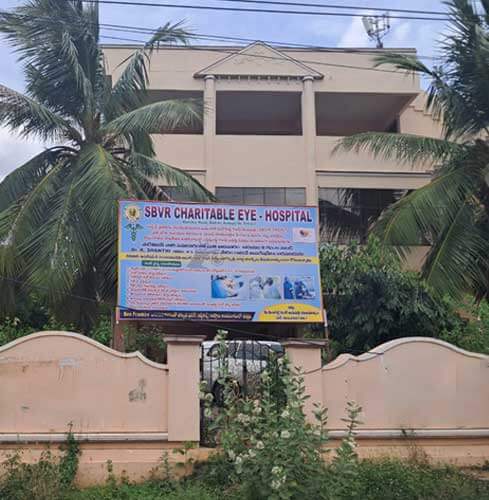
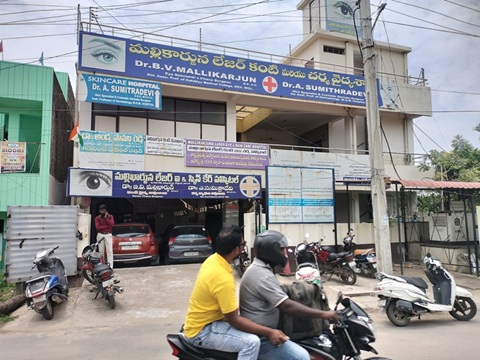
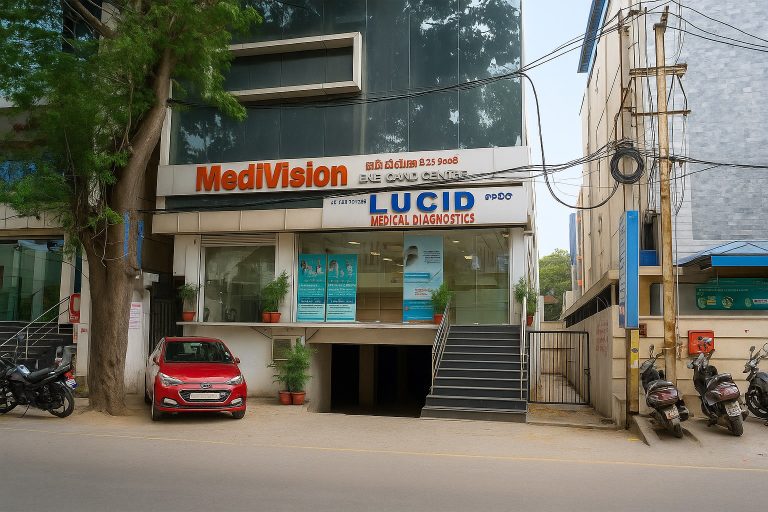
Top Refractive Eye Care Hospitals
Top Refractive Eye Care Specialists

Dr. Shravya Choudhary Balla

Dr Sravya Challa


Consult Our Refractive Eye Care Specialists Today
Receive expert consultation, advanced diagnosis, and personalized treatment from our experienced refractive eye care specialists dedicated to delivering exceptional patient care.