
Radiation Therapy
Comprehensive radiation therapy care in India, featuring advanced diagnostic technologies and world-class medical expertise.
Radiation Therapy – Cancer Treatment and Radiotherapy in India
Understanding Radiation Therapy for Cancer Treatment
Radiation Therapy, also known as radiotherapy, is an established cancer treatment that uses carefully controlled, high-energy radiation to damage cancer cells, slow their growth or destroy them. It is commonly used as part of a comprehensive cancer treatment plan, either independently or alongside surgery, chemotherapy, immunotherapy and other therapies.
The role of radiation treatment depends on the type of cancer, its location, stage, size and the patient's overall health. For some patients, radiation therapy may be recommended to treat a tumour directly. For others, it may be given before surgery to help reduce tumour size, after surgery to lower the risk of cancer returning, or alongside other treatments to improve disease control.
Through Siris Healthcare, patients and families can explore radiation oncology hospitals, cancer treatment facilities and radiation therapy specialists in India. Understanding the available treatment approaches can help patients prepare for informed discussions with their oncology team and compare suitable care options.
What Is Radiation Therapy and How Does It Work?
Radiation therapy works by delivering energy to cancer cells, damaging their DNA and affecting their ability to grow and divide. Although healthy cells in the treatment area may also be exposed, modern radiation planning aims to focus the prescribed dose on the intended target while limiting unnecessary exposure to surrounding healthy tissues.
The treatment is planned according to detailed diagnostic information, which may include CT scans, MRI scans, PET scans and biopsy findings. A radiation oncologist reviews these records and determines whether radiotherapy is appropriate for the patient's diagnosis.
Radiation treatment is not the same for everyone. The technique, dose, treatment area and number of sessions are selected according to individual clinical requirements.
Types of Radiation Therapy Used in Cancer Treatment
Different radiation therapy techniques are available to treat cancers in various parts of the body. The radiation oncologist recommends an approach based on tumour characteristics, treatment objectives and the patient's medical condition.
External Beam Radiation Therapy (EBRT)
External beam radiation therapy uses a specialized machine to direct radiation towards the cancer-affected area from outside the body. It is one of the commonly used approaches in modern radiotherapy.
Treatment planning helps determine the direction, intensity and distribution of radiation. The number of sessions depends on the cancer type, prescribed dose and treatment objective.
Intensity-Modulated Radiation Therapy (IMRT)
IMRT treatment uses advanced planning and varying radiation beam intensities to shape the radiation dose around the target. It can help deliver different dose levels to complex treatment areas while reducing exposure to selected nearby healthy structures.
It may be considered for certain prostate, head and neck, brain and other cancers where careful dose distribution is important.
Image-Guided Radiation Therapy (IGRT)
IGRT treatment uses imaging techniques before or during radiation delivery to help verify the patient's position and the location of the treatment target.
This additional imaging guidance can help account for positioning differences and certain movements of internal organs, supporting accurate treatment delivery.
Volumetric Modulated Arc Therapy (VMAT)
VMAT is an advanced form of intensity-modulated radiation therapy in which radiation is delivered while the treatment machine rotates around the patient.
It allows the radiation team to shape the dose distribution around the tumour using computer-assisted treatment planning. Its suitability depends on the cancer location and individual treatment requirements.
Stereotactic Radiosurgery (SRS) and Stereotactic Body Radiation Therapy (SBRT)
Stereotactic radiation therapy delivers highly focused radiation to selected tumours using precise imaging and treatment planning.
- SRS is commonly used for selected brain lesions and certain intracranial conditions.
- SBRT is used for selected tumours outside the brain, including certain lung, liver, spine and prostate cancers.
These techniques may deliver treatment in fewer sessions than conventional radiation schedules, depending on the clinical indication.
Brachytherapy – Internal Radiation Therapy
Brachytherapy involves placing a radioactive source inside or close to the tumour or treatment area. It allows radiation to be delivered directly to the target while limiting exposure to surrounding tissues.
It is used in selected cancers, including cervical, prostate and certain other cancers. The method and duration depend on the patient's diagnosis and treatment plan.
Palliative Radiation Therapy
Palliative radiotherapy may be recommended to relieve symptoms caused by cancer, particularly when the disease is advanced or has spread to other parts of the body.
Depending on the clinical situation, it may help manage cancer-related pain, bleeding, pressure or other symptoms. The primary objective is symptom relief and improved quality of life rather than necessarily curing the cancer.
Which Cancers Can Be Treated With Radiation Therapy?
Radiation therapy may be used in the management of several types of cancer. It can serve as the main treatment for selected cancers or form part of a combined treatment approach.
Common conditions in which radiation therapy may be considered include:
- Breast cancer: May be recommended after breast-conserving surgery or in other selected treatment situations.
- Prostate cancer: Can be used as a primary treatment or in selected cases after surgery.
- Lung cancer: May be used for certain early-stage, locally advanced or symptom-management situations.
- Brain tumours: SRS or other radiation approaches may be considered for selected primary or metastatic brain tumours.
- Head and neck cancer: Radiation may be used alone or alongside other treatments depending on the diagnosis.
- Cervical cancer: External radiation and brachytherapy may form part of the treatment plan.
- Rectal cancer: Radiation may be recommended before surgery or as part of combined treatment for selected patients.
- Oesophageal cancer: May be combined with chemotherapy or other treatment approaches.
- Lymphoma: Radiation may be considered for selected lymphoma types and disease stages.
- Bone metastases: Radiation may help relieve pain and manage certain complications associated with cancer spread.
The appropriate treatment depends on pathology findings, cancer staging, imaging results, previous treatment and the patient's general health. A qualified oncology team must determine whether radiation is suitable.
How Is the Radiation Therapy Treatment Process Carried Out?
Understanding the treatment journey can help patients feel more prepared before starting radiotherapy. Although the exact process varies, most treatment plans involve several important steps.
1. Initial Radiation Oncology Consultation
The radiation oncologist reviews the patient's medical history, biopsy reports, diagnostic scans, previous treatments and current health condition.
The consultation helps determine whether radiation therapy is appropriate and whether additional investigations or specialist opinions are required.
2. CT Simulation and Treatment Planning
A planning scan, commonly called CT simulation, helps identify the exact treatment area. Depending on the cancer and treatment technique, patients may need special positioning devices or immobilization equipment to maintain a consistent position.
The radiation oncology team uses the images to outline the target area and nearby organs that require protection.
3. Individualized Radiation Dose Calculation
Radiation oncologists and medical physicists work together to develop a treatment plan. They determine the prescribed dose, radiation distribution and number of sessions according to the treatment objective.
The plan undergoes appropriate checks before treatment delivery.
4. Radiation Treatment Sessions
During an external beam radiation session, the patient lies on a treatment table while the radiation therapist positions them according to the approved treatment plan.
The machine delivers radiation to the designated area. The radiation itself is generally painless and cannot normally be seen or felt.
Patients may need multiple sessions over several days or weeks. Some specialized techniques use fewer sessions. The schedule is determined by the treating radiation oncologist.
5. Monitoring and Follow-Up
The healthcare team monitors the patient's condition throughout treatment. Follow-up appointments help assess side effects, treatment response and recovery.
Additional scans or tests may be recommended at appropriate intervals depending on the cancer type and treatment plan.
Benefits and Possible Goals of Radiation Treatment
Radiation therapy can serve different purposes depending on the patient's diagnosis and treatment objectives.
Potential treatment goals include:
- Destroying cancer cells in a specific treatment area.
- Shrinking a tumour before surgery in selected cases.
- Reducing the risk of cancer returning after surgery.
- Treating certain cancers without surgery.
- Supporting treatment alongside chemotherapy or other therapies.
- Controlling tumour growth in selected advanced cancers.
- Relieving symptoms such as cancer-related pain or bleeding.
The potential benefits and risks should be discussed with the treating specialist. Radiation therapy does not guarantee a cure, and its effectiveness varies according to the cancer and individual clinical circumstances.
Radiation Therapy Side Effects and Their Management
Side effects can vary considerably between patients. They depend on the treatment area, radiation dose, number of sessions, other treatments and individual health factors.
Some possible side effects include:
- Fatigue or unusual tiredness.
- Redness, dryness or irritation of the treated skin.
- Hair loss in the treated area.
- Nausea or changes in appetite.
- Mouth sores or difficulty swallowing when treating certain head and neck areas.
- Changes in bowel or bladder habits depending on the treatment location.
- Localized discomfort or swelling.
Some side effects improve after treatment, while others may take longer to settle. Certain late effects can develop months or years later.
Tips for Managing Treatment-Related Side Effects
Patients should follow the instructions provided by their radiation oncology team. Helpful measures may include:
- Maintaining adequate fluid intake, unless fluid restriction has been advised.
- Eating balanced meals and discussing nutritional support when appetite is affected.
- Getting sufficient rest and adjusting physical activity according to energy levels.
- Using only recommended skin-care products on the treated area.
- Informing the healthcare team about new or worsening symptoms.
- Attending scheduled monitoring and follow-up appointments.
Seek medical advice promptly for severe, unexpected or rapidly worsening symptoms. Do not start or stop medicines or supplements without discussing them with the treating team.
How to Prepare for Radiation Therapy
Preparing for radiotherapy involves both medical assessment and practical planning. Patients should understand their proposed treatment schedule and know whom to contact if they experience concerns during treatment.
Before starting, it is useful to:
- Carry biopsy and pathology reports.
- Keep CT, MRI and PET scan reports and images available.
- Bring previous surgery and chemotherapy records, if applicable.
- Share a complete list of medicines, vitamins and supplements.
- Inform the doctor about existing medical conditions and previous radiation treatment.
- Discuss nutritional needs, work arrangements and travel requirements.
- Ask whether any special preparation is required before individual sessions.
Some treatment areas require specific instructions relating to eating, drinking or bladder and bowel preparation. Follow the instructions given by the treating hospital rather than relying on general advice.
Recovery and Long-Term Care After Radiotherapy
Recovery following radiation treatment differs from person to person. Some patients continue their normal daily activities with minor adjustments, while others need additional rest and supportive care.
The recovery period depends on the treatment site, radiation dose, other cancer therapies and the patient's overall health.
Follow-up care may involve physical examinations, imaging tests, laboratory investigations and consultations with oncology specialists. The treating team uses these assessments to monitor treatment response and identify any ongoing side effects.
Patients who have completed radiation therapy should keep their treatment summaries and follow-up records. These documents are useful when consulting other specialists or coordinating long-term cancer care.
How to Choose a Radiation Therapy Hospital in India
Choosing a suitable cancer treatment facility involves more than comparing hospital names or advertised treatment packages. Patients should understand the available clinical services, the experience of the treating team and whether the proposed treatment approach is appropriate for their diagnosis.
When comparing radiation therapy hospitals in India, consider the following:
Radiation Oncology Expertise
Check whether the hospital has qualified radiation oncologists and a team experienced in managing the relevant cancer type.
Available Radiotherapy Technology
Ask which radiation treatment techniques are available at the specific hospital, such as IMRT, IGRT, VMAT, SBRT, SRS or brachytherapy, and whether they are appropriate for the proposed treatment.
Multidisciplinary Cancer Care
Cancer treatment may involve radiation oncologists, medical oncologists, surgical oncologists, radiologists, pathologists, medical physicists and supportive-care professionals.
Coordinated discussions can help patients understand how different treatment options fit into an overall care plan.
Treatment Planning and Safety
Ask about treatment planning, quality assurance procedures, image guidance, monitoring and how potential side effects are managed.
Costs and Practical Arrangements
Request a written treatment estimate that explains consultation fees, planning scans, radiation sessions, additional investigations and follow-up charges.
Patients travelling from another city or country should also consider accommodation, transport, the expected treatment schedule and continuity of care after returning home.
Radiation Therapy Treatment Options Through Siris Healthcare
Siris Healthcare helps patients explore cancer care options by providing access to hospital profiles, specialist information and healthcare enquiry support.
Patients can use the platform to research radiation oncology services, review relevant hospital information and identify specialists for further consultation.
The suitability of a hospital, treatment technique and radiation schedule must always be confirmed directly with the treating medical team.
Whether you are researching radiotherapy after a new cancer diagnosis, exploring a second opinion or comparing available cancer treatment options, having your medical records and questions ready can make your consultation more productive.
Frequently Asked Questions About Radiation Therapy
Is radiation therapy the same as radiotherapy?
Yes. Radiation therapy and radiotherapy are two names for the same cancer treatment approach. Both use carefully controlled radiation to damage cancer cells or control their growth.
Is radiation therapy painful?
The radiation delivery itself is generally painless. Patients do not normally feel the radiation during an external beam treatment session. However, side effects may develop depending on the treated area and prescribed dose.
How many radiation therapy sessions are required?
The number of sessions depends on the cancer type, treatment technique, prescribed radiation dose and treatment objective. Some treatment plans involve several weeks of sessions, while selected cancers can be treated in fewer sessions.
Can radiation therapy cure cancer?
Radiation therapy can be used with curative intent for certain cancers. In other situations, it helps control disease, reduce recurrence risk or relieve symptoms. The possibility of cure depends on the individual diagnosis and other clinical factors.
Can radiation therapy be combined with chemotherapy?
Yes. For certain cancers, radiation therapy and chemotherapy may be administered together or in a planned sequence. This approach is known as chemoradiation in some treatment settings. It is not appropriate for every patient, and the oncology team must evaluate the potential benefits and risks.
Does radiation therapy affect healthy cells?
Radiation can affect healthy cells within or near the treatment area. Modern treatment planning aims to limit unnecessary exposure, but some side effects may still occur. The type and severity depend on the treatment area, dose and individual factors.
Is radiation therapy safe for older patients?
Age alone does not determine whether someone can receive radiation therapy. The treating specialist considers overall health, functional condition, cancer characteristics, other medical conditions and treatment goals.
What is the difference between chemotherapy and radiation therapy?
Chemotherapy uses medicines that travel through the body to target cancer cells, whereas radiation therapy delivers radiation to a specific treatment area. Both may be used individually or together depending on the cancer diagnosis.
Can patients continue normal activities during radiotherapy?
Many patients can continue some of their usual activities during treatment, but fatigue and other side effects may require adjustments. Individual guidance should come from the treating healthcare team.
What documents should I carry for a radiation oncology consultation?
Patients should bring biopsy reports, pathology findings, relevant scan reports and images, previous treatment records, current medication details and other medical documents requested by the specialist.
Explore Radiation Oncology Hospitals and Specialists
Finding the right information is an important part of navigating cancer care. Explore relevant oncology departments, radiation treatment approaches and specialist profiles through Siris Healthcare.
Discuss your diagnosis, available treatment options, expected benefits, possible side effects and follow-up requirements with a qualified radiation oncologist before making treatment decisions.
Siris Healthcare – Helping patients explore cancer treatment options and connect with healthcare providers in India.
Medical Disclaimer: This content is intended for general educational purposes only. It does not replace professional medical advice, diagnosis or treatment. Radiation therapy decisions must be made by qualified oncology professionals after reviewing the patient's individual medical condition.
Enquire Now
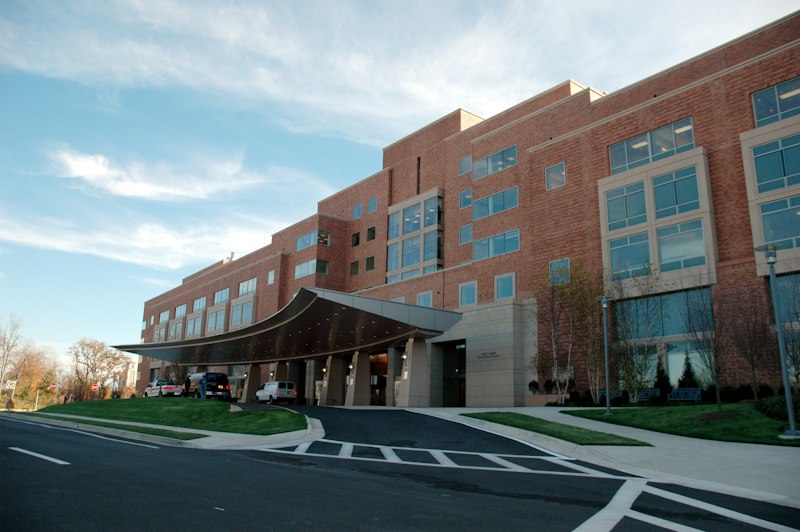
Top Radiation Therapy Hospitals
Top Radiation Therapy Specialists
Consult Our Radiation Therapy Specialists Today
Receive expert consultation, advanced diagnosis, and personalized treatment from our experienced radiation therapy specialists dedicated to delivering exceptional patient care.