
PET-CT
Comprehensive pet-ct care in India, featuring advanced diagnostic technologies and world-class medical expertise.
PET-CT Scan
A PET-CT scan combines positron emission tomography (PET) with computed tomography (CT) to provide both functional and anatomical information about the body. While CT shows detailed images of internal structures, PET helps identify areas with increased metabolic activity. Together, these imaging techniques can give doctors a more comprehensive view of certain diseases and help guide diagnosis and treatment decisions.
PET-CT is widely used in the evaluation of cancer and may help doctors assess the location and extent of disease, monitor how a tumour responds to treatment, and check for possible recurrence. Depending on the clinical situation, PET imaging may also be used to evaluate certain heart and neurological conditions.
What Is a PET-CT Scan?
PET-CT (Positron Emission Tomography–Computed Tomography) is an advanced medical imaging examination performed using a combined PET and CT scanner. A small amount of a radioactive tracer, commonly F-18 fluorodeoxyglucose (FDG), is administered before the scan. The tracer behaves similarly to glucose and can accumulate in tissues with increased metabolic activity.
The PET component detects metabolic activity, while the CT component provides detailed anatomical images. Combining these images allows doctors to correlate areas of increased activity with their precise location in the body.
Why Is PET-CT Done?
Doctors may recommend a PET CT scan for several clinical reasons, particularly when evaluating or managing cancer. Common uses include:
- Helping detect or evaluate certain cancers
- Assessing whether cancer has spread to other parts of the body
- Supporting cancer staging
- Monitoring response to cancer treatment
- Evaluating whether cancer may have returned after treatment
- Assessing certain abnormalities involving the brain or nervous system
- Evaluating selected heart-related conditions and tissue metabolism
The exact purpose of the examination depends on the patient's symptoms, medical history, previous investigations, and the reason for referral.
How Does a PET-CT Scan Work?
Before the scan, the patient usually receives a radiotracer through an intravenous injection. With an FDG PET-CT, the tracer is taken up by tissues according to their glucose metabolism.
After the injection, there is generally a waiting period while the tracer circulates through the body and accumulates in the tissues being examined. During this time, patients are usually asked to rest quietly and avoid unnecessary movement or talking.
The patient then lies on the scanning table while the CT and PET images are acquired. The resulting images are combined to provide information about both the body's anatomy and metabolic activity.
PET-CT Scan for Cancer
A PET CT scan for cancer can provide information that complements conventional imaging. It may help doctors determine where abnormal metabolic activity is present and assess whether a known cancer has spread beyond its original location.
PET-CT can also be used during cancer treatment to evaluate changes over time. However, increased tracer uptake does not automatically mean cancer is present, because inflammation and some other conditions can also cause increased metabolic activity. PET-CT findings therefore need to be interpreted together with the patient's clinical history and other investigations.
PET-CT Scan Preparation
Proper preparation is important because food intake, blood sugar levels, physical activity, medications, and other factors can affect certain PET-CT examinations.
For many FDG PET-CT scans, patients are instructed not to eat for several hours before the examination and may be advised to drink plain water. People with diabetes may receive different preparation instructions depending on their medication and blood glucose management.
Patients should follow the specific instructions provided by their doctor or imaging centre rather than relying on general preparation guidelines. It is also important to inform the medical team about medications, allergies, recent illness, pregnancy or possible pregnancy, and breastfeeding.
What Happens During a PET-CT Scan?
The PET-CT procedure generally involves several stages:
1. Patient preparation: The medical team confirms the patient's medical history and examination requirements.
2. Radiotracer administration: A small amount of the appropriate radiotracer is administered, usually through an IV.
3. Uptake period: The patient rests while the tracer circulates and is taken up by tissues.
4. Scanning: The patient lies still on the scanner table while PET and CT images are obtained.
5. Image interpretation: A suitably trained physician reviews the images and prepares a report for the referring doctor.
The exact duration can vary depending on the type of PET-CT examination and whether additional imaging is required.
Is PET-CT Safe?
PET-CT involves exposure to radiation from the radiotracer and CT component. The amount and type of radiation depend on the examination. Doctors recommend the test when the expected diagnostic benefit is considered appropriate for the individual patient.
The radiotracer used for PET imaging is present in a small amount and loses radioactivity over time. Patients are generally advised to follow the post-scan instructions provided by their healthcare team, which may include drinking adequate water unless they have been given different medical instructions.
Patients should tell their doctor or imaging team if they are pregnant, may be pregnant, or are breastfeeding, as additional considerations may be necessary before the examination.
What to Expect After a PET-CT Scan
Most people can return to their usual activities after a PET-CT unless their healthcare provider gives different instructions. The radioactive tracer naturally loses its radioactivity over time and may leave the body through urine or stool.
Patients should follow the specific instructions provided by the nuclear medicine or imaging team, particularly if additional medications, contrast material, or special procedures were involved.
Understanding PET-CT Results
A PET-CT report is interpreted by a qualified physician with appropriate expertise in PET and CT imaging. The report may describe areas of increased or decreased tracer uptake, anatomical findings on CT, and comparisons with previous imaging when available.
An area of increased metabolic activity does not necessarily indicate cancer. The final interpretation depends on the location and pattern of uptake, CT findings, previous scans, symptoms, medical history, and other diagnostic information. Your treating doctor can explain what the findings mean in the context of your individual condition.
Frequently Asked Questions About PET-CT
What is the difference between PET and CT?
PET provides information about metabolic or functional activity, while CT provides detailed anatomical images. A PET-CT scan combines both types of information in one examination, allowing doctors to correlate metabolic activity with specific anatomical structures.
Is PET-CT only used for cancer?
No. Although PET-CT is commonly associated with cancer evaluation, PET imaging can also be used in selected neurological and cardiovascular investigations and for assessing certain other conditions. The appropriate application depends on the patient's clinical situation.
Do I need to fast before a PET-CT scan?
For many FDG PET-CT examinations, patients are asked not to eat for several hours before the scan. Preparation can vary, particularly for people with diabetes, so patients should follow the instructions provided by their healthcare team.
How long does a PET-CT scan take?
The total appointment can take considerably longer than the actual image acquisition because there is usually a waiting period after the radiotracer is administered. The exact duration varies according to the examination and whether additional imaging is required.
Can PET-CT detect cancer?
PET-CT can help doctors identify areas of abnormal metabolic activity and is commonly used to evaluate certain cancers. However, PET-CT findings alone do not establish a cancer diagnosis in every case. Doctors interpret the scan alongside clinical information and other investigations.
Can I drink water before a PET-CT scan?
For many FDG PET-CT examinations, plain water is permitted during the fasting period, while calorie-containing or sugary drinks may need to be avoided. Always follow the preparation instructions given by the imaging centre because requirements can vary by examination
Enquire Now
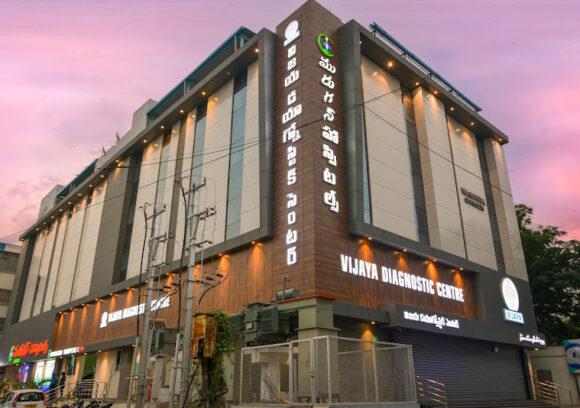
Top PET-CT Hospitals
Top PET-CT Specialists

Dr Venkata Sandeep Eadara


Dr Nishu Ojha

Consult Our PET-CT Specialists Today
Receive expert consultation, advanced diagnosis, and personalized treatment from our experienced pet-ct specialists dedicated to delivering exceptional patient care.