
Oral Cancer Treatment
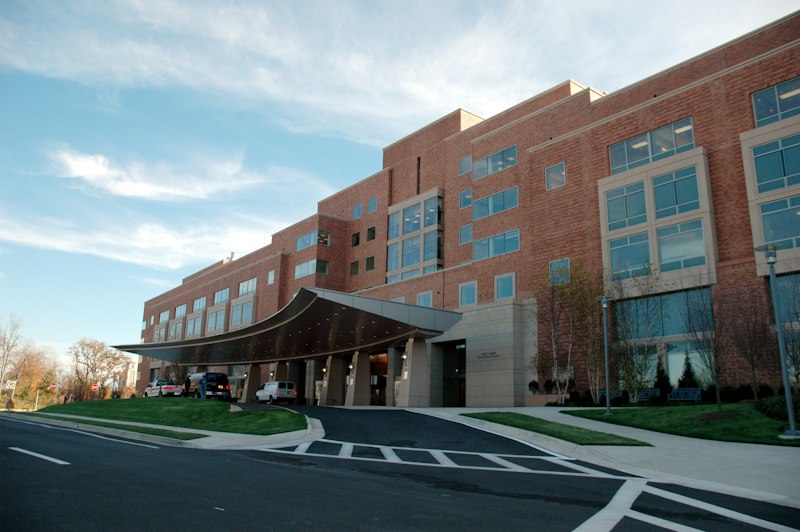
Comprehensive oral cancer treatment care in India, featuring advanced diagnostic technologies and world-class medical expertise.
Oral Cancer Treatment in India – Advanced Mouth Cancer Diagnosis, Surgery and Care
Oral cancer is a serious condition that affects the tissues of the mouth, including the tongue, gums, inner cheeks, lips, floor of the mouth and roof of the mouth. Also known as mouth cancer, it requires timely medical evaluation and an appropriate treatment plan based on the type, location and stage of the disease. Access to the right specialists and diagnostic facilities plays an important role in planning effective cancer care.
Oral cancer treatment in India may involve advanced diagnostic procedures, oral cancer surgery, radiation therapy, chemotherapy, targeted therapy and immunotherapy, depending on the patient's condition. Treatment decisions are generally made by a multidisciplinary team involving surgical oncologists, medical oncologists, radiation oncologists, radiologists and other healthcare professionals.
At Siris Healthcare, patients can explore hospitals, cancer specialists and treatment options for oral cancer across India. Whether you are seeking an initial diagnosis, a second medical opinion or guidance about an existing treatment plan, understanding the available options can help you make informed decisions about your healthcare journey.
What Is Oral Cancer?
Oral cancer refers to the development of abnormal cancerous cells in the oral cavity. It most commonly develops in the squamous cells lining the mouth and can affect different structures, including the tongue, lips, gums, inner cheeks, hard palate and floor of the mouth.
Common types of oral cancer include:
- Tongue cancer: Cancer that develops on the front or oral part of the tongue.
- Buccal mucosa cancer: Cancer affecting the inner lining of the cheeks.
- Gum cancer: Cancer involving the upper or lower gums.
- Floor of mouth cancer: Cancer developing in the tissues beneath the tongue.
- Lip cancer: Cancer affecting the upper or lower lip.
- Hard palate cancer: Cancer affecting the roof of the mouth.
The location and extent of the tumour influence the diagnostic approach and treatment strategy. Early assessment can help doctors identify the disease and determine the most appropriate treatment options.
Common Symptoms and Warning Signs of Oral Cancer
Recognising possible mouth cancer symptoms is important because early changes may appear similar to common dental or oral health problems. Persistent or unexplained symptoms should be assessed by a qualified healthcare professional.
Some common warning signs include:
- A mouth ulcer or sore that does not heal.
- Persistent red or white patches inside the mouth.
- An unusual lump, thickened area or growth in the mouth.
- Unexplained bleeding from the gums, tongue or other oral tissues.
- Persistent pain or discomfort in the mouth.
- Difficulty chewing, swallowing or speaking.
- Restricted movement of the tongue or jaw.
- Numbness in the tongue, lips or other areas of the mouth.
- Loose teeth without an obvious dental cause.
- A lump or swelling in the neck.
- Persistent ear pain associated with other oral symptoms.
These symptoms do not necessarily indicate cancer, as several other conditions can cause similar changes. However, an unexplained mouth ulcer or abnormality that persists for more than two weeks should be professionally evaluated rather than ignored.
Patients can also explore oral cancer screening and early detection to understand the importance of identifying suspicious oral changes.
What Causes Oral Cancer? Understanding the Risk Factors
Oral cancer can develop due to several lifestyle, environmental and biological factors. Certain exposures are particularly important in India, where tobacco and areca nut consumption contribute significantly to oral cancer risk.
Tobacco and Smoking
Smoking cigarettes, bidis and other tobacco products exposes oral tissues to harmful substances that can increase the risk of developing cancer. Smokeless tobacco products, including chewing tobacco, gutka and khaini, are also associated with oral cancer.
Betel Quid and Areca Nut Consumption
Regular consumption of areca nut and betel quid is an important risk factor for oral cancer and other potentially malignant oral conditions. Tobacco-containing preparations can further increase the risk.
Alcohol Consumption
Regular and heavy alcohol consumption can increase the risk of oral cancer. The combination of alcohol and tobacco exposure can further increase the overall risk.
Previous Oral Conditions
Certain potentially malignant oral disorders, including leukoplakia, erythroplakia and oral submucous fibrosis, require appropriate clinical assessment and follow-up.
Other Risk Factors
A person's medical history, previous head and neck cancer, age and other individual factors may also influence risk. A healthcare professional can assess these factors and recommend appropriate evaluation.
How Is Oral Cancer Diagnosed?
Accurate diagnosis is essential before selecting an oral cancer treatment plan. Doctors assess the suspicious area, determine whether cancer is present and evaluate how far the disease may have progressed.
Depending on the patient's symptoms and examination findings, diagnostic investigations may include:
Clinical Oral Examination
The doctor examines the lips, tongue, gums, inner cheeks, roof and floor of the mouth for unusual patches, ulcers, lumps or tissue changes. The neck may also be examined for enlarged lymph nodes.
Oral Biopsy
An oral biopsy involves collecting a small tissue sample from the suspicious area. The sample is examined under a microscope to determine whether cancer cells are present and identify the type of abnormality.
Imaging Tests
Depending on the suspected extent of the disease, doctors may recommend:
- CT scan to assess the tumour and surrounding structures.
- MRI scan to examine soft tissue involvement.
- PET-CT scan in selected cases to evaluate possible cancer spread.
- Ultrasound examination to assess suspicious neck lymph nodes.
Cancer Staging
After diagnosis, doctors determine the stage of oral cancer using clinical findings, imaging and pathology results. Staging helps assess tumour size, nearby lymph node involvement and whether the disease has spread to distant parts of the body.
The diagnostic approach is individualised, and not every patient requires every investigation.
What Are the Different Oral Cancer Treatment Options?
The appropriate mouth cancer treatment depends on the tumour's location, size, stage, lymph node involvement, pathology findings and the patient's overall health. Some patients may need a single treatment approach, while others require a combination of therapies.
1. Oral Cancer Surgery
Oral cancer surgery is an important treatment option, particularly for cancers that can be safely removed. The objective is to remove the tumour while preserving as much normal tissue and important oral function as possible.
Depending on the location and extent of the disease, surgical procedures may include:
- Wide local excision to remove the tumour along with an appropriate margin of surrounding tissue.
- Partial or complete removal of affected tongue tissue when necessary.
- Removal of affected areas of the cheek or oral lining.
- Mandibular or maxillary surgery when the jawbone is involved.
- Neck dissection to remove affected or potentially involved lymph nodes.
- Reconstructive surgery to restore oral structures and function after extensive tissue removal.
The surgical approach is determined by the surgical oncology team after reviewing the diagnostic findings.
2. Radiation Therapy for Oral Cancer
Radiation therapy, also known as radiotherapy, uses carefully planned high-energy radiation to damage cancer cells and prevent them from growing.
It may be recommended as the primary treatment in selected situations or following surgery when additional treatment is considered necessary.
Modern radiation techniques may include:
- Intensity-Modulated Radiation Therapy (IMRT).
- Image-Guided Radiation Therapy (IGRT).
- External Beam Radiation Therapy (EBRT).
- Brachytherapy in selected cases.
The radiation oncologist determines the appropriate treatment technique, dose and schedule according to the patient's diagnosis.
3. Chemotherapy for Mouth Cancer
Oral cancer chemotherapy uses anti-cancer medicines to destroy or control cancer cells. It may be administered alongside radiation therapy in certain cases or as part of treatment for recurrent or advanced disease.
The chemotherapy regimen depends on the cancer stage, previous treatments, general health and treatment objectives.
Possible side effects include nausea, fatigue, reduced blood cell counts, mouth sores and changes in appetite. Patients receive medical guidance on managing these effects during treatment.
4. Targeted Therapy
Targeted cancer therapy uses medicines designed to act on specific molecular features involved in cancer growth. It may be considered for selected patients depending on the cancer characteristics and relevant test results.
A medical oncologist determines whether targeted medicines are appropriate based on the available clinical and molecular information.
5. Immunotherapy
Immunotherapy for oral cancer uses medicines that help the body's immune system recognise and attack cancer cells.
Certain immunotherapy medicines may be considered for selected patients with recurrent or metastatic head and neck cancers. Their suitability depends on the cancer type, previous treatments, biomarkers and other medical factors.
6. Palliative and Supportive Cancer Care
For patients with advanced oral cancer, supportive and palliative care can help manage pain, swallowing difficulties, nutritional problems and other treatment-related symptoms.
This care can be provided alongside cancer-directed treatment or when the primary focus is symptom relief and quality of life.
Oral Cancer Treatment Based on Cancer Stage
Treatment recommendations vary according to the stage and extent of oral cancer. A general overview includes:
Early-Stage Oral Cancer
Early-stage disease may be treated with surgery or radiation therapy in selected cases. The treatment team considers the tumour's location, expected functional outcomes and other clinical factors.
Locally Advanced Oral Cancer
More extensive disease may require surgery combined with additional radiation therapy or chemoradiation, depending on pathology findings, lymph node involvement and treatment suitability.
Reconstructive procedures may also be considered when tumour removal affects important oral structures.
Advanced or Metastatic Oral Cancer
When cancer has spread to distant parts of the body or cannot be treated with surgery alone, systemic treatment may be considered. Options can include chemotherapy, immunotherapy and targeted therapy where appropriate.
Treatment goals may include controlling cancer growth, relieving symptoms and maintaining quality of life.
What to Expect During Oral Cancer Treatment and Recovery
The recovery process varies depending on the type of treatment, tumour location, disease stage and the patient's overall health.
Following oral cancer surgery, patients may need wound care, pain management, nutritional support and rehabilitation. More extensive procedures can require additional recovery time and reconstructive follow-up.
Radiation therapy and chemotherapy may cause side effects such as:
- Mouth sores and oral discomfort.
- Dry mouth.
- Difficulty swallowing.
- Changes in taste.
- Fatigue.
- Reduced appetite.
- Dental and oral health complications.
Depending on individual needs, the care team may recommend speech therapy, swallowing rehabilitation, nutritional counselling and dental care.
Regular follow-up appointments are important to monitor recovery, assess treatment response and identify any signs of recurrence.
How to Choose an Oral Cancer Hospital in India
Choosing an appropriate hospital is an important part of the oral cancer treatment journey. Patients should consider the medical team's experience, available facilities and ability to coordinate different stages of cancer care.
Important factors to review include:
- Availability of experienced surgical oncologists and head and neck cancer specialists.
- Access to medical oncology and radiation oncology services.
- Diagnostic facilities for biopsy, pathology and cancer imaging.
- Surgical and reconstructive treatment capabilities.
- Radiation treatment technology, where required.
- Speech, swallowing and nutritional rehabilitation services.
- Availability of multidisciplinary cancer treatment planning.
- Transparent consultation, investigation and treatment estimates.
- Follow-up and supportive care arrangements.
Patients looking for oncology hospitals in India can explore hospital profiles and review the services available at individual facilities.
You can also explore medical oncology specialists, surgical oncology care and radiation oncology services to understand the different areas involved in cancer treatment.
Oral Cancer Treatment Cost in India
The oral cancer treatment cost in India varies depending on the cancer stage, diagnostic requirements, treatment method, hospital, specialist fees and duration of care.
Some of the factors that influence the overall treatment expenses include:
- Consultation and specialist evaluation fees.
- Biopsy, pathology and diagnostic investigations.
- CT, MRI and PET-CT imaging when required.
- Oral cancer surgery and hospital admission.
- Radiation therapy sessions.
- Chemotherapy medicines and administration.
- Targeted therapy or immunotherapy, if indicated.
- Reconstructive surgery and rehabilitation.
- Follow-up consultations and supportive care.
Because every patient's treatment requirements are different, a fixed cost cannot accurately represent the complete treatment journey.
Patients are encouraged to request an individualised treatment estimate after their medical reports and treatment requirements have been reviewed.
Why Consider Siris Healthcare for Oral Cancer Treatment Guidance?
Finding appropriate cancer specialists and comparing treatment options can be challenging for patients and their families. Siris Healthcare helps patients explore healthcare providers, specialist profiles and available medical services across India.
Through the platform, patients can:
- Explore oral cancer screening and treatment information.
- Find relevant oncology and surgical oncology specialists.
- Review hospital profiles and available medical services.
- Explore treatment packages and request cost estimates.
- Seek guidance regarding specialist consultations.
- Understand options for additional medical opinions.
The aim is to make healthcare information easier to understand and help patients take informed steps towards appropriate medical evaluation and treatment.
Patients can also explore available oral cancer screening packages, early oral cancer treatment options and advanced oral cancer treatment support.
Frequently Asked Questions About Oral Cancer Treatment
1. Can oral cancer be treated successfully?
Many oral cancers can be treated, particularly when identified at an earlier stage. Treatment outcomes depend on the cancer type, stage, location, overall health and response to treatment. A specialist can explain the expected benefits and limitations of the available options.
2. What is the best treatment for oral cancer?
There is no single treatment that is best for every patient. Surgery, radiation therapy, chemotherapy and other systemic treatments may be considered individually or in combination, depending on the diagnosis.
3. Is surgery necessary for every mouth cancer patient?
No. Surgery is an important treatment option for many oral cavity cancers, but selected patients may receive radiation therapy or other treatment approaches depending on their medical condition and cancer characteristics.
4. How long does oral cancer treatment take?
Treatment duration varies according to the treatment method and disease stage. Surgery may require hospital admission and recovery, while radiation therapy and chemotherapy generally involve planned treatment schedules. The treating specialist can provide an individualised timeline.
5. Can tongue cancer affect speaking and swallowing?
Yes. Depending on the tumour location and the extent of treatment, tongue cancer may affect speech, swallowing and eating. Reconstructive procedures and rehabilitation may help address functional difficulties.
6. Does oral cancer spread to other parts of the body?
Yes. Oral cancer can spread to nearby lymph nodes in the neck and, in advanced cases, to distant organs. Diagnostic imaging and cancer staging help doctors evaluate the extent of the disease.
7. What are the early warning signs of mouth cancer?
Common warning signs include a persistent mouth ulcer, red or white patches, unexplained bleeding, unusual lumps, numbness and difficulty swallowing. Persistent or unexplained changes should be evaluated by a qualified healthcare professional.
8. Is oral cancer treatment available in India?
Yes. Patients can explore cancer treatment services in India, including oral cancer surgery, medical oncology, radiation therapy and supportive cancer care. Specific services and availability should be confirmed with the selected hospital.
9. Can oral cancer return after treatment?
Oral cancer can recur in some patients. Regular follow-up, clinical examinations and additional investigations when indicated help doctors monitor recovery and identify concerning changes.
10. Which doctor should I consult for oral cancer?
Depending on the diagnosis, patients may need consultation with a surgical oncologist, head and neck cancer surgeon, medical oncologist or radiation oncologist. A multidisciplinary team can help coordinate the treatment plan.
11. Is a second opinion useful before oral cancer surgery?
A second opinion can help patients better understand their diagnosis, proposed surgery, alternative treatments and expected functional outcomes. Biopsy reports, imaging and previous medical records can help the reviewing specialist assess the case.
12. How can I find an oral cancer specialist in India?
Patients can explore oncology and surgical oncology doctor profiles through Siris Healthcare, compare available specialist information and enquire about consultation arrangements with the relevant healthcare provider.
Take the Next Step Towards Oral Cancer Care
An oral cancer diagnosis can raise important questions about treatment, recovery and the future. Understanding the available treatment approaches and consulting the appropriate specialists can help patients and their families make informed healthcare decisions.
Whether you are looking for oral cancer surgery in India, mouth cancer treatment, tongue cancer treatment, chemotherapy, radiation therapy or a second medical opinion, Siris Healthcare can help you explore relevant hospitals and specialist profiles.
Explore available treatment options, compare healthcare providers and enquire about an appropriate specialist consultation to understand the next steps in your oral cancer care journey.
Medical Disclaimer: This content is intended for general educational purposes and does not replace professional medical advice, diagnosis or treatment. Oral cancer treatment decisions must be made by qualified healthcare professionals after reviewing the patient's individual medical condition.
Enquire Now
Top Oral Cancer Treatment Hospitals
Top Oral Cancer Treatment Specialists
Consult Our Oral Cancer Treatment Specialists Today
Receive expert consultation, advanced diagnosis, and personalized treatment from our experienced oral cancer treatment specialists dedicated to delivering exceptional patient care.