
Open MRI
Comprehensive open mri care in India, featuring advanced diagnostic technologies and world-class medical expertise.
Open MRI Scan: A More Comfortable Approach to Medical Imaging
An open MRI scan is a medical imaging examination that uses a magnetic field and radio waves to create detailed pictures of structures inside the body. Unlike a conventional MRI scanner, which typically has a tunnel-like opening, an open MRI scanner has a more open design that may help some patients feel less confined during the procedure.
For people who experience claustrophobia, anxiety in enclosed spaces or difficulty tolerating a conventional MRI, open MRI may be an alternative worth discussing with their doctor. Depending on the scanner design and the body part being examined, it can help healthcare professionals evaluate certain conditions affecting the brain, spine, joints, muscles and other soft tissues.
If you are researching MRI options, Siris Healthcare can help you explore MRI scan services, understand available diagnostic facilities and enquire about an appropriate examination. Open MRI availability, scanner type and image quality vary by diagnostic centre, so confirm that the required examination can be performed on an open MRI system before booking.
What Is an Open MRI Scan?
Open magnetic resonance imaging (MRI) is a diagnostic imaging technique performed using an MRI system with a more open configuration than a conventional enclosed scanner. Depending on the equipment, the patient may have more space around them or a less enclosed field of view during the examination.
MRI does not use ionising radiation, unlike X-ray and CT imaging. It produces detailed images that can help doctors assess soft tissues, joints, the brain, the spinal cord and other internal structures.
An open MRI may be considered when a patient finds a conventional scanner uncomfortable or when a more open configuration is suitable for the examination. However, not every open MRI system is suitable for every type of scan. The doctor and radiology team will determine whether the available equipment can provide the images needed for diagnosis.
To understand other imaging options, explore Radiology and Diagnostic Imaging and the diagnostic services available through Siris Healthcare Diagnostics.
Benefits of an Open MRI Scanner
A More Comfortable Experience for Claustrophobic Patients
One of the main reasons people enquire about an open MRI for claustrophobia is the more open scanner design. Patients who feel anxious in enclosed spaces may find this configuration easier to tolerate. However, comfort varies from person to person, and an open MRI does not eliminate anxiety for everyone.
More Space Around the Patient
Depending on the scanner model, an open MRI can provide additional space around the patient. This may be helpful for individuals who find a conventional scanner restrictive or uncomfortable. Patients with mobility limitations should discuss positioning and transfer assistance with the diagnostic centre before their appointment.
Detailed Diagnostic Imaging
An open MRI can help assess selected conditions involving joints, muscles, soft tissues and other body structures. The diagnostic capabilities depend on the scanner's magnetic field strength, design, imaging protocol and the clinical question being investigated.
An Alternative to Conventional MRI
Patients who have difficulty completing a conventional MRI may wish to ask whether an open MRI is suitable for their needs. However, an open MRI is not automatically better or more accurate than a conventional MRI. Some examinations may require a particular scanner or imaging protocol to obtain sufficiently detailed images.
What Conditions Can an Open MRI Help Evaluate?
The appropriate examination depends on the patient's symptoms, medical history and doctor's recommendation. Depending on the scanner's capabilities, open MRI may be considered for selected investigations involving:
- Joint and musculoskeletal conditions: Assessment of certain knee, shoulder, hip and other joint problems, including selected ligament, tendon and soft-tissue injuries.
- Spinal conditions: Evaluation of selected problems affecting the spinal discs, vertebrae, spinal cord and surrounding tissues.
- Brain and neurological concerns: Investigation of certain neurological symptoms or suspected abnormalities when the available scanner and protocol are suitable.
- Soft-tissue abnormalities: Assessment of selected masses, injuries and other changes in soft tissues.
- Other targeted examinations: Imaging of specific anatomical areas when the equipment can meet the required diagnostic standards.
An MRI scan does not diagnose every condition on its own. A radiologist interprets the images alongside the patient's symptoms, medical history and other clinical findings. Your doctor will advise whether an open MRI, conventional MRI, CT scan, ultrasound or another investigation is appropriate.
For more information about imaging facilities, explore Radiology Hospitals in Hyderabad.
Open MRI vs Conventional MRI
Both open and conventional MRI systems use magnetic resonance technology, but their physical designs and technical capabilities can differ.
- Scanner design: Open MRI systems have a more open configuration, while conventional systems generally have a tunnel-like bore.
- Patient comfort: An open design may feel less restrictive for some patients, particularly those who experience claustrophobia.
- Image quality: Image quality depends on factors such as magnetic field strength, equipment design, scan protocol and the body part being examined. Some conventional systems may be better suited to examinations requiring very fine detail.
- Examination availability: Not every diagnostic centre offers open MRI, and not every scan can be performed on every type of system.
- Examination time: The time required varies according to the body part, imaging sequences, patient movement and clinical requirements.
The right choice depends on the diagnostic information needed, patient comfort and the advice of the treating doctor and radiology team.
How to Prepare for an Open MRI Scan
Preparing for an open MRI scan is generally similar to preparing for other MRI examinations, although specific instructions vary by test and diagnostic centre.
Before Your Appointment
Inform the radiology team if you have a pacemaker, implanted medical device, metal implant, previous surgery or a history of metal fragments in your body. Some devices are MRI-compatible only under specific conditions, so the team must verify their safety before scanning.
Tell your doctor or the diagnostic centre if you are pregnant or may be pregnant, have kidney-related concerns that could affect a contrast examination, or have previously experienced a reaction to MRI contrast material.
What to Wear and Bring
Wear comfortable clothing without metal fasteners where possible. You may be asked to remove jewellery, watches, hair accessories, hearing aids and other metallic objects. Bring your doctor's prescription, previous scan reports and relevant medical records.
Food, Medication and Contrast
Fasting is not required for every MRI scan. Instructions depend on the examination and whether contrast material or sedation is planned. Continue prescribed medicines unless your healthcare professional advises otherwise.
Some MRI examinations use a gadolinium-based contrast agent to make specific structures easier to evaluate. Contrast is not necessary for every scan. Your healthcare team will explain whether it is required and review relevant safety considerations.
What Happens During an Open MRI Procedure?
The radiology team will explain the examination and help you get into the correct position. Depending on the scanner design, you may lie on a movable table or be positioned within the imaging system.
During the scan, the machine produces tapping or knocking sounds. You will generally need to remain as still as possible to help obtain clear images. The radiology team can explain how to communicate with them during the examination and what to expect throughout the process.
The scan duration varies depending on the body part being examined and the imaging sequences required. Some examinations take around 20 to 60 minutes or longer. The team will provide an estimate based on your specific scan.
Most routine MRI examinations do not require recovery time, and patients can usually return to their normal activities afterwards unless additional instructions apply. If sedation has been used, follow the specific recovery and transport guidance provided by the medical team.
Is Open MRI Safe?
MRI does not use ionising radiation. However, MRI safety screening remains essential because the scanner uses a strong magnetic field. Certain implants, devices and metallic objects can pose risks or require special precautions.
Always disclose relevant implants, previous surgeries, medical devices and possible metal fragments before the examination. Follow instructions about removing metal objects and tell the radiology team if you feel uncomfortable during the procedure.
If contrast material is planned, discuss any relevant medical history, including kidney problems or previous contrast reactions, with your healthcare professional.
The suitability of open MRI depends on the patient's circumstances, the equipment available and the information the doctor needs from the scan.
Finding an MRI Diagnostic Centre Through Siris Healthcare
Choosing a diagnostic centre involves more than finding an available appointment. It is important to confirm the scanner type, the availability of your prescribed examination, preparation requirements, reporting arrangements and cost.
Siris Healthcare provides information about diagnostic facilities and medical services to help patients explore their options.
You can review these existing resources:
- MRI Scan Services - Learn about MRI examinations and their diagnostic uses.
- Radiology and Diagnostic Imaging - Explore different medical imaging techniques.
- Diagnostics - Review diagnostic testing categories.
- Radiology Hospitals in Hyderabad - Explore radiology facilities listed in Hyderabad.
- Sprint Diagnostics, Jubilee Hills - Review the centre's listed diagnostic services.
- Radiology at Sprint Diagnostics - Learn about the centre's radiology and imaging services.
- Sprint Diagnostics, Gachibowli - Explore the diagnostic centre's listed services.
- Sprint Diagnostics, AS Rao Nagar - Review another listed diagnostic facility.
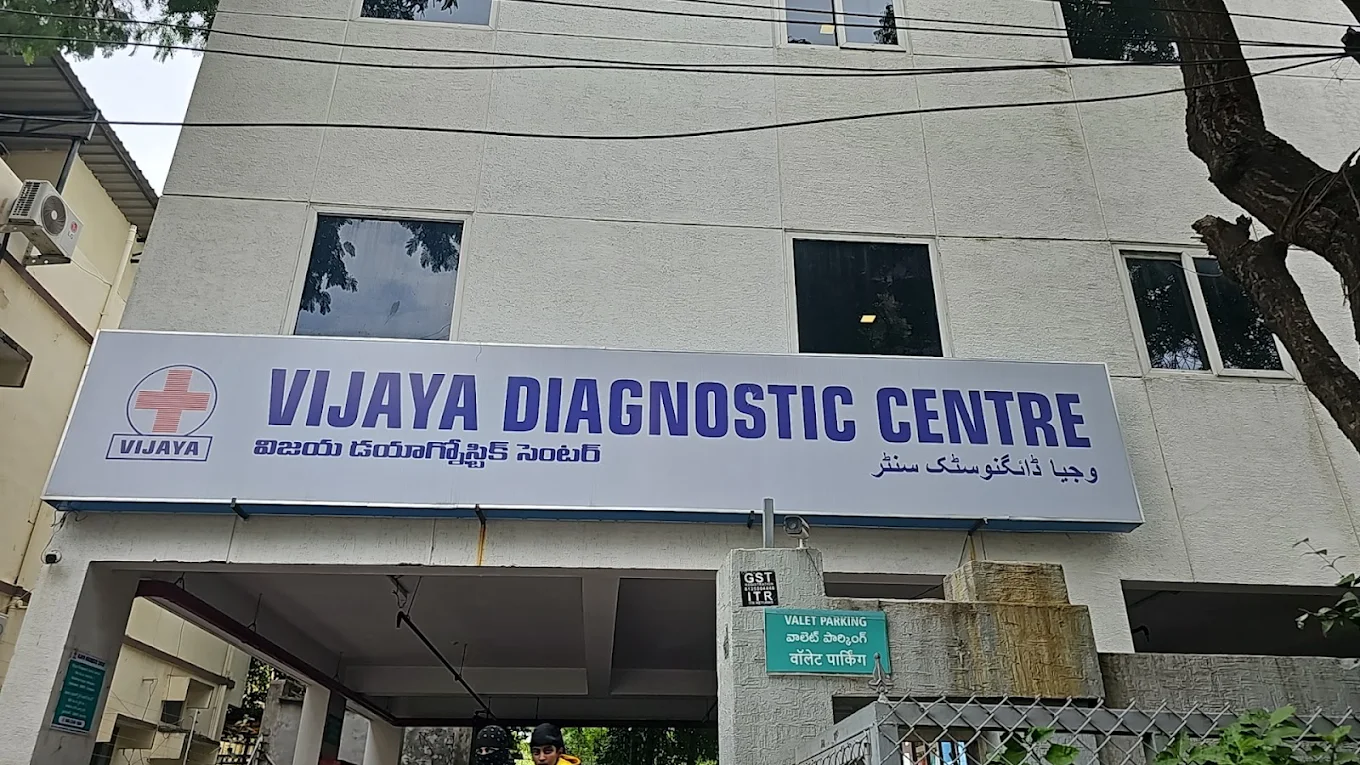
- Vijaya Diagnostic Centre, Panjagutta - Explore its listed diagnostic investigations.
- Medical Specialties - Browse other medical specialties and treatments.
- Book an Appointment - Submit an appointment request or enquire about a diagnostic investigation.
Important: These links lead to existing Siris Healthcare pages, but the facilities listed are not being represented as confirmed open MRI providers. Contact the relevant centre to verify open MRI availability, the required body-part examination, pricing and appointment details before visiting.
Frequently Asked Questions About Open MRI
Is an open MRI better for people with claustrophobia?
An open MRI may be more comfortable for some people who feel anxious in enclosed spaces. However, comfort varies, and the best option depends on the patient's needs and the diagnostic requirements of the scan.
Does an open MRI provide the same image quality as a conventional MRI?
Not necessarily. Image quality depends on the scanner's technical specifications, magnetic field strength and imaging protocol. A radiologist or referring doctor can advise whether an available open MRI system is appropriate for the required examination.
How long does an open MRI scan take?
The duration depends on the body part being examined and the number of imaging sequences needed. Some scans take approximately 20 to 60 minutes or longer. Confirm the expected duration when scheduling your examination.
Does an open MRI use radiation?
No. MRI uses magnetic fields and radio waves rather than ionising radiation. However, screening for implants, metallic objects and other MRI safety considerations is still necessary.
Do I need a doctor's prescription for an open MRI?
Requirements may vary by diagnostic centre and examination. A doctor's referral or prescription can help ensure that the correct scan is selected for your symptoms and clinical needs. Confirm the centre's requirements before booking.
Is contrast required for an open MRI?
Not always. Some MRI examinations require contrast to provide additional diagnostic information, while others do not. The decision depends on the body part, suspected condition and the doctor's recommendation.
How can I find an open MRI scan centre in Hyderabad?
Explore the diagnostic facilities listed on Siris Healthcare and contact the relevant centre to ask specifically whether it offers an open MRI scanner for your prescribed examination. Confirm availability, scan type, preparation instructions and appointment timings before visiting.
Choose the Right MRI Option for Your Needs
An open MRI scan may offer a more comfortable imaging experience for patients who struggle with enclosed scanners. Its suitability depends on the examination required, the scanner's capabilities and the clinical information needed by the treating doctor.
Before booking, discuss your concerns with your healthcare professional and confirm the availability of the appropriate equipment at the diagnostic centre. Siris Healthcare can help you explore listed diagnostic services and submit an enquiry so that you can make an informed decision about your imaging needs.
Enquire Now
Top Open MRI Hospitals
Top Open MRI Specialists
Consult Our Open MRI Specialists Today
Receive expert consultation, advanced diagnosis, and personalized treatment from our experienced open mri specialists dedicated to delivering exceptional patient care.