Nutrition & Nutrigenomics
Comprehensive nutrition & nutrigenomics care in India, featuring advanced diagnostic technologies and world-class medical expertise.
Nutrition & Nutrigenomics
Nutrition & Nutrigenomics brings together evidence-based nutrition care with emerging insights from nutrigenomics—the study of how genes and nutrition interact. Instead of treating diet as a one-size-fits-all solution, this approach considers an individual's health goals, dietary habits, lifestyle, medical history and, where clinically appropriate, genetic information.
Nutrition plays an important role in maintaining health and supporting the management of many common health concerns. A well-planned diet can help people meet their nutritional requirements, maintain a healthy weight and make sustainable changes to everyday eating habits. Clinical nutrition also plays a role in dietary management for people whose nutritional needs are affected by specific health conditions.
What Is Nutrigenomics?
Nutrigenomics explores the relationship between nutrients, dietary patterns and our genes. People can respond differently to certain foods and nutrients because of biological and genetic differences. Research in this field is helping healthcare professionals understand how nutrition may interact with genetic variation and how this information could contribute to more individualized nutrition strategies.
However, genetic information is only one part of the picture. Diet, physical activity, sleep, environment, existing health conditions and everyday habits can also influence health outcomes. Nutrigenomics should therefore be viewed as a developing area of personalized healthcare rather than a replacement for conventional medical or nutritional assessment.
Personalized Nutrition and Diet Planning
A personalized nutrition plan starts with understanding the individual rather than simply recommending a standard diet. Depending on the person's needs, nutritional assessment may consider food preferences, eating patterns, lifestyle, body composition, health history and relevant laboratory information.
A nutrition professional can use this information to develop practical dietary recommendations that fit the individual's routine and goals. The focus is generally on realistic, sustainable changes rather than restrictive diets or quick-fix approaches.
Personalized nutrition may be useful for people seeking guidance for:
- Healthy weight management
- Improving everyday eating habits
- Balanced nutrition and nutrient adequacy
- Dietary support during different stages of life
- Nutrition-related health concerns
- Sports and active lifestyles
- Vegetarian or other dietary preferences
- Managing dietary requirements associated with certain medical conditions
Clinical Nutrition and Nutritional Assessment
Clinical nutrition focuses on meeting nutritional needs in the context of a person's health status. A detailed nutritional assessment can help identify dietary gaps, inappropriate eating patterns and other factors that may need attention.
Depending on the individual situation, nutritional guidance may address calorie and nutrient intake, protein requirements, fiber, hydration, meal timing and food quality. Where a medical condition is involved, dietary recommendations should complement—not replace—the advice and treatment provided by the appropriate healthcare professional.
How Nutrigenomics May Support Personalized Nutrition
The goal of nutrigenomics is not simply to identify a "perfect diet" from a person's DNA. Genetic information can have complex relationships with nutrition and health, and not every genetic variation has a clearly established dietary implication.
When genetic testing is considered appropriate, its results should be interpreted carefully and in the context of the person's broader health information. Precision nutrition aims to use relevant biological and lifestyle information to make dietary recommendations more individualized while recognizing the current limitations of genetic-based nutrition research.
Benefits of Professional Nutrition Guidance
Working with a qualified nutrition professional can make dietary changes more structured and practical. Instead of relying on generalized information from social media or restrictive diet trends, individuals can receive guidance based on their nutritional requirements and personal circumstances.
Potential areas of support include:
- Identifying nutritional deficiencies or dietary gaps
- Developing balanced meal strategies
- Improving food choices and eating patterns
- Supporting healthy weight goals
- Adapting diets to individual preferences and requirements
- Understanding nutrition labels and portion sizes
- Building sustainable long-term eating habits
The appropriate approach varies from person to person. Nutrition recommendations should take into account individual health conditions, medications, allergies, dietary preferences and other relevant factors.
What to Expect During a Nutrition Consultation
A nutrition consultation generally begins with a discussion about the person's health goals, eating habits and lifestyle. The healthcare professional may review relevant medical and dietary information and, when appropriate, consider laboratory results or other clinical information.
The resulting recommendations may include dietary adjustments, meal-planning guidance, practical lifestyle changes or follow-up assessments. If nutrigenomics or genetic testing is being considered, patients should understand what the test can and cannot tell them before making decisions based on its results.
Frequently Asked Questions
Is nutrigenomics the same as nutrition?
No. Nutrition focuses broadly on how food and nutrients affect health, while nutrigenomics specifically examines interactions between nutrition and genes. Nutrigenomics is an emerging field and should be interpreted alongside established nutritional and clinical information.
Can a genetic test tell me exactly what foods I should eat?
Not reliably. Genetic testing may provide information about certain biological variations, but diet is influenced by many factors. Genetic results should not be treated as a complete prescription for an individual's diet.
Is personalized nutrition only for people with health problems?
No. Personalized nutrition can also be used by people who want to improve their eating habits, support healthy weight management, understand their nutritional requirements or develop a sustainable approach to everyday nutrition.
What is the difference between a nutritionist and a dietitian?
The meaning and professional regulation of these titles can vary by country and context. When seeking care for a medical condition, it is important to check the healthcare professional's qualifications and experience relevant to your specific nutritional needs.
Is nutrigenomics a replacement for medical treatment?
No. Nutrigenomics and personalized nutrition are complementary approaches. They should not be used as a substitute for diagnosis, medication or other medical treatment prescribed by a qualified healthcare professional.
Nutrition & Nutrigenomics Treatments
Personalized Nutrition & Wellness Package
Weight Management & Metabolic Health Package
Nutrigenomics Genetic Nutrition Package
Micronutrient & Nutrition Deficiency Package
Sports Nutrition & Performance Package
Enquire Now
Top Nutrition & Nutrigenomics Hospitals

Top Nutrition & Nutrigenomics Specialists
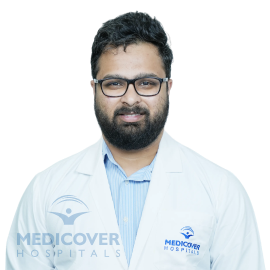
Dr Venkata Sandeep Eadara


Dr Nishu Ojha

Consult Our Nutrition & Nutrigenomics Specialists Today
Receive expert consultation, advanced diagnosis, and personalized treatment from our experienced nutrition & nutrigenomics specialists dedicated to delivering exceptional patient care.