
Diabetic Eye Screening
Comprehensive diabetic eye screening care in India, featuring advanced diagnostic technologies and world-class medical expertise.
Diabetic Eye Screening
Diabetic eye screening is an important part of managing diabetes and protecting long-term vision. Diabetes can affect the small blood vessels that supply the retina, the light-sensitive layer at the back of the eye. These changes may develop gradually and may not cause noticeable symptoms in the early stages.
A regular diabetic eye test helps identify changes associated with diabetic retinopathy before they significantly affect vision. Early detection gives an eye-care professional an opportunity to assess the condition, recommend appropriate follow-up and, when necessary, arrange treatment.
Why Is Diabetic Eye Screening Important?
People living with diabetes can develop diabetic retinopathy, a condition in which prolonged high blood sugar levels can damage the blood vessels in the retina. In its early stages, diabetic retinopathy may not cause blurred vision, pain or other obvious warning signs.
This is why waiting until vision changes occur is not a good substitute for routine screening. A diabetes eye checkup can help detect retinal changes at an earlier stage and determine whether further eye examinations or specialist care are needed.
Regular screening is particularly important for people who have had diabetes for several years or who have other factors that may increase their risk of diabetic eye disease.
What Does Diabetic Eye Screening Check?
Depending on the individual's condition and the clinical assessment, a diabetic eye examination may include an examination of the retina and other structures of the eye. Retinal photographs or other diagnostic tests may be used to look for signs such as:
- Changes or abnormalities in the retinal blood vessels
- Small areas of bleeding or fluid leakage
- Swelling affecting the retina
- Changes associated with diabetic retinopathy
- Other retinal conditions that may require further evaluation
The exact tests recommended can vary depending on the person's diabetes history, eye health, symptoms and previous examination findings.
Who Should Have a Diabetic Eye Test?
People diagnosed with diabetes should discuss appropriate eye screening with their healthcare provider or eye specialist. The recommended timing can vary depending on the type of diabetes, age, pregnancy status, previous retinal findings and overall health.
Even if your eyesight appears normal, regular diabetic retinopathy screening can be important because early retinal changes may occur without noticeable symptoms.
People with diabetes should also seek an eye examination if they develop new or worsening symptoms such as blurred vision, sudden changes in eyesight, increasing floaters, flashes or a dark area in their vision.
What Happens During Diabetic Retinopathy Screening?
A diabetic eye screening test is generally straightforward. The eye-care team may first ask about your diabetes, medications, previous eye problems and any changes in your vision.
The pupils may be dilated with eye drops so that the retina can be examined more clearly. Retinal photographs or other tests may then be performed when clinically appropriate.
If the screening identifies a suspicious or significant abnormality, you may be advised to undergo a more detailed examination or additional retinal investigations.
Does Diabetic Retinopathy Always Affect Vision?
No. Diabetic retinopathy can develop before noticeable vision problems occur. This is one of the main reasons routine eye screening is important for people with diabetes.
As diabetic retinal disease progresses, some people may experience blurred or distorted vision, floaters or other visual changes. More advanced disease can potentially cause serious vision loss.
The presence and severity of diabetic retinopathy vary from person to person, so screening results should be interpreted by a qualified eye-care professional.
How Can People With Diabetes Protect Their Eye Health?
Diabetic eye screening is only one part of protecting vision. Good diabetes management and regular medical follow-up are also important.
Depending on individual medical advice, eye-health care may include:
- Keeping blood glucose levels within the target range recommended by your healthcare team
- Monitoring blood pressure and cholesterol
- Taking prescribed diabetes and other medications as directed
- Attending recommended diabetic eye screening appointments
- Reporting new or sudden changes in vision promptly
- Following up when an eye specialist recommends additional testing or treatment
Managing diabetes effectively can help reduce the risk of diabetes-related complications, including diabetic eye disease.
When Should You Seek Urgent Eye Care?
Do not wait for a routine diabetes eye checkup if you experience a sudden or significant change in vision.
Seek prompt medical or eye-care attention for symptoms such as:
- Sudden loss or significant reduction of vision
- A sudden increase in floaters
- Flashes of light
- A dark curtain or shadow across part of your vision
- Sudden distortion or major changes in eyesight
These symptoms can have several possible causes and may require urgent assessment.
Diabetic Eye Screening and Follow-Up Care
The appropriate follow-up after screening depends on the findings. Some people may simply need their next routine screening, while others may require more frequent monitoring, additional retinal imaging or assessment by an ophthalmologist.
If diabetic retinopathy or another eye condition is identified, the eye specialist can explain the findings and discuss appropriate management options. Treatment is based on the type and severity of the condition rather than the screening result alone.
Protect Your Vision With Regular Eye Checks
Living with diabetes does not necessarily mean developing serious eye problems, but diabetes can increase the risk of retinal disease. Regular diabetic eye screening provides an opportunity to identify changes early and make sure appropriate follow-up is arranged.
If you have diabetes, speak with your healthcare provider or eye-care professional about the eye examinations appropriate for your condition. Regular screening, good diabetes management and timely evaluation of vision changes can all play an important role in maintaining eye health.
Diabetic Eye Screening Treatments

Basic Diabetic Eye Screening Package
Advanced Diabetic Retinopathy Screening Package
Diabetic Macular Edema Screening Package
Complete Diabetic Eye Health Package
Diabetic Retinopathy Diagnosis & Follow-Up Package
Enquire Now
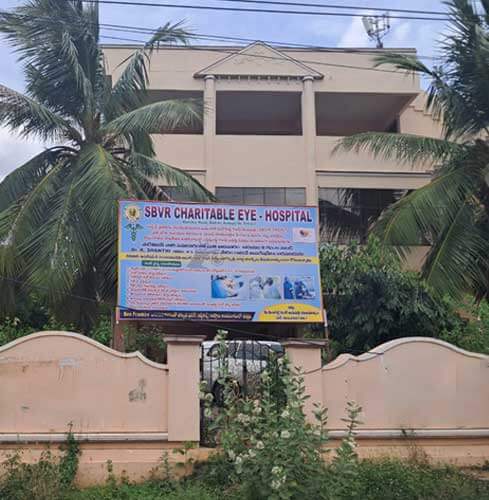
Top Diabetic Eye Screening Hospitals

Top Diabetic Eye Screening Specialists

Dr Venkata Sandeep Eadara


Dr Nishu Ojha

Consult Our Diabetic Eye Screening Specialists Today
Receive expert consultation, advanced diagnosis, and personalized treatment from our experienced diabetic eye screening specialists dedicated to delivering exceptional patient care.