
Signs of a Heart Attack You Should Never Ignore
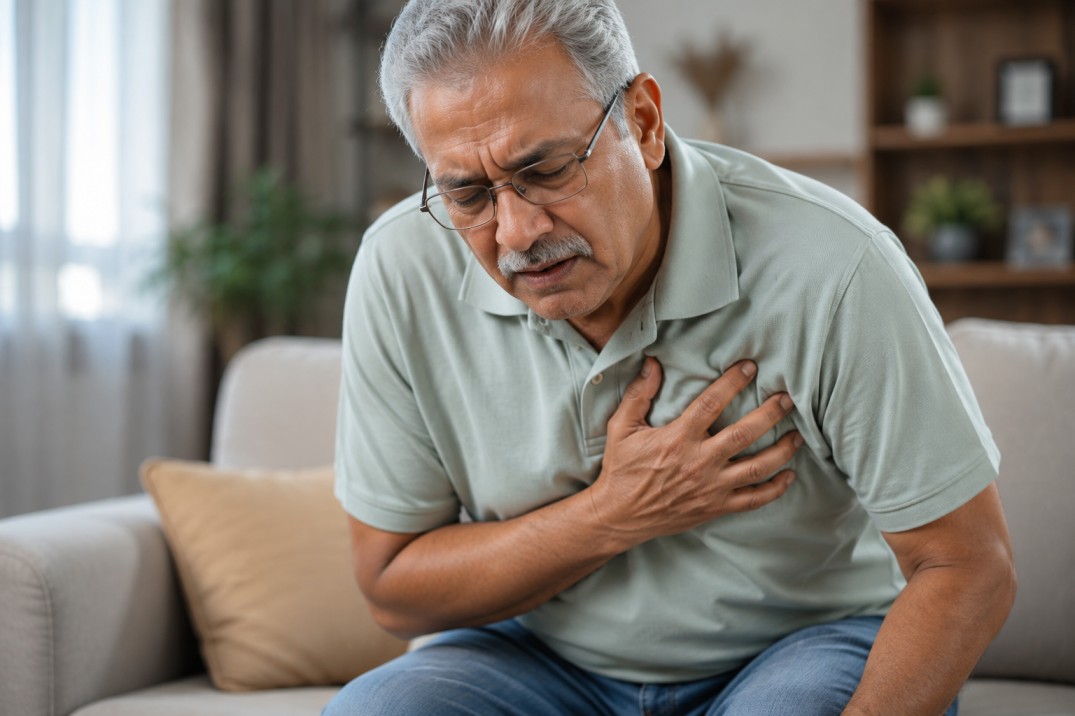
Signs of a Heart Attack You Should Never Ignore
A heart attack does not always begin with dramatic, crushing chest pain. Sometimes the symptoms are mild, develop gradually, or feel similar to indigestion, exhaustion or stress. Knowing the signs of a heart attack can help you recognize a medical emergency and seek treatment without unnecessary delay.
A heart attack occurs when blood flow to part of the heart muscle becomes blocked or severely reduced. Without enough oxygen-rich blood, the affected heart muscle can become damaged. The longer the interruption continues, the greater the potential damage.
That is why understanding heart attack symptoms is important not only for yourself, but also for recognizing an emergency in a family member, friend or colleague.
If you are experiencing possible heart attack symptoms right now, do not wait to see whether they disappear. Seek emergency medical help immediately. In India, Dial 108 for ambulance services where available, or use your local emergency medical service.
What Does a Heart Attack Feel Like?
There is no single way a heart attack feels.
For many people, the most recognizable symptom is discomfort in the centre or left side of the chest. It may feel like:
- Pressure or heaviness
- Tightness or squeezing
- Fullness
- Burning or aching
- Uncomfortable pressure that comes and goes
The discomfort may last for several minutes, disappear and then return. A heart attack can also cause symptoms outside the chest, including discomfort in the arm, shoulder, back, neck, jaw or upper abdomen.
This is one reason heart attack warning signs should not be dismissed simply because the pain is not severe.
7 Signs of a Heart Attack You Should Never Ignore
1. Chest Pressure, Tightness or Discomfort
Chest pain is one of the most commonly recognized heart attack symptoms.
However, it may not always feel like sharp pain. Some people describe a feeling of pressure, squeezing, fullness, heaviness or tightness in the centre of the chest.
The discomfort may continue for several minutes or may go away and return.
Do not assume that mild chest discomfort is harmless, particularly if it is accompanied by other warning signs.
2. Pain or Discomfort That Spreads to the Arm, Jaw, Neck or Back
Heart-related discomfort is not necessarily limited to the chest.
Pain or unusual discomfort may spread to:
- One or both arms
- Shoulders
- Neck
- Jaw
- Upper back
- Upper abdomen
This type of discomfort can be confusing because it may not immediately seem connected to the heart. But when it occurs with chest discomfort, breathlessness, sweating, nausea or dizziness, it requires urgent attention.
3. Shortness of Breath
Shortness of breath can occur with chest discomfort or sometimes without obvious chest pain.
You may feel unexpectedly breathless, unable to take a comfortable deep breath, or unusually exhausted after minimal activity.
Because breathlessness can have many causes, it is easy to overlook. However, sudden or unexplained breathlessness especially when accompanied by other heart attack warning signs should be treated seriously.
4. Cold Sweating
Breaking out in a cold sweat without an obvious reason can be another warning sign of a heart attack.
For example, if you suddenly become sweaty while resting and also experience chest discomfort, nausea, dizziness or breathlessness, do not simply assume that you are overheated or anxious.
Cold sweating is among the recognized symptoms that can occur during a heart attack.
5. Nausea, Vomiting or Indigestion-Like Symptoms
A heart attack can sometimes feel surprisingly similar to a digestive problem.
You may experience:
- Nausea
- Vomiting
- A feeling of indigestion
- Burning or discomfort in the chest
- Upper abdominal discomfort
This can make it tempting to wait for the symptoms to settle.
However, heart attack symptoms can resemble indigestion, and symptoms should not be dismissed when they occur alongside chest discomfort, sweating, breathlessness or pain elsewhere in the upper body.
6. Dizziness, Lightheadedness or Feeling Faint
Feeling suddenly lightheaded, weak or close to fainting can occur during a heart attack.
If dizziness occurs together with chest pressure, breathlessness, sweating, nausea or unusual weakness, seek emergency medical attention rather than trying to determine the cause yourself.
7. Unusual Tiredness or Weakness
Not every heart attack begins with obvious pain.
Some people experience unusual or unexplained tiredness, weakness or a general feeling that something is wrong. This may be particularly easy to overlook when someone assumes they are simply stressed, sleep-deprived or overworked.
Unusual fatigue becomes more concerning when it occurs with other symptoms such as breathlessness, nausea, sweating or chest discomfort.
Heart Attack Symptoms in Women
The most common symptom of a heart attack in women is still chest pain or discomfort. However, women may also experience symptoms that are less commonly associated with a heart attack.
These can include:
- Shortness of breath
- Nausea or vomiting
- Unusual tiredness or weakness
- Discomfort in the back, shoulder or arm
- Upset stomach
- Lightheadedness
- Anxiety-like feelings
Because these symptoms can resemble other conditions, women may not immediately recognize them as possible heart attack symptoms.
The important point is not to assume that a heart attack must involve severe chest pain.
Heart Attack Symptoms in Men
Men may experience the more familiar pattern of:
- Chest pressure, squeezing or discomfort
- Pain or discomfort spreading to the arm, shoulder, jaw, neck or back
- Shortness of breath
- Cold sweating
- Nausea
- Dizziness or lightheadedness
However, there is no reliable rule that allows heart attack symptoms to be predicted based only on sex. Symptoms can vary considerably from person to person.
Can You Have a Heart Attack Without Chest Pain?
Yes.
Although chest discomfort is one of the most common heart attack symptoms, shortness of breath and other symptoms can occur without obvious chest discomfort. Some people may primarily experience nausea, unusual tiredness, dizziness or discomfort in another part of the upper body.
This is why it is important to consider the combination of symptoms, rather than waiting for a specific type of chest pain to appear.
If symptoms are sudden, unexplained or concerning, especially when several warning signs occur together, seek urgent medical evaluation.
Heart Attack or Indigestion: How Can You Tell?
Heartburn and indigestion can cause chest or upper abdominal discomfort, and these symptoms can sometimes resemble a heart problem.
The difficulty is that you cannot reliably diagnose the cause of chest discomfort at home based on how it feels.
Heart attack discomfort may involve pressure, squeezing, fullness, burning or pain and can spread to the arms, jaw, neck, back or upper abdomen. Nausea, sweating, breathlessness or dizziness may occur as well.
If you are unsure whether your symptoms are indigestion or a heart attack, it is safer to seek urgent medical assessment rather than self-diagnosing.
What Should You Do If You Suspect a Heart Attack?
If you or someone nearby develops symptoms that could indicate a heart attack:
1. Treat the symptoms as an emergency
Do not wait for symptoms to become severe or assume they will disappear.
2. Call emergency medical services
In India, 108 is used for emergency ambulance services in many states and union territories. Availability and local emergency arrangements can vary.
3. Do not drive yourself if emergency transport is available
Emergency medical personnel can begin appropriate care while transporting the patient. The American Heart Association advises calling emergency medical services rather than simply driving yourself when heart attack symptoms occur.
4. Follow the emergency team's instructions
Do not take unfamiliar medicines or attempt home remedies in an effort to treat possible heart attack symptoms.
If a healthcare professional or emergency dispatcher advises a particular medicine, follow their instructions and disclose any allergies or relevant medical history.
5. If the person becomes unresponsive and is not breathing normally
This may indicate cardiac arrest, which is different from a heart attack. Emergency services should be contacted immediately, and CPR/AED use may be necessary according to the instructions of emergency responders.
Why Acting Quickly Matters
A heart attack is a time-sensitive medical emergency.
When blood flow to part of the heart is interrupted, the affected heart muscle does not receive enough oxygen. Continued lack of blood flow can cause increasing damage to the heart muscle. Early medical assessment allows healthcare professionals to determine whether a heart attack is occurring and begin appropriate treatment when necessary.
This is why the right response to concerning symptoms is not to wait for certainty.
You do not need to prove that you are having a heart attack before seeking emergency care.
Who May Have a Higher Risk of Heart Attack?
The risk of heart disease and heart attack can increase with several factors, including:
- High blood pressure
- High cholesterol
- Smoking or tobacco use
- Diabetes
- Physical inactivity
- Unhealthy dietary patterns
- Excess body weight
- Increasing age
- Family history of heart disease
Some risk factors cannot be changed, such as age and family history. Others can often be addressed through lifestyle changes and appropriate medical care.
Having risk factors does not mean that a heart attack will definitely occur. Likewise, someone without obvious risk factors should not automatically dismiss concerning symptoms.
How Can You Reduce Your Risk of Heart Disease?
Heart health is influenced by several long-term habits and medical factors.
Helpful steps include:
- Keep blood pressure under appropriate control.
- Have cholesterol checked when recommended.
- Manage diabetes if you have it.
- Avoid smoking and tobacco products.
- Stay physically active according to your healthcare professional's advice.
- Follow a balanced eating pattern.
- Maintain a healthy weight where appropriate.
- Take prescribed medicines as directed.
- Attend recommended health check-ups.
- Discuss your individual cardiovascular risk with a qualified healthcare professional.
Prevention is not about eliminating every possible risk. It is about identifying the factors you can change and managing them consistently.
Frequently Asked Questions About Heart Attack Symptoms
1. What are the most common signs of a heart attack?
Common heart attack warning signs include chest pressure or discomfort, shortness of breath, pain or discomfort in the arm, shoulder, back, neck or jaw, cold sweating, nausea and lightheadedness. Symptoms can vary between individuals.
2. Can a heart attack happen without severe chest pain?
Yes. Some people have mild or gradually developing symptoms, while others may experience symptoms such as breathlessness, nausea, unusual tiredness or discomfort in another area of the upper body.
3. What does heart attack chest pain feel like?
It may feel like pressure, squeezing, tightness, fullness, heaviness, burning or pain in the centre or left side of the chest. It may last for several minutes or come and go.
4. Can indigestion feel like a heart attack?
Yes. Heartburn or indigestion can cause symptoms that overlap with heart-related discomfort. Because the two cannot always be distinguished safely based on symptoms alone, concerning or unexplained chest discomfort should be medically evaluated.
5. Are heart attack symptoms different in women?
Women can experience the same common symptoms as men, including chest discomfort, but may also experience symptoms such as unusual tiredness, nausea, shortness of breath, back or shoulder discomfort and weakness.
6. How long can heart attack symptoms last?
There is no single duration that applies to everyone. Chest discomfort may last several minutes or disappear and return. Do not wait for a specific duration before seeking emergency help if symptoms suggest a heart attack.
7. What should I do if I think I am having a heart attack?
Treat it as a medical emergency and contact emergency medical services immediately. In India, Dial 108 provides emergency ambulance services in many states and union territories. Avoid delaying care while trying to determine whether the symptoms are definitely caused by a heart attack.
Final Takeaway
Knowing the signs of a heart attack can make a critical difference. Chest pressure or discomfort, unexplained breathlessness, pain spreading to the arm or jaw, cold sweating, nausea, dizziness and unusual weakness should not be casually dismissed particularly when several symptoms occur together.
A heart attack does not always look the way it is portrayed in movies, and waiting for severe symptoms can delay emergency treatment.
If you or someone around you develops symptoms that could indicate a heart attack, seek emergency medical help immediately rather than waiting for the symptoms to pass.
For persistent, recurring or unexplained heart-related symptoms that are not currently an emergency, speak with a qualified healthcare professional for an appropriate evaluation.
Medical Disclaimer
This article is intended for general educational and informational purposes only. It does not provide a diagnosis, medical advice or a substitute for consultation with a qualified healthcare professional. Heart attack symptoms can vary between individuals and may overlap with other medical conditions. If you experience possible symptoms of a heart attack or another medical emergency, seek immediate emergency medical care. Do not delay treatment based on information in this article.