
Persistent Chest Pain? When to See a Cardiologist in Hyderabad
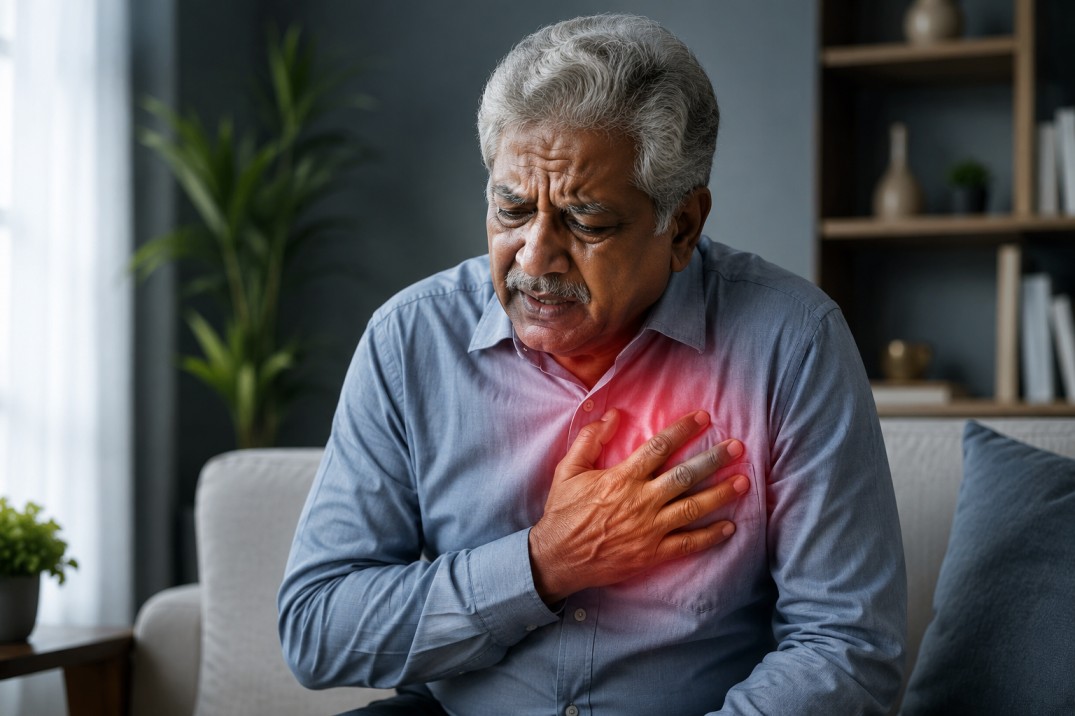
Persistent Chest Pain? When to See a Cardiologist in Hyderabad
Chest pain can be unsettling, especially when it keeps coming back or does not completely go away. You may wonder whether it is caused by acidity, muscle strain, stress, or something more serious involving the heart. The difficult part is that chest pain causes can range from relatively minor conditions to medical emergencies, and symptoms alone cannot always tell you the difference.
If you are experiencing persistent chest pain, recurring discomfort, pressure in the chest, or pain that appears during physical activity, it is important not to simply ignore it. A proper medical evaluation can help identify the cause and determine whether your symptoms are related to your heart, lungs, digestive system, muscles, or another condition.
For people living in Hyderabad, knowing when to see a cardiologist can help you take the right step at the right time.
Is Persistent Chest Pain Always a Sign of a Heart Problem?
No. Chest pain does not always mean that you have heart disease. It can occur because of several conditions affecting the heart, lungs, digestive system, muscles, bones, or even the nerves.
However, heart-related causes need particular attention because some of them can become serious quickly. Medical professionals generally evaluate potentially life-threatening heart and lung conditions first when someone presents with unexplained chest pain.
This is why it is not advisable to assume that recurring chest discomfort is simply "gas" or acidity without being evaluated, particularly if you have risk factors for heart disease.
What Are the Common Causes of Persistent Chest Pain?
Understanding the possible chest pain causes can help you recognise why professional evaluation may be necessary.
1. Heart-related causes
Several cardiovascular conditions can cause chest discomfort.
Angina occurs when the heart muscle does not receive enough blood and oxygen. It may feel like pressure, heaviness, squeezing, tightness, or discomfort in the chest. It can sometimes occur during physical activity or emotional stress.
Other possible heart-related causes include:
- Coronary artery disease
- Heart attack
- Inflammation around the heart, known as pericarditis
- Certain heart rhythm problems
- Other cardiovascular conditions
Chest discomfort associated with heart problems may sometimes spread to the arm, shoulder, back, neck, jaw, or upper abdomen. It may also occur with breathlessness, sweating, nausea, dizziness, or unusual fatigue.
2. Acid reflux and digestive problems
Acid reflux, commonly called heartburn, can produce a burning sensation behind the breastbone. It may be accompanied by a sour taste, regurgitation, bloating, or discomfort after eating.
Because heartburn and heart-related chest discomfort can sometimes feel similar, it is risky to self-diagnose chest pain based only on how it feels.
3. Muscle and chest wall pain
Chest pain may also result from muscle strain, an injury, prolonged coughing, or inflammation around the ribs and breastbone.
Pain related to the chest wall may become more noticeable with certain movements or when the affected area is touched.
4. Lung-related conditions
Some lung conditions can cause chest pain, particularly pain that becomes worse when breathing deeply or coughing.
Possible causes include:
- Pneumonia or other chest infections
- Pleurisy
- A collapsed lung
- Pulmonary embolism, which is a blood clot affecting a blood vessel in the lung
Some lung conditions can also be emergencies, so severe or sudden chest pain with breathing difficulty should never be ignored.
5. Anxiety and panic attacks
Stress and anxiety can sometimes cause chest discomfort, rapid heartbeat, sweating, dizziness, and shortness of breath.
However, chest pain should not automatically be attributed to anxiety. If the symptoms are new, unexplained, severe, or different from what you have experienced before, medical assessment is important because anxiety symptoms can overlap with symptoms of serious medical conditions.
When Is Chest Pain an Emergency?
This is the most important part to remember.
If you develop sudden or unexplained chest pain, especially if it lasts for several minutes or is accompanied by other concerning symptoms, seek emergency medical attention rather than waiting for a routine cardiologist consultation.
Warning signs that should not be ignored
Seek immediate medical help if chest pain is accompanied by:
- Pressure, squeezing, heaviness, or tightness in the chest
- Pain spreading to the arm, shoulder, back, neck, or jaw
- Shortness of breath
- Cold sweating
- Nausea or vomiting
- Severe dizziness or lightheadedness
- Fainting or loss of consciousness
- Sudden severe weakness
- Sudden severe chest or upper-body pain
These symptoms can occur during a heart attack or other serious medical conditions.
Do not wait for a routine appointment if you think you may be having a heart attack. Seek emergency medical care immediately.
It is also important to remember that heart attack symptoms are not identical in everyone. Some people, including women, older adults, and people with diabetes, may experience less typical symptoms.
When Should You See a Cardiologist?
Not every episode of chest pain requires a cardiology consultation, but recurring or unexplained symptoms deserve attention.
You should consider seeing a cardiologist in Hyderabad if:
- Chest pain keeps coming back.
- You experience chest discomfort during walking, climbing stairs, exercise, or other physical activity.
- You have unexplained pressure or tightness in the chest.
- You become unusually breathless during activities that previously felt comfortable.
- You experience chest discomfort together with palpitations or dizziness.
- You have been told that you have high blood pressure, diabetes, high cholesterol, or another cardiovascular risk factor.
- You have a strong family history of heart disease.
- You have previously been diagnosed with a heart condition.
- You have had chest pain that went away but continues to concern you.
Risk factors such as smoking, obesity, high blood pressure, diabetes, high cholesterol, and a family history of premature coronary heart disease can increase the likelihood of cardiovascular disease.
What Happens During a Cardiologist Consultation?
Many people delay seeing a cardiologist because they are worried that they will immediately need extensive testing. In reality, the evaluation usually begins with understanding your symptoms and medical history.
A cardiologist may ask:
- When did the chest pain begin?
- How frequently does it occur?
- How long does each episode last?
- Where exactly do you feel the pain?
- Is it pressure, burning, tightness, heaviness, or sharp pain?
- Does it occur during exercise or at rest?
- Does it improve with rest?
- Does the pain spread to your arm, back, neck, or jaw?
- Do you experience breathlessness, sweating, nausea, dizziness, or palpitations?
- Do you have diabetes, high blood pressure, high cholesterol, or other health conditions?
- Do you smoke or have a family history of heart disease?
Your doctor may also check your blood pressure, pulse, heart sounds, and other relevant clinical signs.
The goal is not simply to determine whether the pain is "heart pain." It is to understand the overall pattern and identify the most likely cause.
What Tests Might a Cardiologist Recommend?
There is no single test that is appropriate for everyone with chest pain. Testing depends on your symptoms, medical history, examination findings, age, risk factors, and the doctor's clinical assessment.
Depending on the situation, a cardiologist may recommend tests such as:
Electrocardiogram (ECG)
An ECG records the electrical activity of the heart. It is commonly used when evaluating chest pain and can provide important information about the heart's rhythm and possible signs of heart injury.
Blood tests
Certain blood tests can help doctors identify evidence of heart muscle injury, particularly when a heart attack is suspected.
Echocardiogram
An echocardiogram uses sound waves to create images of the heart. It can help assess the heart's structure, pumping function, and valves.
Stress test
A stress test may be considered when a doctor needs to understand how the heart responds to physical exertion or when evaluating certain types of chest discomfort.
Chest X-ray
A chest X-ray may help evaluate the lungs and other structures in the chest and can be useful when a non-cardiac cause is also being considered.
CT or coronary imaging
In selected patients, doctors may recommend CT-based imaging or other tests to examine the heart and blood vessels more closely. These tests are not automatically required for everyone with chest pain.
The important point is that diagnostic tests should be selected based on your individual situation, rather than assuming that every person with chest pain needs the same set of investigations.
Chest Pain and Heart Health: Who Should Be More Cautious?
Some people have a higher risk of cardiovascular disease and should be particularly attentive to new or recurring chest symptoms.
You may need greater attention to heart health if you have:
- High blood pressure
- Diabetes
- High cholesterol
- A history of smoking
- Obesity
- A sedentary lifestyle
- A family history of heart disease
- Previous heart disease or stroke
- Increasing age
Having one or more risk factors does not mean that your chest pain is definitely caused by the heart. It does mean that unexplained symptoms deserve appropriate medical attention.
Finding a Cardiologist in Hyderabad for Chest Pain
If you are searching online for a cardiologist in Hyderabad, focus on finding appropriate specialist care rather than choosing a doctor based only on proximity or online rankings.
When considering a cardiology consultation, look for:
- Relevant cardiology experience
- Access to appropriate diagnostic facilities
- Clear communication about your symptoms and treatment options
- Availability of follow-up care
- A healthcare facility equipped to handle urgent cardiac conditions when necessary
Siris Healthcare can help patients explore healthcare services and specialist care options in Hyderabad.
If your symptoms are severe, sudden, or suggest a possible heart attack, however, do not wait to search for a specialist online. Seek emergency medical attention immediately.
What Can You Do While Waiting for Medical Evaluation?
If your chest pain is recurring but not currently an emergency, keep track of useful details that can help your doctor understand the pattern.
Note:
- When the pain occurs
- How long it lasts
- What you were doing when it started
- Whether exercise triggers it
- Whether eating appears to affect it
- Whether the pain spreads anywhere
- Any associated breathlessness, sweating, dizziness, nausea, or palpitations
- Any medicines you are currently taking
- Relevant medical conditions and family history
Do not start or stop heart medicines based solely on information found online. Chest pain treatment depends on the underlying cause and should be determined by a qualified healthcare professional.
Frequently Asked Questions About Persistent Chest Pain
1. Is persistent chest pain always related to the heart?
No. Persistent chest pain can have cardiac and non-cardiac causes, including acid reflux, muscle strain, lung conditions, and anxiety. However, unexplained or recurring chest pain should be medically evaluated because symptoms can overlap between different conditions.
2. When should I see a cardiologist for chest pain?
You should consider a cardiology evaluation when chest pain is recurring, unexplained, occurs with physical activity, or is accompanied by symptoms such as breathlessness, palpitations, dizziness, or unusual fatigue. If the pain is sudden, severe, or associated with possible heart attack symptoms, seek emergency care instead of waiting for a routine appointment.
3. Can acidity cause chest pain?
Yes. Acid reflux and heartburn can cause burning or discomfort in the chest. However, heartburn and cardiac chest pain can sometimes feel similar, so new or unexplained chest pain should not automatically be assumed to be acidity.
4. Can chest pain happen without a heart attack?
Yes. Chest pain can occur with angina, pericarditis, acid reflux, muscle or chest wall problems, lung conditions, and other disorders. A medical assessment is needed to determine the cause.
5. What tests are commonly done for chest pain?
Depending on the situation, a doctor may consider an ECG, blood tests, echocardiogram, chest X-ray, stress testing, or cardiac imaging. Not every patient needs every test; the evaluation is tailored to the individual's symptoms and risk factors.
6. Is chest pain during exercise a reason to see a cardiologist?
Chest discomfort that repeatedly occurs during physical activity should not be ignored. It may have several causes, including cardiovascular conditions. A cardiologist can assess the symptoms and determine whether further cardiac evaluation is appropriate.
7. Can stress or anxiety cause chest pain?
Yes. Anxiety and panic attacks can produce chest discomfort, rapid heartbeat, sweating, dizziness, and shortness of breath. However, because these symptoms can overlap with heart problems, new or unexplained chest pain should be medically assessed rather than automatically attributed to stress.
8. What should I do if chest pain suddenly becomes severe?
Treat sudden, severe, or unexplained chest pain as potentially urgent. If it is accompanied by breathing difficulty, sweating, nausea, dizziness, fainting, or pain spreading to the arm, back, neck, or jaw, seek emergency medical attention immediately.
Conclusion
Persistent chest pain should not be ignored, but it also does not automatically mean that you have heart disease. The same symptom can have many different causes, and the safest approach is to understand the pattern of your symptoms and seek appropriate medical evaluation.
If chest pain is sudden, severe, unexplained, or accompanied by symptoms such as breathlessness, sweating, dizziness, nausea, fainting, or pain spreading to other parts of the body, seek emergency medical care immediately.
For recurring or unexplained symptoms that are not an emergency, speaking with a qualified cardiologist in Hyderabad can help determine whether your symptoms may be related to the heart and whether further evaluation is appropriate.
Taking chest pain seriously does not mean assuming the worst. It means giving your heart health the attention it deserves.
Medical Disclaimer
This article is intended for general educational purposes only and should not be considered a substitute for professional medical advice, diagnosis, or treatment. Chest pain can have many causes, including conditions that require urgent medical attention. If you are experiencing sudden, severe, or unexplained chest pain or symptoms that may indicate a heart attack, seek emergency medical care immediately. Always consult a qualified healthcare professional for advice based on your individual health condition.